Note: This article is for educational purposes only. Diarrhea in parakeets can become serious quickly, so home care should supportnot replacecare from an avian veterinarian.
Parakeets are tiny birds with big personalities. One minute they are chirping like they own the house, and the next minute you notice watery droppings at the bottom of the cage and begin Googling with the urgency of a detective in a bird-sized crime scene. The first thing to know is this: “diarrhea” in parakeets does not always mean the same thing it means in humans or dogs. Bird droppings have three parts: feces, white urates, and clear urine. True diarrhea happens when the fecal portion becomes loose, mushy, or unformed. Watery droppings with formed feces may be polyuria, meaning extra urine rather than intestinal diarrhea.
That distinction matters because the causes can range from harmless diet changeshello, too much cucumberto infections, parasites, liver disease, kidney disease, toxins, stress, or serious digestive disorders. In other words, parakeet diarrhea is not a “wait three weeks and see” situation. Birds are experts at hiding illness, so by the time a budgie looks fluffed, sleepy, weak, or uninterested in food, the problem may already be advanced.
The good news is that you can take smart, safe steps right away. The three best ways to treat diarrhea in parakeets are: identify whether it is true diarrhea, provide supportive care while arranging veterinary help, and clean up the environment to prevent reinfection or worsening illness. Let’s walk through each step carefullyno panic, no random medicine cabinet experiments, and definitely no “Grandma’s secret stomach tonic” for a bird that weighs less than a car key.
Way 1: Confirm Whether It Is True Diarrhea and Call an Avian Vet
Look closely at the droppings
Before you can treat diarrhea in parakeets, you need to know what you are looking at. A normal parakeet dropping usually includes a greenish or brown formed fecal part, a white or cream urate portion, and a small amount of clear liquid. The exact color and texture can vary depending on diet, hydration, stress, and recent foods.
True diarrhea means the fecal part itself is soft, runny, shapeless, or spreading into the paper. Polyuria, on the other hand, means the feces may still be formed, but the dropping has a larger wet ring around it. Both can deserve attention, but they point to different possibilities. A parakeet that ate watery vegetables may temporarily produce wetter droppings. A parakeet with kidney disease, diabetes, infection, or toxin exposure may also produce excessive liquid. That is why guessing is risky.
Know the warning signs
Contact an avian veterinarian promptly if abnormal droppings last longer than 24 hours, or sooner if your bird has any other symptoms. Red flags include fluffed feathers, sitting at the bottom of the cage, sleeping more than usual, loss of appetite, vomiting or regurgitation, weight loss, blood in the droppings, black tarry droppings, yellow or lime-green droppings, straining, fewer droppings than usual, or droppings stuck to feathers around the vent.
Parakeets have fast metabolisms, so dehydration and weakness can develop quickly. A bird that is not eating is especially urgent. Unlike a larger pet that can skip a meal and still complain dramatically from the couch, a small bird may become dangerously weak in a short time.
Prepare useful information for the vet
Your avian vet will likely ask practical questions: When did the diarrhea begin? Has the diet changed? Did the bird eat fruit, vegetables, new treats, spoiled seed, or houseplants? Is your parakeet exposed to metal objects, paint chips, scented products, cleaning fumes, or other birds? Are the droppings all abnormal or only occasional? Is the bird still eating and drinking?
Take clear photos of fresh droppings in natural light. If possible, line the cage with plain white paper towels or clean paper for easier monitoring. Do not scrape up old, dried droppings and assume they tell the whole story. Fresh droppings are more useful. If your vet asks for a sample, follow their instructions.
Way 2: Provide Safe Supportive Care at Home
Keep the parakeet warm, calm, and easy to monitor
Supportive care does not cure the underlying cause of parakeet diarrhea, but it can help your bird stay stable until a vet evaluates the problem. Place the cage in a quiet, draft-free area away from loud noise, pets, children, smoke, kitchen fumes, and sudden temperature changes. Sick birds often benefit from gentle warmth, but overheating is dangerous. If you use a safe external heat source, make sure the bird can move away from it and watch for panting, wings held away from the body, or distress.
Keep perches low if the bird seems weak. A parakeet that is dizzy, dehydrated, or tired may fall from a high perch. Place food and water within easy reach. If your bird is sitting low or on the cage floor, move essentials closer rather than expecting the bird to climb like a tiny mountaineer with a stomachache.
Offer clean water and avoid risky “home remedies”
Fresh water is essential. Wash the water dish thoroughly and replace water frequently. Do not add vitamins, juice, sugar, herbal drops, or random supplements unless your veterinarian recommends them. Additives can encourage bacterial growth in the water and may make monitoring intake harder.
Never give human anti-diarrhea medicines, antibiotics, pain relievers, essential oils, or over-the-counter pet medications to a parakeet without veterinary direction. Many products that are safe for humans or other animals can be harmful or fatal to birds. Even bird probiotics should be used carefully and ideally under veterinary guidance, especially if the diarrhea is persistent, bloody, foul-smelling, or paired with lethargy.
Simplify the diet temporarily
If watery droppings started after a new food, pause that food and return to the bird’s familiar balanced diet while you monitor. Too much fruit, lettuce, cucumber, melon, or other high-water produce can make droppings wetter. Spoiled greens, old seed, moldy food, and dirty bowls can also trigger digestive upset or bacterial overgrowth.
A healthy long-term parakeet diet usually centers on a quality pelleted food, with appropriate amounts of vegetables, limited fruit, and small portions of seed depending on veterinary guidance. All-seed diets can contribute to nutritional problems, obesity, and liver disease. However, do not suddenly convert a sick parakeet from seed to pellets during an active illness. Dietary conversion should be gradual and planned when the bird is stable.
If your parakeet is not eating, contact the vet immediately. Do not force-feed unless a veterinarian has shown you exactly how and told you to do it. Aspirationfood or liquid entering the airwayis a serious risk.
Way 3: Clean the Cage and Prevent the Problem From Returning
Change cage papers and track droppings daily
Clean cage papers are more than housekeeping; they are a health monitoring tool. Replace the cage liner daily while your parakeet has abnormal droppings. Plain paper towels, newspaper, or white paper make it easier to see color, frequency, texture, and water content. Avoid loose litter, corn cob bedding, walnut shell bedding, or dusty substrates that can hide changes and harbor mold or bacteria.
Count droppings if you can. A sudden decrease in droppings may mean the bird is eating less or has a digestive obstruction. A pile of droppings in one area may mean the bird is sitting still and not moving normally. Parakeet poop may not be glamorous, but it is one of the clearest daily health reports your bird gives you. Think of it as a tiny, messy newsletter.
Wash bowls, perches, and cage surfaces
Food and water dishes should be washed with hot, soapy water every day. Rinsing alone is not enough to remove bacterial buildup. Remove wet food after a short period, especially in warm rooms. Fresh produce should be washed thoroughly before serving and discarded before it wilts, spoils, or becomes a bacteria buffet.
Clean perches, cage bars, and the tray as needed. If diarrhea is severe or suspected to be infectious, ask your veterinarian which disinfectant is safe. Birds are sensitive to fumes, so never use harsh cleaners around them without proper ventilation and complete rinsing. The cage must be dry and free of chemical odor before the bird returns.
Separate sick birds when needed
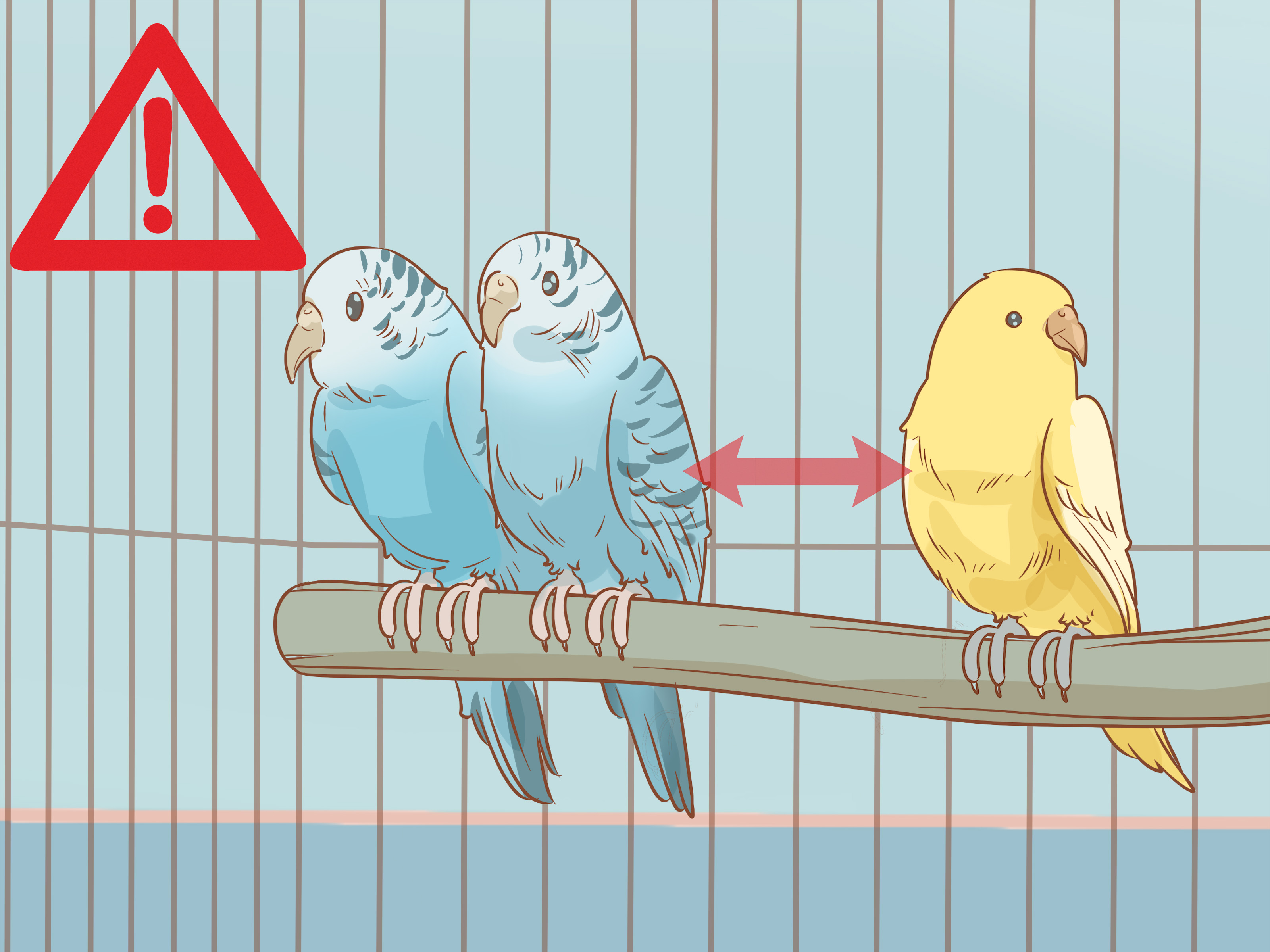
If you have more than one bird, separate the sick parakeet in a clean, warm, low-stress hospital cage if you can do so safely. This helps you monitor food intake and droppings accurately and may reduce exposure to cage mates. Some causes of diarrhea, including certain bacterial, viral, fungal, and parasitic conditions, can spread between birds through droppings, shared dishes, or close contact.
Wash your hands after handling your bird, cage papers, bowls, and cleaning supplies. Good hygiene protects your bird, your household, and any other pets. It also keeps you from accidentally spreading germs from one cage to another.
Common Causes of Diarrhea in Parakeets
Diet changes and watery foods
A sudden increase in fruit, lettuce, cucumber, melon, or other high-moisture foods may create watery droppings. Colored foods can also temporarily change dropping color. For example, berries may darken or tint the feces. If the bird is active, eating, vocal, and producing formed feces with extra liquid, diet may be part of the explanation. Still, persistent changes deserve veterinary advice.
Stress
Moving the cage, adding a new bird, changing routines, loud remodeling, travel, or a new pet in the home can stress a parakeet. Stress may contribute to abnormal droppings, especially polyuria. But do not blame stress too quickly. “He is just nervous” can become a dangerous assumption if the real issue is infection, toxins, or organ disease.
Infections and parasites
Bacterial infections, yeast overgrowth, viruses, and parasites such as Giardia can cause diarrhea in birds. Giardia may also be associated with weight loss, poor nutrient absorption, itching, feather picking, and unusual droppings. These conditions require proper diagnosis. A vet may recommend fecal testing, cultures, blood work, imaging, or medication based on the bird’s symptoms.
Toxins and household hazards
Lead, zinc, spoiled food, toxic plants, contaminated water, certain cleaners, smoke, and fumes can make birds very sick. Parakeets explore with their beaks, which means unsafe toys, chipped paint, jewelry, curtain weights, and metal objects may become accidental hazards. Diarrhea with weakness, neurological signs, vomiting, or abnormal droppings should be treated as urgent.
What Not to Do When a Parakeet Has Diarrhea
Do not withhold water. Do not give human diarrhea medicine. Do not start antibiotics left over from another pet. Do not use essential oils, garlic, vinegar, alcohol, or “natural” remedies without veterinary approval. Natural does not automatically mean safe; arsenic is natural, and nobody wants that in a bird dish.
Do not delay veterinary care if the bird is fluffed, quiet, weak, not eating, sitting on the cage floor, or producing bloody, black, yellow, or pea-soup-like droppings. Also avoid sudden major diet changes during illness. A sick bird needs stability, not a surprise wellness retreat with unfamiliar pellets, kale confetti, and motivational speeches.
Practical Owner Experiences: What Real-Life Parakeet Diarrhea Often Looks Like
One common experience starts with a well-meaning treat. A parakeet owner offers cucumber, apple, lettuce, and a little watermelon in one enthusiastic “spa salad.” The bird is thrilled. The cage paper, less so. Within a few hours, the droppings look wetter than usual. The fecal portion is still formed, the bird is chirping, eating, flying, and acting normal. In a case like this, the owner removes the extra watery produce, returns to the usual food, provides clean water, changes the paper, and monitors closely. If the droppings normalize within a day and no other symptoms appear, the episode may have been diet-related polyuria rather than true diarrhea.
A different experience is more concerning. A budgie produces loose, shapeless feces that stick to the feathers around the vent. The bird is puffed up, sleeping more, and picking at food instead of eating. The owner cleans the cage, warms the room slightly, places food and water nearby, and calls an avian veterinarian. At the clinic, the vet may check weight, hydration, crop, abdomen, and droppings. Depending on findings, testing may look for bacteria, yeast, parasites, organ disease, or toxins. Treatment may include fluids, prescribed medication, nutritional support, and follow-up care. This is the kind of situation where home care alone is not enough.
Another real-world pattern happens in multi-bird homes. One parakeet develops abnormal droppings, but the owner cannot tell who produced them because the birds share a cage. The smart move is temporary separation in a clean cage, not as punishment but as detective work. With separate cage papers, food dishes, and water bowls, the owner can see which bird is ill, whether appetite is normal, and whether droppings are improving or worsening. This information helps the vet and may protect the healthy bird.
Some owners also learn the hard way that cage hygiene matters. A water dish that looks “mostly clean” can still grow a slippery film. Wet seed hulls, old greens, and damp cage corners can become germ hotels. After a diarrhea scare, many bird owners adopt a stricter routine: daily paper changes, daily bowl washing, quick removal of fresh foods, weekly deep cleaning, and careful inspection of toys and perches. It is not glamorous, but neither is explaining to a vet that the spinach leaf has been in the cage since the previous administration.
The biggest lesson from experienced parakeet keepers is simple: know your bird’s normal. Some parakeets produce slightly wetter droppings after baths, stress, or fresh vegetables. Others have very consistent droppings unless something is wrong. When you know the baseline, you can spot changes early. Early actionclean paper, photos, diet review, supportive care, and a timely vet callcan make a major difference.
Conclusion
Treating diarrhea in parakeets starts with observation, not panic. First, determine whether the feces are truly loose or whether the dropping contains extra urine. Second, provide safe supportive care: warmth, quiet, fresh water, accessible food, and no risky medications. Third, clean the cage thoroughly and monitor droppings on plain paper. Most importantly, contact an avian veterinarian when symptoms persist, worsen, or appear with changes in behavior.
Your parakeet may be small, but their health signals deserve big attention. A clean cage, a balanced diet, careful monitoring, and fast veterinary help are the best tools you have. And yes, this means you may become the kind of person who studies bird poop with scientific intensity. Congratulationsyou are officially a responsible parakeet parent.