Some foods arrive wearing a nutritional halo. Their packages feature green leaves, mountain streams, yoga poses, or words such as natural, light, and protein-packed. Then you check your progress a few weeks later and wonder why the scale seems to have joined the opposition.
Here is the important truth: No single food automatically causes body-fat gain. Weight generally increases when average calorie intake repeatedly exceeds the energy your body uses. The surprise is that foods marketed as wholesome, low-fat, gluten-free, or fitness-friendly can make that surplus remarkably easy to create. Portions, toppings, liquid calories, added sugars, and frequent snacking matter just as much as the food’s healthy reputation.
This does not mean you must ban every granola cluster or apologize to your jar of peanut butter. It means learning where calories hide, reading labels, and choosing portions that match your needs. Here are 20 supposedly healthy diet foods that may contribute to weight gainand practical ways to keep them on your menu without letting them run the entire restaurant.
Why Healthy-Looking Foods Can Still Promote Weight Gain
Nutritious and low-calorie are not synonyms. Nuts, seeds, avocado, olive oil, and nut butter provide useful nutrients, but they also pack considerable energy into small portions. Other products begin with wholesome ingredients and then acquire syrups, oils, sweetened coatings, creamy dressings, or oversized serving containers.
Highly processed foods may also be easier to eat quickly and in larger quantities. In an NIH-controlled trial, participants consumed more calories and gained more weight while following an ultra-processed diet than while eating a minimally processed diet, even though the offered meals were designed to be nutritionally comparable in several respects.
20 Diet Foods That May Be Fattening
1. Granola
Granola begins with respectable ingredients such as oats, nuts, and seeds. Unfortunately, commercial recipes often bind those ingredients with oil, honey, maple syrup, or other sweeteners. The result is compact, crunchy, and extremely easy to pour with the confidence of someone serving ordinary cereal.
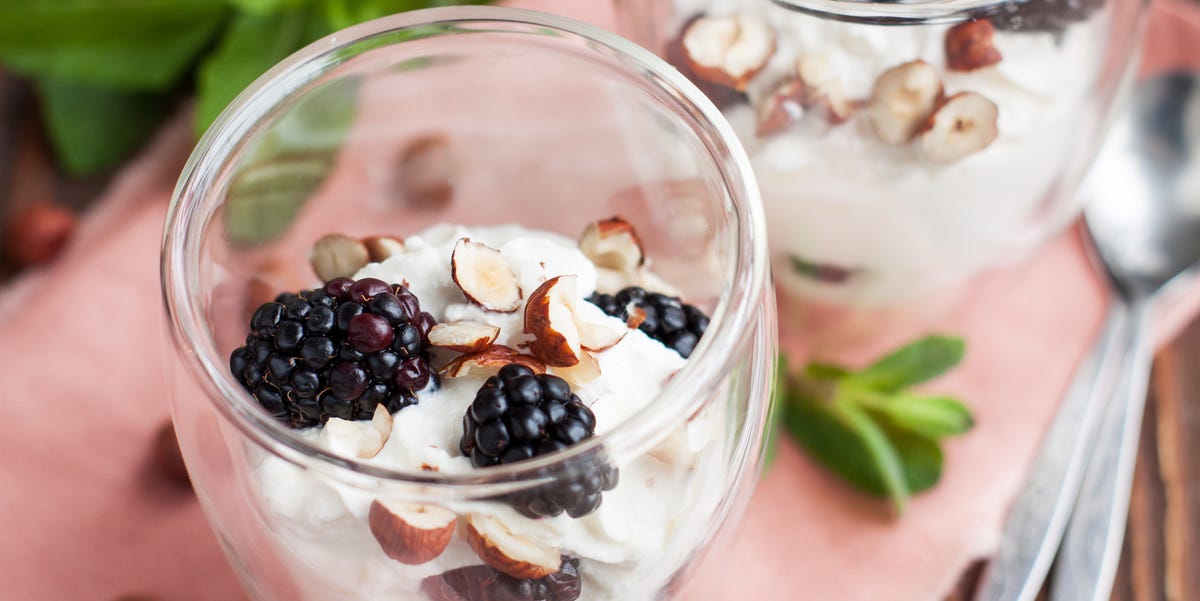
A measured serving may be only a fraction of the cereal bowl you normally fill. Use granola as a topping rather than the entire meal. Sprinkle a few tablespoons over plain Greek yogurt, berries, or unsweetened oatmeal so it provides crunch without becoming a breakfast-sized calorie avalanche.
2. Trail Mix
Traditional trail mix was designed for hikers who were burning energy for hours, not for office workers hiking from the desk to the printer. Nuts and dried fruit are nutritious, but chocolate pieces, sweetened cranberries, coconut chips, and yogurt-coated candies can turn the mix into dessert wearing cargo shorts.
Measure a small portion instead of eating directly from the bag. For greater volume, combine a little trail mix with plain popcorn or fresh fruit. Your snack will last longer, and your hand will not mysteriously discover the bottom of a family-sized package.
3. Flavored Yogurt
Yogurt can provide protein, calcium, and beneficial cultures, but flavored varieties may contain substantial added sugar. Products labeled with words such as vanilla, fruit on the bottom, or honey can taste more like pudding than plain yogurt.
Check the Added Sugars line rather than judging the package by its pastoral cow illustration. Choose plain yogurt and add fresh berries, cinnamon, or a small amount of fruit. The FDA recommends using Nutrition Facts information to compare added sugar and serving sizes between products.
4. Smoothies
A smoothie may contain fruit, which is good. It may also contain juice, sweetened yogurt, nut butter, protein powder, honey, coconut milk, and enough frozen banana to feed a small monkey sanctuary. Once blended, those calories are easy to drink quickly and may not feel as filling as a solid meal.
Build a smarter smoothie with one portion of fruit, plenty of leafy greens, an unsweetened liquid, and one protein source. Measure calorie-dense additions instead of inviting peanut butter to jump into the blender unsupervised. Cleveland Clinic dietitians note that smoothies can quickly shift from nutritious to calorie-heavy depending on the ingredients.
5. Smoothie and Acai Bowls
A smoothie bowl is often a smoothie with accessories. Granola, coconut flakes, honey, nut butter, seeds, chocolate chips, and multiple fruits may all appear on top. Because the bowl looks colorful and photogenic, it is easy to overlook the fact that it may contain the energy of a large mealor more.
Choose one or two toppings instead of collecting the full buffet. Ask for unsweetened acai, keep granola portions modest, and select either nut butter or coconut rather than both. Your breakfast does not need to resemble a tropical gift basket.
6. Protein and Energy Bars
Protein bars are convenient, but convenience does not automatically make them ideal for weight loss. Some bars contain generous amounts of syrup, chocolate coatings, oils, and refined starches. A bar may provide useful protein, yet still resemble a candy bar in calories and added sugar.
Compare labels for calories, protein, fiber, and added sugar. Choose bars that satisfy hunger rather than simply tasting like frosted birthday cake compressed into a rectangle. MedlinePlus warns that many exercise bars are high in sugar, fat, and calories while offering limited fiber.
7. Nut Butter
Peanut, almond, and cashew butters provide protein and unsaturated fats, but a casual spoonful can be significantly larger than the serving listed on the jar. Add a second spoonful, spread it thickly on toast, and pair it with a smoothie, and your “light breakfast” may become unexpectedly substantial.
Measure nut butter occasionally until you can recognize a reasonable portion. Spread it on apple slices or whole-grain toast and pair it with a protein-rich food. Also check the ingredient list for added sugar and oils when choosing a product.
8. Nuts
Nuts are nutrient-dense and can be an excellent snack. They are also calorie-dense, which makes the difference between a small handful and several handfuls important. An Academy of Nutrition and Dietetics resource notes that a one-ounce portion generally provides about 160 to 180 calories.
Preportion nuts into small containers rather than carrying the entire package to the couch. Choose plain or lightly seasoned varieties, since sweet coatings and heavy salt can make mindless eating even easier.
9. Dried Fruit
Dried fruit contains many of the nutrients found in fresh fruit, but removing water concentrates both sweetness and calories. It also shrinks the volume, so eating several dried apricots or handfuls of raisins takes considerably less time than eating the equivalent amount of fresh fruit.
Use dried fruit as an accent in oatmeal, salads, or homemade trail mix. Select unsweetened versions and combine them with foods containing protein or fiber. For everyday snacking, fresh fruit usually provides more volume and water.
10. Avocado Toast
Avocado toast can be balanced and satisfying. Trouble begins when thick restaurant bread meets an entire avocado, olive oil, cheese, seeds, bacon, and a couple of eggs. At that point, breakfast has developed a supporting cast and negotiated a feature-length contract.
Use one slice of whole-grain bread, a moderate layer of avocado, and a lean protein topping such as an egg or cottage cheese. Avocado remains a nutritious choice; portion awareness simply keeps the meal aligned with your energy needs.
11. Whole-Grain Bagels
Whole grains can provide more fiber and nutrients than refined grains, but a large whole-grain bagel is still large. Some bakery bagels contain considerably more bread than two standard slices, and cream cheese, butter, or sweetened spreads add further calories.
Choose a smaller bagel, eat half with eggs or yogurt, or use a thin bagel for sandwiches. Look for whole grain near the beginning of the ingredient list rather than trusting a brown color and a few strategically placed oats.
12. Flavored Instant Oatmeal
Plain oats are a useful whole grain, but flavored packets may include added sugar, sweetened fruit pieces, and small serving sizes that encourage people to prepare two packets. Adding brown sugar, honey, dried fruit, and nut butter can further transform oatmeal into a warm dessert.
Start with plain rolled or quick oats. Add cinnamon, berries, chopped apple, or a small amount of nuts. Include Greek yogurt, milk, or another protein source to make the meal more satisfying.
13. Fat-Free Snack Foods
Fat-free cookies, muffins, frozen desserts, and snack cakes are not calorie-free. Removing fat may lead manufacturers to use more sugar, starch, or other ingredients to preserve flavor and texture. The “fat-free” label can also create a psychological permission slip to eat twice as much.
Compare total calories, serving size, fiber, and added sugarnot just fat grams. Cleveland Clinic cautions that some fat-free products compensate with added sweeteners and may still supply plenty of empty calories.
14. Gluten-Free Packaged Snacks
Gluten-free foods are essential for people with celiac disease and useful for certain medically diagnosed conditions. For everyone else, the label is not a weight-loss guarantee. Gluten-free cookies, crackers, muffins, and breads may contain refined starches, added sugar, and similar or higher calories than conventional products.
Choose gluten-free whole foods such as beans, potatoes, fruit, vegetables, eggs, fish, and plain rice when appropriate. When buying packaged products, read the Nutrition Facts panel just as carefully as you would for any other snack.
15. Restaurant Salads
A salad sounds light until it arrives topped with fried chicken, cheese, bacon, tortilla strips, candied nuts, dried fruit, avocado, croutons, and a creamy dressing. The lettuce is still present, bravely performing administrative duties beneath the toppings.
Choose grilled protein, request dressing on the side, and select two calorie-dense toppings instead of seven. Adding beans, vegetables, or lean protein can improve satisfaction without turning the salad into nachos with leaves.
16. Bottled Salad Dressing
Dressing helps vegetables taste better, which is valuable. However, pouring directly from the bottle makes it difficult to judge the portion. Sweet vinaigrettes may contain added sugar, while creamy dressings can be calorie-dense.
Measure a serving or use the fork-dipping method: Dip the fork lightly into dressing before picking up the salad. You can also make a simple dressing with vinegar, lemon juice, herbs, and a measured amount of olive oil.
17. Veggie Chips
The word veggie can perform impressive marketing gymnastics. Many veggie chips are primarily potato starch, flour, oil, and vegetable powder. They may not contain much more fiber or protein than ordinary chips, yet their healthy image can encourage larger portions.
Check whether vegetables actually appear near the beginning of the ingredient list. For crunch, try sliced bell peppers, carrots, roasted chickpeas, or plain popcorn. Enjoy chips when desired, but treat them as chipsnot as a portable salad.
18. Plant-Based Meat Alternatives
A plant-based label does not always mean low-calorie or minimally processed. Some meat alternatives contain significant fat, sodium, refined oils, or starches. They can fit into a balanced diet, but they should not be treated as unlimited simply because a pea appears on the package.
Compare products for serving size, calories, protein, saturated fat, sodium, and ingredients. Beans, lentils, tofu, and tempeh are often less processed alternatives when you want plant-based protein.
19. Sushi Rolls
Fish, rice, and vegetables can make a nutritious meal, but specialty rolls often add tempura, cream cheese, spicy mayonnaise, sweet sauces, and large amounts of rice. Eating several rolls may produce far more food than expected because each piece looks harmlessly small.
Choose sashimi, simple tuna or salmon rolls, cucumber rolls, miso soup, or edamame. Order one specialty roll to share instead of making three fried rolls your personal trilogy.
20. Fruit Juice, Sports Drinks, and Vitamin Waters
Fruit juice contains vitamins, and sports drinks can be useful during prolonged, vigorous exercise. For routine hydration, however, these beverages may add calories without providing the fullness of whole fruit or a solid meal. Sweetened vitamin waters and bottled teas can also contain considerable added sugar.
The CDC identifies sugary beverages as a leading source of added sugars in the American diet and links frequent intake with weight gain and other health risks. Water, sparkling water, and unsweetened tea are better everyday choices for most people.
How to Eat These Foods Without Gaining Unwanted Weight
You do not need a food blacklist. Instead, use a few repeatable habits:
- Check the serving size first. A package may contain two or more servings, even when it looks like a single portion.
- Read added sugar, fiber, and protein. These numbers reveal more than marketing phrases on the front.
- Measure calorie-dense foods occasionally. Nuts, oils, granola, dressing, and nut butter are easy to underestimate.
- Prefer solid foods over liquid calories. Whole fruit and balanced meals generally require more chewing and provide greater volume.
- Build meals around protein and produce. Then add grains and fats in amounts that fit your appetite and activity.
- Judge patterns, not isolated foods. Healthy eating is determined by habits over time, not by one bagel or weekend brunch.
Current U.S. guidance emphasizes minimally processed foods, fruits, vegetables, whole grains, protein foods, and appropriate portions while limiting highly processed products and added sugars.
Experience-Based Lessons: Why “Eating Healthy” Sometimes Does Not Work
A common weight-management experience begins with good intentions. Someone replaces sugary cereal with granola, swaps a breakfast sandwich for avocado toast, and starts drinking smoothies after workouts. Lunch becomes a restaurant salad, and afternoon hunger is handled with trail mix or a protein bar. Every choice appears healthier than what came before, yet weight slowly increases.
The problem is rarely dishonesty or lack of discipline. More often, the person has improved food quality without noticing how portions and combinations changed total calorie intake. A large smoothie may contain fruit, milk, nut butter, yogurt, and protein powder. Each ingredient is defensible on its own. Together, they may equal a full mealbut the smoothie is often consumed with breakfast rather than instead of it.
Another frequent experience involves “healthy handfuls.” A handful of nuts at 10 a.m., trail mix after lunch, granola sprinkled over yogurt, and peanut butter added to an evening snack may not feel excessive. Because these foods are nutritious, people often stop mentally counting them. Yet calorie-dense ingredients remain calorie-dense even when they have excellent résumés.
Restaurant meals create a similar blind spot. Ordering a salad can feel like the responsible choice, so diners may pay less attention to toppings and dressing. The salad arrives with fried protein, cheese, candied nuts, tortilla strips, avocado, and several ounces of dressing. Meanwhile, a simpler grilled entrée with vegetables might have been easier to estimate and equally satisfying.
People also report being surprised when low-fat or gluten-free snacks do not help with weight loss. These labels describe one characteristic; they do not summarize the entire nutritional profile. A gluten-free cookie remains a cookie. A fat-free muffin can still contain refined flour and added sugar. Marketing language often answers a question consumers never asked while distracting them from serving size and calories.
The most useful turning point is usually not eliminating all these foods. It is introducing visibility. Measuring granola for a week shows what a listed serving looks like. Pouring salad dressing into a spoon reveals how different it is from a generous freehand pour. Preparing a smoothie with one fruit, one protein source, vegetables, and an unsweetened liquid makes the recipe easier to repeat and evaluate.
Another effective experience is changing the order of decision-making. Instead of asking, “Is this food healthy?” ask, “What role does this food play in this meal?” Nut butter may be the main fat. Granola may be the crunchy carbohydrate. Avocado may replace cheese or mayonnaise rather than joining both. When every ingredient has a job, meals become balanced instead of becoming a reunion for every superfood in the pantry.
Finally, successful weight management tends to become easier when people stop expecting perfection. A specialty sushi roll, sweetened yogurt, or bakery bagel can fit into an overall eating pattern. The goal is to enjoy it intentionally, recognize its portion, and adjust surrounding choicesnot to declare the food forbidden and then spend three days thinking about it.
Conclusion
The most misleading diet foods are not necessarily unhealthy. Many provide protein, fiber, healthy fats, vitamins, or minerals. They become a problem when their portions, toppings, sweeteners, or liquid format make it easy to consume more energy than you realize.
Granola can be a topping. Nuts can be a measured snack. Avocado can replace another rich ingredient. Smoothies can be built like meals instead of blended buffets. The solution is not fear; it is awareness.
Read the complete label, notice how much you actually eat, and remember that a healthy package cannot negotiate with calorie balance on your behalf. Your diet does not need fewer enjoyable foods. It needs fewer surprises.