Dog diarrhea is the kind of surprise nobody puts on their vision board. One minute your pup is wagging like a metronome, the next you’re staring at a
puddle of “why now?” on the carpet. The good news: you can clean it up safely, get rid of the smell, and disinfect the right waywithout turning your
living room into a chemical war zone.
This guide walks you through 10 practical steps for cleaning dog diarrhea from common surfaces (carpet, rugs, hard floors, bedding,
upholstery, and outdoors), plus what to do after the mess so it doesn’t become a repeat performance. I’ll keep it real, keep it effective, and keep it
as gross-free as humanly possible.
Before You Start: Quick Safety Notes (Because Germs Don’t Take Days Off)
Dog poop can carry germs (and diarrhea is basically poop on “easy mode”), so treat cleanup like you’re handling raw chickenonly with more emotional
damage. If anyone in your home is immunocompromised, pregnant, elderly, or a young child, extra caution matters. If your dog has bloody diarrhea
or seems sick, skip the DIY bravado and call your vet.
Grab these supplies
- Disposable gloves (two pairs if you’re a “better safe than sorry” person)
- Paper towels or disposable rags
- Plastic scraper / old spatula / sturdy cardboard (for lifting solids)
- Trash bags (small bag + larger “double bag” option)
- Enzymatic pet cleaner (for breaking down organic residue and odor)
- Mild dish soap
- White vinegar (optional, for deodorizing and light cleaning)
- Baking soda (for odor absorption)
- Disinfectant appropriate for your surface (or properly diluted bleach for hard, non-porous surfaces)
- Old towels + a fan (drying matters more than you think)
10 Steps to Clean Up Dog Diarrhea (Without Losing Your Mind)
Step 1: Contain the scene (and your dog)
First: move your dog to a safe spot (crate, bathroom, gated area). You’re not “banishing” themyou’re preventing paw prints that look like a crime-scene
reenactment. Open windows if you can, and keep kids and other pets away from the area.
Step 2: Suit upgloves on, hero cape optional
Put on gloves before touching anything. If you’re dealing with a large mess or strong odor, consider a mask too. The goal is to avoid direct contact and
reduce inhaling aerosolized particles while scrubbing.
Step 3: Remove solids the right way (lift, don’t smear)
Use a scraper, cardboard, or paper towels to lift any solid bits. Work from the outside of the mess inward to avoid spreading it. Deposit waste directly
into a lined trash bag.
Pro tip: If it’s on carpet or upholstery, resist the urge to “wipe.” Wiping presses the mess deeper into fibers. Think “scoop and blot,”
not “paintbrush.”
Step 4: Absorb liquidsblot like you’re defusing a bomb
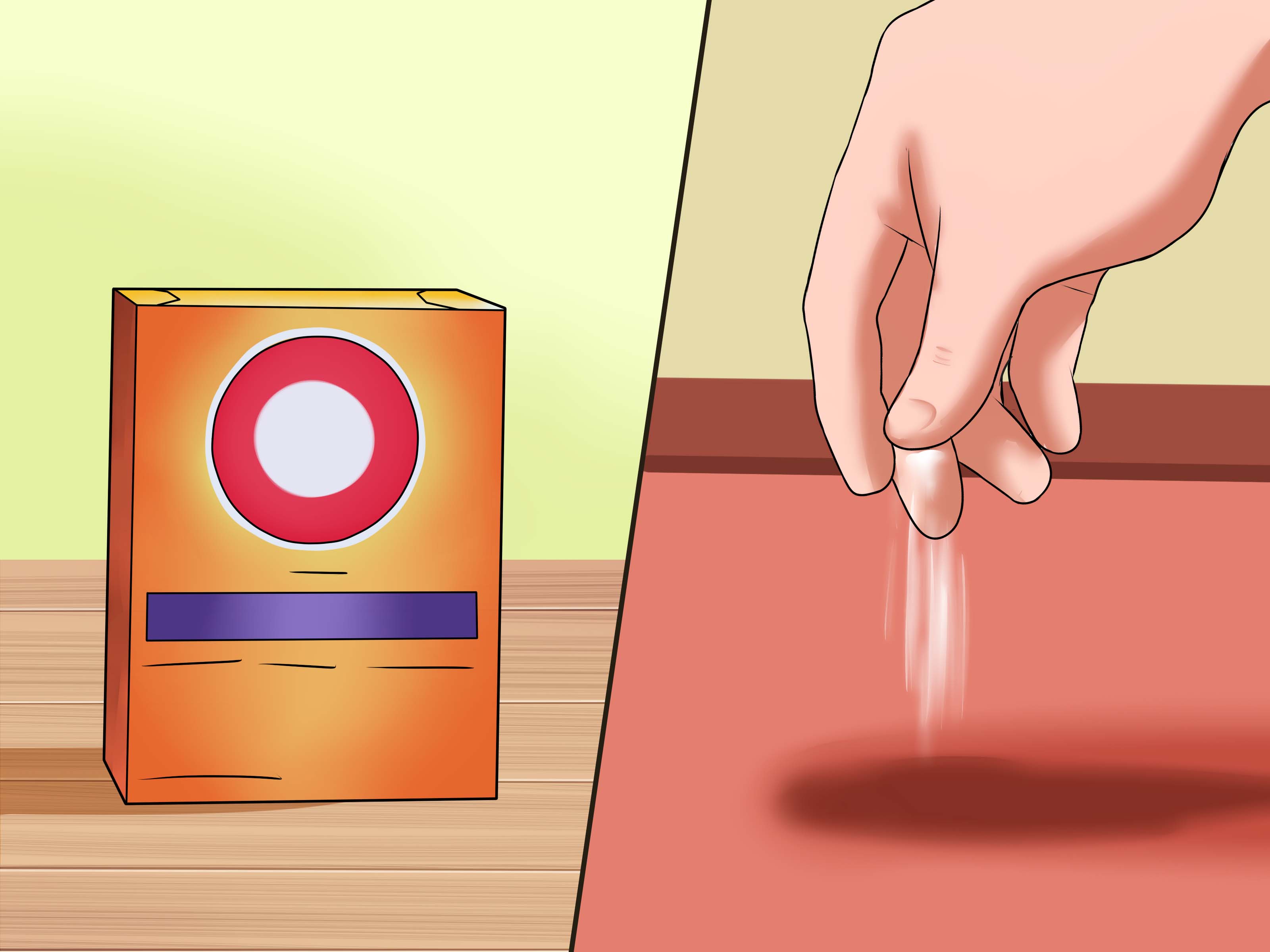
Place paper towels on top and press firmly to soak up as much liquid as possible. Swap towels frequently. If the mess is especially wet, you can sprinkle
baking soda (or even kitty litter in a pinch) over the area for a few minutes to help absorb moisture, then vacuum once it’s drier.
Step 5: Rinse and blot (especially on carpet and fabric)
For carpet, rugs, and upholstery: lightly dampen a clean cloth with cool water and blot. Cool water helps prevent setting stains (hot water
can make certain organic stains cling). Don’t flood the areaover-wetting pushes mess deeper and can damage padding underneath.
Step 6: Wash with a gentle cleaner (soap + water goes a long way)
Mix a small amount of mild dish soap with water. Apply with a cloth and blot the area. Then blot with plain water to remove soap residue.
Soap residue can attract dirt later, turning your cleanup victory into a “why is this spot always darker?” mystery.
Step 7: Use an enzymatic cleaner (this is where odor dies)
After basic cleaning, apply an enzymatic pet cleaner according to the label. Enzyme products break down the organic material that causes
lingering odormeaning they don’t just cover the smell; they remove what’s making it.
For carpet/rugs: apply enough enzyme cleaner to reach the same depth as the mess. Let it sit for the recommended “dwell time” (often 10–15 minutes or more).
Then blot again and let it air dry. If odor remains once dry, repeatold stains sometimes need a second pass.
Step 8: Disinfect hard, non-porous surfaces (floors, tile, sealed surfaces)
If the accident happened on tile, sealed hardwood, vinyl, laminate, or other non-porous surfaces:
clean first (soap + water), then disinfect. Disinfectants work best after grime is removed.
If you choose diluted bleach, use a proper dilution and never mix bleach with ammonia or other cleaners. Apply, allow appropriate contact time (per product
instructions), then rinse if needed and let dry fully before pets return.
Important: Avoid bleach on many porous surfaces (unsealed wood, some stone, fabrics) and on carpets/rugs. For those, stick to enzyme cleaners
and fabric-safe products.
Step 9: Deodorize and dry completely (drying is a cleanup step)
Moisture left behind can cause smells to linger and can even encourage mold in carpet padding. Once you’ve cleaned and treated:
- Blot as dry as possible with clean towels
- Sprinkle baking soda lightly once the surface is only slightly damp
- Let it sit for a few hours (or overnight), then vacuum
- Run a fan or dehumidifier to speed drying
If you can still smell it after it’s completely dry, that’s your cue the residue is still there. Another enzyme round usually solves it.
Step 10: Clean yourself, the tools, and the “splash zone”
Yes, you’re done with the floorbut not done with the germs. Finish strong:
- Seal waste bag(s) tightly and take them to an outdoor trash bin
- Wash reusable tools (scraper, bucket) with hot soapy water, then disinfect if appropriate
- Remove gloves carefully (inside-out), then wash hands thoroughly with soap and water
- Launder towels/rags used in cleanup in warm/hot water if the fabric allows
Surface-Specific Tips (Because Carpet Is Dramatic)
Cleaning dog diarrhea from carpet or rugs
- Don’t rub. Blot to lift; rubbing drives mess into fibers.
- Don’t over-wet. Too much liquid can soak the padding and extend odor problems.
- Use enzymes. They’re the best bet for odor and residue control.
- Consider extraction. If it soaked through, a wet/dry vac or carpet extractor can helpjust don’t use steam until the mess is fully removed.
Cleaning dog diarrhea from hardwood floors
Wipe up immediately and avoid soaking seams. Clean with a hardwood-safe cleaner (or mild soap + water), then disinfect only if the finish can tolerate it.
Unsealed wood is porousdisinfecting harshly can damage it, so stick with gentle cleaning and quick drying.
Cleaning dog diarrhea from upholstery
Check fabric care tags first. Blot, use small amounts of cleaner, and prioritize enzyme products that are upholstery-safe. Test in a hidden spot to avoid
discoloration. If the mess penetrated cushion foam deeply, persistent odor may require professional cleaning.
Cleaning dog diarrhea outdoors (grass, patio, concrete)
Pick up solids, then rinse the area with water. On concrete/pavers, a mild detergent scrub and rinse usually works; enzyme outdoor pet-waste treatments can
help with lingering odor. On grass, rinse and let sunlight do some of the heavy lifting.
When Dog Diarrhea Is a “Call the Vet” Situation
Cleanup is one thingyour dog’s health is the real headline. Contact your vet promptly if your dog has:
- Blood in the stool (bright red or black/tarry)
- Repeated vomiting, severe lethargy, fever, or obvious abdominal pain
- Signs of dehydration (dry/tacky gums, weakness, not drinking, sunken eyes)
- Diarrhea lasting more than a day (especially in puppies, seniors, or dogs with chronic conditions)
- Possible toxin exposure, foreign object ingestion, or sudden severe diarrhea
If you’re unsure, call your vet and describe what you’re seeing. You don’t need to diagnose anythingjust give a clear timeline and symptoms.
How to Reduce Repeat Accidents (Because Once Is Enough)
- Adjust food slowly: Sudden diet changes can trigger stomach upset.
- Watch for “trash treasure”: Scavenging is a common cause of diarrhea.
- Hydration matters: Diarrhea can dehydrate dogs quickly.
- Short, frequent potty breaks: Until stool firms up, more opportunities help prevent accidents.
- Clean thoroughly: If odor remains, dogs may return to the same spot.
FAQ
What’s the best cleaner for dog diarrhea smell?
In most homes, an enzymatic pet cleaner is the most reliable option because it breaks down the organic material causing the odor.
Baking soda can help absorb leftover smells after the area is mostly dry.
Can I use bleach on dog diarrhea?
Bleach can disinfect hard, non-porous surfaces when properly diluted and used safely. It’s generally not a good choice for carpet, rugs,
and many fabrics, and it can damage unsealed wood or stone. Always keep pets away until surfaces are fully dry and ventilated.
Should I steam-clean the spot?
Steam can set stains and odors if used too early. Only steam-clean after you’ve fully removed solids, thoroughly cleaned, and treated with enzyme cleaner.
If the mess soaked into padding, extraction often helps more than steam.
Real-Life Cleanup Experiences ( of “Been There” Wisdom)
Ask any long-time dog owner about diarrhea cleanup and you’ll get the same haunted look people reserve for group projects and surprise dentist visits.
The mess itself is only half the storythe other half is the moment you realize you’re out of paper towels and your dog is trying to “help.”
Over time, pet parents tend to develop a routine that’s equal parts strategy and emotional resilience.
One common lesson: speed matters, but technique matters more. People who rush in and wipe usually end up spreading the mess and grinding it
deeper into carpet fibers. The owners who have the easiest recoveries are the ones who treat it like a spill: scoop first, blot second, clean in controlled
steps. It’s not glamorous, but it prevents that lingering “something happened here” smell that can hang around for days.
Another shared experience is the “odor comeback.” Many owners report the spot smells fine while damp, then the smell returns once it dries. That’s usually
because residue is still present below the surface. The fix is almost always the same: repeat the enzyme treatment and let it fully dry again. Enzyme
cleaners aren’t instant magic; they’re more like tiny, hardworking assistants that need time to do their job. People who let the product sit for the full
recommended timeand use enough product to reach the depth of the messget better results than those who do a quick spritz and hope for the best.
Dog owners also swap stories about surface surprises. Tile is straightforward, but grout lines can trap gunk. Upholstery looks clean until
you sit down and realize it’s not. Hardwood can warp if over-wet. The owners who feel most “in control” keep a small kit on hand: gloves, bags, a scraper,
paper towels, and an enzyme cleaner. It’s the pet version of a first-aid kitexcept the emergency is your rug’s dignity.
There’s also the emotional side: many people feel guilty, frustrated, or worriedespecially if the accident happens overnight or repeatedly.
The more experienced owners tend to reframe it: diarrhea is a symptom, not a moral failing. They focus on hydration, watch energy levels, note stool changes,
and call the vet if red flags show up. That mindset helps you act quickly without spiraling into panic (or blaming the dog, who is almost certainly not
enjoying this either).
Finally, the most repeated “wish I’d known earlier” tip is this: drying is part of cleaning. Fans, open windows, and patience prevent
odors from lingering. Many owners say the best cleanup they ever did was the one where they finished with airflow and waited until everything was truly dry
before declaring victory. Because if there’s one universal truth about dog diarrhea, it’s this: it’s never impressed by half measures.