Note: This article is written in standard American English for web publication and is free of citation placeholders or unnecessary source-code elements.
Checkered tea spoons may be small, but they haveust spoonstiny, practical, and usually responsible for stirring sugar into tea, scooping jam, or rescuing the last heroic bite of tiramisu. But add a checkerboard pattern, and suddenly the humble teaspoon becomes a design statement. It says, “Yes, I care about my flatware,” but in a charming way, not in a “please remove your shoes before entering my kitchen” way.
The appeal of checkered tea spoons sits at the intersection of function, nostalgia, and playful home design. Checkerboard patterns have long been associated with diners, bistro floors, chessboards, racing flags, vintage kitchens, and bold graphic interiors. When that familiar pattern appears on a small everyday item like a teaspoon, it brings a dose of visual fun without demanding that you repaint the whole dining room or explain to your spouse why the backsplash now looks like a stylish chess tournament.
Today, patterned flatware and decorative spoons are becoming more popular among homeowners who want everyday objects to feel curated. A checkered teaspoon can work with modern table settings, cottage kitchens, colorful brunch spreads, retro coffee bars, and black-and-white minimalist spaces. It is proof that tiny details can do some very heavy lifting.
What Are Checkered Tea Spoons?
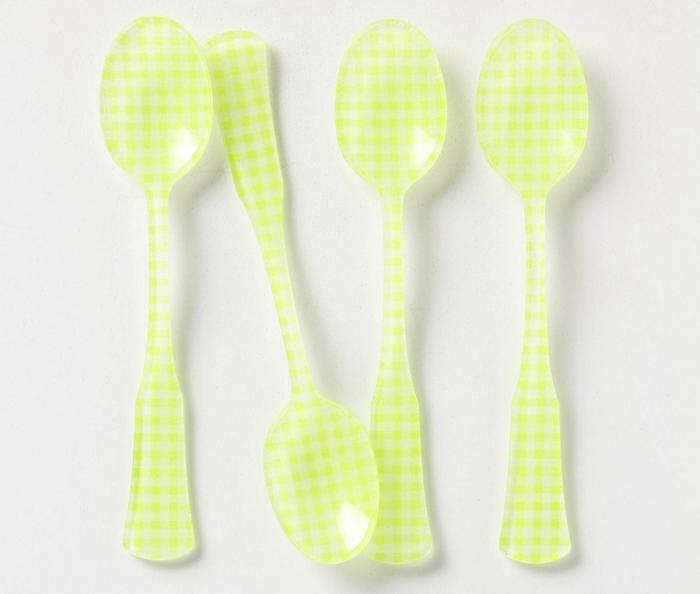
Checkered tea spoons are small spoons featuring a checkerboard, check, gingham-inspired, or alternating-square pattern. The design may appear on the handle, bowl, enamel coating, resin accent, ceramic top, or decorative grip. Some are black and white, while others use softer combinations like cream and taupe, pink and red, blue and white, green and ivory, or metallic finishes with subtle check details.
In practical terms, they are used just like regular teaspoons. They stir tea, coffee, hot chocolate, matcha, lemonade, cocktails, and dessert sauces. They also work for serving honey, sugar, preserves, yogurt toppings, espresso foam, condiments, or tiny desserts. In design terms, however, they are much more theatrical. They are the kitchen equivalent of socks with personality: useful, small, and weirdly capable of making people smile.
Why the Checkerboard Pattern Works So Well
The checkerboard pattern has a simple visual structure: alternating squares arranged in a grid. That structure gives it rhythm, contrast, and movement. Because the pattern is so recognizable, it can feel classic and playful at the same time. It is bold enough to catch the eye but orderly enough not to look chaotic.
That balance is exactly why checkered tea spoons are easy to style. They bring pattern to the table without overwhelming it. A full checkered wall might be a commitment. A checkered teaspoon? That is a wink. It introduces energy, but it still lets your plates, mugs, napkins, and food remain the main event.
Classic Black and White
Black-and-white checkered tea spoons are the most iconic option. They feel crisp, graphic, and slightly retro. They pair beautifully with white stoneware, black mugs, marble countertops, clear glass cups, and chrome or stainless steel kitchen accents. If your kitchen already has contrastblack cabinet pulls, white tile, dark countertopsthese spoons will look intentional rather than random.
Colorful Checks
Colorful checkered spoons feel warmer and more casual. Red and white checks bring picnic energy. Blue and white checks feel coastal and fresh. Green checks lean garden-party chic. Pink checks look sweet with desserts, floral plates, or afternoon tea setups. These versions are great for anyone who wants tableware that feels cheerful instead of formal.
Muted and Modern Checks
For a softer look, choose beige, gray, cream, brown, or muted sage checks. These give the same patterned effect without the sharpness of high contrast. They work especially well in modern farmhouse kitchens, Scandinavian-inspired spaces, and neutral homes where every object seems to have been calmly approved by a linen-loving interior designer.
Materials to Look For
Not all checkered tea spoons are made the same way. Some are sturdy everyday pieces, while others are more decorative and should be treated with the tenderness usually reserved for vintage teacups and emotionally fragile houseplants.
Stainless Steel
Stainless steel is the most practical choice for everyday use. High-quality stainless steel resists rust, staining, and tarnish better than many other materials. Many flatware buyers look for 18/10 stainless steel because it contains chromium and nickel, which help with shine and corrosion resistance. A good stainless steel teaspoon should feel balanced in the handnot too flimsy, not so heavy that stirring tea becomes arm day.
Enamel
Enamel checkered spoons are popular because they hold color beautifully. They often have a hand-finished, artisan look and can make even a basic mug of Earl Grey feel like it was served in a boutique hotel. The downside is that enamel can chip if handled roughly. If the product instructions recommend handwashing, believe them. The dishwasher may be convenient, but it has the emotional sensitivity of a garbage disposal.
Resin or Acrylic Handles
Some checkered tea spoons feature resin or acrylic handles attached to stainless steel bowls. These can be stylish, lightweight, and available in many colors. They are excellent for decorative table settings, coffee bars, and gift sets. However, resin handles may not always love high heat or aggressive dishwasher cycles, so care instructions matter.
Ceramic Details
Ceramic-handled teaspoons or ceramic-topped spoons are charming and collectible. They look beautiful on open shelving, in a tea station, or beside a dessert tray. They may be less practical for daily rough-and-tumble use, but they make up for it by looking like they belong in a lifestyle magazine spread titled “I Have My Life Together, Mostly.”
How to Style Checkered Tea Spoons
The best thing about checkered tea spoons is that they are easy to use as accents. You do not need a fully matched dinnerware set. In fact, they often look better when they create a small surprise on the table.
Pair Them With Plain White Mugs
A white mug and a checkered teaspoon are a nearly foolproof combination. The mug provides a clean background, and the spoon becomes the decorative detail. This works especially well for tea, coffee, cocoa, and cappuccino. Add a small plate with a cookie, and suddenly your afternoon snack has more styling confidence than most real estate listings.
Use Them on a Coffee Bar
If you have a coffee station, checkered tea spoons can live in a small jar, cup, or ceramic holder near the sugar bowl. They add pattern without clutter. Pair them with labeled canisters, a honey dipper, linen napkins, or a tiny tray for a polished look. This is one of the easiest ways to make a kitchen corner feel curated.
Mix With Solid Flatware
You do not have to replace your entire flatware drawer. Use checkered spoons as accent pieces with simple stainless steel forks and knives. This approach keeps the table from looking too busy while still creating a fun focal point. It also lets you test the look before committing to a full patterned set.
Create a Tea Party Theme
Checkered tea spoons are made for tea parties, brunches, bridal showers, birthdays, garden gatherings, and dessert tables. They pair well with tiered trays, scones, jam, lemon slices, sugar cubes, macarons, and small cakes. Use them with gingham napkins for a coordinated look, or contrast them with floral plates for a more whimsical setup.
Best Uses for Checkered Tea Spoons
Although the name suggests tea, these spoons are surprisingly versatile. Their size makes them suitable for many small-serving tasks around the kitchen and table.
Hot Drinks
They are ideal for stirring tea, coffee, espresso drinks, chai, hot chocolate, and warm cider. A patterned spoon adds charm to an otherwise ordinary drink, especially when guests are over.
Desserts
Use checkered teaspoons for mousse, pudding, yogurt parfaits, mini trifles, ice cream, panna cotta, or fruit cups. Their small size encourages slower bites, which is very elegant unless you are eating the dessert directly in front of the fridge at midnight. No judgment.
Condiments and Toppings
They are handy for serving honey, jam, mustard, relish, chutney, sauces, whipped cream, chocolate shavings, sprinkles, chopped nuts, or cinnamon sugar. A dedicated small spoon keeps jars tidy and makes breakfast or brunch feel more thoughtful.
Gift Baskets
Checkered tea spoons make excellent additions to gift baskets. Pair them with loose-leaf tea, coffee beans, a mug, honey, shortbread, linen napkins, or a small tray. They are affordable enough to feel approachable but distinctive enough to seem personal.
How to Choose the Right Checkered Tea Spoons
When shopping for checkered tea spoons, look beyond the pattern. A spoon can be adorable and still feel awkward, sharp, flimsy, or annoying to wash. The best pieces combine beauty with everyday usability.
Check the Weight
A good teaspoon should feel comfortable and balanced. If it is too light, it may feel cheap. If it is too heavy, it may tip out of cups or feel clunky. For daily use, medium-weight spoons are usually the safest choice.
Look at the Bowl Shape
A rounded bowl works well for stirring and scooping. A narrow bowl can be elegant for espresso cups or tea glasses. A deeper bowl is better for desserts and toppings. If you plan to use the spoons for multiple purposes, choose a classic shape.
Inspect the Handle
The handle is where most checkered designs appear, so make sure it feels smooth. Avoid rough seams, sharp edges, or patterns that look like they may peel quickly. If the checkered detail is painted, coated, or applied, read the care instructions carefully.
Think About Dishwasher Safety
Many stainless steel teaspoons are dishwasher-safe, but decorative finishes can change the rules. Enamel, gold accents, resin handles, painted details, and vintage-style coatings may last longer with handwashing. If you want spoons for daily family use, choose a durable dishwasher-safe option. If you want them for display, entertaining, or occasional tea service, you can afford to be more delicate.
Care and Cleaning Tips
To keep checkered tea spoons looking fresh, wash them soon after use, especially if they touch acidic foods, salty sauces, tea stains, or sticky syrups. Do not let them sit in water overnight. Even stainless steel appreciates basic manners.
If the spoons are dishwasher-safe, place them with enough space between pieces so water can circulate. Dry them promptly to reduce spotting. For enamel or decorative handles, handwash with mild soap and a soft sponge. Avoid abrasive pads because they can scratch glossy surfaces or dull the pattern.
For stubborn tea stains, a gentle baking soda paste can help on plain stainless steel areas. Be careful with decorated parts, though. The goal is to clean the spoon, not exfoliate it into retirement.
Design Ideas for Different Home Styles
Modern Kitchens
In a modern kitchen, black-and-white checkered tea spoons add graphic contrast. Pair them with sleek mugs, matte black accessories, glass jars, and simple white plates. Keep the surrounding palette minimal so the pattern feels crisp rather than crowded.
Farmhouse Kitchens
For farmhouse style, try cream, red, blue, or green checkered spoons. They look charming with butcher block counters, ceramic pitchers, woven baskets, open shelves, and vintage-inspired textiles. Add them to a coffee bar for a cozy, lived-in look.
Eclectic Homes
Eclectic spaces can handle bolder versions. Mix checkered spoons with floral plates, colorful glassware, striped napkins, or unusual mugs. The key is repetition: repeat at least one color from the spoon elsewhere on the table so the look feels intentional.
Minimalist Spaces
Even minimalists can enjoy checkered tea spoons. Choose a subtle tonal pattern, such as gray and white or beige and cream. This adds texture without breaking the calm mood of the room.
Common Mistakes to Avoid
The first mistake is overmatching. Checkered spoons, checkered mugs, checkered plates, checkered napkins, and a checkered tablecloth can quickly make your breakfast table look like it is auditioning for a board game commercial. Let the spoons be the accent, not the entire personality of the meal.
The second mistake is ignoring scale. Tiny checks feel delicate and refined, while large checks feel bold and playful. Choose the scale that matches your table style. For elegant tea service, smaller checks are usually easier to blend. For casual brunch, oversized checks can be fun.
The third mistake is buying only for looks. A teaspoon still has a job. It should stir well, fit comfortably in cups, and survive normal use. Beauty matters, but nobody wants a spoon that feels like a decorative prop from a dollhouse café.
Experience: Living With Checkered Tea Spoons
The charm of checkered tea spoons becomes most obvious when they move from a product photo into daily life. They may arrive as a small purchase, perhaps added to a cart because they looked cute and the shipping threshold was acting suspiciously persuasive. But once they are in the kitchen, they start getting used more than expected.
One of the best experiences with checkered tea spoons is how easily they upgrade small rituals. Morning coffee feels a little brighter when stirred with a patterned spoon. Afternoon tea feels more intentional. Even a quick bowl of yogurt can look styled when served with a spoon that has personality. These are not dramatic lifestyle changes. No one becomes a better person because of a teaspoon. But small objects can make ordinary routines feel less automatic, and that matters.
They also become conversation starters. Guests notice them because most people expect spoons to be plain. A checkered handle peeking out of a mug catches the eye. Someone may ask where they came from, whether they are vintage, or whether they are part of a larger set. This is the magic of small design details: they invite attention without demanding it.
In practical use, the best checkered tea spoons are the ones that feel sturdy enough for everyday stirring but special enough to leave out on display. A small cup of them near a coffee maker can make the whole counter look more finished. They are especially useful when hosting brunch. Set them beside a sugar bowl, honey jar, jam dish, or dessert platter, and the table immediately feels more thoughtful.
There is also something nostalgic about them. Checkerboard patterns often remind people of diners, old kitchens, picnic blankets, ice cream shops, chessboards, or vintage floors. That familiarity gives the spoons warmth. They do not feel cold or overly designed. They feel cheerful, slightly retro, and a little mischievousas if your flatware drawer decided to wear tap shoes.
Of course, living with decorative spoons teaches a few lessons. If the spoons have enamel or painted handles, handwashing may be the wiser choice. If they are tossed into the dishwasher with heavy knives and metal utensils, the finish may wear faster. It helps to keep them separate or use them for drinks and desserts rather than every messy cooking task. A checkered teaspoon can stir marinara sauce, but that does not mean it dreams of that career path.
The most satisfying part is their flexibility. They can look elegant with porcelain cups, casual with chunky mugs, playful with colorful plates, and classic with white dishes. They can belong in a holiday cocoa station, a summer lemonade tray, or a quiet Monday morning coffee routine. They are small, affordable, and easy to store, but they deliver a surprising amount of style.
In the end, checkered tea spoons are not about necessity. Plain spoons work perfectly well. But homes are not built on necessity alone. They are built on little choices that make daily life more pleasant: the mug you reach for first, the napkin that matches the season, the tray that makes snacks feel fancy, and yes, the tiny checkered spoon that somehow makes tea taste more charming.
Conclusion
Checkered tea spoons prove that good design does not need to shout, cost a fortune, or take up much space. With their playful pattern, practical size, and easy styling potential, they bring personality to tea time, coffee bars, dessert tables, brunch spreads, and everyday kitchen routines. Whether you prefer classic black and white, soft neutrals, colorful checks, enamel finishes, or stainless steel durability, these small spoons can make ordinary moments feel more polished and personal.
The key is to choose spoons that match your lifestyle. For everyday use, prioritize durable stainless steel and comfortable weight. For entertaining, consider enamel, resin, ceramic, or colorful decorative handles. For the best visual effect, let them act as accents alongside simpler mugs, plates, and linens. A little pattern goes a long wayespecially when it is stirring your tea.