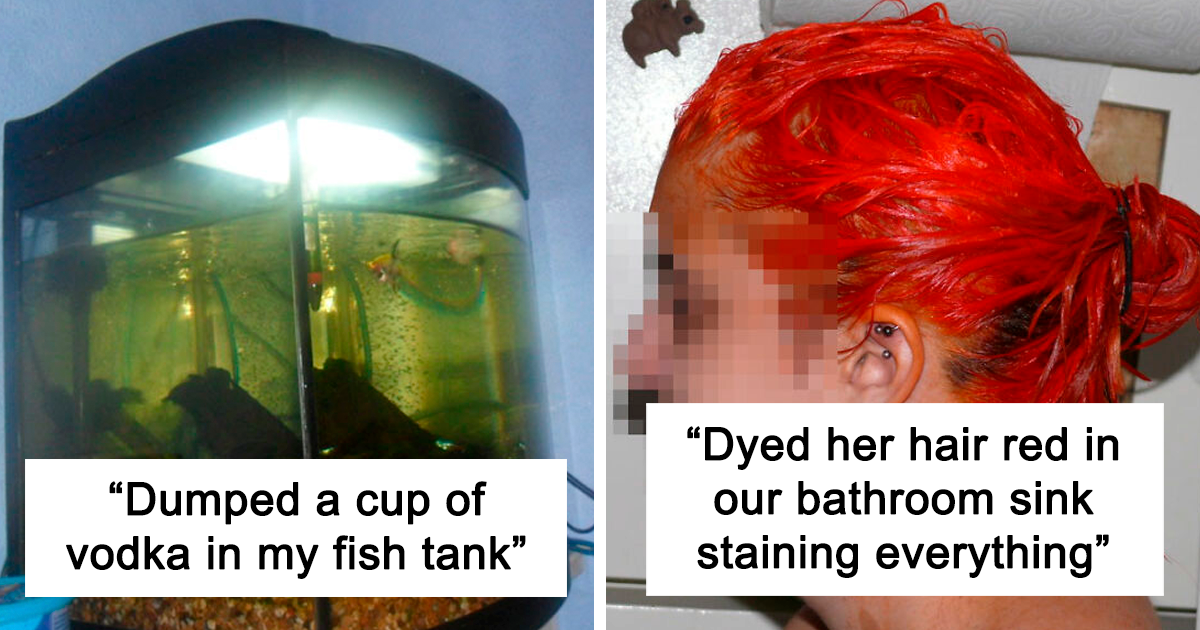
Hosting can be beautiful. You clean the bathroom until it sparkles like it has a real estate agent coming over, buy snacks nobody asked for, fluff pillows like a boutique hotel employee, and tell yourself, “This will be fun.” Then one guest arrives three hours late, another brings an uninvited cousin, someone opens your bedroom closet, and suddenly you are not hostingyou are starring in a manners documentary called What Is Wrong With People?
Disrespectful guests come in many forms. Some are messy. Some are entitled. Some treat your home like an all-inclusive resort with emotional support leftovers. Others ignore basic houseguest etiquette so completely that you wonder if they were raised by raccoons with Wi-Fi. The good news? These stories are not just entertaining; they are also useful. They show exactly what not to do when someone is kind enough to open their door, refrigerator, couch, guest room, patio, or last clean towel to you.
Why Disrespectful Guests Feel So Awful
A bad guest does not only leave crumbs. They leave stress. When someone disrespects a host’s home, time, money, privacy, or rules, the host is forced into an awkward position: stay polite and suffer quietly, or speak up and risk looking “dramatic.” That is why rude house guests can make even calm people fantasize about changing the locks and moving to a cabin with no forwarding address.
Good guest manners are simple: communicate clearly, arrive when expected, ask before using things, clean up after yourself, follow house rules, and show gratitude. Bad guest behavior usually begins when a visitor forgets one tiny detail: they are not the main character in someone else’s home.
40 Disrespectful Guest Behaviors Hosts Never Forget
-
1. The Guest Who Arrived Hours Early
Showing up early may sound polite, but it can throw a host into full panic mode. They may still be showering, cooking, hiding laundry, or trying to convince the dog not to eat the welcome mat. Arrive on time, not before the emotional support vacuuming is complete.
-
2. The Guest Who Arrived Late Without Warning
Being late happens. Being late and silent is where the disrespect begins. Hosts plan food, seating, timing, and sometimes rides around guests. A quick text can save dinner from becoming cold lasagna with a side of resentment.
-
3. The Person Who Brought an Uninvited Plus-One
Few things make a host’s smile freeze faster than, “I brought my friend, hope that’s okay!” If there is not enough food, space, chairs, or emotional bandwidth, it is not okay. Always ask before bringing another person.
-
4. The Guest Who Ignored the RSVP
Not replying to an invitation is not mysterious and glamorous. It is inconvenient. Hosts need numbers for food, drinks, seating, and sanity. “Maybe” is not a personality type; it is a planning problem.
-
5. The Overnight Guest Who Never Mentioned a Departure Date
An open-ended stay can turn a guest room into a hostage situation. A respectful houseguest confirms arrival and departure times clearly. “I’ll leave whenever” sounds casual, but to a host it may translate as, “Good luck getting your home back.”
-
6. The Visitor Who Treated the Host Like a Hotel Concierge
Some guests expect airport pickup, restaurant reservations, sightseeing plans, laundry service, and unlimited local transportation. Hospitality is not the same thing as employment. A good guest handles some logistics independently.
-
7. The Guest Who Snooped
Opening medicine cabinets, bedroom drawers, office files, closets, or private rooms is one of the clearest signs of disrespect. Curiosity may be human, but so is closing the cabinet and minding your business.
-
8. The Person Who Ate Special Food Without Asking
That gluten-free loaf, meal-prep container, expensive cheese, or clearly labeled dessert may have been saved for a reason. A guest who raids the fridge without permission is not “making themselves at home”; they are auditioning for exile.
-
9. The Guest Who Criticized the Food
If someone cooked for you, the correct response is gratitude, not a restaurant review. “This needs salt” may be true, but unless Gordon Ramsay is paying rent in the dining room, keep it gentle.
-
10. The Dinner Guest Who Showed Up Empty-Handed Every Time
A host gift does not need to be fancy. Flowers, dessert, coffee, a candle, or a sincere thank-you note can be enough. But repeatedly arriving with nothing while consuming everything is a bold strategy, and not a charming one.
-
11. The Person Who Took Over the TV
Changing channels, logging into streaming accounts, blasting volume, or demanding “just one more episode” in someone else’s living room is a fast way to become the guest nobody misses.
-
12. The Guest Who Let Their Kids Destroy Things
Children can be energetic, curious, and messy. That is normal. What is not normal is watching them jump on furniture, break decor, spill juice, and then saying, “Kids will be kids,” while the host mentally invoices you.
-
13. The Guest Who Brought a Pet Without Permission
Even adorable pets need approval. Allergies, other animals, rental rules, fragile furniture, and carpets exist. Showing up with a surprise dog is not cute; it is a furry breach of trust.
-
14. The Person Who Ignored Shoe Rules
If a host asks guests to remove shoes, remove the shoes. Do not debate flooring science in the entryway. Muddy sneakers on clean floors are not a cultural exchange; they are mop betrayal.
-
15. The Guest Who Left Wet Towels Everywhere
Wet towels on beds, wood floors, chairs, or carpet are tiny acts of domestic violence against fabric. Hang them up, ask where they go, or bring your own towel if needed.
-
16. The Visitor Who Used Every Towel in the House
One towel for hair, one for body, one for feet, one for vibessuddenly the host is running a laundry facility. Respecting linens is a quiet but powerful form of houseguest etiquette.
-
17. The Guest Who Left the Bathroom Like a Crime Scene
Hair in the sink, toothpaste on the mirror, water on the floor, and mystery products everywhere are not acceptable souvenirs. Shared bathrooms should be left ready for the next person, not studied by forensic experts.
-
18. The Person Who Monopolized the Bathroom
Taking a luxurious 45-minute shower when six people need to get ready is inconsiderate. Unless you are rinsing off actual swamp mud, be aware that other humans also have bladders and schedules.
-
19. The Guest Who Complained About the Sleeping Arrangements
A couch, air mattress, guest bed, or kids’ room may not be a five-star suite. If someone offers free lodging, complaining about thread count is not the move. Bring what you need for comfort.
-
20. The Overnight Guest Who Never Made the Bed
No one expects military corners, but leaving blankets twisted like a raccoon hosted an after-party is not ideal. A tidy sleeping space shows basic respect for the home.
-
21. The Guest Who Took Private Phone Calls on Speaker
Speakerphone in a shared room is a social hazard. Nobody came to brunch to hear your cousin’s dental insurance situation. Use headphones, step outside, or lower your volume.
-
22. The Person Glued to Their Phone All Night
Hosts invite people for connection, not to admire the tops of their heads while they scroll. A few photos are fine. Spending the entire dinner texting makes guests seem bored, rude, or secretly running a stock exchange.
-
23. The Guest Who Started a Fight at the Table
Politics, religion, family drama, and conspiracy theories can turn dinner into a courtroom with mashed potatoes. A considerate guest knows when to redirect, soften, or simply stop talking.
-
24. The Guest Who Drank Too Much
Overindulging can turn a pleasant gathering into cleanup, conflict, embarrassment, and sometimes broken furniture. Enjoy the party, but do not become the party’s cautionary tale.
-
25. The Person Who Smoked or Vaped Without Asking
Even outdoors, smoking or vaping should be cleared with the host. Smoke, smell, allergies, children, pets, and house rules matter. “I’ll just do it by the door” is how curtains learn resentment.
-
26. The Guest Who Rearranged the Host’s Home
Moving furniture, changing thermostat settings, reorganizing kitchen drawers, or “fixing” decor is not helpful unless requested. A guest should not make a host wonder why the sofa has migrated.
-
27. The Visitor Who Used Expensive Products Freely
Luxury shampoo, skincare, specialty coffee, imported olive oil, and fancy bath salts may not be communal treasure. Ask before using anything that looks personal, pricey, or suspiciously hidden.
-
28. The Guest Who Left Dirty Dishes Everywhere
A plate on the coffee table, a mug in the bedroom, a fork in the bathroomwhy is there a fork in the bathroom? Dishes belong in the kitchen, preferably rinsed or placed where the host wants them.
-
29. The Person Who Refused to Help at All
No guest needs to deep-clean the garage, but offering to clear plates, refill water, take out trash, or help with simple tasks shows appreciation. Sitting motionless while the host works is a bad look.
-
30. The Guest Who Helped Too Aggressively
There is also such a thing as over-helping. If a host says, “Please relax,” do not bulldoze into the kitchen and reorganize the dishwasher like a competitive sport. Offer once, then follow their lead.
-
31. The Guest Who Brought Drama
Some people arrive with emotional luggage heavier than their suitcase. A host’s birthday dinner is not the ideal time to announce feuds, confront exes, or turn the hallway into a therapy office.
-
32. The Person Who Treated the Pantry Like a Grocery Store
Snacking is one thing. Emptying cereal boxes, taking unopened items, or packing leftovers without being offered is another. The host’s kitchen is not a self-checkout lane.
-
33. The Guest Who Left Without Saying Thank You
Gratitude is the cheapest and most effective social currency. A sincere thank-you in person, by text, or through a handwritten note can repair small awkward moments. Silence after being hosted feels cold.
-
34. The Visitor Who Posted Everything Online
Not every home, child, meal, or private gathering belongs on social media. Ask before posting photos, especially if other guests, addresses, children, or personal spaces are visible.
-
35. The Guest Who Ignored Quiet Hours
Late-night laughter is fun until someone has work at 7 a.m. Music, calls, slamming doors, and midnight blender experiments can make a host regret every life decision that led to the invitation.
-
36. The Person Who Expected Special Meals Without Notice
Dietary restrictions are valid. Springing them on a host after dinner is prepared is not helpful. Communicate allergies, restrictions, and strong preferences early, and offer to bring something if needed.
-
37. The Guest Who Borrowed Without Asking
Cars, clothes, chargers, laptops, makeup, tools, and books require permission. Borrowing secretly is not borrowing; it is stealing with better branding.
-
38. The Person Who Broke Something and Hid It
Accidents happen. Hiding the broken glass, chipped plate, stained rug, or damaged remote makes it worse. Tell the host, apologize, and offer to replace or repair it.
-
39. The Guest Who Overstayed the Party
When the music is off, lights are brighter, dishes are being stacked, and the host has said, “Well, this was fun,” the event has ended. Do not make people fake-yawn themselves into a neck injury.
-
40. The Guest Who Assumed They Would Be Invited Back
The most disrespectful guests often seem unaware of the damage. They break boundaries, create extra work, leave chaos, and then say, “Can’t wait for next time!” Meanwhile, the host is updating the guest list with surgical precision.
What Disrespectful Guests Teach Us About Better Manners
The funniest stories about bad guests usually have one serious lesson: hospitality depends on trust. A host trusts guests to respect the home. Guests trust the host to welcome them kindly. When either side forgets that relationship, the mood changes fast.
For guests, the best approach is to reduce the host’s workload instead of adding to it. Confirm plans. Bring what you need. Ask before using private items. Keep shared spaces clean. Offer help without taking over. Respect routines. Say thank you. These are not old-fashioned rules designed to make life stiff and formal. They are practical habits that keep friendship from collapsing under a pile of damp towels.
For hosts, the lesson is also clear: boundaries are not rude. A host can state arrival times, shoe rules, sleeping arrangements, food plans, pet policies, quiet hours, and departure dates without apologizing. Clear expectations prevent awkwardness. It is much easier to say, “We’re happy to host you from Friday to Sunday,” than to hint for three days while your guest becomes emotionally attached to your couch.
Real-Life Hosting Experiences: The Awkward, the Funny, and the Deeply Towel-Related
Anyone who has hosted more than twice probably has at least one story. Maybe it was the relative who arrived with three suitcases for a two-night stay and somehow used every hanger in the house. Maybe it was the friend who said they were “easy” and then revealed a list of food restrictions longer than a streaming-service terms page. Maybe it was the dinner guest who brought wine, drank only the host’s expensive bottle, and took their own bottle home unopened. That person deserves a museum exhibit titled Audacity With Notes of Blackberry.
The most common hosting frustration is not one dramatic disaster. It is the slow accumulation of tiny disrespectful moments. A cup left in the bedroom. Shoes on the carpet after being asked to remove them. A guest who never offers to help but somehow always appears when dessert is served. A bathroom counter covered in products. A thermostat changed without permission. None of these acts alone may justify a family meeting, but together they make a host feel unseen in their own home.
One of the most uncomfortable experiences is hosting someone who ignores time. Timing is the skeleton of a gathering. Dinner is hot at a certain hour. Kids go to bed at a certain hour. Hosts clean, cook, shop, and plan around the expected rhythm of the visit. When guests arrive late without notice or refuse to leave when the evening is clearly over, they are not just bending a schedule; they are taking control of someone else’s space. That is why polite guests communicate. A simple “Running 20 minutes late, I’m sorry!” can preserve warmth. Silence builds irritation faster than a sink full of dishes.
Overnight guests create even more opportunities for either grace or chaos. The best ones blend into the household. They ask where towels go, keep their room tidy, offer to pick up groceries, and entertain themselves when the host needs downtime. The worst ones expect the host to provide meals, rides, entertainment, toiletries, chargers, laundry, and therapy. They wake up late, complain about breakfast, leave lights on, and ask what everyone is doing today as if the host has been hired as a cruise director.
Then there are guests who do not understand privacy. They wander into closed rooms, open drawers, comment on personal belongings, or ask questions so invasive that the houseplants start leaning away. A closed door is not a puzzle. A medicine cabinet is not a library. A home office is not a browsing station. Respecting privacy may be the easiest form of good manners because it requires no money, no talent, and no dishwashingjust hands that stay where they belong.
Still, hosting disasters can be useful. They teach people to communicate earlier, laugh later, and create firmer boundaries next time. After one bad guest, many hosts become experts at writing clear invitations: “Dinner at 7,” “Adults only,” “Please no pets,” “We can host until Sunday morning,” or “No need to bring anything except yourself.” Good guests appreciate clarity. Disrespectful guests reveal themselves quickly. Either way, the host learns.
The final experience worth remembering is that great guests are rarely perfect. They may spill a drink, arrive a little flustered, or forget a small detail. What separates them from rude house guests is accountability. They apologize, help clean, replace what they break, and show genuine appreciation. That is why hosts often forgive accidents but remember entitlement. A broken glass is easy to replace. A guest who makes you feel like a servant in your own home? That one goes straight to the “never again” list, alphabetized under “nope.”
How to Avoid Becoming the Disrespectful Guest
Communicate Before You Arrive
Confirm the date, time, address, parking situation, dress code, dietary needs, and whether you should bring anything. If you are staying overnight, confirm how long you will stay. Mystery may work in novels, but it is terrible guest etiquette.
Respect the House Rules
Every home has its own rhythm. Some families remove shoes. Some eat early. Some keep pets off furniture. Some need quiet after 10 p.m. You do not have to live that way forever; you only have to respect it while you are there.
Leave Less Work Behind
Clean up after yourself, gather your belongings, place dishes where they belong, and ask what to do with linens. The goal is simple: when you leave, the host should not need a recovery weekend and a motivational podcast.
Show Gratitude
Thank the host sincerely. Mention something specific you enjoyed: the meal, the conversation, the room, the effort, the playlist, or the fact that they let you use the good coffee. Gratitude turns a visit from a burden into a memory worth repeating.
Conclusion
Disrespectful guests make unforgettable stories, but they also remind us why manners matter. A good guest does not need to be wealthy, formal, or perfect. They simply need to be considerate. They understand that being welcomed into someone’s home is a privilege, not a hotel reservation with free emotional support snacks.
The best houseguest etiquette comes down to awareness: notice the host’s effort, respect their space, follow their routines, and leave the home betteror at least no worsethan you found it. Do that, and you will not become the person people whisper about after the door closes. You may even get invited back, which in today’s world is basically a five-star review with pillows.
SEO Tags
Note: This article is an original synthesis based on real etiquette principles, common hosting experiences, and modern guest-manners guidance. It is written for web publication with clean HTML body content only.