Seeds are the overachievers of the food world. They are tiny, quiet, and usually hiding in a pantry jar, yet they deliver fiber, plant-based protein, healthy fats, minerals, and protective plant compounds like they are training for the nutrition Olympics. If vegetables are the sensible shoes of healthy eating, seeds are the pocket-sized multitool: small, practical, and surprisingly powerful.
The best part? You do not need to overhaul your whole diet to enjoy them. A spoonful of chia in oatmeal, ground flaxseed in a smoothie, pumpkin seeds on soup, or sesame seeds over stir-fry can make everyday meals more filling and nutrient-dense. The main keyword here is simple: super healthy seeds. But the real goal is even simpler: learning which seeds are worth eating regularly, what they do for your body, and how to use them without turning your kitchen into a bird feeder.
Below are six of the healthiest seeds you can add to your diet: flaxseeds, chia seeds, hemp seeds, sesame seeds, pumpkin seeds, and sunflower seeds. Each one brings a slightly different nutritional personality to the table, from heart-friendly omega-3 fats to magnesium, zinc, vitamin E, fiber, and protein.
Why Seeds Deserve a Regular Spot in Your Diet
Seeds are designed by nature to grow an entire plant, which explains why they are so nutrient-dense. They often contain healthy unsaturated fats, fiber, protein, vitamins, minerals, and antioxidants. In human terms, that means seeds can help support heart health, digestion, blood sugar balance, satiety, and overall wellness when eaten as part of a balanced diet.
That said, seeds are not magic confetti. Sprinkling them on a donut does not turn the donut into a salad. They work best when they support an already sensible eating pattern that includes vegetables, fruits, whole grains, lean proteins, legumes, and healthy fats. Also, because seeds are calorie-dense, portions matter. A typical serving is about one to two tablespoons for smaller seeds or about one ounce for larger seeds.
1. Flaxseeds: The Fiber-Rich Omega-3 Champion
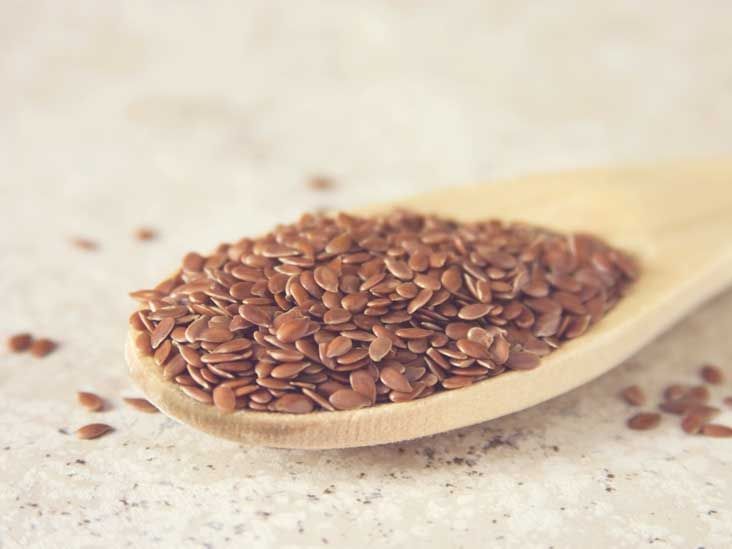
Flaxseeds are small brown or golden seeds with a mild, nutty flavor. They are especially known for three nutrients: fiber, alpha-linolenic acid (ALA), and lignans. ALA is a plant-based omega-3 fatty acid, while lignans are plant compounds with antioxidant-like activity.
Flaxseeds may be especially useful for people trying to support heart health. Their fiber can help with fullness and digestive regularity, while their unsaturated fats fit well into a heart-conscious diet. They are also one of the richest plant sources of lignans, which makes them stand out among common seeds.
How to eat flaxseeds
The key tip is to choose ground flaxseed instead of whole flaxseed when possible. Whole flaxseeds can pass through the digestive tract mostly intact, which means your body may miss out on some of their nutritional benefits. Ground flaxseed blends easily into oatmeal, yogurt, smoothies, pancake batter, muffins, homemade granola, and even meatballs or veggie burgers.
A practical serving is one tablespoon per day. Start there, especially if your current fiber intake is low. Your digestive system appreciates upgrades, but it does not love surprise renovations.
2. Chia Seeds: Tiny Seeds With Big Hydration Energy
Chia seeds are famous for their ability to absorb liquid and form a gel-like texture. This makes them perfect for chia pudding, overnight oats, and thicker smoothies. Nutritionally, chia seeds offer fiber, plant-based omega-3 fats, minerals, and antioxidants.
Because chia seeds are high in fiber, they may help meals feel more satisfying. Their gel-forming quality also makes them useful in plant-based cooking. Mix one tablespoon of chia seeds with about three tablespoons of water, let it sit for several minutes, and you have a simple chia “egg” substitute for some baking recipes.
How to eat chia seeds
Add chia seeds to yogurt, oatmeal, smoothies, cereal, homemade jam, or water with lemon. For best comfort, eat them with enough liquid. Dry chia seeds can absorb water quickly, so people with swallowing difficulties should be careful and avoid eating large spoonfuls dry.
Chia pudding is the classic option: combine chia seeds with milk or a fortified plant milk, add fruit, cinnamon, and a small drizzle of honey if desired, then refrigerate until thick. Congratulationsyou have made breakfast that looks fancy but required less effort than finding matching socks.
3. Hemp Seeds: The Plant Protein Powerhouse
Hemp seeds, often sold as hemp hearts, are soft, nutty, and easy to add to meals. Compared with many other seeds, hemp hearts are especially notable for their protein content. They also provide unsaturated fats, including omega-6 and omega-3 fatty acids, plus minerals such as magnesium and phosphorus.
Hemp seeds are a great choice for people who want to increase plant-based protein without relying only on beans, tofu, or protein powders. They have a gentle flavor that works in both sweet and savory dishes. Unlike chia and flax, hemp seeds do not need to be ground or soaked to be easy to use.
How to eat hemp seeds
Sprinkle hemp hearts on salads, grain bowls, soups, avocado toast, scrambled eggs, yogurt, or roasted vegetables. Blend them into smoothies for creaminess or stir them into pesto for a richer texture. They also work well in homemade energy bites with oats, nut butter, and a little dark chocolate.
If you are new to hemp seeds, start with one to two tablespoons. Their nutty flavor is pleasant, but there is no need to bury your lunch under a mountain of seeds like you are landscaping a hamster habitat.
4. Sesame Seeds: The Small Seed Behind Big Flavor
Sesame seeds are tiny, aromatic seeds used in cuisines around the world. They appear on burger buns, in tahini, over sushi rolls, in sesame oil, and in sauces, dressings, and desserts. Nutritionally, sesame seeds provide healthy fats, minerals, fiber, protein, and lignans such as sesamin and sesamol.
Sesame seeds are especially useful because they make healthy food taste more exciting. A sprinkle of toasted sesame seeds can transform plain steamed vegetables, noodles, rice bowls, or salads. Tahini, a paste made from ground sesame seeds, is another delicious way to enjoy them. It is the creamy backbone of hummus and also makes excellent salad dressings.
How to eat sesame seeds
Toast sesame seeds lightly in a dry pan until fragrant, then sprinkle them over stir-fries, roasted broccoli, salmon, chicken, tofu, or soba noodles. Use tahini in sauces with lemon juice, garlic, water, and a pinch of salt. You can also add sesame seeds to homemade crackers or whole-grain bread.
One note: sesame is, water, and a pinch of salt. You can also add sesame seeds to homemade a major allergen for some people. Anyone with a sesame allergy should avoid sesame seeds, tahini, sesame oil, and foods that may contain sesame.
5. Pumpkin Seeds: The Crunchy Mineral Star
Pumpkin seeds, also called pepitas when hulled, are crunchy, savory, and packed with minerals. They are known for magnesium, zinc, iron, protein, and healthy fats. Magnesium plays roles in muscle and nerve function, blood pressure regulation, and energy production, while zinc supports immune function and normal cell processes.
Pumpkin seeds are also satisfying. Their combination of protein, fat, and crunch makes them a smarter snack than many ultra-processed salty foods. Choose unsalted or lightly salted versions most of the time, especially if you are watching sodium intake.
How to eat pumpkin seeds
Add pumpkin seeds to salads, soups, chili, oatmeal, trail mix, roasted vegetables, tacos, and homemade granola. They are especially good toasted with smoked paprika, cinnamon, or a little garlic powder. If you carve pumpkins in the fall, roast the seeds instead of throwing them away. The pumpkin already did the hard work of growing them; the least we can do is provide seasoning.
A one-ounce serving is enough for most people. Because pumpkin seeds are dense and delicious, eating them straight from the bag can quickly become a “where did the whole pouch go?” situation.
6. Sunflower Seeds: The Vitamin E Favorite
Sunflower seeds are cheerful, crunchy, and rich in vitamin E, an antioxidant nutrient that helps protect cells from oxidative stress. They also provide selenium, magnesium, healthy fats, protein, and fiber. Sunflower seed kernels are easy to add to meals and can also be made into sunflower seed butter, a useful alternative for people who avoid peanuts or tree nuts.
Sunflower seeds are particularly good for adding texture. They make salads more satisfying, give yogurt bowls a nutty crunch, and can upgrade homemade breads or muffins. As with pumpkin seeds, unsalted kernels are usually the best everyday choice.
How to eat sunflower seeds
Sprinkle sunflower seeds on salads, oatmeal, smoothie bowls, grain bowls, and roasted vegetables. Use sunflower seed butter on toast, apple slices, or celery. Mix sunflower kernels into homemade granola bars or energy bites for extra crunch.
If you enjoy in-shell sunflower seeds, avoid eating the shells. The shells are tough, fibrous, and not meant to be swallowed in large amounts. Your digestive tract has enough responsibilities without processing tiny wooden jackets.
How to Add More Healthy Seeds Without Overthinking It
The easiest way to eat more seeds is to attach them to meals you already make. You do not need a complicated seed schedule, a spreadsheet, or a ceremonial spoon. Just keep two or three types in your kitchen and rotate them through your usual foods.
Simple seed ideas
- Add ground flaxseed or chia seeds to oatmeal.
- Sprinkle hemp hearts over salads or grain bowls.
- Use tahini to make creamy dressings and sauces.
- Top soups with pumpkin seeds for crunch.
- Add sunflower seeds to yogurt, cereal, or homemade trail mix.
- Mix seeds into muffin batter, pancakes, or whole-grain bread.
For variety, think in pairs. Chia and flax work well in breakfasts. Hemp and pumpkin seeds are great for protein-rich savory meals. Sesame and sunflower seeds are flavor boosters that add crunch and richness.
Are There Any Downsides to Eating Seeds?
For most people, seeds are safe and healthy in normal food amounts. Still, a few common-sense notes matter. First, seeds are high in calories because they contain healthy fats. That is not bad, but portions count. Second, high-fiber seeds like chia and flax can cause gas or bloating if you add too much too quickly. Start small and drink enough water.
Third, allergies are possible. Sesame is a recognized major food allergen, and some people may react to other seeds. Fourth, people with certain digestive conditions, swallowing problems, or medically restricted diets should ask a healthcare professional for personalized advice.
Finally, choose plain, unsalted, or lightly salted seeds most often. Candy-coated seeds, heavily salted snack mixes, and sugar-loaded granolas can turn a healthy ingredient into a dessert wearing a wellness costume.
Experience-Based Tips: What Eating Seeds Regularly Actually Looks Like
Adding healthy seeds to your routine sounds simple, but the real-life version depends on convenience. The best seed habit is the one you barely have to think about. One useful strategy is to keep a small “seed station” in the kitchen: ground flaxseed in the refrigerator, chia seeds in a sealed jar, and pumpkin or sunflower seeds near the salad ingredients. When healthy foods are visible and easy to reach, they are more likely to end up in your meals instead of becoming pantry fossils.
Breakfast is usually the easiest place to begin. Oatmeal can handle almost any seed without complaint. Stir in ground flaxseed while it cooks, add chia seeds for thickness, then finish with sunflower seeds or pumpkin seeds for crunch. Yogurt bowls work the same way. Add berries, a spoonful of hemp hearts, and a sprinkle of seeds, and suddenly breakfast has protein, fiber, healthy fats, and texture. It also looks like something from a café, except you did not pay twelve dollars for it.
For lunch, seeds can rescue boring salads. A basic bowl of greens becomes more filling with pumpkin seeds, sunflower seeds, or hemp hearts. Sesame seeds are excellent on Asian-inspired cabbage slaw, noodle bowls, tofu, salmon, or chicken. Tahini dressing is especially useful because it feels creamy without needing mayonnaise. Mix tahini with lemon juice, water, garlic, and a little salt, then drizzle it over roasted vegetables or grain bowls.
Snacking is where portion control becomes important. Seeds are healthy, but they are easy to overeat by the handful. A smart approach is to portion pumpkin or sunflower seeds into small containers instead of eating from the bag. Pair them with fruit for balance. Apple slices with sunflower seed butter, a banana with hemp hearts sprinkled over yogurt, or a small trail mix with pumpkin seeds and unsweetened dried fruit can keep you full longer than a sugary snack.
Baking is another practical route. Ground flaxseed blends well into muffins, banana bread, pancakes, and whole-grain waffles. Chia seeds can thicken homemade fruit jam. Sesame seeds can coat homemade crackers or add flavor to bread. Hemp hearts can disappear into smoothies, which is helpful for people who want nutrition without changing texture too much.
The biggest lesson from using seeds regularly is that variety matters. Eating only chia seeds every day can get boring fast. Rotating flax, chia, hemp, sesame, pumpkin, and sunflower seeds gives you a wider mix of nutrients and keeps meals interesting. Think of them as a team: flax brings omega-3s and lignans, chia brings fiber and gel power, hemp brings protein, sesame brings flavor, pumpkin brings minerals, and sunflower brings vitamin E. No single seed needs to be the hero every day.
Storage also matters. Because seeds contain oils, they can go rancid if stored too long in warm conditions. Keep ground flaxseed in the refrigerator, seal bags tightly, and buy amounts you can realistically use. If seeds smell bitter, stale, or paint-like, let them go. Healthy eating should not taste like old garage shelves.
In practice, the most successful seed habit is modest: one or two tablespoons added to meals most days. That is enough to improve texture, increase nutrient density, and support better meals without making your diet feel like a science project.
Conclusion
Seeds may be small, but they are loaded with nutrition. Flaxseeds, chia seeds, hemp seeds, sesame seeds, pumpkin seeds, and sunflower seeds each offer a unique combination of fiber, healthy fats, plant protein, vitamins, minerals, and beneficial plant compounds. They can support a heart-healthy, digestion-friendly, satisfying eating pattern when used consistently and sensibly.
The easiest way to benefit from these super healthy seeds is not to chase perfection. Add ground flaxseed to oatmeal, chia to yogurt, hemp hearts to salads, sesame to stir-fries, pumpkin seeds to soup, and sunflower seeds to snacks. Small habits, repeated often, are where nutrition gets interesting. Tiny seeds, big payoffand thankfully, no cape required.