Note:</snary care. A veterinarian can identify the likely parasite, choose a cat-safe treatment, and help prevent reinfection.
Finding what looks like a tiny grain of rice near your cat’s rear end is not exactly the glamorous side of pet ownership. It is more like discovering your roommate has been hosting a very small, very uninvited pasta party. In many cases, those rice-like bits are tapeworm segments.
Tapeworms in cats are common intestinal parasites, especially in cats with fleas, outdoor access, or a taste for hunting rodents. The good news is that feline tapeworm treatment is usually straightforward. The less-good news is that treating the worm without addressing the cause can lead to an annoying repeat performance.
This guide explains how to identify tapeworms in cats, what treatment usually involves, when to call a veterinarian, and how to prevent your cat from becoming the neighborhood’s least enthusiastic parasite host.
What Are Tapeworms in Cats?
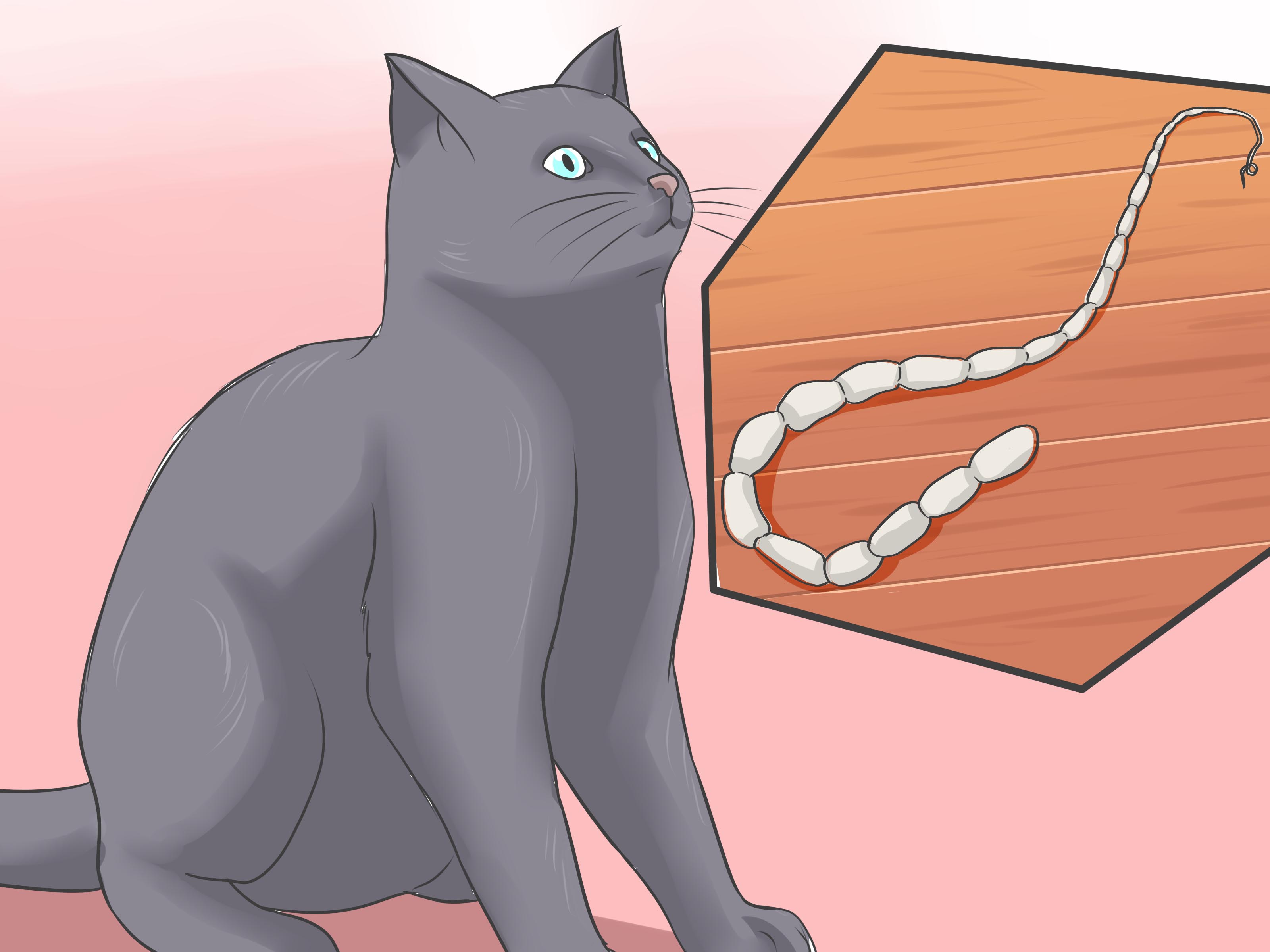
Tapeworms are flat, ribbon-like intestinal parasites known as cestodes. Unlike roundworms, which resemble spaghetti, tapeworms are made up of small segments. Adult tapeworms attach to the lining of a cat’s small intestine and absorb nutrients from the food passing through the digestive tract.
The segments nearest the end of the worm eventually break off and leave the cat’s body in feces. These segments, called proglottids, contain eggs. They are often the first clue that a cat has tapeworms because owners may spot them on stool, bedding, carpets, or fur around the rear end.
Although “tapeworm” sounds dramatic enough to deserve its own horror-movie trailer, many infected cats appear completely normal. Still, treatment matters because the infection can recur, spread parasite segments around the home, and signal an active flea problem or frequent exposure to prey animals.
How Do Cats Get Tapeworms?
The Flea Connection: The Most Common Route
The most common cat tapeworm is Dipylidium caninum, often called the flea tapeworm. Cats do not usually get this parasite simply because a flea bites them. Instead, a cat becomes infected after swallowing an infected flea while grooming, scratching, or chewing at itchy skin.
That means a cat can have tapeworms even when you barely notice fleas. Cats are excellent groomers, which is wonderful for their fur and inconvenient for anyone hoping to spot every tiny hitchhiker before it disappears into the cat’s mouth.
Hunting Rodents, Birds, and Other Prey
Cats can also get certain tapeworm species by eating infected prey animals such as mice, rats, rabbits, or birds. Outdoor cats and determined indoor mousers may be at greater risk. A cat does not need to be a wilderness explorer, either. One mouse in the garage can become a surprisingly expensive snack.
Why Reinfection Happens So Easily
A deworming medication can remove the tapeworm currently living in the intestine. However, it cannot stop a cat from swallowing another infected flea tomorrow. If fleas remain on the cat, on another pet, or in the home environment, tapeworms can return quickly.
This is why successful tapeworm prevention is never just about the worm. It is about interrupting the entire cycle: treat the cat, control fleas, clean the environment, and reduce hunting exposure.
How to Identify Tapeworms in Cats
The classic sign of tapeworms in cats is the appearance of small white or cream-colored segments around the anus, in the stool, or in favorite sleeping areas. Fresh segments may move or stretch slightly. Once dry, they often resemble sesame seeds or grains of rice.
Common Signs of Cat Tapeworm Infection
- Rice-like or sesame-seed-like pieces in feces, bedding, or fur beneath the tail
- Small moving segments around the anus
- Visible fleas or flea dirt in the coat
- Increased grooming, licking, or biting near the rear end
- Occasional mild digestive upset
- Weight loss or poor coat quality in heavier or repeated infections
Many cats with tapeworms do not have diarrhea, vomiting, or obvious appetite changes. This is one reason owners can be surprised when they spot segments. The cat may be eating dinner, napping in sunbeams, and acting perfectly normal while quietly operating a tiny parasite apartment complex.
Tapeworms vs. Other Things That Look Like Worms
Not every white speck is a tapeworm segment. Litter dust, dried fecal material, food crumbs, and bits of plant material can all create false alarms. However, if the pieces appear repeatedly near the tail or look like flattened rice grains, tapeworms should be considered.
A routine fecal test can be helpful, but it does not always detect tapeworms. Tapeworm eggs are often contained inside segments and may not be evenly distributed in a stool sample. A clear photo of the segment or a sample collected in a sealed container can help your veterinarian make a more confident diagnosis.
How to Treat Tapeworm in Cats Safely
Effective treatment starts with the right diagnosis. A veterinarian may diagnose tapeworms based on visible segments, your cat’s lifestyle, flea exposure, and a fecal examination. The goal is not merely to give “a worm medicine.” Different intestinal parasites respond to different medications, so guessing can waste time and leave the actual problem untreated.
Veterinary Deworming Medication
Tapeworms are typically treated with a deworming medication called a cestocide. Praziquantel is one of the most commonly used active ingredients for feline tapeworm treatment. Depending on the product and your cat’s needs, medication may be given as an oral tablet, a topical treatment, or another veterinary-approved form.
Do not assume that every over-the-counter dewormer treats tapeworms. Some products target roundworms or hookworms but do not effectively eliminate tapeworms. Always read the label carefully and use only products specifically labeled for cats at your cat’s current body weight.
Never use dog parasite products on a cat unless a veterinarian specifically instructs you to do so. Some dog flea and parasite products can be dangerous for cats. “It worked for my dog” is not a veterinary treatment plan; it is usually the opening line of a stressful phone call.
What Happens After Treatment?
Many cat owners expect to see an entire tapeworm leave the body after treatment. Usually, that does not happen. Effective medication causes the parasite to break down in the intestine, so you may not see a dramatic worm exit. In this case, no cinematic finale is actually good news.
Your veterinarian may recommend follow-up treatment if your cat continues to pass segments, has frequent flea exposure, hunts regularly, or is at risk for a different tapeworm species. Recurrent segments do not always mean the first medication failed. They often mean the cat was reinfected.
When to Contact a Veterinarian Promptly
Schedule a veterinary visit if you see suspected tapeworm segments, especially if your cat is a kitten, senior cat, recently adopted, pregnant, underweight, or living with multiple pets. Contact a veterinarian sooner if your cat has persistent vomiting, diarrhea, weakness, poor appetite, noticeable weight loss, a bloated abdomen, or signs of severe flea infestation.
These symptoms may indicate another parasite or medical condition in addition to, or instead of, tapeworms. A cat with repeated digestive symptoms deserves more than a guess and a hopeful shrug.
The Most Important Step: Flea Control
For flea-associated tapeworms, flea prevention is not optional background decoration. It is the main plot.
A comprehensive flea-control plan usually includes treating every pet in the home with a veterinarian-recommended product, cleaning the indoor environment, and continuing prevention long enough to interrupt the flea life cycle. Even indoor-only cats can be exposed when fleas hitchhike indoors on people, visiting pets, or other animals.
How to Reduce Fleas in Your Home
- Use a veterinarian-recommended flea preventive consistently and exactly as directed.
- Treat all dogs and cats in the household, not only the pet that seems itchy.
- Vacuum carpets, rugs, upholstered furniture, baseboards, and pet sleeping areas regularly.
- Wash pet bedding and blankets in hot water when appropriate for the material.
- Empty vacuum contents promptly and dispose of them outside when possible.
- Ask a veterinarian or licensed pest-control professional for help if the infestation is heavy or persistent.
Flea control may take time because flea eggs, larvae, and pupae can remain in the home environment before new adults emerge. Seeing a flea after starting treatment does not necessarily mean the product failed. It may mean the household flea cycle is still winding down.
How to Prevent Tapeworms in Cats
Keep Up With Year-Round Parasite Prevention
Your veterinarian can recommend a parasite-prevention routine based on your cat’s age, lifestyle, region, flea exposure, outdoor activity, and hunting habits. Some preventives address fleas and additional parasites, while others are designed for more specific risks.
Consistency matters more than good intentions. A preventive that sits unopened in a drawer is emotionally supportive at best. Set calendar reminders, use automatic refill programs, or pair treatment day with another monthly routine.
Reduce Hunting Opportunities
Keeping cats indoors is one of the strongest ways to reduce exposure to rodents, birds, parasites, traffic, and wildlife-related hazards. If your cat enjoys outdoor time, consider a secure catio, leash walks, or supervised outdoor enrichment instead of unsupervised roaming.
For cats that work as barn cats or spend time outdoors, discuss a regular parasite screening and deworming schedule with a veterinarian. Their risk profile is simply different from that of a cat whose greatest prey encounter is a dust bunny.
Practice Smart Litter Box Hygiene
Scoop the litter box daily, clean surrounding surfaces as needed, and wash hands after handling feces. Tapeworm transmission to people is uncommon, but basic hygiene is still essential, particularly in homes with young children or people with weakened immune systems.
Teach children not to touch pet feces, flea dirt, or suspicious rice-like segments. Also, discourage cats from using children’s sandboxes as luxury outdoor litter boxes. Cats may appreciate the ambiance; humans generally do not.
Can People Get Tapeworms From Cats?
People can occasionally become infected with the common flea tapeworm, but this requires swallowing an infected flea. It is not typically spread by petting a cat or simply being near a cat with tapeworms.
The practical prevention steps are simple: control fleas, wash hands after cleaning litter boxes or handling pet waste, keep children from putting dirty fingers in their mouths, and contact a healthcare professional if someone in the household has health concerns after possible exposure.
Some less common tapeworm species can present more significant public-health concerns, particularly in regions where cats hunt rodents or are exposed to wildlife. This is another reason a veterinarian may ask detailed questions about your cat’s outdoor habits rather than simply handing over a generic dewormer.
Common Mistakes to Avoid When Treating Cat Tapeworms
Treating the Worm but Ignoring Fleas
This is the biggest mistake. If the cat’s fleas and the household flea environment are not addressed, reinfection can happen. The worm treatment may have worked perfectly; the prevention plan simply was not finished.
Using the Wrong Dewormer
Not all dewormers work against all intestinal parasites. Products marketed broadly as “worm medicine” may not treat the parasite you are seeing. Confirm the active ingredients, target parasites, species label, and weight range before using any product.
Assuming Scooting Means Tapeworms
Cats may drag their rear ends for several reasons, including irritation, diarrhea, matted fur, anal gland issues, allergies, or other skin problems. Tapeworm segments are more useful evidence than scooting alone.
Skipping Routine Veterinary Care
Annual or more frequent wellness visits help catch parasite problems, flea issues, weight changes, dental concerns, and other health conditions before they become bigger headaches. Preventive care may not be glamorous, but neither is finding sesame-seed-shaped mysteries on your pillowcase.
Real-World Cat Owner Experiences and Practical Lessons
The following examples are illustrative owner experiences based on common situations, not individual medical case reports or a substitute for veterinary advice.
Experience 1: The Indoor Cat With “No Possible Way” to Get Fleas
One of the most common surprises happens when an owner of a strictly indoor cat notices tiny rice-like segments on a blanket. The immediate reaction is often disbelief: “My cat never goes outside, so this cannot be fleas.” Then the cat receives a flea comb session, and the mystery begins to solve itself.
Indoor cats can still encounter fleas. A flea may hitchhike inside on a person’s shoe, another pet, a visitor, or an item brought in from outdoors. In multi-pet homes, one dog that goes for walks can unintentionally become the delivery service. The important lesson is that “indoor-only” lowers risk, but it does not create an invisible force field around the sofa.
Owners in this situation often learn that treating only the cat is not enough. A veterinarian-guided dewormer handles the tapeworm, while consistent flea prevention for every pet and household cleaning helps prevent the second act.
Experience 2: The Cat Who Was Treated, Then “Got Worms Again”
Another common experience is seeing segments again a few weeks after treatment. It is easy to assume the medication failed, but repeated tapeworm segments are frequently caused by reinfection. The cat may have swallowed another infected flea, especially if fleas remain in the home or on another pet.
The practical lesson is to look at treatment as a package rather than a single pill. The package includes the appropriate tapeworm medication, flea control, washing bedding, vacuuming high-traffic pet areas, and maintaining prevention on schedule. Once owners shift from “get rid of the worm” to “break the flea-and-worm cycle,” repeat infections often become much less likely.
Experience 3: The Outdoor Hunter With a Mouse Problem
Outdoor cats and enthusiastic indoor mousers can develop tapeworms through prey animals rather than fleas alone. An owner may be diligent about flea prevention but still find segments because their cat has been catching mice in the garage, basement, barn, or yard.
In these cases, prevention requires a broader plan. Keeping the cat indoors when possible, sealing rodent entry points, reducing access to prey, and discussing a parasite-control schedule with a veterinarian can make a meaningful difference. The cat may believe it is providing free pest control. Your veterinarian may see it as a parasite exposure hobby.
Experience 4: The Kitten With More Than One Problem
Kittens deserve special attention because they are small, still developing, and more likely to have multiple parasite or flea-related concerns at once. A kitten with visible segments, fleas, diarrhea, poor growth, or a potbelly should be examined promptly. What looks like a simple tapeworm issue may involve other intestinal parasites or flea-related anemia.
The biggest lesson for new kitten owners is not to improvise with leftover medication or internet folklore. Weight-based treatment matters, kitten-safe flea control matters, and early veterinary care can prevent a tiny problem from becoming a much larger one.
Final Takeaway
Learning how to treat tapeworm in cats starts with recognizing the signs: rice-like segments near the tail, in stool, or in bedding are the biggest clue. Veterinary-approved deworming medication can usually eliminate the current infection, but successful prevention depends on controlling fleas and reducing exposure to infected prey.
When in doubt, take a photo, save a sample if practical, and contact your veterinarian. A fast, accurate diagnosis can spare you weeks of guessing, unnecessary products, and suspiciously close inspections of your cat’s favorite blanket.