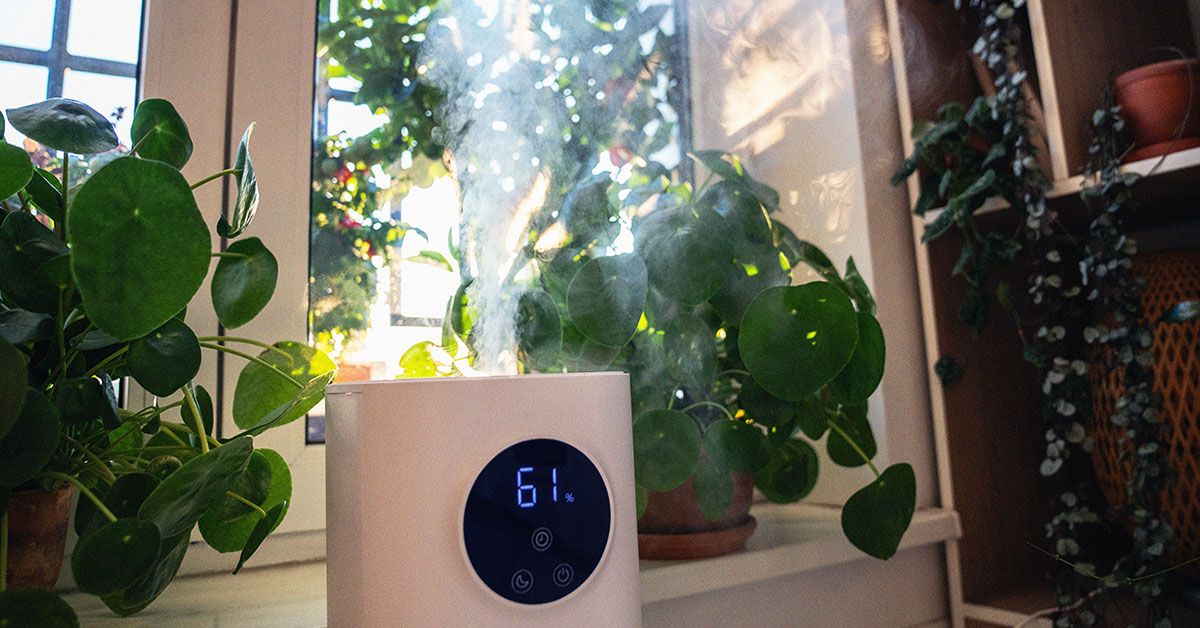
When indoor air becomes drier than a forgotten slice of toast, your nose, throat, skin, and even wooden furniture may start complaining. A humidifier can restore moisture to the air and make a heated bedroom or naturally arid home feel more comfortable. However, this small appliance is not automatically a wellness machine. Used carelessly, it can distribute minerals, mold, bacteria, or too much moisture throughout a room.
The useful question is not simply, “Are humidifiers good for you?” It is, “Is the air actually dry, and can you operate the humidifier correctly?” This guide explores five practical humidifier uses, the potential benefits, the most important risks, and the maintenance habits that keep soothing mist from becoming suspicious swamp fog.
What Does a Humidifier Do?
A humidifier releases water vapor or a fine mist to raise the relative humidity in an indoor space. Relative humidity describes how much moisture the air contains compared with the maximum amount it could hold at the same temperature.
Many homes become excessively dry during winter because heating systems warm the air without adding moisture. Dry conditions can also occur year-round in desert climates and heavily air-conditioned buildings. The U.S. Environmental Protection Agency and Mayo Clinic generally recommend maintaining indoor relative humidity between 30% and 50%. Levels above 50% may encourage mold, bacteria, and dust mites, while very low humidity can irritate the skin, eyes, nose, and throat.
Common Types of Humidifiers
- Ultrasonic humidifiers use high-frequency vibrations to create a fine, usually cool mist.
- Evaporative humidifiers use a fan to move air through a wet wick or filter.
- Impeller humidifiers use a rotating disk to disperse cool droplets.
- Steam vaporizers heat water and release steam that begins cooling as it enters the room.
- Central humidifiers connect to a home’s heating and cooling system to add moisture throughout the building.
Each type has advantages, but cool-mist models are generally preferred in homes with children because hot water and steam from warm-mist units can cause burns.
5 Humidifier Uses and Their Potential Benefits
1. Easing a Stuffy Nose and Dry Cough During a Cold
One of the most common humidifier uses is making cold symptoms more manageable. Moist air can keep nasal mucus from becoming excessively thick and sticky. This may make it easier to blow the nose, clear congestion, and cough up mucus.
A humidifier does not kill the virus, shorten every cold, or replace medical treatment. It is primarily a comfort measure. Research on heated humidified air has produced mixed results, so claims that a humidifier “cures” a cold belong in the same drawer as miracle tonics and magical socks. Still, major medical organizations recognize that cool mist may ease congestion and coughing when dry air is contributing to the irritation.
This use can be particularly helpful at night, when mouth breathing and postnasal drainage may make the throat feel raw. Pair the humidifier with adequate fluids, rest, saline nasal spray, and other clinician-approved treatments rather than relying on mist alone.
2. Soothing Dry Sinuses, Throat, Lips, and Nosebleeds
Low humidity can dry the delicate membranes lining the nose and sinuses. The result may include burning, crusting, a scratchy throat, cracked lips, or recurring nosebleeds. By returning moderate moisture to the room, a humidifier can reduce some of this environmental dryness.
This does not mean that every nosebleed or sore throat is caused by dry air. Allergies, infections, medications, structural problems, smoke exposure, and other conditions may be responsible. However, when symptoms appear during heating season and improve in more humid environments, dry air is a reasonable suspect.
Mayo Clinic notes that dry indoor air can irritate the sinuses and contribute to bloody noses and cracked lips. Johns Hopkins Medicine also identifies dry-air-related nosebleeds, sore throats, and coughs as symptoms that may improve when indoor moisture is raised appropriately.
3. Reducing Dry-Skin Discomfort
A humidifier may help people whose skin becomes tight, flaky, itchy, or rough in winter. Indoor heating and low outdoor humidity can increase water loss from the skin’s outer layer. Adding moisture to the air may reduce that environmental stress, especially while you sleep.
Humidification works best as part of a complete dry-skin routine. Use a fragrance-free cream or ointment after bathing, choose lukewarm rather than hot water, avoid long showers, and select gentle cleansers. A humidifier can support these habits, but it cannot replace moisturizer or treat an underlying skin disease by itself.
People with eczema may find moderate humidity more comfortable, but excessive humidity can create mold and dust-mite problems that aggravate allergies. Harvard Health, Cleveland Clinic, Johns Hopkins Medicine, and the American Academy of Allergy, Asthma & Immunology all discuss humidification as one possible tool for seasonal dry skin while emphasizing appropriate moisture control.
4. Making Sleep More Comfortable in Dry Air
Dry nasal passages and a scratchy throat can make bedtime feel like an eight-hour endurance event. A properly maintained humidifier may improve nighttime comfort by keeping the upper airway from becoming excessively dry. It may also make mucus easier to clear, reducing sleep disruption caused by a dry cough or stuffy nose.
Some people report less snoring when nasal dryness or congestion is reduced, but a humidifier is not a treatment for obstructive sleep apnea or chronic snoring. Loud nightly snoring, gasping, breathing pauses, morning headaches, or severe daytime sleepiness should be evaluated by a healthcare professional.
Humidification can also help some continuous positive airway pressure, or CPAP, users manage dry mouth, nasal dryness, and congestion. Many CPAP systems offer an integrated heated humidifier for this purpose. Settings should be adjusted according to the equipment instructions and guidance from the sleep-care team.
5. Protecting Household Materials and Improving Dry-Season Comfort
Humidifiers are not only used for breathing comfort. Extremely dry air can contribute to static electricity, peeling wallpaper, gaps between wood floorboards, loose furniture joints, and cracking in paint or wooden furnishings. Moderate humidity may help limit these dry-season annoyances.
Some houseplants also prefer more humidity than a heated home naturally provides. A room humidifier may support tropical plants, although it should not be aimed directly at leaves, walls, curtains, or soil. Constantly wet surfaces invite mold and plant disease.
More moisture is not automatically better for furniture or plants. Condensation on windows, damp carpet, musty odors, or wet walls indicates that the humidifier is producing too much mist. The EPA advises reducing the output, moving the machine, or using it intermittently whenever nearby materials become damp.
Humidifier Risks You Should Not Ignore
Dirty Tanks Can Spread Microorganisms
A reservoir filled with standing water can become a miniature resort for bacteria and fungiunfortunately, they never check out. When a contaminated humidifier operates, microorganisms or their byproducts may be released into the room.
Breathing contaminated mist may cause airway irritation, worsen asthma or allergies, and occasionally contribute to more serious respiratory illness. The U.S. Consumer Product Safety Commission warns that dirty humidifiers can produce symptoms ranging from flu-like illness to serious infection, with people who have asthma or allergies facing particular concern.
Excess Humidity Encourages Mold and Dust Mites
Running a humidifier at full power all night may feel efficient, but indoor humidity is not a contest. When relative humidity rises above approximately 50%, mold and dust mites are more likely to thrive. Both can trigger allergy symptoms and asthma flare-ups.
People with asthma, chronic lung disease, or significant indoor allergies should discuss humidifier use with a clinician. For some individuals, soothing dry air provides relief. For others, increased allergens or overly humid air makes breathing worse. The correct setting depends on the home and the person, not on an influencer’s misty bedroom video.
Tap Water Can Produce Mineral “White Dust”
Ultrasonic and impeller humidifiers can disperse minerals found in tap water. After the droplets evaporate, these minerals may settle on furniture as white dust or remain suspended as small airborne particles.
The health effects depend on the water’s mineral content and the amount inhaled, but reducing exposure is sensible. Distilled or properly demineralized water generally contains fewer minerals and can also reduce scale inside the machine. The EPA and American Lung Association particularly recommend considering distilled water for ultrasonic units.
Warm-Mist Models Can Cause Burns
Steam vaporizers contain hot water. A child or pet can pull over the unit, touch a hot component, or come into contact with escaping steam. Cool-mist models do not eliminate every humidifier risk, but they avoid the danger created by boiling water.
Use a cool-mist humidifier in nurseries and children’s bedrooms. Keep the appliance and electrical cord out of reach, place it on a stable water-resistant surface, and never position it where a child can climb, pull, or tip it.
Cleaning Chemicals Can Enter the Mist
Disinfectant residue left in the tank may be dispersed the next time the humidifier runs. Follow the manufacturer’s cleaning directions, use only recommended products, and rinse every water-contact surface thoroughly. Never mix bleach, vinegar, ammonia, or other cleaners. Chemical combinations can release dangerous gases.
How to Use a Humidifier Safely
- Measure the room first. Use a hygrometer rather than guessing from how the air feels.
- Target 30% to 50% humidity. Lower the output if you see condensation, damp fabric, or moisture on walls.
- Empty and refill the tank daily. Do not keep topping off old water like an endless soup pot.
- Use distilled water when appropriate. This is especially useful in ultrasonic and impeller models or in areas with hard water.
- Clean portable units frequently. The EPA advises cleaning portable humidifiers every third day, unless the manufacturer requires a different schedule.
- Rinse after cleaning. Remove disinfectant residue before operating the unit again.
- Replace filters and cartridges on schedule. A filter that looks like an archaeological discovery has served long enough.
- Keep the surrounding area dry. Do not aim mist at bedding, upholstery, curtains, electronics, books, or walls.
- Do not add essential oils unless the model is designed for them. Oils can damage ordinary humidifiers and may irritate the lungs.
- Stop using the machine if symptoms worsen. New coughing, wheezing, chest tightness, fever, or breathing difficulty associated with humidifier use warrants medical advice.
These practices reflect guidance from the EPA, CPSC, Mayo Clinic, American Lung Association, HealthyChildren.org, and Johns Hopkins Medicine.
Choosing the Right Humidifier
Match the Unit to the Room
A tiny desktop model may not noticeably change a large living room, while an oversized unit can make a small bedroom uncomfortably damp. Check the manufacturer’s recommended room size and compare it with the actual square footage.
Look for Humidity Controls
A built-in humidistat can switch the unit off when the selected humidity level is reached. Even with this feature, keeping a separate hygrometer nearby can help confirm that the reading is accurate.
Prioritize Easy Cleaning
The best humidifier is not necessarily the one with the most mist settings, colored lights, or an app that congratulates you for owning water. A wide tank opening, removable components, and accessible interior surfaces make proper cleaning much more realistic.
Consider Noise and Ongoing Costs
Evaporative models may produce fan noise and require replacement wicks. Ultrasonic models are often quieter but may create white dust when used with mineral-rich water. Central systems cover larger areas but require professional installation and regular maintenance.
Experience-Based Lessons From Everyday Humidifier Use
The difference between a helpful humidifier and a troublesome one often appears in the ordinary details. Product specifications matter, but daily habits determine whether the appliance remains clean, controlled, and genuinely useful.
Lesson 1: Maximum Output Is Rarely the Best Setting
A common first-night mistake is filling a new humidifier, turning the dial to maximum, closing the bedroom door, and expecting luxurious spa air by morning. Instead, the windows may be dripping and the nightstand may feel damp. That condensation is a warning, not evidence that the machine is “working extra well.”
Beginning with a low setting and checking a hygrometer after several hours produces better results. In many rooms, only a modest amount of additional moisture is needed. Outdoor weather, room size, heating use, ventilation, and the number of occupants can all change the ideal output from one night to the next.
Lesson 2: Water Choice Becomes Obvious When White Dust Appears
People using hard tap water in ultrasonic humidifiers may notice a pale film on black furniture, television screens, or shelves. It can look as though someone has been sanding drywall in secret. That residue is often mineral material dispersed from the water.
Switching to distilled water usually reduces visible dust and internal scale. It does add an ongoing cost, so some households prefer an evaporative model with a replaceable wick. The practical lesson is that the cheapest humidifier on the shelf is not always the least expensive or easiest model to operate over an entire winter.
Lesson 3: The Cleaning Routine Must Fit Real Life
A complicated tank with narrow corners may look elegant but become irritating when it needs frequent scrubbing. If cleaning requires specialized brushes, advanced wrist flexibility, and the patience of a museum conservator, maintenance is likely to be postponed.
Successful long-term use usually depends on a simple routine: empty the reservoir each morning, allow parts to dry, refill with fresh water before use, and perform the recommended deeper cleaning on schedule. Keeping a bottle brush and clean towel beside the unit removes friction from the process. Calendar reminders can also prevent a seven-day-old reservoir from becoming an accidental biology project.
Lesson 4: Placement Changes Performance
Placing the humidifier directly beside a pillow can make the bedding damp while leaving the rest of the room unchanged. Putting it on carpet can create hidden moisture underneath the machine. A more effective setup uses a stable, elevated, water-resistant surface with open space around the outlet.
The mist should disperse into the room rather than strike a wall, curtain, crib, mattress, or piece of furniture. In a child’s bedroom, the cord and unit must remain completely out of reach. The goal is balanced room humidity, not a concentrated cloud hovering over one sleeping person.
Lesson 5: Symptoms Are More Important Than Loyalty to the Appliance
People sometimes continue using a humidifier because it helped during a previous winter, even when current conditions are different. A rainy week, a new home, improved insulation, or a change in heating can raise indoor moisture without assistance.
If the room smells musty, allergy symptoms increase, breathing becomes more difficult, or coughing begins only when the unit is operating, turn it off and investigate. Check the humidity, inspect the tank and filter, and look for damp materials nearby. Persistent or severe respiratory symptoms need professional evaluation. A humidifier is a comfort tool, not a household member whose feelings will be hurt when it is unplugged.
The Practical Takeaway
The most satisfying humidifier experience is usually uneventful. The air feels less harsh, the nose and throat are more comfortable, and the machine quietly follows a predictable cleaning schedule. There should be no foggy windows, mysterious powder, swampy odor, or collection of wet books beside the bed.
Moderation is the central lesson. Add only the moisture the room needs, verify it with a hygrometer, and treat fresh water and cleaning as essential operating steps rather than optional chores.
When to Seek Medical Advice
Contact a healthcare professional when respiratory symptoms begin or worsen during humidifier use, particularly if you develop wheezing, chest tightness, shortness of breath, fever, persistent coughing, or flu-like symptoms. Stop operating the device until the possible connection has been evaluated.
Medical care is also appropriate for frequent nosebleeds, chronic sinus problems, severe eczema, ongoing nighttime breathing problems, or cold symptoms that are unusually intense or prolonged. A humidifier may improve comfort, but it should not delay diagnosis or appropriate treatment.
Conclusion
The five main humidifier uses include easing dry-air-related congestion, soothing irritated nasal passages, supporting dry-skin care, improving nighttime comfort, and protecting moisture-sensitive household materials. Those benefits are most likely when the room is genuinely dry and relative humidity stays between approximately 30% and 50%.
The same appliance can create problems when its tank is dirty, its output is excessive, or mineral-heavy water is dispersed as mist. Choose a unit that is easy to maintain, use cool mist around children, measure humidity, replace standing water, and follow the manufacturer’s cleaning instructions. A humidifier should make the room feel pleasantly comfortablenot turn it into a rainforest with electrical outlets.