Note: This article is for educational purposes only. Cerebral venous thrombosis can be a medical emergency. Anyone with sudden severe headache, seizure, weakness, confusion, vision changes, or stroke-like symptoms should seek emergency medical care immediately.
Cerebral venous thrombosis sounds like the kind of phrase that belongs on a neurology exam, not in normal human conversation. But the condition itself is very real, very serious, andwhen caught earlyoften treatable. In plain English, cerebral venous thrombosis, often shortened to CVT or CVST when it involves the venous sinuses, is a blood clot in the veins that drain blood from the brain.
Most people think of stroke as a blocked artery, where oxygen-rich blood cannot reach part of the brain. Cerebral venous thrombosis is different. Here, the problem is on the “drainage” side. Blood has trouble leaving the brain, pressure can build up, and swelling or bleeding may occur. Think of the brain as a busy city after a thunderstorm. Arteries are the roads bringing supplies in; veins are the exits. When the exits are blocked, traffic backs up, pressure rises, and chaos follows. Unfortunately, the brain is not a fan of chaos.
The tricky part is that CVT can be sneaky. It may cause a worsening headache, blurred vision, seizures, weakness, confusion, or symptoms that look like other types of stroke. Sometimes the headache is the only early clue. That is why understanding the causes, diagnosis, and treatment of cerebral venous thrombosis mattersnot so people can diagnose themselves, but so they know when symptoms deserve urgent attention.
What Is Cerebral Venous Thrombosis?
Cerebral venous thrombosis is a rare form of stroke caused by a blood clot in the brain’s venous system. The clot may form in the cerebral veins or in the larger dural venous sinuses, which are channels that collect blood from the brain and move it back toward the heart. When a clot blocks this flow, blood can pool behind the blockage. This may increase pressure inside the skull, reduce normal brain drainage, and sometimes cause venous infarction or bleeding.
Because CVT affects the venous side of circulation, its symptoms do not always follow the neat patterns seen in arterial strokes. A person may have headache and seizure rather than the classic sudden facial droop or arm weakness. That said, any new neurological symptom should be taken seriously. The brain does not send calendar invites before emergencies.
How Common Is Cerebral Venous Thrombosis?
Cerebral venous thrombosis is uncommon compared with other strokes. It accounts for a small percentage of all strokes, but it is important because it often affects younger adults, women of childbearing age, pregnant or postpartum people, children, and people with clotting disorders or inflammatory conditions. It can also occur in people with no obvious risk factor.
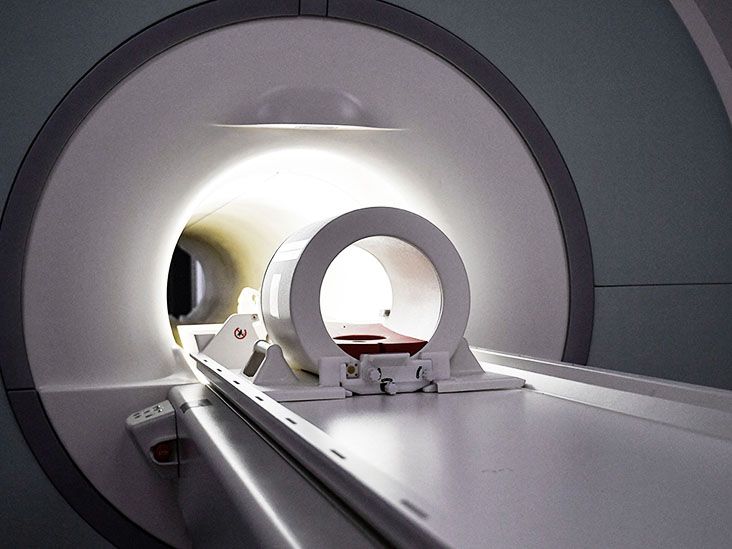
Modern imaging has improved detection. In the past, some cases were likely missed because symptoms were mistaken for migraine, infection, sinus problems, or a “bad headache.” Today, CT venography, MR venography, and MRI techniques make it easier for clinicians to see blocked venous flow and confirm the diagnosis.
Causes and Risk Factors of Cerebral Venous Thrombosis
CVT usually happens when something increases the blood’s tendency to clot, injures the venous system, slows blood flow, or triggers inflammation. Sometimes several small risk factors stack together like a very unpleasant medical sandwich.
Pregnancy and the Postpartum Period
Pregnancy naturally makes the blood more likely to clot. This is the body’s way of reducing bleeding risk during childbirth, but the same protective mechanism can raise the risk of venous clots. The risk is especially important in the third trimester and the first several weeks after delivery. Dehydration, cesarean delivery, infection, high blood pressure disorders of pregnancy, and reduced mobility can add to the risk.
Hormonal Birth Control
Estrogen-containing oral contraceptives are a known risk factor for venous blood clots, including cerebral venous thrombosis. The risk is still low for most users, but it rises when combined with smoking, inherited thrombophilia, migraine with aura, obesity, or a personal or family history of clots. People who have had CVT are often advised to avoid estrogen-containing contraceptives and discuss safer alternatives with a clinician.
Inherited or Acquired Clotting Disorders
Some people have conditions that make their blood more likely to clot. Examples include factor V Leiden mutation, prothrombin gene mutation, protein C deficiency, protein S deficiency, antithrombin deficiency, and antiphospholipid syndrome. These conditions may not cause symptoms until a clot occurs, which is rude behavior from biology but unfortunately common.
Infections
Infections of the ear, face, mouth, throat, mastoid bone, or sinuses can sometimes spread inflammation to nearby veins and trigger clot formation. This is more classically associated with certain sinus thromboses, including cavernous sinus thrombosis, but infection-related CVT can occur in both adults and children. When infection is suspected, antibiotics become an important part of treatment.
Inflammatory and Autoimmune Conditions
Inflammatory bowel disease, lupus, Behçet disease, vasculitis, sarcoidosis, and other inflammatory disorders may increase clotting risk. Chronic inflammation can irritate blood vessels and affect the clotting system. In these cases, treatment may involve both anticoagulation and management of the underlying inflammatory disease.
Cancer and Blood Disorders
Cancer can increase clotting through tumor-related inflammation, chemotherapy effects, immobility, central venous lines, and changes in blood chemistry. Blood disorders that increase blood thickness or abnormal clotting may also contribute. When CVT occurs without a clear trigger, clinicians may consider whether hidden cancer or a blood disorder needs evaluation.
Dehydration, Trauma, and Other Triggers
Severe dehydration can make blood more concentrated and may contribute to clot risk, especially in children or people who are ill. Head injury, neurosurgery, certain medications, kidney disease such as nephrotic syndrome, obesity, smoking, and prolonged immobility may also play a role.
Symptoms of Cerebral Venous Thrombosis
The most common symptom of cerebral venous thrombosis is headache. This headache may develop gradually over days, worsen steadily, or occasionally arrive suddenly like an unwelcome marching band. It may be severe, persistent, or different from a person’s usual headaches.
Other symptoms may include:
- Blurred vision or double vision
- Nausea or vomiting
- Seizures, including a first-time seizure
- Weakness or numbness on one side of the body
- Difficulty speaking or understanding speech
- Confusion, drowsiness, or changes in alertness
- Fainting or loss of consciousness
- Swelling of the optic nerve, known as papilledema
- Coma in severe cases
CVT can mimic migraine, meningitis, intracranial hypertension, brain tumor, arterial stroke, or seizure disorder. That is why diagnosis depends on imaging, not guesswork. A headache plus new neurological symptoms should never be brushed off as “probably stress,” even if stress is auditioning for a major role.
When to Seek Emergency Care
Emergency evaluation is needed for a sudden severe headache, headache with seizure, headache with weakness or numbness, vision loss, confusion, fainting, difficulty speaking, or symptoms that resemble stroke. A person who recently gave birth, is pregnant, has a clotting disorder, has cancer, has a serious infection, or takes estrogen-containing birth control should be especially cautious about new severe neurological symptoms.
Calling emergency services is safer than driving yourself. If CVT is present, early treatment can reduce the risk of brain swelling, bleeding, disability, and death.
How Cerebral Venous Thrombosis Is Diagnosed
Diagnosis begins with a medical history and neurological exam. Clinicians ask about headache pattern, pregnancy or postpartum status, medications, infections, previous clots, family history, cancer, autoimmune disease, recent trauma, and neurological symptoms. The physical exam may check strength, sensation, coordination, speech, vision, eye movement, mental status, and signs of raised intracranial pressure.
CT Scan and CT Venography
A standard CT scan is often the first test in an emergency because it is fast and widely available. It may show bleeding, swelling, or signs of venous infarction. However, a normal CT scan does not always rule out CVT. CT venography, which uses contrast dye to show the venous system, is often used to confirm whether a venous sinus is blocked.
MRI and MR Venography
MRI provides detailed images of brain tissue and can identify swelling, bleeding, venous infarction, and clot characteristics. MR venography focuses on the veins and venous sinuses. These tests are especially useful when symptoms are unclear or when smaller cortical veins may be involved.
Blood Tests
Blood tests cannot diagnose CVT by themselves, but they help identify causes and guide treatment. Doctors may order a complete blood count, clotting studies, kidney and liver function tests, inflammatory markers, infection tests, pregnancy testing, and a hypercoagulability workup. D-dimer may be elevated in some cases, but a normal result does not always exclude CVT, especially when symptoms have been present for a longer time or the clot burden is small.
Lumbar Puncture
A lumbar puncture is not the main test for CVT, but it may be considered when infection, inflammation, or high intracranial pressure is part of the diagnostic puzzle. Imaging is usually done first to reduce safety risks.
Treatment for Cerebral Venous Thrombosis
Treatment usually happens in the hospital, often with a neurology, stroke, hematology, radiology, critical care, or neurosurgery team involved. The goals are to stop the clot from growing, help restore venous flow, treat the cause, control complications, and prevent recurrence.
Anticoagulation: The Main Treatment
Anticoagulants, often called blood thinners, are the cornerstone of CVT treatment. They do not actually make blood “thin” like iced tea; they reduce the blood’s ability to form new clots and help prevent the existing clot from getting larger. Initial treatment commonly involves heparin, either low-molecular-weight heparin or unfractionated heparin. This may sound counterintuitive if there is bleeding in the brain, but anticoagulation is still commonly used in CVT because the underlying problem is clot-driven venous blockage.
After the acute phase, patients are usually transitioned to an oral anticoagulant. Options may include warfarin or, in selected nonpregnant adults, direct oral anticoagulants such as apixaban, rivaroxaban, or dabigatran. The best choice depends on the cause of CVT, kidney function, bleeding risk, pregnancy status, breastfeeding, antiphospholipid syndrome, cost, drug interactions, and clinician judgment.
How Long Does Treatment Last?
Many people need anticoagulation for three to twelve months. A shorter course may be considered when CVT was clearly triggered by a temporary risk factor, such as a short-term medication or infection. Longer treatment may be needed for recurrent clots, severe thrombophilia, antiphospholipid syndrome, active cancer, or an ongoing risk factor. Follow-up imaging may be performed several months later to assess venous recanalization, although treatment duration is not based on imaging alone.
Treating Seizures
If a person has a seizure, anti-seizure medication may be used. Some patients need it only temporarily, while others require longer therapy depending on brain injury, recurrent seizures, EEG findings, and neurologist recommendations. Medication choice matters because some anti-seizure drugs interact with anticoagulants.
Managing Intracranial Pressure
Raised pressure inside the skull can cause severe headache, vomiting, visual symptoms, and papilledema. Treatment may include careful monitoring, pain control, medication, repeated eye exams, and in selected cases, procedures to reduce pressure. Vision symptoms deserve urgent attention because prolonged pressure can damage the optic nerves.
Antibiotics and Source Control
If infection caused or contributed to the clot, antibiotics are essential. Sometimes drainage or surgery is needed for infections involving the sinuses, ear, mastoid, or other nearby structures. Treating only the clot while ignoring the infection would be like mopping the floor while the sink is still overflowing.
Endovascular Treatment and Surgery
Most patients are treated medically, but severe cases may require more aggressive intervention. Endovascular treatment uses catheters to deliver clot-dissolving medication or mechanically remove clot. It is generally reserved for people who worsen despite anticoagulation, cannot receive standard therapy, or have life-threatening clot burden. Decompressive surgery may be considered when swelling or bleeding causes dangerous brain pressure or risk of herniation.
Recovery and Prognosis
Many people recover well after cerebral venous thrombosis, especially with prompt diagnosis and treatment. However, recovery is not always instant. Some people continue to experience headaches, fatigue, concentration problems, mood changes, visual symptoms, or seizure risk. Rehabilitation may include physical therapy, occupational therapy, speech therapy, vision care, psychological support, and gradual return-to-work planning.
Long-term outlook depends on the severity of the clot, speed of treatment, presence of brain bleeding or swelling, age, underlying cause, and whether complications occur. Follow-up with neurology and, when appropriate, hematology is important. Patients should understand their medication plan, bleeding precautions, follow-up imaging schedule, and future clot prevention strategy.
Prevention: Can Cerebral Venous Thrombosis Be Avoided?
Not every case can be prevented, but risk can often be reduced. People with known clotting disorders should follow their clinician’s prevention plan. Those who have had CVT should ask whether they need to avoid estrogen-containing birth control, smoking, dehydration, or high-risk medications. Pregnant or postpartum patients with prior CVT may need preventive anticoagulation, usually with low-molecular-weight heparin, under specialist care.
General prevention also includes staying hydrated during illness, treating infections promptly, moving regularly during long travel when medically appropriate, managing inflammatory disease, controlling cancer-associated clot risks, and discussing personal clot history before surgery, pregnancy, or hormone therapy.
Living With Cerebral Venous Thrombosis: Practical Experience and Real-World Lessons
People who go through cerebral venous thrombosis often describe the experience as confusing before it becomes frightening. One reason is that the early symptom is frequently “just” a headache. But this headache may not behave like a normal headache. It may build day after day, resist usual pain relievers, wake someone from sleep, worsen when lying down, or come with vomiting, blurred vision, or a strange sense that something is not right. Patients often say, “I knew this was different.” That instinct matters.
A common real-world scenario is a young adult who is otherwise healthy and busy. They may blame the headache on work, parenting, screen time, dehydration, or sleeping badly. Fair enoughmodern life could give a houseplant tension headaches. But when headache is new, severe, persistent, or paired with neurological symptoms, it deserves medical evaluation. The lesson is not to panic over every headache; it is to respect a headache that changes the rules.
Another frequent experience involves the emotional shock of being told, “You had a stroke,” especially for people in their twenties, thirties, or forties. Many people associate stroke with older age, so CVT can feel unfair and surreal. Patients may wonder whether they did something wrong. In most cases, CVT is not about blame. It is usually about a combination of biology, timing, and risk factorspregnancy, hormones, clotting tendency, infection, inflammation, dehydration, or a condition no one knew existed yet.
Hospital treatment can also feel intense. Blood thinners may sound scary, particularly if imaging shows bleeding. Patients often ask, “Why would I take anticoagulants if there is blood in the brain?” Clinicians explain that in CVT, the clot is the engine driving the pressure and injury. Anticoagulation helps stop that engine from getting worse. Understanding this can make treatment feel less mysterious and more logical.
After discharge, recovery is often slower than outsiders expect. A person may look fine but still struggle with fatigue, light sensitivity, headaches, word-finding, mood swings, or fear of recurrence. This invisible recovery phase can be frustrating. Family and coworkers may assume everything is back to normal because the person is walking and talking. A better approach is to treat recovery like rebuilding after a storm: the building may be standing, but the wiring still needs attention.
Medication routines become part of daily life. People on warfarin may need regular blood tests and diet consistency. Those on direct oral anticoagulants need strict adherence because missed doses reduce protection. Anyone on anticoagulation should learn bleeding warning signs, avoid unnecessary injury risks, and check before starting new medications or supplements. Even over-the-counter drugs can matter.
The most helpful experience-based advice is simple: keep follow-up appointments, ask what likely caused the clot, understand how long anticoagulation is needed, and get clear instructions about future pregnancy, contraception, travel, surgery, and exercise. CVT is serious, but many people return to full lives after treatment. The goal is not to live in fear of the next headache. The goal is to know your body, respect warning signs, and build a prevention plan that lets life get big again.
Conclusion
Cerebral venous thrombosis is rare, but it deserves attention because it can affect people who do not fit the usual picture of stroke. A worsening headache, seizure, vision change, weakness, confusion, or stroke-like symptom can be the brain’s way of waving a very urgent flag. Diagnosis depends on brain and venous imaging, often CT venography or MR venography, along with blood tests to search for causes. Treatment usually centers on anticoagulation, plus management of seizures, intracranial pressure, infection, and underlying risk factors.
The good news is that many people recover well when CVT is recognized and treated quickly. The not-so-fun news is that delay can be dangerous. So if symptoms feel severe, unusual, or neurological, do not negotiate with them like they are a phone bill. Get medical help.