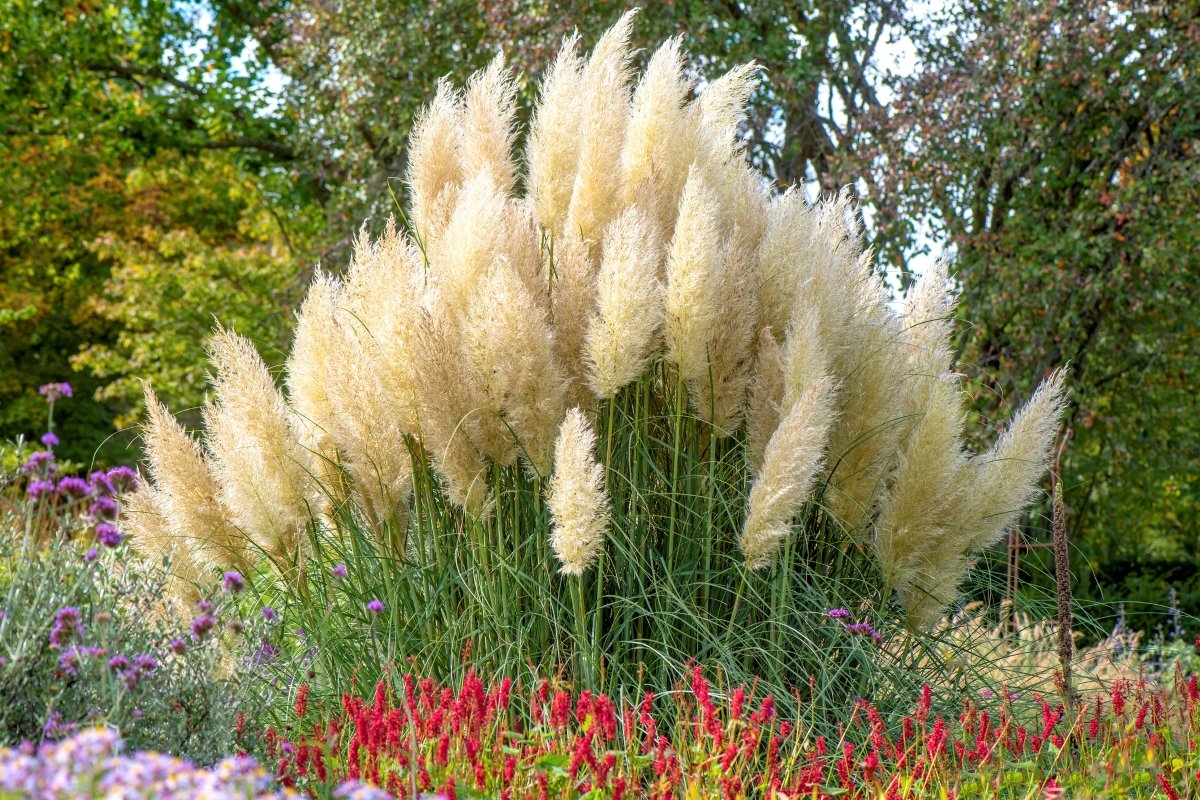
Flowers may grab the first round of applause, but ornamental grasses keep the performance going long after the petals have packed up and gone home. Their arching leaves, feathery plumes, shifting colors, and wind-powered movement can turn a flat landscape into something layered, lively, and surprisingly sophisticated.
Better still, many ornamental grasses tolerate drought, poor soil, heat, deer, and occasional neglect. Some provide food and shelter for wildlife, while their dried stems and seed heads continue adding structure through winter. In other words, they work hard without demanding a weekly motivational speech.
How to Choose the Best Ornamental Grass
Before falling in love with a glamorous seed head, match the plant to your growing conditions. Consider mature height, sunlight, soil drainage, winter hardiness, and whether the grass remains in a tidy clump or spreads by rhizomes and seeds. Tall varieties can screen a patio or soften a fence, while compact grasses work along walkways, in containers, and at the front of mixed borders.
It is also important to check regional invasive-plant lists. Chinese silver grass, pampas grass, Japanese bloodgrass, giant reed, and certain fountain grasses can escape cultivation in parts of the United States. Native switchgrass, bluestem, muhly grass, and Indiangrass often provide comparable drama with greater ecological value and fewer regrets.
The 22 Best Ornamental Grasses for a Dramatic Landscape
1. ‘Karl Foerster’ Feather Reed Grass
Calamagrostis × acutiflora ‘Karl Foerster’ is the landscape equivalent of a tailored suit. Its narrow, upright form reaches approximately 3 to 5 feet tall without swallowing nearby plants. Wheat-colored flower heads appear relatively early and remain attractive into winter. Plant it in full sun as a vertical accent, narrow hedge, driveway border, or repeating architectural element. Unlike many warm-season grasses, it begins growing early in spring, so the garden gets structure before summer has fully clocked in.
2. ‘Northwind’ Switchgrass
This North American native cultivar has a famously upright, columnar habit that makes it useful where space is limited but height is welcome. Blue-green foliage forms a dense tower, typically reaching 4 to 5 feet, before turning golden in fall. Airy flower panicles soften its rigid silhouette. ‘Northwind’ works beautifully beside modern architecture, around pools, or in groups that create a semi-transparent privacy screen. It prefers full sun but tolerates a range of soil conditions.
3. ‘Heavy Metal’ Switchgrass
No guitar amplifier is required for this ‘Heavy Metal.’ The cultivar earns its name from stiff, metallic blue-green foliage that stays more upright than many switchgrasses. It usually grows about 3 to 5 feet tall and develops tan to pinkish flower panicles in late summer. Use it behind flowering perennials, along a sunny property line, or as a cool-colored contrast to burgundy foliage. Its strong vertical form is especially effective in contemporary and prairie-inspired landscapes.
4. Little Bluestem
Schizachyrium scoparium delivers several seasons of color from one remarkably tough plant. Blue-green summer foliage changes to copper, orange, burgundy, or reddish purple in fall, while silvery seed tufts catch low winter sunlight. Most selections grow 2 to 4 feet tall and prefer full sun with well-drained soil. Little bluestem is an excellent choice for dry slopes, meadow gardens, foundation beds, and naturalistic plantings where dancing stems are more desirable than rigid formality.
5. ‘Blackhawks’ Big Bluestem
For serious height and color, ‘Blackhawks’ big bluestem makes an unforgettable specimen. Its foliage matures from deep green to purple, eventually becoming nearly black-purple in favorable conditions. Mature plants can reach roughly 5 feet or more, so give them room and plenty of sun. Big bluestem develops deep roots, tolerates drought after establishment, and provides winter cover for wildlife. Place it behind shorter perennials or use several plants as a bold seasonal screen.
6. Indiangrass
Sorghastrum nutans is one of the signature grasses of the American tallgrass prairie. It forms substantial clumps topped by golden-yellow flower panicles in late summer, commonly reaching 5 to 7 feet in bloom. Blue-green foliage turns yellow-orange or bronze in fall. Indiangrass thrives in full sun and handles clay, rocky ground, drought, and relatively poor soil. Avoid overfeeding it, however, because rich soil can turn its proud posture into an undignified flop.
7. Prairie Dropseed
Prairie dropseed forms tidy, fountain-shaped mounds of narrow foliage, generally 2 to 3 feet tall when flowering. Fine-textured leaves make it useful near walkways and patios, where larger grasses might feel overwhelming. Its airy flowers are sometimes described as having a fragrance similar to buttered popcorn. The plant tolerates heat, drought, and lean soil once established. Mass several together for a graceful, low prairie effect that looks polished rather than abandoned.
8. Pink Muhly Grass
When pink muhly grass blooms, it appears to be surrounded by a glowing cloud. Fine green foliage supports masses of airy pink or pink-purple flowers in fall, transforming an ordinary planting bed into botanical special effects. Plants generally reach 2 to 3 feet tall and perform best in full sun with good drainage. Pink muhly tolerates heat, drought, salt exposure, and poor coastal soils, making it especially valuable across the South and in warm coastal landscapes.
9. Lindheimer’s Muhly
Lindheimer’s muhly offers a larger, more architectural alternative to pink muhly. Its blue-green leaves form an upright mound approximately 3 to 5 feet tall, followed by pale, silvery flower panicles that shimmer when backlit. Native to the south-central United States, it tolerates drought and heat once established. Use it beside a sunny terrace, in a gravel garden, or as a softer substitute for a small evergreen shrub.
10. Purple Lovegrass
Purple lovegrass is modest for most of the year and then suddenly decides to become interesting. In late summer, reddish-purple flower panicles hover above its low foliage like a transparent mist. This native warm-season grass generally remains 1 to 2 feet tall and grows best in full sun with sandy, dry, well-drained soil. Plant it in groups, because a single specimen can look lonely while a mass planting resembles a colorful haze drifting across the ground.
11. ‘Blonde Ambition’ Blue Grama
The unusual horizontal seed heads of ‘Blonde Ambition’ blue grama resemble tiny flags, eyelashes, or punctuation marks floating above the foliage. This drought-tolerant North American grass grows around 2 to 3 feet tall in bloom and thrives in sunny, dry locations. It is particularly effective in xeriscapes, gravel gardens, and contemporary landscapes where its graphic seed heads can be appreciated individually. Use it with agave, coneflower, salvia, or little bluestem.
12. Side-Oats Grama
Bouteloua curtipendula produces rows of small oat-like flowers along one side of each slender stem. The flowers often begin reddish before fading to pale tan, creating detail that rewards close inspection. Usually 2 to 3 feet tall, this native grass tolerates heat, drought, and many soil types. It suits prairie gardens, erosion-control plantings, dry borders, and informal areas where a slightly wild appearance is part of the plan rather than evidence that the gardener has fled the country.
13. Blue Oat Grass
Blue oat grass creates a dense porcupine-like mound of steel-blue foliage about 18 to 24 inches tall. Flower stems may rise considerably higher, carrying oat-like seed heads. Its cool color pairs well with purple salvia, yellow coreopsis, pink coneflower, and silver-leaved perennials. Give it full sun, sharp drainage, and decent air circulation. It performs best in regions without extreme summer heat and humidity, where the foliage can remain crisp instead of looking as though it lost an argument with August.
14. ‘Elijah Blue’ Blue Fescue
Compact and vividly colored, ‘Elijah Blue’ blue fescue is useful anywhere a garden needs a small shot of silver-blue. Its fine leaves form rounded clumps about 10 to 12 inches tall, making it ideal for edging, rock gardens, containers, and the front of borders. Blue fescue is a cool-season grass that looks strongest in spring and fall. Plant it in full sun and well-drained soil, and divide aging clumps when their centers begin thinning.
15. ‘Aureola’ Japanese Forest Grass
Most ornamental grasses demand sun; Japanese forest grass politely requests shade. ‘Aureola’ forms slowly spreading, arching mounds of gold-and-green striped foliage, usually 12 to 18 inches tall. It brightens woodland beds, shaded walkways, and the bases of trees without looking harsh. Moist, humus-rich, well-drained soil produces the best growth. Pair it with hostas, ferns, coral bells, or dark-leaved plants that emphasize its luminous color.
16. Northern Sea Oats
Northern sea oats earns attention with flat, dangling seed heads that move in the slightest breeze. The seed heads progress from green to tan and then purplish bronze, remaining useful in dried arrangements and winter displays. This native grass reaches approximately 2 to 5 feet and tolerates more shade than most ornamental grasses. It prefers moist soil but adapts readily. Remove unwanted seedlings if necessary, because happy plants can seed themselves with suspicious enthusiasm.
17. Tufted Hair Grass
Tufted hair grass forms a dense mound of fine green foliage topped by delicate, cloud-like flowers. The airy panicles begin greenish or golden and fade to straw tones that persist into winter. It prefers cool conditions, moist soil, and light to moderate shade, although it can tolerate sun where summers are not excessively hot. This is an excellent option for rain gardens, pond edges, woodland openings, and northern landscapes in need of softness and motion.
18. Korean Feather Reed Grass
Calamagrostis brachytricha produces fluffy, pink-tinged flower plumes later in the season than ‘Karl Foerster.’ It generally grows 3 to 4 feet tall and develops a looser, more relaxed silhouette. Korean feather reed grass tolerates partial shade and somewhat moist soil, making it useful where sun-loving prairie grasses struggle. Plant it where morning or evening light can shine through the plumes and turn every seed head into a tiny chandelier.
19. ‘Hameln’ Fountain Grass
‘Hameln’ is a compact fountain grass with arching green foliage and bottlebrush-shaped flower spikes. It usually grows 2 to 3 feet tall, fitting comfortably into smaller suburban beds, rock gardens, and mixed borders. Full sun produces the best flowering, while established plants tolerate some drought. Fountain grass may be marginally hardy in colder portions of its range, and self-seeding behavior varies, so check regional recommendations before planting large quantities.
20. Purple Fountain Grass
Purple fountain grass combines burgundy foliage with arching, rosy-purple flower plumes from summer through fall. It is a perennial in approximately USDA Zones 9 through 11 but is commonly grown as an annual elsewhere. Use it in large containers, beside an entryway, or as a dark focal point among orange, chartreuse, and silver plants. Even one specimen can make an inexpensive container look suspiciously like it has a landscape architect on retainer.
21. Palm Sedge
Technically a sedge rather than a true grass, palm sedge earns a place on this list because its leafy stems resemble miniature palm trees. It creates a lush, upright clump approximately 2 to 3 feet tall and thrives in moist soil, rain gardens, pond margins, and partially shaded beds. Its strong texture contrasts beautifully with broad hosta leaves and delicate ferns. Keep the soil consistently moist when growing it in full sun.
22. Rubygrass
Rubygrass is a tender perennial commonly grown as an annual in colder climates. Blue-green foliage forms an 8- to 24-inch mound, followed by soft pink flower panicles that deepen to ruby tones as the season progresses. It is an excellent choice for containers and small beds where full-size ornamental grasses would create a minor evacuation problem. Plant it in full sun and well-drained soil, then enjoy the show until frost.
Planting and Caring for Ornamental Grasses
Give Sun-Loving Grasses Enough Light
Most prairie grasses, muhly grasses, fountain grasses, and switchgrasses perform best with at least six hours of direct sunlight. Too much shade can reduce flowering and cause tall plants to lean or flop. Japanese forest grass, northern sea oats, and tufted hair grass are better candidates for partially shaded sites.
Avoid Excess Fertilizer
Ornamental grasses generally need less fertilizer than lawns or hungry flowering annuals. Excess nitrogen produces weak, overly lush growth that can collapse after rain. Unless a soil test indicates a deficiency, compost and ordinary garden soil are often sufficient. Missouri Botanical Garden notes that many ornamental grasses require little supplemental fertilization and have relatively few pest or disease problems.
Water Deeply During Establishment
Even drought-tolerant grasses require regular watering during their first growing season. Water deeply around the root zone rather than sprinkling the foliage every afternoon. Once roots are established, species such as little bluestem, prairie dropseed, blue grama, and Indiangrass can handle extended dry periods.
Wait Until Late Winter to Cut Them Back
Leave healthy foliage standing through fall and winter. The dry stems add movement, catch snow, protect plant crowns, and provide shelter or seeds for wildlife. Cut perennial grasses back before new spring growth emerges. Depending on the plant’s size, hand pruners, hedge shears, or a string trimmer may be appropriate. Wear gloves and long sleeves because dried blades can be surprisingly sharp.
Divide Overgrown Clumps
Older clumps may develop dead centers or produce fewer flowers. Digging and dividing them every few years restores vigor and provides additional plants. Replant the healthy outer portions and discard the tired centerthe botanical equivalent of keeping the good pizza slices and leaving the crust nobody wanted.
Experience-Based Lessons for Creating a Better Grass Garden
The most common mistake in ornamental-grass design is treating every plant as an isolated decoration. A single grass dropped into each empty corner can make a property resemble a plant nursery’s clearance aisle. Repetition creates a stronger result. Three, five, or seven plants of one variety usually produce more visual impact than the same number of unrelated grasses competing for attention.
Scale matters just as much. A 6-foot Indiangrass planted beside a narrow walkway may spend August slapping every visitor on the shoulder. The same plant placed along a fence or at the back of a deep border can look magnificent. Before planting, mark the expected mature width on the ground with landscape paint, a garden hose, or cardboard. The tiny nursery pot is not an honest preview of the adult plant.
Backlighting is one of the easiest ways to make ornamental grasses look expensive. Position pink muhly, fountain grass, switchgrass, or little bluestem where morning or late-afternoon sunlight can shine through the flowers and seed heads. The same plant that looks pleasant at noon may glow like stained glass at sunset. View the site at different times before deciding where the focal grasses should go.
Newly planted grasses can also test a gardener’s patience. Many spend their first season developing roots instead of producing maximum top growth. Resist the urge to drown them in fertilizer. Strong establishment usually matters more than instant height. By the second or third season, well-sited plants often become dramatically fuller without chemical encouragement.
Another lesson is that “low maintenance” does not mean “zero decisions.” Some grasses seed freely, while others expand slowly from the crown. Northern sea oats may produce numerous seedlings in moist shade. Fountain grasses can spread in favorable climates. Before installing a large drift, learn how the species reproduces and whether it is considered invasive locally. Removing three unwanted seedlings is gardening; removing three hundred is a new career.
Winter appearance should influence placement as much as summer color. Strong-stemmed grasses such as switchgrass and feather reed grass usually remain upright longer than softer plants. Place the most structurally reliable varieties where they can be seen from windows, patios, and driveways. Snow, frost, and low sunlight can make their dried stems more attractive in January than they were in July.
For a balanced planting, combine grasses with flowers and plants that offer contrasting shapes. Broad sedum heads, rounded coneflowers, vertical salvia spikes, bold hostas, and sturdy shrubs prevent the landscape from becoming one continuous blur of narrow leaves. A useful formula is to pair one fine-textured grass with one bold-leaved plant and one long-blooming perennial.
Finally, do not cut every grass down on the first mild day of winter. Leaving stems standing protects crowns, supports wildlife, and preserves the garden’s structure. Late winter or early spring is usually the better cleanup period. Tie large clumps with twine before cutting them; the bundle can then be carried away instead of exploding across the yard like decorative confetti with a personal grudge.
Conclusion
The best ornamental grasses do more than fill unused space. They introduce height, motion, texture, seasonal color, and winter structure while requiring less attention than many traditional garden plants. From the pink haze of muhly grass to the architectural columns of ‘Northwind’ switchgrass, there is an option for almost every sunny border, shaded path, dry slope, rain garden, patio container, or privacy planting.
Choose species suited to your climate and soil, investigate local invasive-plant guidance, and leave enough room for mature growth. With thoughtful placement and a little patience, ornamental grasses can make an ordinary property feel more dynamic, natural, and intentionally designed.
SEO Metadata
Note: Hardiness, seeding behavior, and invasive status can vary by region. Check your USDA hardiness zone and local extension or invasive-species guidance before purchasing or planting ornamental grasses.