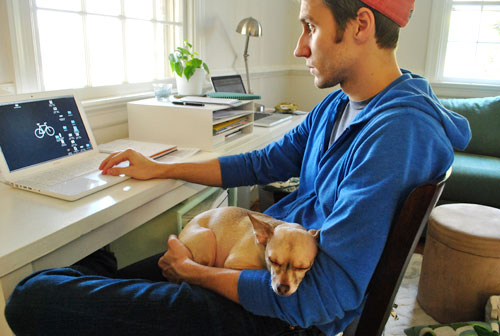
Moving day is exciting for people: new keys, cardboard boxes, takeout food, and at least one cable nobody remembers owning. For a dog, however, a new house can feel as though the entire world changed overnight. Familiar smells are gone, the yard has different boundaries, the refrigerator makes suspicious noises, and every hallway requires a full security inspection.
A dog adjusting to a new house may become clingy, restless, unusually quiet, less interested in food, or temporarily unreliable with house-training. These reactions do not automatically mean the move has gone badly. Most dogs need time, predictability, and gentle guidance before a new address begins to feel like home.
How Long Does It Take a Dog to Adjust to a New House?
There is no universal adjustment clock. A confident dog may relax within a few days, while a shy rescue, senior dog, or dog with anxiety may need weeks or months. Age, health, previous experiences, travel stress, household activity, and changes in routine all affect the timeline.
The popular “3-3-3 rule” suggests that some adopted dogs spend about three days decompressing, three weeks learning the routine, and three months feeling settled. It is a useful reminder to be patient, not a scientific deadline. Dogs are individuals, not software updates.
Research synthesis:
Signs Your Dog Is Still Adjusting
- Following you from room to room
- Pacing, panting, trembling, whining, or barking
- Sleeping excessively or struggling to settle
- Eating less or refusing treats
- Having potty accidents despite previous training
- Hiding, avoiding interaction, or appearing withdrawn
- Chewing doors, furniture, boxes, or household objects
- Reacting strongly to unfamiliar sounds outside
Interpret these signs in context. Skipping one meal after a tiring trip may reflect stress. Persistent appetite loss, repeated vomiting or diarrhea, pain, breathing difficulty, extreme lethargy, or inability to rest warrants veterinary advice.
Research synthesis:
Prepare the New Home Before Your Dog Arrives
Walk through the property at dog level. Secure electrical cords, medications, cleaning products, trash, pest-control products, toxic plants, sharp renovation materials, and small objects that could be swallowed. Check screens, gates, balcony rails, and fences. A gap that looks decorative to you may look like an invitation to an anxious escape artist.
Update your dog’s identification tag and microchip contact information. Use a secure collar or harness and leash outdoors until you have inspected every boundary and learned how your dog responds to the new environment.
Research synthesis:
Create a Quiet Safe Zone
Set up one calm area with water, familiar bedding, a few toys, and an open crate or resting spot if your dog already likes one. A bedroom corner, office, gated room, or quiet living-room area can work. The space should communicate, “Nothing surprising happens here,” not “You are in trouble.”
Keep a few unwashed blankets or toys from the old home. Your decorating instincts may prefer fresh linen; your dog may prefer the blanket that smells like old naps and questionable life choices.
Research synthesis:
The First 24 Hours: Keep Life Small
Take your dog directly to the designated potty area on leash. Allow time to sniff; sniffing is information gathering, and the neighborhood has just uploaded several gigabytes of local gossip.
Inside, introduce the safe zone first and let your dog explore gradually. Avoid immediately inviting neighbors, relatives, children, and the family friend who believes every dog wants a bear hug. Start with one or two rooms, then expand access as your dog becomes calmer. Gates and closed doors prevent frantic exploration, chewing, and accidents.
Offer the same food at the usual time. Sudden dietary changes combined with moving stress can upset digestion. If your dog skips a meal but remains alert and hydrated, try again at the next scheduled feeding. Continued refusal, especially with other symptoms, deserves a veterinary call.
Research synthesis:
Rebuild a Familiar Daily Routine
Routine is one of the best tools for helping a dog settle into a new home. Keep meals, potty breaks, walks, play, training, and bedtime as consistent as possible. Predictability teaches a reassuring pattern: food arrives, walks happen, people return, and bedtime remains delightfully boring.
Use familiar cues such as “outside,” “bed,” and “settle.” Reward calm behavior with praise, treats, or gentle affection. Short reward-based training sessions reconnect your dog with known skills while creating positive associations with the new environment.
Research synthesis:
Expect Temporary Potty Setbacks
Even a reliably house-trained dog may have accidents because the exits, surfaces, signals, and outdoor toilet area are unfamiliar. Offer more potty trips than usual, particularly after waking, eating, drinking, playing, and before bed. Praise outdoor elimination and clean indoor accidents with an enzymatic pet cleaner.
Do not punish accidents. Scolding may increase anxiety without teaching the correct location. Frequent, painful, or sudden house soiling should be evaluated by a veterinarian.
Research synthesis:
Introduce the Neighborhood Gradually
Begin with short walks close to home. Repeating the same quiet route helps create familiarity before you try busy streets, dog parks, elevators, stores, or crowded trails. A relaxed dog can usually sniff, take treats, and recover quickly after a sound. A stressed dog may freeze, scan constantly, tuck the tail, pull toward home, or refuse food.
When stress rises, increase distance from the trigger and return to an easier setting. Use curtains, privacy film, white noise, or calm music if passing people, hallway sounds, or traffic keep your dog on alert. Reward quiet observation before barking escalates. Yelling may sound as though you have joined the alarm system.
Research synthesis:
Practice Being Alone in the New House
A move can trigger or worsen separation-related distress. When possible, avoid leaving your dog alone for hours immediately after arrival. First help the dog relax while you are present. Then practice brief separations: step into another room, walk outside for a few seconds, or take out the trash and return before anxiety builds.
Increase the duration gradually and keep departures and arrivals calm. A pet camera can reveal pacing, vocalizing, drooling, scratching exits, house soiling, or destruction that occurs only when you leave. Severe distress is not revenge or a critique of your interior design. Consult a veterinarian or qualified reward-based behavior professional rather than repeatedly extending an absence the dog cannot handle.
Research synthesis:
Helping Rescue Dogs, Puppies, and Seniors
Rescue Dogs
A newly adopted dog is learning people, rules, sounds, schedules, and handling styles as well as a building. Behavior during the first few days may not represent the dog’s long-term personality. Keep pressure low, allow the dog to choose interaction, and introduce resident pets carefully. Manage food, toys, beds, and unsupervised contact until everyone is consistently relaxed.
Puppies
Puppies need frequent potty trips, structured naps, safe chewing options, supervision, and tiny lessons in independence. Crying at night is common when everything familiar has changed. A nearby sleeping area and predictable bedtime routine can help.
Senior Dogs
Older dogs may need extra time to map the home, especially with reduced vision, hearing loss, arthritis, or cognitive changes. Use nonslip rugs, night-lights, ramps, and consistent furniture placement. Keep water, bedding, and exits easy to reach.
Research synthesis:
Mistakes That Can Slow Adjustment
- Changing everything at once: New food, rules, equipment, and schedules can overload a stressed dog.
- Forcing introductions: Let your dog approach people and spaces at a comfortable pace.
- Punishing stress behavior: Address the cause and teach an alternative.
- Giving unlimited freedom too soon: Gradual access makes exploration manageable.
- Skipping appropriate exercise: Walking, sniffing, play, and enrichment help many dogs release tension.
- Assuming every dog follows the same timeline: Progress is rarely perfectly linear.
Research synthesis:
When to Seek Professional Help
Contact a veterinarian when your dog has persistent appetite loss, repeated digestive problems, pain, breathing changes, extreme lethargy, urinary changes, self-injury, or a sudden major behavior change. Medical problems can resemble anxiety, and stress can worsen existing conditions.
Behavioral help is appropriate when your dog cannot settle, panics when alone, repeatedly tries to escape, becomes dangerously destructive, shows escalating aggression, or makes little progress despite patient management. Medication may help some dogs, but it should be prescribed by a veterinarian and paired with environmental management and behavior modification.
Research synthesis:
Conclusion
Helping a dog adjust to a new house is mainly an exercise in making the unfamiliar predictable. Start with safety, a quiet retreat, familiar belongings, and a reliable routine. Introduce rooms, visitors, neighborhood walks, and alone time gradually. Expect temporary changes in appetite, sleep, house-training, and confidence, while watching for persistent symptoms that need professional care.
Your dog does not need a perfect moving day. Your dog needs repeated proof that the new home is safe, needs will be met, and trusted people are still nearby. With patience, strange hallways become favorite nap spots, suspicious noises fade into the background, and the new front door eventually means exactly what the old one did: home.
Experiences With a Dog Adjusting to a New House
The following examples are realistic composites of common owner experiences rather than guarantees about every dog.
The Shadow Dog
During the first week, a dog may follow one person everywhereeven into rooms where privacy was once considered a household value. The person is the only familiar landmark in an unfamiliar environment. A useful response is to place a comfortable mat near the family’s main activity area and reward the dog for resting there. Over several days, the person can move around briefly and return before the dog becomes worried. The lesson is not “stop loving me.” It is “you can relax even when I move six feet away.”
The Midnight Noise Inspector
A dog who slept peacefully in the old home may patrol the new one at night. Pipes click, elevators hum, branches touch windows, and the ice maker launches a surprise attack at 2:13 a.m. Limiting the sleeping area, closing curtains, adding white noise, and following a consistent bedtime routine often helps. A final potty trip, calm sniffing, and a familiar blanket make nighttime less mysterious. Ongoing pacing may also justify checking for pain, digestive discomfort, or age-related changes.
The Temporary Potty Regression
A previously house-trained dog may urinate near the back door because the exit looks different, the usual signal goes unnoticed, or the outdoor toilet area is unclear. Successful owners return to beginner-level management without drama: frequent scheduled trips, supervision, praise outside, and careful cleaning indoors. The setback often improves once the dog understands the new route. Punishment makes the situation more confusing, especially when anxiety caused the accident.
The Dog Who Will Not Eat
Some dogs inspect the kitchen before the moving truck leaves. Others stare at dinner as though the bowl has personally betrayed them. Keeping the usual food, bowl, location, and schedule can help. Owners can sit quietly nearby without constant coaxing or creating a rich-food buffet that causes stomach trouble. When appetite returns soon and the dog remains bright and hydrated, stress may have been responsible. Continued refusal, weakness, vomiting, or diarrhea requires veterinary guidance.
The Slow-Blooming Rescue
A rescue dog may spend several days sleeping, avoiding toys, and revealing little personality. Then, during the second or third week, the dog steals a sock, performs a joyful hallway sprint, or develops a passionate opinion about squirrels. This does not mean the dog has become “bad.” It may mean the dog finally feels safe enough to behave normally. Consistent boundaries, reward-based training, suitable outlets, and humor help the household adapt too.
Across these experiences, the pattern is similar: notice behavior, reduce pressure, preserve routine, and respond to the dog in front of you. Progress may be a full meal, a relaxed nap, a quiet departure, or a tail that finally rises during a walk. Small victories are how a strange building becomes familiar territory.