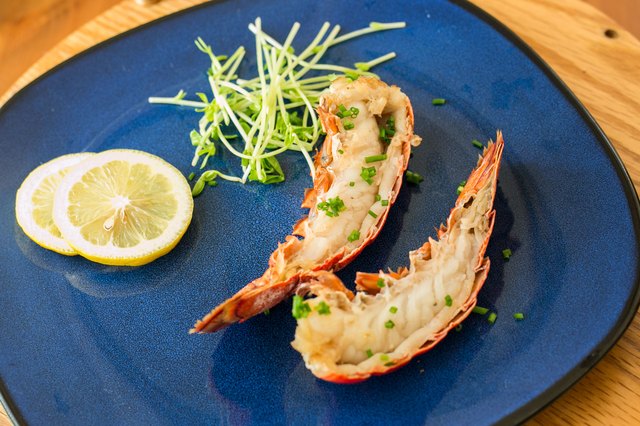
Lobster tails have a wonderful talent for making dinner look ewondering where the kitchen shears went. Their sweet, firm meat needs very little decoration, but it does demand careful cooking. A few extra minutes can transform a luxurious seafood dinner into something with the bounce of a pencil eraser.
The good news is that learning how to cook lobster tails is much easier than wrestling with a whole live lobster. Broiling, baking, grilling, steaming, boiling, butter-poaching, and air-frying can all produce excellent results. The best method depends on whether you want dramatic browning, smoky flavor, gentle moisture, or a nearly foolproof weeknight preparation.
This guide compares the best ways to cook lobster tails, explains how to thaw and butterfly them, provides useful cooking times, and shows you how to recognize perfectly cooked lobster without relying on guesswork.
Start With Good Lobster Tails
Great cooking cannot completely rescue a poor-quality lobster tail. Before discussing butter, broilers, and dramatic plate presentations, choose tails that look properly handled and well frozen.
Cold-Water vs. Warm-Water Lobster Tails
Cold-water tails, including those from Maine, Canada, and the North Atlantic, are generally prized for their firm texture and sweet, clean flavor. Warm-water tails, often sold as rock or spiny lobster, can also be delicious, especially when grilled, but their texture and quality may vary more from package to package.
Whatever variety you buy, avoid packages with excessive frost, large ice crystals, discoloration, torn wrapping, or signs that the seafood thawed and was refrozen. A small amount of protective ice glazing is normal. An entire frozen aquarium inside the package is less encouraging.
How Much Lobster Tail Per Person?
For a main course, plan on one 6- to 10-ounce lobster tail per person. Smaller 4- to 5-ounce tails work well as part of a surf-and-turf meal, especially when paired with steak, chicken, pasta, or a substantial side dish.
Smaller tails are often easier to cook evenly. Large tails create an impressive presentation, but their thick centers require more careful temperature monitoring.
How to Thaw Frozen Lobster Tails Safely
Most lobster tails sold in the United States have been frozen, even when displayed at a seafood counter. Frozen tails can be excellent because they are commonly processed and frozen soon after harvest.
The best thawing method is to place the wrapped tails on a plate in the refrigerator overnight. Slow refrigerator thawing protects the texture and keeps the seafood at a safe temperature.
For faster thawing, seal the tails in a leakproof bag and submerge them in cold water. Change the water about every 30 minutes until the tails are flexible and no hard ice remains in the center. Do not thaw lobster tails on the kitchen counter or soak unwrapped tails directly in water. Counter thawing creates food-safety concerns, while direct soaking can dilute the lobster’s flavor.
Research basis for seafood selection, handling, and safe thawing: utterfly a Lobster Tail
Butterflying exposes the meat so that it can be seasoned, brushed with butter, and cooked more evenly. It also creates the steakhouse-style presentation in which the meat rests on top of the shell.
- Pat the thawed tail dry and place it shell-side up.
- Using sturdy kitchen shears, cut lengthwise through the top shell, stopping before the tail fan.
- Gently spread the shell apart with your fingers.
- Lift the meat from the shell while leaving it attached at the tail end.
- Rest the meat on top of the shell.
- Remove the dark intestinal vein if one is visible.
- Pat the meat dry before adding oil, butter, or seasonings.
For grilling, you can also split the tail completely in half lengthwise. The cut surfaces make direct contact with the grill, producing better browning and smoky flavor.
Quick Comparison of Lobster Tail Cooking Methods
| Method | Best Feature | Typical Time | Best For |
|---|---|---|---|
| Broiling | Fast browning and restaurant-style presentation | 5–10 minutes | Butterflied tails |
| Baking | Gentle, even cooking | 12–20 minutes | Beginners and larger tails |
| Grilling | Smoky flavor and light charring | 8–12 minutes | Outdoor meals |
| Steaming | Moist, tender meat | 5–10 minutes | Simple seasoning |
| Boiling | Speed and convenience | 4–10 minutes | Salads, rolls, and pasta |
| Butter-Poaching | Rich flavor and silky texture | 6–10 minutes | Special occasions |
| Air-Frying | Fast cooking with minimal cleanup | 4–8 minutes | Small batches |
Cooking times are estimates. Tail size, starting temperature, appliance strength, and preparation style all affect the actual time. A thermometer and visual inspection are more reliable than the clock.
1. Broiling: The Best Overall Method
Broiling is one of the best ways to cook lobster tails because it is fast, flavorful, and visually impressive. Direct heat from above browns the exposed meat while the shell protects the bottom from drying out.
How to Broil Lobster Tails
- Position an oven rack about 5 to 7 inches below the broiler.
- Preheat the broiler on high.
- Arrange butterflied tails on a foil-lined baking sheet.
- Brush the meat with melted butter, olive oil, or garlic-herb butter.
- Season lightly with salt, black pepper, paprika, and lemon zest.
- Broil until the meat is pearly, opaque, and lightly browned.
A 5- to 6-ounce tail may take approximately five minutes, while a larger tail can require eight to ten minutes. Rotate the pan if your broiler heats unevenly. Broilers have personalities, and some of them are clearly going through something.
Broiling works particularly well with garlic butter made from melted unsalted butter, minced garlic, lemon juice, parsley, and a small pinch of smoked paprika. Apply some before cooking and reserve a clean portion for serving.
2. Baking: The Easiest Method for Beginners
Baking uses gentler heat than broiling, giving you a larger margin between undercooked and overcooked. It is an excellent choice for larger tails or for anyone preparing several servings at once.
How to Bake Lobster Tails
- Preheat the oven to 400°F or 425°F.
- Place butterflied tails in a shallow baking dish.
- Add a thin layer of water, white wine, or seafood stock to the bottom of the dish.
- Brush the lobster meat with seasoned butter.
- Bake until the center is opaque and properly cooked, usually 12 to 20 minutes.
Adding a little liquid and loosely covering the dish during the first portion of cooking creates a moist environment. Remove the cover near the end if you want more color. For stuffed lobster tails, add breadcrumbs, herbs, Parmesan, and finely chopped crab or shrimp, but keep the topping light enough that the delicate lobster remains the main event.
3. Grilling: The Best Method for Smoky Flavor
Grilling lobster tails adds charred edges and a subtle smoky flavor that butter alone cannot provide. Split tails cook especially well on a grill because the meat has direct contact with the hot grates.
How to Grill Lobster Tails
- Preheat a clean grill to medium-high heat.
- Split the tails lengthwise or butterfly them.
- Brush the meat and shell with neutral oil.
- Season with salt and pepper.
- Place split tails flesh-side down for two to four minutes.
- Turn them shell-side down, brush with garlic butter, and continue cooking until done.
Keeping most of the cooking time on the shell side reduces the chance of scorching the delicate meat. Close the grill lid briefly to create oven-like heat, but remain nearby. Lobster tails cook too quickly for a leisurely trip inside to reorganize the refrigerator.
Grilled lobster pairs naturally with lemon, tarragon, parsley, chives, chili flakes, or a honey-lime glaze. Sugary sauces should be applied near the end so they do not burn.
Research basis for broiling, baking, and grilling techniques: ing: The Best Method for Tender Meat
Steaming surrounds lobster tails with moist heat without submerging them. This helps preserve their clean, sweet flavor and reduces the risk of waterlogged meat.
How to Steam Lobster Tails
- Add about two inches of water to a pot and insert a steamer basket.
- Bring the water to a strong simmer or boil.
- Arrange the tails in the basket without overcrowding.
- Cover the pot and steam until the meat is opaque.
Small butterflied tails may cook in four to six minutes. Whole or larger tails can take six to ten minutes. Steaming is ideal when you plan to serve the lobster with clarified butter, use the meat in lobster rolls, or chill it for a salad.
You can flavor the steaming liquid with lemon peel, bay leaves, peppercorns, white wine, or fresh herbs. The effect is subtle, so think of these ingredients as backup singers rather than the lead vocalist.
5. Boiling: The Fastest Traditional Method
Boiling is straightforward and useful when appearance is less important than speed. It works particularly well when the cooked meat will be removed from the shell and used in lobster rolls, tacos, pasta, bisque, or macaroni and cheese.
How to Boil Lobster Tails
- Bring a large pot of heavily salted water to a rolling boil.
- Add the thawed tails carefully.
- Reduce the heat enough to maintain a controlled boil.
- Cook until the shells are bright red and the meat is opaque.
- Remove the tails immediately with tongs.
Small tails may require only four to six minutes, while larger tails can take eight to ten minutes. Do not leave cooked tails sitting in hot water. Lobster continues cooking after removal, and a casual soak can quickly become an expensive rubber experiment.
6. Butter-Poaching: The Most Luxurious Method
Butter-poaching produces exceptionally rich, tender lobster meat. Unlike frying, the butter is kept at a low temperature so the lobster cooks gently rather than browning aggressively.
How to Butter-Poach Lobster Meat
- Briefly blanch or steam the tails so the meat can be removed from the shells.
- Melt butter over low heat with a spoonful of water.
- Add garlic, thyme, tarragon, or lemon peel if desired.
- Place the shelled lobster meat in the warm butter.
- Cook gently, turning occasionally, until opaque and tender.
The butter should remain warm and emulsified, not sizzling or browning. Serve butter-poached lobster over risotto, mashed potatoes, fresh pasta, or toasted brioche. This is not the method for people currently attempting to avoid butter. The butter has already won.
7. Air-Frying: The Best Small-Batch Shortcut
An air fryer cooks lobster tails quickly and concentrates heat around the exposed meat. It is convenient for one or two servings and avoids heating a full-size oven.
- Preheat the air fryer to approximately 380°F.
- Butterfly and season the tails.
- Place them shell-side down in the basket.
- Cook until the meat is opaque and tender.
Four- to five-ounce tails may be ready in three to five minutes, while larger tails can require six to eight minutes. Basket size and appliance power vary, so begin checking early.
Research basis for steaming, boiling, poaching, and air-frying: ell When Lobster Tails Are Done
Properly cooked lobster meat should look pearly white and opaque rather than translucent. It should feel firm but still yield slightly when pressed. The shell normally turns red or bright orange, but shell color alone does not confirm that the thickest part of the meat is cooked.
Insert an instant-read thermometer horizontally into the thickest section without touching the shell. Many culinary guides target approximately 135°F to 140°F for a tender texture. For a more conservative food-safety benchmark, particularly when serving pregnant people, older adults, young children, or anyone with a weakened immune system, cook seafood thoroughly and consider a target of 145°F.
Remember that carryover heat continues to raise the temperature briefly after cooking. Remove the tails promptly rather than waiting until every visible drop of moisture has fled the scene.
Research basis for doneness and temperature guidance: obster Tail Cooking Mistakes
Cooking the Tails While Still Frozen
A frozen center cooks more slowly than the exterior. By the time the middle is done, the outside may be dry and chewy. Thaw tails completely unless the package provides tested instructions for cooking from frozen.
Depending Only on Cooking Time
A six-ounce tail is not merely a smaller version of a twelve-ounce tail. Thickness, shell shape, appliance temperature, and starting temperature influence cooking speed. Use time as a reminder to start checking, not as an unquestionable verdict.
Using Too Much Seasoning
Lobster meat is naturally sweet and slightly briny. Heavy spice blends, excessive salt, and thick sauces can bury its flavor. Butter, lemon, garlic, paprika, and fresh herbs should support the lobster rather than arrive with a marching band.
Adding Garlic Butter Too Early Over High Heat
Butter solids and minced garlic can burn under a powerful broiler or over direct grill flames. Begin with oil or clarified butter, then add regular garlic butter during the final minutes or immediately after cooking.
Overcrowding the Pan or Steamer
Tails need space for heat and steam to circulate. Crowding creates uneven cooking and makes it difficult to remove individual tails at the correct moment.
Simple Garlic Butter for Lobster Tails
Combine the following ingredients:
- 6 tablespoons unsalted butter, melted
- 1 small garlic clove, finely minced
- 1 tablespoon fresh lemon juice
- 1 teaspoon lemon zest
- 1 tablespoon chopped parsley or chives
- A pinch of paprika
- Salt and black pepper to taste
Divide the mixture before brushing raw lobster so that the serving portion remains uncontaminated. For a spicier version, add cayenne, red pepper flakes, or a few drops of hot sauce. For a brighter sauce, replace part of the lemon juice with lime and add chopped cilantro.
What to Serve With Lobster Tails
Classic accompaniments include corn on the cob, roasted potatoes, asparagus, green beans, coleslaw, Caesar salad, rice pilaf, crusty bread, and macaroni and cheese. A surf-and-turf plate can pair a smaller tail with filet mignon, New York strip, or grilled chicken.
Rich cooking methods such as butter-poaching benefit from lighter sides and acidic dressings. Simply steamed or boiled lobster can handle richer potatoes, biscuits, chowder, or pasta. Lemon wedges are nearly mandatory, while a warm bowl for discarded shells prevents the table from looking like a maritime archaeological site.
Real-World Experiences and Lessons From Cooking Lobster Tails
The most common first experience with lobster tails begins with caution. The package looks expensive, the shell looks armored, and every recipe seems to offer a different cooking time. Many home cooks respond by cooking the tails “just a little longer to be safe.” That extra time is usually where trouble begins.
A useful kitchen experience is to cook two similarly sized tails using different methods. Broil one and steam the other. The broiled tail develops browned edges, a stronger roasted aroma, and a dramatic appearance. The steamed tail remains softer and tastes more purely of lobster. Neither result is automatically better. The comparison reveals that choosing a cooking method is really about choosing the texture and flavor you want.
Another lesson appears when cooking tails of different sizes together. A small tail may finish several minutes before a large one. Removing each tail individually produces far better results than waiting until the entire tray looks done. This feels slightly fussy the first time, but it quickly becomes normal. Steak cooks already understand this principle: dinner does not improve merely because every portion leaves the heat simultaneously.
Butterflying also becomes easier with experience. The first attempt can feel like performing minor surgery on a creature wearing medieval armor. The shell may crack unevenly, and the meat may refuse to lift cleanly. After a few tries, the process takes only a minute. The biggest improvement comes from using sharp kitchen shears and handling the meat gently instead of forcing it through a narrow opening.
Grilling offers another memorable lesson. Lobster meat placed over aggressive direct heat can develop beautiful grill marks while drying rapidly underneath. Cooking briefly flesh-side down and finishing mostly shell-side down provides better control. Preparing the butter and side dishes before grilling is equally important because the tails may be finished in less than ten minutes. Lobster is not interested in waiting while someone begins chopping parsley.
Seasoning experiments usually lead back to simplicity. A complicated marinade may sound sophisticated, but lobster’s sweetness is easily overwhelmed. In side-by-side tastings, combinations such as butter, lemon, garlic, and parsley often outperform sauces containing numerous strong ingredients. More flavorings do not always create more flavor; sometimes they create a committee meeting.
Using a thermometer may be the most valuable practical experience of all. Visual cues are helpful, but thick lobster tails can appear opaque near the surface while remaining underdone in the center. A quick temperature check removes uncertainty and reduces the temptation to overcook. Insert the probe from the side into the thickest part so that it measures the meat rather than the hot shell.
Leftover lobster offers one final lesson: reheat it gently. High heat can turn already cooked meat tough within moments. Warm leftovers slowly in melted butter, fold them into pasta at the end of cooking, or serve them cold in a lobster roll or citrus salad. A cooked lobster tail has already completed its major performance. Reheating should be a quiet encore, not an action-movie sequel.
After several lobster dinners, most cooks become less concerned with discovering one universally perfect method. Instead, they build a small collection of dependable approaches. Broiling becomes the choice for a fast celebration, steaming for salads and lobster rolls, grilling for summer gatherings, baking for low-stress entertaining, and butter-poaching for occasions when subtlety has been politely asked to leave the room.
Conclusion
The best way to cook lobster tails depends on the meal you want to create. Broiling offers the strongest combination of speed, browning, and presentation. Baking provides gentle control, grilling adds smoky character, and steaming preserves delicate moisture. Boiling is practical for recipes using removed meat, while butter-poaching delivers the richest texture. An air fryer handles small batches with impressive efficiency.
Regardless of the method, the essential rules remain the same: thaw the tails safely, prepare them evenly, season with restraint, monitor the thickest section, and stop cooking as soon as the meat is opaque and tender. Do that, and lobster tails become less of an intimidating luxury and more of a reliable special-occasion dinnereven when the occasion is simply Tuesday.