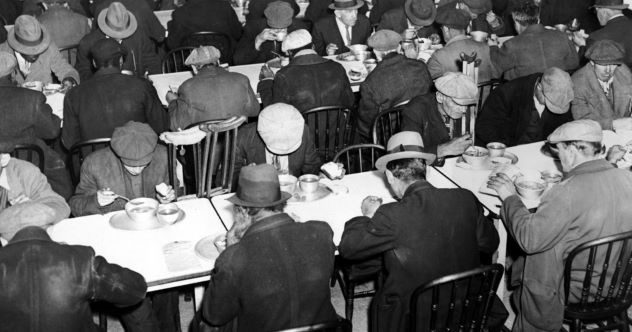
Great Depression foods have a reputation problem. Say the phrase out loud and most people picture gray soup, sad bread, and something called “loaf” that probably should have stayed anonymous. But here’s the surprise: many Depression-era recipes were not just edible. Some were clever, comforting, and genuinely delicious.
During the 1930s, American families had to cook with whatever they could afford, grow, stretch, borrow, barter, can, or transform into dinner with a little flour and stubborn optimism. Meat was expensive. Sugar could be precious. Waste was practically a household villain. So cooks leaned into potatoes, beans, pasta, bread, canned tomatoes, garden greens, and simple desserts that made a table feel warmer even when money was tight.
The best Great Depression recipes were built on three timeless ideas: use cheap ingredients, waste nothing, and make the meal satisfying enough that nobody feels cheated. That is why so many of these dishes still work today. In a world of rising grocery bills and overcomplicated recipes, Depression-era cooking feels oddly modern. It is budget cooking with backbone, comfort food with a history lesson, and proof that flavor does not require a luxury grocery receipt long enough to use as wallpaper.
Below are the top 10 Great Depression foods that are actually tasty, along with why they worked then, why they still work now, and how to make them better without insulting Grandma’s survival skills.
Why Great Depression Foods Still Matter Today
Great Depression foods were born from hardship, but they were not all depressing. Many dishes came from farm kitchens, urban apartments, church suppers, soup kitchens, and family tables where cooks had to stretch food without stretching patience. The meals were often simple, filling, and designed to feed several people from pantry staples.
Today, these recipes appeal for practical reasons. They are affordable, flexible, and usually made with ingredients most people already have: potatoes, pasta, beans, bread, flour, canned tomatoes, onions, eggs, and a little fat. They also fit perfectly into the current interest in low-waste cooking, frugal meal planning, and nostalgic comfort food.
The real magic is not that these dishes are old. It is that they solve modern kitchen problems beautifully. Need dinner from nearly nothing? Hoover stew has entered the chat. Need dessert without eggs or milk? Depression cake is already wearing an apron. Need a meal that tastes like a hug and costs less than takeout delivery fees? Beans and cornbread would like a word.
Top 10 Great Depression Foods That Are Actually Tasty
1. Hoover Stew
Hoover stew is one of the most famous Great Depression foods, and it deserves its place in the budget-cooking hall of fame. Traditionally, it combined macaroni, canned tomatoes, hot dogs, and sometimes canned corn or beans. The name came from President Herbert Hoover, whose administration became closely associated with the early years of the Depression.
At first glance, Hoover stew sounds like something invented by a tired parent during a thunderstorm. But the logic is excellent. Pasta provides bulk, tomatoes add acidity and body, hot dogs bring salt and fat, and beans or corn add texture. It is not fancy, but it is deeply satisfying in the same way that a simple chili mac can be.
To make Hoover stew tastier today, sauté onion and garlic first, add smoked paprika or chili powder, and finish with black pepper. Use elbow macaroni or small shells so the sauce clings to every bite. If you want a slightly fresher version, stir in parsley or chopped green onions at the end. It becomes less “emergency dinner” and more “retro pantry pasta with personality.”
2. Poor Man’s Meal
Poor Man’s Meal is a skillet dish usually made with potatoes, onions, and sliced hot dogs or sausage. It is one of the clearest examples of Depression-era food strategy: take one inexpensive protein, stretch it with a mountain of potatoes, and make the whole thing crispy enough that nobody complains.
The reason this dish still works is simple. Fried potatoes are never boring when treated properly. Let them brown instead of stirring them every five seconds like an anxious squirrel. Add onion for sweetness, hot dogs for smoky saltiness, and maybe a little garlic or mustard on the side. Suddenly, this humble meal tastes like diner hash.
Modern upgrades are easy. Use kielbasa, smoked sausage, or turkey dogs if preferred. Add bell peppers, cabbage, or leftover vegetables. Top with a fried egg and the whole dish becomes brunch. Budget brunch, yes, but still brunch. Give it a little hot sauce and you may forget it was supposed to be humble.
3. Depression-Era Potato Soup
Potato soup was a Depression staple because potatoes were cheap, filling, easy to store, and endlessly useful. A basic version needed only potatoes, water or milk, onion, salt, pepper, and perhaps a little butter or bacon grease if available.
What makes potato soup tasty is texture. Some potatoes break down into the broth, making it creamy without needing much cream. The flavor is mild but comforting, which means it welcomes whatever small extras the kitchen can spare: celery leaves, chives, bits of ham, grated cheese, or cracked pepper.
A good modern version starts by cooking onion in butter or oil, then adding diced potatoes and broth. Simmer until tender, mash some potatoes against the pot, and leave others chunky. Finish with milk, a little sour cream, or just a pat of butter. The result is warm, simple, and emotionally persuasive. It does not shout. It gently says, “Sit down, eat something, and stop checking grocery prices for five minutes.”
4. Creamed Chipped Beef on Toast
Creamed chipped beef on toast was common in military, diner, and home cooking because dried beef could be stretched in a white sauce and served over toast. It is also famously known by a less polite nickname, which we will leave in the historical drawer where it belongs.
The dish works because it follows a classic comfort-food formula: salty protein, creamy sauce, crisp toast. A small amount of beef flavors the whole pan. The white sauce, made from fat, flour, and milk, turns basic ingredients into something rich and spoonable.
To make it taste great today, rinse the dried beef briefly if it is very salty, then chop it into small pieces. Make a smooth roux, whisk in milk slowly, and season with pepper, a pinch of nutmeg, or a little Worcestershire sauce. Serve over thick toast, biscuits, or roasted potatoes. It may not be glamorous, but neither are sweatpants, and everyone loves those.
5. Milk Toast
Milk toast is one of those old-fashioned foods that sounds suspicious until you try it. At its simplest, it is toast served with warm milk, often sweetened and flavored with cinnamon, vanilla, butter, or sugar. It was commonly associated with children, illness, and gentle meals for sensitive stomachs.
But milk toast can be surprisingly lovely when made with good bread. Think of it as the quiet cousin of French toast, bread pudding, and cereal. Toast gives structure. Warm milk adds comfort. Cinnamon and butter bring coziness. It is soft, sweet, and soothing.
For a modern version, use thick-cut bread, toast it well, cut it into cubes, and pour warm milk over the top. Add brown sugar, cinnamon, vanilla, and a tiny pinch of salt. If you want it more dessert-like, use evaporated milk or a splash of cream. It is not dramatic. It will not trend under the name “deconstructed toast cloud.” But it tastes like something you would eat under a blanket while rain taps the window.
6. Depression Cake
Depression cake, also called wacky cake or crazy cake, is one of the most beloved Great Depression desserts because it skips ingredients that were expensive or scarce for many families: eggs, milk, and butter. Instead, it uses flour, sugar, cocoa, baking soda, vinegar, oil, water, and vanilla.
The science is simple and brilliant. Vinegar reacts with baking soda, helping the cake rise. Oil replaces butter. Cocoa brings depth. The result is moist, tender, and shockingly good for something that sounds like a pantry dare.
Chocolate Depression cake remains popular because it also happens to be naturally dairy-free and egg-free, which makes it useful for modern households with allergies or dietary preferences. Add coffee instead of water for deeper chocolate flavor, dust with powdered sugar, or top with a simple glaze. No one will know it came from a recipe designed to survive hard times unless you dramatically whisper it while serving.
7. Water Pie
Water pie is a Depression-era dessert that sounds impossible in the way magic tricks sound impossible. The filling starts with water, sugar, flour, butter, and vanilla baked inside a pie crust. Somehow, it becomes a soft, custardy pie with a delicate sweetness.
The appeal of water pie is not just thrift. It is the drama. You pour water into a crust and, after baking, pull out dessert. That is kitchen wizardry performed with pantry lint. The flour thickens the filling, the sugar sweetens it, butter adds richness, and vanilla makes it feel intentional rather than desperate.
For the best flavor today, use a buttery pie crust and real vanilla. Add a pinch of salt to balance the sweetness. Chill the pie before slicing so the filling sets properly. Water pie is not as rich as custard pie, but it has a gentle charm. It is the dessert equivalent of making something out of nothing and then accepting applause.
8. Slugburgers
The slugburger is a Depression-era burger associated especially with Corinth, Mississippi. Despite the name, it does not contain slugs. Everyone may now exhale. The “slug” referred to a nickel, the low price these burgers once sold for. The patties were made by stretching ground meat with fillers such as bread crumbs, flour, meal, or soy grits, then frying them until crisp.
What makes slugburgers tasty is the texture. The filler is not just a budget trick; it creates a crunchy edge and lighter bite. Served on a bun with mustard, pickles, and onions, the slugburger becomes more than a cheap burger. It becomes a regional food with real personality.
To make a home version, mix ground beef with bread crumbs or cracker crumbs, season well, flatten thin, and fry until the outside is deeply browned. Keep the toppings sharp and simple. Mustard and pickles cut through the richness beautifully. It is proof that stretching meat does not have to mean sacrificing flavor. Sometimes it means accidentally inventing a crispy burger legend.
9. Dandelion Salad
Dandelion salad represents another important part of Great Depression cooking: using wild or homegrown foods. Dandelion greens were free, nutritious, and widely available. Instead of treating the lawn as decoration, practical cooks treated parts of it as dinner.
Dandelion greens have a bitter edge, similar to arugula or chicory. That bitterness becomes delicious when balanced with fat, acid, and sweetness. A traditional approach might include a warm bacon dressing, vinegar, onion, and perhaps sliced hard-boiled egg.
Today, dandelion salad fits right into the world of bitter greens and farm-to-table cooking. Use young leaves, which are less harsh than mature greens. Toss them with warm vinaigrette, crispy bacon, toasted bread crumbs, or soft-boiled eggs. The result is bright, bold, and surprisingly elegant. Depression-era cooks may not have called it “foraged greens with warm pork vinaigrette,” but a modern restaurant absolutely would, and then it would charge fourteen dollars.
10. Beans and Cornbread
Beans and cornbread may be the ultimate Depression-era comfort meal. Beans were inexpensive, filling, protein-rich, and easy to cook in large batches. Cornbread was cheap, quick, and perfect for soaking up broth. Together, they made a meal that could feed a family without requiring much meat.
This dish is still tasty because it understands balance. Beans are earthy and savory. Cornbread is sweet, crumbly, and golden. Add onions, a ham bone, salt pork, or smoked paprika, and the beans gain depth. Add butter or honey to the cornbread, and the whole meal feels generous.
For a modern version, simmer pinto beans, navy beans, or black-eyed peas with onion, garlic, bay leaf, and a smoky seasoning. Serve with skillet cornbread and a splash of hot pepper vinegar. It is cheap, yes, but it does not taste cheap. It tastes like someone knew exactly what they were doing with limited ingredients.
Honorable Mentions Worth Bringing Back
Not every tasty Depression-era food made the top 10, but several deserve a nod. Tomato gravy, especially in the South, turned tomatoes, flour, fat, and seasoning into a savory sauce for biscuits, rice, eggs, or toast. Macaroni and cheese remained popular because pasta and cheese sauce could feed a crowd. Cabbage soup, rice pudding, cornmeal mush, and peanut butter bread also helped families stretch meals without sacrificing comfort.
Some Depression recipes are better remembered than revived exactly as written. Not every loaf, aspic, or canned-meat experiment needs a comeback tour. But the strongest dishes endure because they are built on good cooking instincts: brown the starch, season the sauce, stretch the protein, save the scraps, and never underestimate the power of onions cooked slowly in fat.
What These Foods Teach Us About Flavor and Frugality
Great Depression foods prove that tasty meals do not always begin with abundance. Sometimes they begin with limits. When cooks had less meat, they learned to use it as seasoning. When they had stale bread, they turned it into toast, crumbs, stuffing, or pudding. When dessert seemed impossible, they used chemistry, creativity, and a little vinegar.
The secret was not pretending scarcity was fun. It was making food feel human despite scarcity. A pot of soup stretched with potatoes could still be seasoned with care. A simple cake could still make a birthday feel like a birthday. A skillet of fried potatoes could still gather people around the table.
That lesson matters today. Modern budget cooking often gets framed as sacrifice, but Depression-era recipes show another possibility: creativity. A cheap meal can still have texture, contrast, aroma, and comfort. It can still be memorable. It can still be the thing people ask you to make again.
Modern Tips for Making Great Depression Recipes Taste Even Better
Use Browning Whenever Possible
Browning adds flavor without adding much cost. Let potatoes crisp. Toast bread deeply. Brown meat patties well. Cook onions until sweet. A little patience can make budget ingredients taste richer.
Lean on Acid
Vinegar, mustard, pickles, lemon juice, and tomato all wake up heavy dishes. Depression-era meals often relied on starch, so acid helps keep them lively instead of flat.
Use Meat as a Seasoning
Instead of making meat the center of the plate, use small amounts of bacon, sausage, hot dogs, ham, dried beef, or ground beef to flavor beans, potatoes, soups, and stews. This was a classic money-saving move, and it still works.
Do Not Skip Salt and Pepper
Simple food needs proper seasoning. Many Depression-era foods are bland only when under-seasoned. Taste as you cook, and remember that potatoes, beans, pasta, and flour-based sauces all need enough salt to come alive.
Add Freshness at the End
Green onions, parsley, celery leaves, cabbage, herbs, or a spoonful of relish can brighten a heavy dish. Even a tiny fresh garnish makes a humble meal feel finished.
Experience Section: What Cooking Great Depression Foods Feels Like Today
Cooking Great Depression foods today is a strange and wonderful experience because it starts as a curiosity and ends as a kitchen reality check. At first, you might approach these recipes like edible antiques. You imagine yourself bravely testing historical food while your modern refrigerator hums in the background like a smug robot. Then you start chopping potatoes, opening canned tomatoes, stirring cake batter without eggs, and realizing that these recipes are not museum pieces. They are practical, flexible, and often shockingly good.
The first thing you notice is how calm the cooking feels. Many modern recipes require specialty ingredients, multiple bowls, exact timing, and one herb you will use once before it becomes compost in the crisper drawer. Depression-era cooking is different. It asks, “Do you have potatoes? An onion? Some bread? A can of tomatoes? Good. We can work with that.” There is something deeply satisfying about making dinner from plain ingredients and watching them become more than the sum of their parts.
Take Poor Man’s Meal, for example. On paper, it looks almost too simple: potatoes, onions, and sliced hot dogs. But when the potatoes crisp in the pan and the onions turn golden, the smell is instantly convincing. Add black pepper and mustard, and suddenly the dish tastes like something from a roadside diner that knows exactly how to fix a bad day. It is not refined, but it is honest. It fills the plate and does not apologize.
Hoover stew has a similar effect. You may begin with skepticism because macaroni, tomatoes, and hot dogs sound like a meal assembled during a power outage. But add garlic, paprika, and beans, and it becomes hearty, cheerful, and oddly nostalgic even if you did not grow up eating it. It is the kind of food that tastes better in a big bowl, preferably while wearing socks you do not plan to show anyone.
The desserts are even more surprising. Depression cake feels like a trick. No eggs, no milk, no butter, and yet the cake rises beautifully. It tastes moist and chocolaty, not like a compromise. Water pie is more delicate, and it demands a little faith. Pouring water into a pie crust feels wrong, almost criminal. But after baking and chilling, it becomes sweet, soft, and charming. You understand why a dessert like that mattered. It gave families a way to end a meal with pleasure when the pantry was nearly bare.
What stands out most is the emotional intelligence of these foods. They were not designed for showing off. They were designed for feeding people. They made use of scraps, leftovers, garden greens, cheap starches, and small amounts of protein. They stretched ingredients, but they also stretched morale. A pot of beans, a pan of cornbread, a warm bowl of potato soup, or a slice of wacky cake could make an ordinary day feel steadier.
Cooking these dishes now also changes how you look at waste. Stale bread becomes toast, crumbs, or pudding. Bacon grease becomes flavor. Leftover potatoes become hash. A few vegetables become soup. You start seeing ingredients less as single-use items and more as possibilities. That mindset may be the most useful Depression-era recipe of all.
In the end, Great Depression foods are tasty not because hardship is romantic, but because people are inventive. These recipes remind us that good cooking is not always about abundance. Sometimes it is about attention, patience, and knowing how to make a little feel like enough.
Conclusion
The best Great Depression foods are more than survival meals. They are lessons in flavor, thrift, and resilience. Hoover stew, Poor Man’s Meal, potato soup, creamed chipped beef, milk toast, Depression cake, water pie, slugburgers, dandelion salad, and beans with cornbread all show how American cooks turned limited ingredients into meals worth remembering.
Some recipes are rustic. Some are quirky. A few have names that clearly needed a marketing department. But the heart of Depression-era cooking remains powerful: waste less, season well, stretch wisely, and make the table feel welcoming even when the budget is tight.
For modern home cooks, these dishes offer more than nostalgia. They offer practical ways to save money without surrendering comfort. And honestly, any era that gave us chocolate cake without eggs, milk, or butter deserves at least a respectful fork salute.
Note: This article synthesizes real Great Depression food history, traditional American recipes, and reputable modern cooking references into original web-ready content without direct source links.