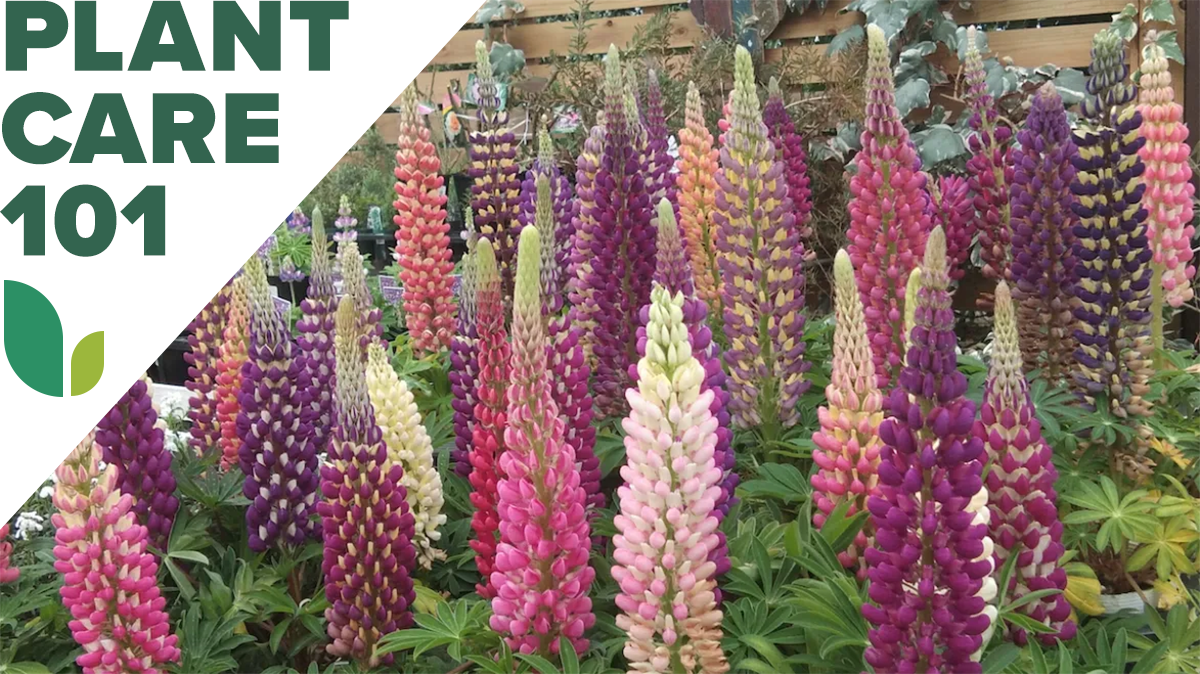
Lupines are the kind of flowers that make a garden look like it hired a stylist. Tall spikes, pea-like blossoms, soft palmate leaves, and colors that range from classic blue to pink, purple, yellow, white, and even bicolor dramalupine flowers do not simply “show up.” They arrive. Bluebonnets, the beloved Texas wildflowers, are part of this same charming plant family, which explains why a spring field of bluebonnets looks like the sky spilled politely onto the ground.
But here is the gardener’s honest truth: lupines are both generous and particular. Give them full sun, sharply drained soil, cool roots, and a “please do not fuss over me” care routine, and they can reward you with spectacular blooms. Give them soggy clay, too much fertilizer, or constant transplanting, and they may behave like offended houseguests and leave early.
This guide covers practical lupine plant care, including how to grow bluebonnets, how to start lupines from seed, where to plant them, when to water, how to avoid common mistakes, and how to keep your garden looking lush without turning it into a botanical babysitting job.
What Are Lupines?
Lupines belong to the genus Lupinus, a large group of plants in the legume family. That means they are related to peas and beans, though you should not treat them like a snack. Many lupines contain alkaloids and can be toxic if eaten, especially the seeds, so keep curious pets, livestock, and children from nibbling them.
Depending on the species and climate, lupines may grow as annuals, perennials, or short-lived perennials. Some are native wildflowers, while others are cultivated garden hybrids. Their flowers bloom on upright spikes, often in late spring to early summer, creating a vertical accent that pairs beautifully with grasses, salvia, penstemon, coreopsis, coneflower, and other pollinator-friendly plants.
Bluebonnets Are Lupines Too
Bluebonnets are not a separate magical category of flower, although Texans may lovingly disagree. They are lupines, most famously Lupinus texensis, the Texas bluebonnet. Unlike many perennial garden lupines, Texas bluebonnets are usually grown as winter annuals. They germinate in fall, form low leafy rosettes through winter, bloom in spring, set seed, and then fade as warmer weather arrives.
That life cycle is important. If you plant bluebonnet seeds in spring and expect instant fields of blue, you may end up staring at bare soil with the emotional intensity of a detective. For best results, bluebonnets need fall sowing, winter root development, and spring sunshine.
Best Growing Conditions for Lupines
Successful lupine plant care starts with the right location. These flowers are not difficult once established, but they are extremely clear about their preferences. Think of them as garden guests who do not ask for much, but absolutely require the good chair.
Light: Full Sun Is Best
Most lupines bloom best in full sun, meaning at least six hours of direct sunlight per day. Bluebonnets are even more sun-hungry and perform best with long, bright exposure. In light shade, some lupines may still grow, but flowering is usually weaker. The plants may stretch, flop, or produce more leaves than blooms.
In hot regions, a little afternoon protection can help certain perennial lupines, especially hybrid varieties that dislike intense summer heat. However, for bluebonnets, sunny, open, well-drained spaces are usually the winning formula.
Soil: Drainage Matters More Than Richness
If there is one rule to tattoo gently onto your gardening gloves, it is this: lupines hate wet feet. They prefer soil that drains quickly. Sandy, gravelly, or loose loam soil is often ideal. Heavy clay can be a problem unless improved with raised beds, compost, expanded shale, fine gravel, or other drainage-friendly amendments.
Bluebonnets are especially comfortable in alkaline, moderately fertile, well-drained soil. They often thrive in places that look too rough for pampered garden plants: roadsides, slopes, meadows, and thin rocky soils. This is why overfeeding bluebonnets is a classic mistake. Too much fertilizer can push leafy growth at the expense of flowers. In other words, you get a salad instead of a show.
Water: Moist to Start, Moderate Later
Lupine seeds and young seedlings need consistent moisture during germination and establishment. After that, watering depends on the type of lupine and your local climate. Perennial garden lupines generally appreciate evenly moist but well-drained soil. Bluebonnets prefer a lighter hand once established and can tolerate dry periods better than soggy conditions.
The safest approach is to water deeply when needed, then allow the upper soil to dry before watering again. Avoid frequent shallow watering. It encourages weak roots and keeps the soil surface damp, which can invite disease. A watering can is helpful; a swamp is not.
How to Grow Lupines From Seed
Growing lupines from seed is rewarding, affordable, and slightly humbling. Lupine seeds often have hard seed coats, which can slow germination. In nature, weather, soil abrasion, temperature shifts, and time help break down the coat. Gardeners, being impatient creatures with seed packets, often use scarification to speed things along.
Scarification: Helping Seeds Wake Up
Scarification means lightly weakening the seed coat so water can enter. For many lupine seeds, gardeners gently rub the seeds with sandpaper or nick the coat carefully. The goal is not to perform surgery. You are simply scuffing the outer layer, not destroying the seed like it owes you money.
Some commercial bluebonnet seed is already scarified. If the seed packet says it has been treated for improved germination, do not overdo it. Also, when sowing bluebonnets in naturalized areas, untreated seed can be useful because some may remain dormant and germinate in future seasons. That delayed germination is one reason wildflower patches often improve over time.
When to Plant Bluebonnet Seeds
For Texas bluebonnets, plant seeds in fall, generally from early September through mid-December, with earlier fall planting often giving seedlings more time to establish before spring bloom. The goal is to let plants develop sturdy roots during cooler months. In warm climates, fall planting is the difference between a confident spring display and a few confused sprouts wondering what the plan was.
For perennial lupines in cooler regions, seeds may be sown outdoors in fall or started indoors several weeks before the last frost. Some gardeners also winter-sow lupines in containers outdoors, allowing natural cold and moisture cycles to assist germination.
How to Sow Lupine Seeds
Choose a sunny site with excellent drainage. Loosen the top layer of soil, remove weeds, and avoid adding heavy fertilizer. Scatter seeds evenly, then press them firmly into the soil. Good seed-to-soil contact is essential. Cover lightlyabout one-quarter inch or less for bluebonnets. Too deep, and the seedlings may struggle. Too shallow, and birds may treat your garden like a buffet.
After sowing, water gently. Keep the area lightly moist until germination begins, especially if rain is scarce. Once seedlings are established, reduce watering. For bluebonnets, overwatering after establishment is far more dangerous than mild dryness.
Planting Lupine Transplants
Lupines develop long taproots, which help them survive but make them dislike transplanting. If you buy nursery plants, choose small, healthy seedlings rather than large root-bound specimens. Plant them carefully at the same depth they were growing in the container. Do not bury the crown, especially with bluebonnets, because a buried crown can rot.
Water after planting to settle the soil, then step back. Resist the urge to move them around repeatedly. Lupines are not furniture. Pick a good spot, plant once, and let them settle in.
Lupine Plant Care Through the Season
Spring Care
In spring, lupines begin active growth. Bluebonnets send up flower spikes after spending winter as low rosettes. Keep weeds under control so young plants do not compete for light and water. If rainfall is low, water lightly, but avoid soggy soil.
As flowers open, enjoy the pollinator traffic. Bees love lupines, and native lupines can support specialized wildlife. Wild lupine, Lupinus perennis, is especially important as a host plant for the endangered Karner blue butterfly in parts of its range.
Summer Care
Many bluebonnets finish blooming by late spring, then form seedpods. Let the pods mature and dry before mowing or removing plants if you want them to reseed. Perennial lupines may continue looking attractive into early summer, but they often decline in hot, humid weather. Mulch can help keep perennial lupine roots cool, but use a light layer and keep it away from the crown.
Deadheading spent flower spikes can encourage additional blooms in some garden lupines and keeps the plant tidy. However, if you want seed, leave some flower spikes in place. Gardeners must choose: neatness now or free flowers later. It is the floral version of saving leftovers.
Fall and Winter Care
Fall is prime bluebonnet planting season. For established self-seeding patches, avoid heavy disturbance until seeds have dropped. In mild-winter regions, bluebonnet seedlings will form small rosettes and sit close to the ground through winter. This is normal. They are not sulking; they are building roots.
Perennial lupines in cold zones may die back to the ground. Cut away dead foliage after frost or leave some plant material for winter habitat if disease is not present. Good air circulation and clean-up can reduce disease pressure the following year.
Fertilizing Lupines: Less Is Usually More
Lupines are legumes, and many can form relationships with soil bacteria that help fix nitrogen. This does not mean they never benefit from decent soil, but it does mean they rarely need heavy feeding. Rich fertilizer, especially high-nitrogen fertilizer, can produce lush leaves and disappointing flowers.
For bluebonnets, skip fertilizer in most cases. If plants look weak because the soil lacks the right rhizobium bacteria, a seed or soil inoculant formulated for lupines may help. For perennial garden lupines, a modest amount of compost worked into well-drained soil before planting is usually enough.
Common Lupine Problems and How to Fix Them
Poor Germination
Low germination is common with lupines, especially untreated bluebonnet seed. Hard seed coats can delay sprouting, sometimes for months or even longer. Use fresh seed from a reputable supplier, make sure seeds contact the soil, and consider scarified seed if you want faster results.
Yellowing or Stunted Seedlings
Yellow, weak seedlings often point to poor drainage, compacted soil, or too much water. Bluebonnets are particularly unforgiving in heavy, wet clay. Move future plantings to a slope, raised bed, gravelly area, or amended soil that drains quickly.
No Flowers
Lack of blooms can come from too much shade, too much nitrogen, planting too late, or insufficient winter establishment. Bluebonnets planted in spring often do not have enough cool-season growth time to flower well. Perennial lupines may also bloom poorly if summers are too hot or plants are stressed.
Aphids and Powdery Mildew
Aphids may gather on tender stems and flower spikes. A strong spray of water can knock them off, and beneficial insects often help. Powdery mildew may appear where air circulation is poor or plants are crowded. Space plants properly, avoid overhead watering late in the day, and remove badly affected foliage.
Best Places to Use Lupines in the Landscape
Lupines are excellent in cottage gardens, meadow plantings, pollinator borders, naturalized slopes, raised beds, and sunny mixed perennial beds. Bluebonnets are especially effective when planted in broad drifts. A single bluebonnet is pretty; a hundred bluebonnets look like a spring parade with better manners.
Because bluebonnets fade after setting seed, pair them with plants that fill in later. In Texas-style plantings, consider Indian blanket, coreopsis, black-eyed Susan, winecup, prairie verbena, ornamental grasses, or other regionally appropriate wildflowers. In cooler regions, perennial lupines pair well with catmint, salvia, yarrow, foxglove, columbine, and hardy geraniums.
Growing Bluebonnets Outside Texas
Can you grow bluebonnets outside Texas? Sometimes, yes. Should you expect them to behave exactly like they do in the Hill Country? Not necessarily. Bluebonnets prefer sunny sites, good drainage, moderate to alkaline soil, and a cool-season growth period before spring flowering. Regions with wet winter clay, heavy shade, or short cool seasons can be challenging.
If you live outside their ideal range, try them in a raised bed, container, gravel garden, or sunny slope. Use well-drained soil and plant in fall if winters are mild. In colder climates, experiment with protected outdoor sowing or start seeds early enough to allow strong root growth before bloom season. Treat it as a garden experiment, not a legally binding contract with nature.
Container Growing Tips
Lupines can be grown in containers, but choose deep pots because of their taproots. Drainage holes are non-negotiable. Use a loose, well-draining potting mix, and avoid keeping the container constantly wet. Bluebonnets can work in large containers, half barrels, and raised planters if they receive strong sun and are not overwatered.
Container plants dry out faster than garden plants, so monitor moisture carefully. Water when the top layer of soil begins to dry, but never allow the pot to sit in standing water. A saucer full of water may look harmless, but to a lupine root it is basically a tiny swamp with bad intentions.
How to Encourage Reseeding
To build a naturalized lupine or bluebonnet patch, let flowers finish their full life cycle. Wait until seedpods turn brown and dry before cutting plants back. Bluebonnet pods can pop open when mature, scattering seeds nearby. After seed drop, mow high or remove dead plants gently so seeds remain in place.
Do not cover the area with thick mulch after seed drop. Lupine seeds need contact with soil and enough light and air at the surface. A heavy mulch blanket can prevent germination. If you must mulch nearby beds, keep the seeded area open.
Experience-Based Notes: What Growing Lupines Teaches You
After watching gardeners succeed and struggle with lupines, one lesson becomes obvious: these plants reward restraint. Many garden flowers accept pampering. Lupines often prefer confidence, preparation, and then a little respectful neglect. The gardener who constantly waters, fertilizes, moves, and “improves” them may have worse results than the gardener who chooses a sunny, well-drained spot and lets the plants do what they evolved to do.
A practical example is bluebonnet seed. Many beginners sow it in spring because spring is when they see flowers. That feels logical, but bluebonnets are already near the end of their life cycle by then. The real work happened months earlier, when seeds germinated in fall and plants built root systems through winter. Planting bluebonnets in spring is like arriving at a concert after the encore and asking where the opening act went.
Another experience worth noting is that the first year may not be the best year. A bluebonnet patch can look sparse at first because not every seed germinates immediately. Some seeds wait. This delayed germination can be frustrating, but it is also a survival strategy. In a home garden, it means patience can pay off. Let plants reseed, avoid mowing too early, and resist the urge to declare failure after one season.
Soil is another common teacher. Gardeners often assume that better soil means richer soil. For lupines, better soil usually means better drainage. A raised bed with gritty, lean soil may outperform a lush, compost-heavy bed that stays damp. If your lupines keep yellowing, rotting, or failing to bloom, check drainage before reaching for fertilizer. The problem may not be hunger; it may be wet roots.
Transplanting is also a lesson in humility. Lupines form taproots, and once they settle, they dislike being disturbed. Small seedlings transplant more successfully than large plants. If you buy nursery starts, plant them promptly and carefully. If you start seeds indoors, use deep cells or biodegradable pots to reduce root disturbance. The less drama around the roots, the happier the plant.
One of the most satisfying experiences is watching pollinators discover lupines. The flower spikes are not just decorative; they are part of a living system. Bees visit the blossoms, native lupines support wildlife, and in some habitats wild lupine is essential to rare butterflies. A garden with lupines feels less like a display and more like a small ecological invitation.
Finally, lupines teach gardeners that beauty does not always require perfection. A naturalized bluebonnet patch may include bare spots, uneven heights, fading seedpods, and a few weeds that try to RSVP without permission. That is part of the rhythm. Letting seed mature may look messy for a few weeks, but it sets the stage for next year’s bloom. Gardening with lupines is not about controlling every inch. It is about setting the conditions, stepping back, and letting spring make its grand entrance.
Conclusion
Lupine plant care is wonderfully simple once you understand what these flowers value: full sun, excellent drainage, modest fertility, careful watering, and minimal root disturbance. Bluebonnets follow the same general rules but add their own seasonal twist. Plant them in fall, give them time to grow through winter, and let them set seed if you want a bigger show in future years.
Whether you are growing Texas bluebonnets, wild lupine, or colorful perennial hybrids, the secret is not to smother them with attention. Prepare the right site, sow or plant with care, water wisely, and avoid overfeeding. Do that, and your garden may reward you with tall spires of color, happy pollinators, and the rare satisfaction of looking like a gardening genius while doing surprisingly little.