The CCHO diet sounds like something invented by a very serious nutrition robot, but the idea is surprisingly practical. CCHO stands for consistent carbohydrate or controlled carbohydrate. In plain English, it means eating about the same amount of carbohydrates at meals and snacks from day to day so blood sugar has fewer dramatic plot twists.
This eating approach is most often used by people with diabetes, prediabetes, insulin resistance, or anyone whose healthcare provider has recommended a more structured way to manage carbohydrate intake. It is not a “no-carb” diet, a crash diet, or a punishment for enjoying toast. Instead, the CCHO diet focuses on timing, portions, food quality, and consistency.
Because carbohydrates have the biggest and fastest effect on blood glucose compared with protein and fat, learning how to spread them evenly can make meals feel less like a guessing game. The goal is not to fear carbs. The goal is to make carbs behave like polite dinner guests instead of surprise party confetti.
What does CCHO mean?
CCHO means consistent carbohydrate. Some people also call it a controlled carbohydrate diet. Both names point to the same basic strategy: choose a target amount of carbohydrate for each meal and snack, then stay reasonably close to that target most days.
For example, a person might aim for 45 grams of carbohydrates at breakfast, 45 grams at lunch, 45 grams at dinner, and 15 grams for one snack. Another person may need a different pattern, such as 30 grams per meal or 60 grams per meal, depending on age, body size, activity level, medications, appetite, blood sugar goals, and medical advice.
In many diabetes meal plans, one “carbohydrate choice” equals about 15 grams of carbohydrate. That means a meal with three carbohydrate choices contains about 45 grams of carbs. This system can make planning easier because you do not have to memorize every food like you are training for a nutrition spelling bee.
How the CCHO diet works
The CCHO diet works by reducing big swings in carbohydrate intake. If breakfast has 10 grams of carbs one day and 95 grams the next, blood sugar may respond differently, especially for someone using insulin or certain diabetes medications. A more predictable carbohydrate pattern can make it easier to match meals with medication, physical activity, and glucose monitoring.
This does not mean every meal must look identical. Nobody is asking you to eat the same sandwich until the sandwich files a complaint. Instead, the goal is to keep the carbohydrate amount similar while changing the foods. For instance, 45 grams of carbohydrates might come from oatmeal, berries, and milk one day, then brown rice, beans, and vegetables another day.
CCHO diet vs. carb counting
Carb counting focuses on calculating the total grams of carbohydrates in foods and drinks. The CCHO diet uses carb counting too, but adds a second rule: keep the number of carbs consistent at similar meals each day. In other words, carb counting tells you the number. CCHO tells you to keep that number from bouncing around like a toddler on a trampoline.
CCHO diet vs. low-carb diet
A CCHO diet is not automatically low-carb. Some CCHO plans are moderate in carbohydrates, while others are lower, depending on individual needs. A low-carb diet mainly reduces total carbohydrate intake. A CCHO diet mainly keeps carbohydrate intake steady. The two approaches can overlap, but they are not the same thing.
Who may benefit from a CCHO diet?
A CCHO diet may be helpful for people with type 1 diabetes, type 2 diabetes, gestational diabetes, prediabetes, or insulin resistance. It may also be used in hospitals, long-term care settings, or outpatient nutrition counseling because it creates a simple, repeatable meal structure.
People who take insulin may especially benefit from knowing how many carbohydrates they typically eat at each meal. However, anyone using diabetes medication should talk with a healthcare professional before making major changes. Eating fewer carbohydrates than usual while taking certain medications can increase the risk of low blood sugar.
The CCHO diet can also help people who feel overwhelmed by complicated nutrition advice. Instead of chasing perfection, it asks one practical question: “How many carbs am I having at this meal?” That is much easier than trying to decode every diet trend currently arguing on the internet.
Foods to eat on a CCHO diet
The best foods for a consistent carbohydrate diet are nutrient-dense, satisfying, and easy to portion. A healthy CCHO plate usually includes high-fiber carbohydrates, lean or plant-based protein, non-starchy vegetables, and heart-healthy fats.
High-fiber carbohydrate foods
Carbohydrates are found in grains, fruit, milk, yogurt, beans, lentils, starchy vegetables, sweets, and many packaged foods. On a CCHO diet, the quality of carbohydrate matters. High-fiber options usually digest more slowly and provide more vitamins, minerals, and fullness than refined carbohydrates.
Good choices include oats, barley, quinoa, brown rice, whole-grain bread, whole-wheat pasta, beans, lentils, chickpeas, peas, sweet potatoes, corn, winter squash, apples, berries, oranges, pears, plain yogurt, and milk. These foods still count as carbohydrates, but they bring useful nutrients to the party.
Non-starchy vegetables
Non-starchy vegetables are CCHO superheroes because they are generally lower in carbohydrates and rich in fiber, water, and micronutrients. Examples include leafy greens, broccoli, cauliflower, cucumbers, peppers, zucchini, mushrooms, green beans, asparagus, tomatoes, cabbage, carrots, and Brussels sprouts.
These vegetables can add volume to meals without causing the same blood sugar rise as larger portions of rice, pasta, bread, or sweets. Translation: your plate gets more color, crunch, and “I have my life together” energy.
Protein foods
Protein does not usually raise blood sugar as quickly as carbohydrates, and it helps meals feel satisfying. CCHO-friendly protein foods include eggs, fish, chicken, turkey, lean beef, tofu, tempeh, edamame, cottage cheese, Greek yogurt, beans, lentils, and unsalted nuts or seeds.
Beans and lentils contain both protein and carbohydrates, so they should be counted in the carb total. They are still excellent choices because they contain fiber and plant-based protein.
Healthy fats
Healthy fats can slow digestion and improve satisfaction. Good options include avocado, olive oil, nuts, seeds, natural nut butter, and fatty fish such as salmon or sardines. Portions still matter because fats are calorie-dense, but they can make a CCHO meal more enjoyable and less snacky two hours later.
Foods to limit on a CCHO diet
The CCHO diet does not ban foods, but some foods make blood sugar management harder because they are high in added sugar, low in fiber, or easy to overeat. These include regular soda, sweet tea, candy, pastries, frosted cereals, white bread, large servings of fries, sweetened coffee drinks, fruit juice, and many packaged snacks.
The issue is not that these foods are “evil.” Food does not wear a tiny villain cape. The issue is that refined carbohydrates and sugary drinks can raise blood glucose quickly and may not keep you full. If included, they should usually be planned into the carbohydrate budget rather than added on top of it.
How to count carbs on a CCHO diet
The easiest place to start is the Nutrition Facts label. Look for Total Carbohydrate, not just sugar. Total carbohydrate includes starch, sugar, and fiber. Then check the serving size, because the label may list carbs for a smaller portion than people actually eat.
For foods without labels, use common carbohydrate estimates. One slice of bread, one small piece of fruit, half a cup of cooked oatmeal, one-third cup of cooked rice, half a cup of beans, or one cup of milk is often about one carbohydrate choice, or roughly 15 grams of carbs. Exact numbers vary by brand, size, and preparation.
Simple CCHO example
Suppose your target is 45 grams of carbohydrates at lunch. You could build a meal with one small whole-grain tortilla, half a cup of black beans, and a small apple. Add grilled chicken, lettuce, salsa, and avocado, and you have a balanced meal with carbohydrates, protein, fiber, and fat.
Another 45-gram lunch could be three-quarters cup cooked brown rice, roasted vegetables, tofu, and a small orange. The foods are different, but the carbohydrate amount stays in the same neighborhood. That is the heart of the CCHO diet.
Sample one-day CCHO meal plan
The following sample is only an example, not a prescription. Your personal carbohydrate goals should come from your healthcare provider or registered dietitian.
Breakfast: about 45 grams of carbs
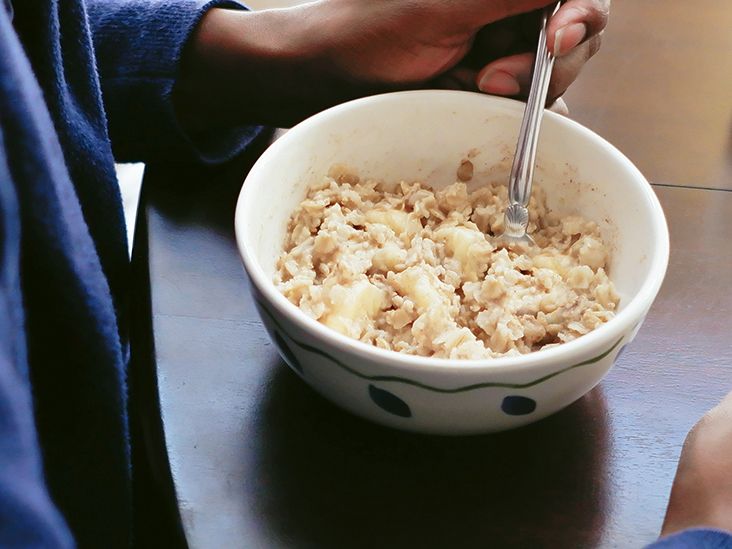
Try cooked oatmeal topped with berries and a spoonful of peanut butter, plus a boiled egg on the side. This meal includes fiber-rich carbs, protein, and fat, which can help keep breakfast from disappearing emotionally by 9:37 a.m.
Lunch: about 45 grams of carbs
Choose a turkey and vegetable sandwich on whole-grain bread with a side salad and a small piece of fruit. Use mustard, avocado, or hummus for flavor instead of relying on sugary sauces.
Snack: about 15 grams of carbs
Pair a small apple with cheese, a few whole-grain crackers with tuna, or plain Greek yogurt with cinnamon. Pairing carbohydrates with protein or fat can make snacks more satisfying.
Dinner: about 45 grams of carbs
Build a plate with grilled salmon, half a cup to one cup of cooked quinoa or sweet potato, and plenty of roasted non-starchy vegetables. Add a drizzle of olive oil or a sprinkle of nuts for flavor and texture.
Practical tips for starting a CCHO diet
Start with your usual meals
Before changing everything, write down what you normally eat for three days. Then estimate the carbohydrates. This helps you see patterns. Maybe breakfast is tiny, lunch is random, and dinner is secretly a carbohydrate festival. No judgmentjust data.
Use the plate method
A simple diabetes-friendly plate often includes half a plate of non-starchy vegetables, one quarter protein, and one quarter carbohydrate foods. This method is less exact than carb counting, but it is very useful when eating out or when your measuring cups have mysteriously vanished.
Keep meal timing steady
Consistent timing can matter as much as consistent carbohydrates, especially for people taking insulin or medications that can lower blood sugar. Skipping meals may lead to hunger, overeating later, or glucose swings.
Read labels like a calm detective
Packaged foods can surprise you. “Healthy-looking” granola, flavored yogurt, smoothies, sauces, and coffee drinks may contain more carbohydrates than expected. Look at serving size, total carbohydrate, fiber, and added sugar.
Do not forget fiber
Fiber is a major reason whole foods are preferred over highly refined options. It supports digestion, helps with fullness, and can soften the blood sugar impact of meals. Choose whole grains, beans, lentils, vegetables, fruit, nuts, and seeds more often.
Common mistakes to avoid
One common mistake is counting only sugar and ignoring starch. Rice, pasta, bread, potatoes, corn, cereal, and crackers may not taste sweet, but they still contain carbohydrates. Another mistake is removing carbs too aggressively without medical guidance, especially when taking diabetes medication.
A third mistake is eating the “right” carb number but choosing mostly low-fiber, low-nutrient foods. Technically, a sugary drink may fit into a carb target. Nutritionally, it is not the same as beans, fruit, oats, or sweet potatoes. Your body can tell the difference, even if your calculator cannot.
Is the CCHO diet safe?
For many people, a CCHO diet can be safe and practical when it is personalized. However, it should not replace medical care. People with diabetes, kidney disease, eating disorder history, pregnancy, gastroparesis, or complex medication plans should get professional guidance before making major diet changes.
Children, teens, athletes, and people with high energy needs also require extra care. Carbohydrates support growth, learning, exercise, and daily energy. The goal is not restriction for its own sake. The goal is balanced, predictable nourishment.
Experience-based section: what following a CCHO diet can feel like in real life
In real life, starting a CCHO diet often feels less like “I am becoming a wellness guru” and more like “Why are there carbohydrates in everything I love?” That feeling is normal. The first week is usually the clunkiest because you are learning portions, reading labels, and discovering that cereal serving sizes were apparently written by tiny forest creatures.
One helpful experience is to begin with just one meal. Breakfast is often easiest because people tend to repeat it. For example, someone might test two or three breakfasts that each contain about 30 to 45 grams of carbohydrates: oatmeal with berries, whole-grain toast with eggs and fruit, or plain yogurt with nuts and a measured portion of granola. Once breakfast feels automatic, lunch and dinner become easier.
Another real-world lesson is that perfection is unnecessary. A CCHO diet works best as a pattern, not a courtroom trial. If lunch is usually 45 grams of carbs and one day it lands at 52 grams, the sky will not open. The important thing is learning what your body does most of the time and making adjustments with your care team.
Eating out can be tricky at first. Restaurant portions are often larger than expected, sauces may contain sugar, and side dishes can turn into a carb avalanche. A practical approach is to choose a protein, add non-starchy vegetables, and pick one main carbohydrate food such as rice, potatoes, bread, beans, or fruit. If the plate arrives with enough pasta to feed a marching band, save part of it for later.
Social situations are another test. Birthdays, holidays, school events, office lunches, and family dinners do not always come with nutrition labels. The CCHO mindset helps because it gives you flexible guardrails. You can choose a smaller slice of cake, skip the sugary drink, add protein, or adjust the rest of the meal. The goal is participation, not sitting in the corner sadly hugging a cucumber.
Many people also discover that pairing carbs makes a difference. Eating crackers alone may not feel satisfying, but crackers with tuna, cheese, hummus, or peanut butter can feel more balanced. Fruit alone is fine for many people, but fruit with nuts or yogurt may keep hunger away longer. This is where CCHO becomes less about math and more about building meals that actually work.
Tracking can be useful, but it should not take over your life. Some people prefer apps, while others use a notebook or a simple meal template. A good template might say: “Breakfast: 30 to 45 grams. Lunch: 45 grams. Snack: 15 grams. Dinner: 45 grams.” Once favorite meals are measured once or twice, they become go-to options. Eventually, you can eyeball many portions with reasonable accuracy.
The biggest emotional benefit of the CCHO diet is confidence. Instead of wondering why blood sugar feels unpredictable, you begin spotting patterns. Maybe sweet drinks spike glucose quickly. Maybe a walk after dinner helps. Maybe brown rice and beans work better for you than a giant white bagel. These observations are powerful because they are personal.
The CCHO diet is not glamorous, and it will probably never become a red-carpet trend. But it is practical, teachable, and flexible. It gives people a way to include carbohydrates while managing them thoughtfully. That is a much better message than “never eat bread again,” which is both unrealistic and deeply rude to sandwiches.
Conclusion
The CCHO diet, or consistent carbohydrate diet, is a structured way to manage carbohydrate intake by eating similar amounts of carbs at meals and snacks each day. It is commonly used for diabetes meal planning because it can support steadier blood sugar, easier medication matching, and more predictable eating routines.
The best version of a CCHO diet is balanced, flexible, and personalized. It includes high-fiber carbohydrates, lean proteins, healthy fats, and plenty of non-starchy vegetables. It limits sugary drinks and refined carbs without turning food into a joyless spreadsheet. For best results, work with a registered dietitian or diabetes educator to choose carbohydrate targets that fit your body, lifestyle, medications, and health goals.