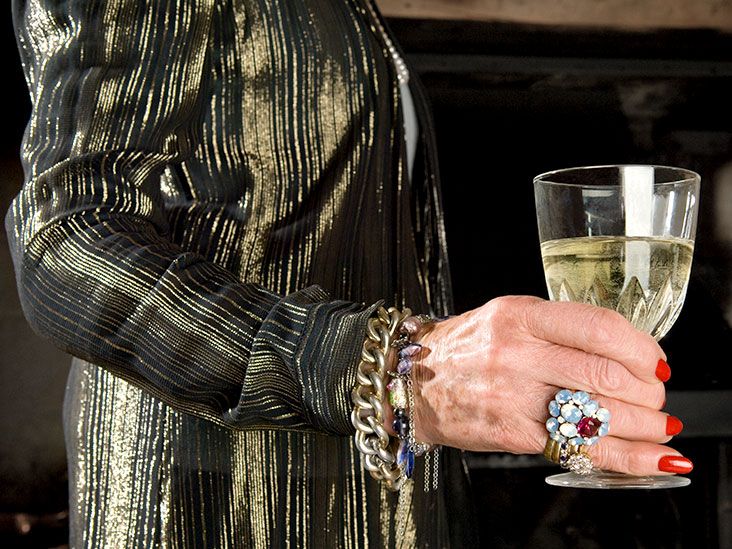
If bones could talk, they’d probably say something like: “Please stop treating me like a disposable coffee stirrer.”
Osteoporosis is one of those conditions that quietly rearranges your future plansuntil a small slip, a missed step,
or a “how did that break?” moment makes it loud.
So where does alcohol fit into the story? The short version: yes, there’s a linkespecially with heavier, chronic
drinking. The longer version (the one you actually came for): it’s complicated, it’s dose-dependent, and it’s not
just about bones. Alcohol can also raise your risk of falls, mess with hormones and nutrients, and nudge you toward
habits that aren’t exactly bone’s best friends.
Let’s break down what research suggests, why the relationship isn’t perfectly simple, and what to do if you’re trying
to protect your skeleton while still enjoying a social life (or at least pretending you have one).
What osteoporosis actually is (and why it’s so sneaky)
Your bones are living tissue. They’re constantly being broken down and rebuiltlike a home renovation project that
never ends. When you’re young, your body builds more bone than it breaks down. Over time, that flips: breakdown can
outpace rebuilding, and bones become less dense and more fragile.
Osteoporosis literally means “porous bone.” It doesn’t usually hurt until something breaks, which is a terrible
design choice for a disease. Often, people first find out after a fracture or a bone density scan.
Osteopenia vs. osteoporosis
Osteopenia is “lower-than-ideal bone density,” but not low enough to meet the clinical threshold for osteoporosis.
Think of it as a warning light on your dashboard: you can ignore it, but the car is still keeping score.
So… does alcohol increase osteoporosis risk?
Research and clinical guidance generally agree on this: chronic heavy alcohol use is a risk factor for
lower bone density and higher fracture risk. Where things get messy is at lower levels of drinking, because studies
aren’t always consistentand lifestyle factors (diet, exercise, smoking, body weight, medications, overall health)
can blur the true effect.
The strongest signal: heavy drinking harms bone
Heavy or long-term drinking is associated with:
- Reduced bone formation (your “builders” slow down)
- Disrupted bone remodeling (the balance between breakdown and rebuild gets skewed)
- Higher fracture risk (weaker structure + more falls = bad math)
- Nutrient issues (low calcium intake, vitamin D problems, and absorption disruptions)
Another key point people overlook: osteoporosis isn’t only about bone density. It’s also about bone quality and
architecturehow bone is arranged internally. Alcohol can negatively affect the “scaffolding,” not just the “amount.”
Moderate drinking: neutral, helpful, or still risky?
Some observational studies have found that light-to-moderate drinking is linked with similaror occasionally higher
bone mineral density compared with abstaining. That sounds like a free pass, but it probably isn’t.
Why? Observational research can be tricked by “healthy user” effects. Light drinkers in many studies may also have
higher income, better diets, more exercise, and stronger social support. Meanwhile, the “abstainer” group can include
former heavy drinkers who quit due to health problems (which can make abstaining look worse than it is).
The practical takeaway most clinicians land on: avoid heavy drinking, and be cautious with “moderate.”
If you already have osteoporosis, a history of fractures, or high fall risk, the safest move may be limiting alcohol
even furtheror skipping it altogether.
How alcohol can weaken bones (the behind-the-scenes biology)
Alcohol’s relationship with bone is not just “alcohol dissolves bones” (it does not). It’s more like alcohol
repeatedly interrupts the meetings where your body decides how to maintain bone tissue.
1) It can reduce bone formation
Bone-building cells (osteoblasts) help lay down new bone. Heavy alcohol intake has been associated with decreased
activity of these cellsmeaning less rebuilding happens over time.
2) It can tilt remodeling toward breakdown
Bone breakdown cells (osteoclasts) resorb bone as part of normal remodeling. With chronic heavy drinking, remodeling
can become imbalancedmore resorption, less replacement.
3) It can disrupt hormones that protect bone
Bone health is tightly connected to hormones (including estrogen and testosterone). Alcohol can influence hormone
regulation in ways that may worsen bone lossespecially in people already vulnerable, like postmenopausal women or
older adults.
4) It can interfere with nutrition and absorption
Bone needs raw materials: calcium, vitamin D, magnesium, protein, and more. Heavy drinking is associated with poorer
dietary patterns and nutrient deficiencies. Alcohol can also affect how the gut absorbs nutrients and how the liver
processes vitamin D-related pathways.
Falls: the “second hit” that makes alcohol extra risky
Osteoporosis is dangerous largely because of fracturesand fractures often happen after falls. Alcohol increases fall
risk by impairing balance, reaction time, judgment, and coordination. Even “not that much” can matter more than you
think, especially if you’re older, take medications that cause dizziness, or have neuropathy or vision issues.
Here’s the brutal combo: alcohol can weaken bone and make falls more likely. That’s like loosening the screws
on a ladder and then trying to climb it at night.
How much is “too much”? Practical thresholds (without moral panic)
U.S. public health guidance commonly defines “moderate” as up to 1 drink per day for women and up to
2 drinks per day for men on days you drink. A “standard drink” is typically:
- 12 oz beer (about 5% alcohol)
- 5 oz wine (about 12% alcohol)
- 1.5 oz spirits (about 40% alcohol)
Many medical references warn that regularly exceeding these rangesespecially over yearscan reduce bone formation and
increase the risk of osteoporosis and fractures.
Important: “Moderate” doesn’t automatically mean “safe for everyone”
If you have osteoporosis, osteopenia, a history of fractures, frequent falls, liver disease, or you’re on medications
that affect balance or bone (like long-term steroids), your personal “safe” threshold may be lower.
Who should be extra cautious about alcohol and bone loss?
Postmenopausal women
After menopause, estrogen levels decline, accelerating bone loss. Alcohol can add more pressure to an already
vulnerable system, particularly with heavier use.
Older adults
Aging is a major risk factor for osteoporosis. Alcohol’s effects on balance and reaction time also become more
consequential with agemeaning fracture risk can rise even if bone density isn’t dramatically different.
People with low body weight or poor nutrition
If you’re not getting enough calories, protein, calcium, and vitamin D, alcohol can further displace nutritionlike
replacing building materials with confetti.
People who smoke or are sedentary
Smoking and inactivity are both linked with bone loss. Combine those with heavy drinking, and bones get hit from
multiple angles.
What the research suggests in plain English
Here’s a fair summary of how the evidence tends to land:
- Heavy, chronic drinking: consistently associated with worse bone outcomes and higher fracture risk.
- Light-to-moderate drinking: effects are mixedsometimes neutral, sometimes linked with slightly higher bone density in certain groups, but confounding is likely.
- Fracture risk is not only bone density: alcohol increases fall risk, which can drive fractures regardless of density.
If you want a “bone-first” strategy, the safest evidence-aligned approach is: keep alcohol low, avoid binge
patterns, and prioritize fall prevention.
Bone-friendly habits that matter as much (or more) than alcohol
It’s tempting to look for one villain. But bones usually fail by committee. If you’re trying to protect bone health,
these habits routinely show up as the heavy hitters:
1) Get enough calcium and vitamin D
Calcium supports bone structure; vitamin D helps your body absorb calcium. Many adults fall short. Food first is
great (dairy, fortified alternatives, leafy greens, canned fish with bones), but supplements may be appropriate for
some peopleespecially with a clinician’s guidance.
2) Do weight-bearing + resistance exercise
Walking is nice, but bones also like a challenge. Weight-bearing activities (walking, stairs, dancing) and resistance
training (weights, bands) help maintain density and strength.
3) Don’t ignore balance training
If fractures often start with falls, then balance is a bone-health tool. Tai chi, yoga (adapted for safety), and
simple stability exercises can reduce fall risk.
4) Review medications and home hazards
Sedatives, some sleep meds, and certain blood pressure medications can increase dizziness. Loose rugs and poor
lighting are basically a hip fracture’s favorite hobbies. Fix the environment; it’s the easiest “treatment” you’ll
ever install.
What to do if you drink and you’re worried about osteoporosis
Step 1: get a realistic picture of your risk
Ask about a bone density scan (often a DXA scan) and fracture risk assessment. If you’ve had fractures, take steroids,
or have strong family history, you may need screening earlier than you think.
Step 2: track your drinking honestly (no self-roasting required)
Many people underestimate intake because pours are generous and glasses are… emotionally supportive.
Try writing down:
- How many days per week you drink
- How many drinks per day
- Whether you ever binge (several drinks in a short period)
Step 3: choose a goal that matches your bones
Options that work in real life:
- Cap and space: keep to low limits and avoid drinking on consecutive nights.
- Alcohol “budget” swap: replace a drinking night with a fun non-alcohol ritual (sparkling water + fancy citrus + salty snacks that don’t destroy your calcium plan).
- Dry stretch: try a 2–4 week break and note sleep, energy, cravings, and mood.
Step 4: get help if cutting back feels hard
If you want to reduce drinking and it’s tougher than expected, that’s not a character flawit’s a sign to use better
tools. Primary care clinicians can help, and support programs exist in many formats (in-person, virtual, group, 1:1).
Bottom line: Is there a link between alcohol and osteoporosis?
Yesespecially with heavy, long-term drinking. Alcohol can lower bone formation, disrupt remodeling and hormones,
worsen nutrition, and increase falls. Lighter drinking shows mixed findings in research, but “mixed” is not a synonym
for “risk-free,” particularly if you already have low bone density or a high fall risk.
If your goal is fewer fractures and stronger bones, the most evidence-aligned move is to keep alcohol low, avoid binge
patterns, and invest in the unsexy basics: calcium, vitamin D, strength training, balance work, and a home environment
that doesn’t try to take you out.
Experiences: What people often notice when alcohol and bone health collide (about )
People rarely wake up and announce, “Today I will optimize my bone remodeling.” What usually happens is more human:
a routine checkup turns into a surprising scan result, a parent breaks a hip, or a small fall leads to a fracture
that feels wildly out of proportion to the event. And then the questions startespecially the one that comes with a
side of dread: “Do I have to give up my evening drink?”
A common experience is realizing how “normal” drinking can quietly become “more than you thought.”
Many people describe pouring wine at home in a glass that holds 10–12 ounces without trying. Technically that can be
two standard drinks before you even finish the first episode of whatever show you pretend is “just background.”
When someone starts tracking, the numbers often surprise themnot because they were doing anything extreme, but
because portions drift over time.
Another pattern: people who cut back often report better sleep and steadier balance within weeks.
That matters for bones because fractures are frequently a fall story more than a bone-density story. Folks sometimes
notice they’re less wobbly getting up at night, more alert on stairs, and less likely to do that “I’m fine” recovery
dance after a slip. It’s not glamorous, but it’s the kind of boring improvement that quietly prevents a life-changing
injury.
Social situations are where the “bone plan” meets reality. People often say the hardest part isn’t the alcohol itself
but the scripts: happy hour, weddings, business dinners, weekend gatherings. A useful shift many
describe is swapping from “I’m not drinking” (which can invite questions) to “I’m pacing tonight” or “I’m driving.”
Others keep a drink in handjust not an alcoholic onebecause the social comfort of sipping can be half the habit.
Sparkling water with citrus, bitters-and-soda (if appropriate), non-alcoholic beer, and mocktails become popular not
as punishment, but as a “still included” strategy.
People diagnosed with osteopenia or osteoporosis also describe a mindset change: they stop thinking of bone
health as a single nutrient and start treating it like a system. Instead of obsessing over calcium alone,
they add resistance training twice a week, walk more intentionally, and do balance work. Some discover that reducing
alcohol makes it easier to follow throughworkouts feel less miserable, mornings get smoother, and motivation stops
vanishing into a fog.
Not everyone chooses abstinence, and many don’t need to. A frequent “middle path” experience is setting a personal
rule like: drink only on weekends, cap at one drink, never drink on nights you take sleep meds, and avoid drinking
when you’ll be on uneven surfaces (concerts, sporting events, icy sidewalks, high heelsbones would like a word).
People often say these guardrails feel less like restriction and more like self-respect once the fear of fracture
becomes real.
The most consistent emotional theme is relief: relief that the plan can be practical, relief that small changes can
matter, and relief that bones aren’t asking for perfectionjust fewer repeat hits. Your skeleton doesn’t need you to
become a saint. It needs you to become a little more strategic.