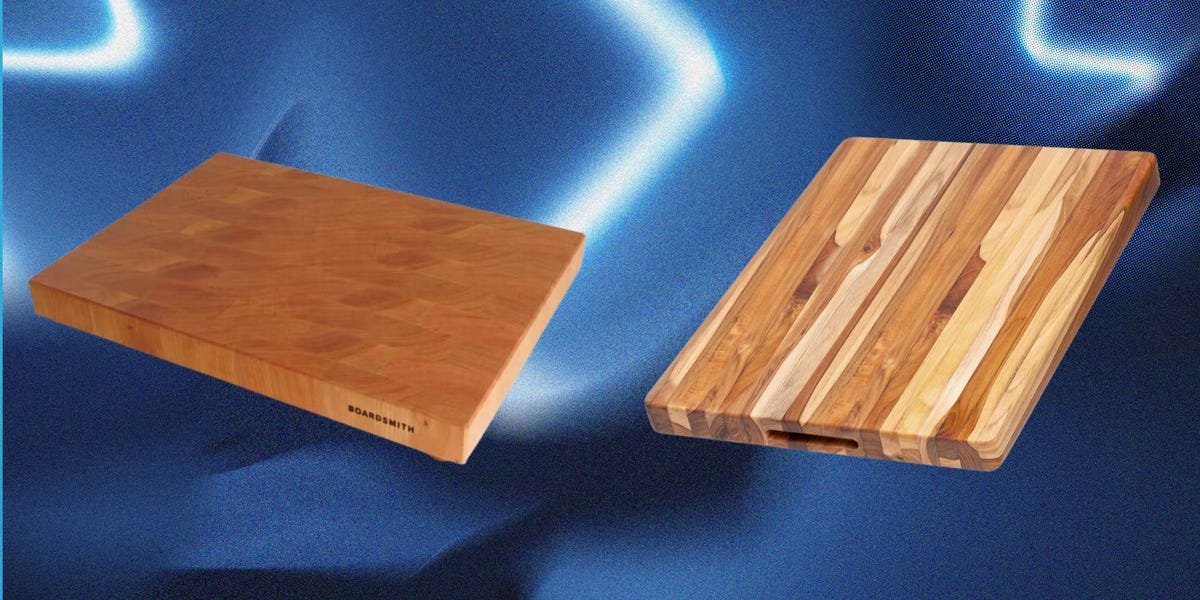
A large wooden cutting board is the kitchen equivalent of a reliable best friend: sturdy, attractive, always available, and willing to hold an entire mountain of chopped onions without judging your dinner choices. The best ones do more than give you a place to slice tomatoes. They protect your knives, stay stable under pressure, resist stains, clean up without drama, and look good enough to leave on the counter like a tiny butcher-block stage.
For this guide to the 4 best large wooden cutting boards of 2024, we synthesized hands-on testing notes, kitchen-lab criteria, professional cooking advice, food-safety recommendations, and real-world buying factors from reputable U.S. culinary, consumer, and home sources. The goal is simple: help you choose the right oversized cutting board without falling into the “it looked cute online but now it weighs as much as a toddler” trap.
The four standout boards below represent different needs: best overall, best value, best oversized splurge, and best lightweight option. Whether you cook every night, prep weekend meal kits, carve roasts, build charcuterie boards, or simply need a better place to chop cilantro without chasing it across the counter, there is a smart pick here.
Why Choose a Large Wooden Cutting Board?
A large board gives you room to work. That sounds obvious until you have tried chopping carrots, onions, garlic, herbs, and chicken on a tiny board the size of a postcard. Suddenly, diced celery is migrating toward the toaster, garlic is clinging to your wrist, and your knife is negotiating for better labor conditions.
A good large wooden cutting board offers three major advantages: surface area, stability, and knife-friendliness. The bigger surface lets you separate ingredients as you prep. The weight helps the board stay put. And wood, especially teak, cherry, maple, walnut, hinoki, and end-grain construction, tends to be gentler on knife edges than glass, stone, or many overly hard surfaces.
Wood boards also double as serving pieces. A handsome board can move from chopping herbs to presenting cheese, fruit, bread, roasted vegetables, or a carved chicken. That makes it more than a prep tool; it becomes part of the meal. Yes, your board can have a social life.
How the Best Large Cutting Boards Were Evaluated
The strongest tested cutting boards were judged by the qualities that actually matter in a busy kitchen. Reviewers and culinary professionals looked at how boards performed during common prep tasks such as dicing vegetables, mincing garlic, slicing bread, carving meat, handling juicy foods, resisting beet stains, and surviving washing. The best boards were not simply pretty slabs of wood. They had to earn their counter space.
Key Testing Factors
- Cutting feel: A great board lets the knife glide naturally without feeling too hard, too slick, or too grabby.
- Stability: Large boards should not skate across the counter while you chop.
- Stain resistance: Beet juice, herbs, and meat juices are useful tests because they reveal how porous or easy to clean a board may be.
- Scratch resistance: Serrated bread knives are especially good at exposing surface wear.
- Ease of cleaning: The best board should clean up without requiring a full upper-body workout.
- Weight and storage: Heavy boards feel sturdy but can be annoying to move, wash, or store.
- Useful features: Handles, juice grooves, non-slip feet, reversible surfaces, and custom options can make daily use easier.
Quick Comparison: The 4 Best Large Wooden Cutting Boards of 2024
| Rank | Best For | Board | Material | Approx. Size | Standout Feature |
|---|---|---|---|---|---|
| 1 | Best Overall | Teakhaus Large Wooden Cutting Board with Grip Handles | Teak wood | 20 x 15 x 1.5 inches | Durable, stain-resistant, reversible, easy to handle |
| 2 | Best Value | Epicurean BBQ Board in Natural | Paper composite / wood-fiber composite | 17.5 x 13 x 0.38 inches | Lightweight, dishwasher-safe, stain-resistant |
| 3 | Best Oversized | The Boardsmith Cherry End Grain Cutting Board | Cherry wood | 22 x 16 x 2 inches | Beautiful, sturdy, customizable, premium feel |
| 4 | Best Lightweight | Shun Large Hinoki Cutting Board | Hinoki wood | 17.75 x 11.75 x 0.75 inches | Soft, knife-friendly, aromatic, easy to move |
1. Best Overall: Teakhaus Large Wooden Cutting Board with Grip Handles
The Teakhaus Large Wooden Cutting Board with Grip Handles is the kind of board that makes you wonder why you waited so long to upgrade. It has the balance most home cooks want: generous size, attractive wood grain, reliable durability, and handles that make cleaning much less awkward.
At about 20 by 15 inches and 1.5 inches thick, this board gives you serious prep space without entering “commercial kitchen furniture” territory. The teak surface performed especially well in testing because it resisted stains, felt smooth under the knife, and offered enough grip to make slicing feel controlled. Beet stains, one of the great villains of cutting-board testing, reportedly came off more easily than expected.
Why It Stands Out
Teak is naturally rich in oils, which helps it resist moisture better than many other woods. That does not mean you can toss it in a lake and hope for the best, but it does make teak a practical choice for a cutting board that sees daily use. The board is also reversible, so you can use both sides depending on the task. One side can handle vegetable prep while the other can be saved for bread, fruit, or serving.
The grip handles are a major advantage. Large boards are wonderful until it is time to lift them into the sink. Handles reduce the “hugging a slippery wooden suitcase” problem. At around 10 pounds, this board is not featherlight, but that weight helps it stay planted while you chop.
Best For
This is the best large wooden cutting board for home cooks who want one attractive, durable, everyday board that can stay on the counter. It is ideal for vegetable prep, slicing bread, carving cooked meats, and serving cheese or appetizers.
Potential Drawbacks
The main downside is weight. If you want a board you can pull from a cabinet with one finger while holding a coffee mug in the other hand, this is probably not your match. It is designed to live on the counter and work hard. Like most wooden boards, it should be hand-washed and oiled regularly.
2. Best Value: Epicurean BBQ Board in Natural
The Epicurean BBQ Board in Natural is the practical pick for cooks who want a large prep surface without the heavy maintenance of a thick solid-wood board. Strictly speaking, this is not a traditional solid wooden cutting board. It is made from paper composite, often described as a wood-fiber composite material. That distinction matters, especially if your article title says “wooden” and your readers have functioning eyeballs.
Still, it earned its spot in large-board testing because it behaves like a highly practical alternative to wood: lightweight, stain-resistant, dishwasher-safe, and easy to store. At around 17.5 by 13 inches and only 0.38 inches thick, it offers useful workspace without dominating the kitchen.
Why It Stands Out
The biggest advantage is convenience. Most solid wooden boards should never go in the dishwasher because heat and water can warp or split the wood. The Epicurean board, however, is dishwasher-safe, which makes it appealing for busy households, rental homes, camping setups, outdoor grilling, or anyone who prefers low-maintenance kitchen gear.
Testing notes also highlighted stain resistance. Juices tended to stay on the surface rather than immediately soaking in. The board includes a juice canal, which helps catch runoff from roasts, grilled foods, watermelon, tomatoes, or anything else determined to leak across the counter.
Best For
This is the best value pick for cooks who want a large board that is easy to clean, easy to move, and less expensive than premium end-grain wood. It is especially useful for outdoor cooking, barbecue prep, travel kitchens, and households that want a board they can sanitize quickly.
Potential Drawbacks
The thin profile does not feel as luxurious as a thick butcher-block board. It also showed scratches during bread slicing, particularly from serrated knives. And while it is a smart wood-fiber composite option, purists looking for a solid teak, maple, cherry, or walnut board may prefer another pick.
3. Best Oversized: The Boardsmith Cherry End Grain Cutting Board
The Boardsmith Cherry End Grain Cutting Board is the board for people who want their kitchen tools to whisper, “I make sourdough, I own good knives, and yes, I know what mise en place means.” It is large, beautiful, customizable, and built for serious prep work.
At about 22 by 16 inches and 2 inches thick, this is the largest and heaviest board on the list. It provides a wide, stable work surface that can handle big jobs: breaking down vegetables for soup, carving a roast, prepping a holiday meal, or making enough chopped salad to feed a small book club.
Why End Grain Matters
End-grain cutting boards are prized because the wood fibers face upward. When a knife hits the surface, the blade slips between fibers rather than cutting harshly across them. This can make the board gentler on knives and help the surface show fewer visible cuts over time. It is sometimes described as a “self-healing” effect, though the board is not magic. It will not fix your taxes or text your friends back.
The Boardsmith’s cherry wood construction gives it a warm, premium appearance. Testing notes praised its smooth surface, sturdy feel, and handsome design. The board can also be customized with features such as finger grooves, juice grooves, and feet. That is a major plus because large boards become much easier to use when they are tailored to your kitchen and your height.
Best For
This is the best oversized wooden cutting board for serious home cooks, gift buyers, design-conscious kitchens, and anyone who wants a statement piece that performs as beautifully as it looks. It is ideal for people who want a board to live permanently on the counter.
Potential Drawbacks
This board is expensive, heavy, and not the easiest to clean in a small sink. It may also stain slightly from deeply pigmented foods such as beets if juices sit too long. If you choose feet, remember that they add height and make the board non-reversible. Shorter cooks may prefer a version without feet or a thinner board.
4. Best Lightweight: Shun Large Hinoki Cutting Board
The Shun Large Hinoki Cutting Board is the refreshing counterpoint to the heavyweight boards above. Made from hinoki, a Japanese cypress, it is soft, aromatic, gentle on knives, and much easier to move than a thick teak or cherry board.
At about 17.75 by 11.75 inches and under 1 inch thick, it is technically large but compact enough for smaller kitchens. It weighs less than 3 pounds, which makes it easy to lift, rinse, dry, store, or carry outside for a quick prep job near the grill.
Why Hinoki Is Different
Hinoki wood is known for its pale color, soft texture, and distinctive woodsy aroma. On a cutting board, that softness can be a benefit because it is forgiving on knife edges. If you use sharp Japanese-style knives, a softer board can make slicing feel smoother and less jarring.
The Shun board is a particularly good option for cooks who want a wooden board but do not want the mass of a butcher block. It is light enough to wash easily, which means you may actually clean it promptly instead of staring at it in the sink like it is a gym membership you forgot to cancel.
Best For
This is the best lightweight wooden cutting board for small kitchens, apartment cooks, knife enthusiasts, and anyone who values easy handling. It is excellent for vegetables, fruit, herbs, bread, and lighter daily prep.
Potential Drawbacks
Because hinoki is softer and lighter, it may stain more visibly than darker or oil-rich woods. Testing also noted some tinting after use. It may not feel as substantial as a thick end-grain board, and it is not the best choice if you want one heavy-duty surface for carving large roasts every weekend.
What to Look for When Buying a Large Wooden Cutting Board
Choose the Right Size
For most home kitchens, a large board between 17 and 22 inches wide is the sweet spot. It gives you room to work without becoming impossible to wash. Before buying, measure your counter and sink. A board that fits your counter but not your sink can still work, but you will need to clean it in place with hot, soapy water and a sponge.
Think About Thickness
Boards around 1.5 inches thick often feel sturdy without becoming comically tall. Boards over 2 inches can be excellent for heavy chopping but may raise your cutting surface too much, especially if you are shorter or your counters are already high.
Consider Weight
Heavy boards stay stable. Lightweight boards are easier to wash and store. Neither is automatically better. The right choice depends on your cooking style. If the board will live on your counter, heavier is fine. If you store it vertically in a cabinet, choose something you can comfortably lift.
Decide Between Edge Grain and End Grain
Edge-grain boards are usually more affordable and durable enough for most home cooks. End-grain boards tend to be more expensive but are often gentler on knives and better at hiding cut marks. If you own high-quality knives and cook often, end grain may be worth the investment.
Look for Helpful Features
Handles make large boards easier to move. Juice grooves catch liquid from roasts and fruit but reduce usable chopping space. Feet add stability but prevent reversibility. Reversible boards give you more flexibility. The best feature is the one you will actually use, not the one that sounds fanciest in a product description.
How to Clean and Maintain a Wooden Cutting Board
Wooden cutting boards are not difficult to maintain, but they do ask for basic respect. Wash them with hot, soapy water after each use, rinse well, dry immediately, and stand them upright so air can circulate. Do not soak them. Do not put solid wood boards in the dishwasher. Do not leave them wet under a pile of plates unless your goal is to create a warped modern art piece.
Use food-safe mineral oil or the manufacturer’s recommended board conditioner when the surface starts to look dry. Monthly oiling is a good rhythm for many kitchens, though very frequent use may require more attention. Oil helps reduce moisture absorption, cracking, and dull-looking wood.
For food safety, use separate boards when possible: one for raw meat, poultry, or seafood and another for produce, bread, and ready-to-eat foods. If you use wood for raw proteins, clean it thoroughly right away. Both wood and plastic boards can be sanitary when cleaned correctly, but deep grooves, cracks, and trapped moisture are bad news on any material.
Wood vs. Plastic: Which Is Better?
Wood and plastic both have a place in the kitchen. A high-quality wooden board is durable, beautiful, knife-friendly, and excellent for daily prep. Plastic boards are lighter, cheaper, and often dishwasher-safe, which makes them useful for raw meat or quick tasks. Many experienced cooks keep both: a large wood board for most prep and a few plastic boards for raw proteins or fast cleanup.
If you are worried about scratches, bacteria, or odors, remember that maintenance matters more than material alone. Replace plastic boards when they develop deep grooves. Sand or refinish wooden boards when appropriate, and discard any board that becomes cracked, warped, or impossible to clean.
Which Large Wooden Cutting Board Should You Buy?
Choose the Teakhaus Large Wooden Cutting Board with Grip Handles if you want the best all-around board for daily use. It offers an excellent mix of size, stain resistance, cutting feel, and durability.
Choose the Epicurean BBQ Board if you want the easiest low-maintenance value pick and do not mind that it is a wood-fiber composite rather than solid wood.
Choose the Boardsmith Cherry End Grain Cutting Board if you want a premium oversized board that looks stunning, feels sturdy, and can be customized.
Choose the Shun Large Hinoki Cutting Board if you want a lightweight, soft, knife-friendly board that is easy to lift, wash, and store.
Real-World Experience: Living With a Large Wooden Cutting Board
The biggest surprise about owning a large wooden cutting board is how quickly it changes the way you cook. A small board encourages cramped, chaotic prep. You chop half an onion, slide it into a bowl, wipe the board, chop garlic, lose three pieces, chase a carrot coin, and somehow end up with parsley on the floor. A large board slows the chaos. It gives ingredients a place to wait their turn.
In daily cooking, the best large wooden cutting boards feel less like accessories and more like workstations. You can dice onions on one side, pile chopped carrots in the corner, mince herbs near the top, and still have space for a knife. That extra room makes recipes feel easier because you are not constantly transferring ingredients into tiny bowls just to clear room. For soups, stir-fries, salads, sheet-pan dinners, and holiday cooking, the convenience is immediate.
Weight is both a blessing and a complaint department. A heavy board such as the Teakhaus or Boardsmith feels secure when chopping dense vegetables like sweet potatoes, squash, or cabbage. It does not wiggle every time the knife lands. That stability can make prep feel safer and more controlled. But when it is time to wash the board, especially in a small sink, the romance fades a little. Suddenly, your beautiful board is a wooden surfboard, and you are performing sink gymnastics.
That is why handles, finger grooves, and smart sizing matter. A board that is too large for your kitchen may discourage you from using it. The ideal board is big enough to improve prep but manageable enough that cleaning does not feel like an event. For many home cooks, a 20-by-15-inch board is close to perfect. It is generous without becoming ridiculous. If your kitchen is compact, the Shun Hinoki board offers a more portable experience while still providing useful room.
Another real-world lesson: wooden boards need routines, not obsession. You do not have to baby them like antique furniture, but you do need to wash, dry, and oil them. The board should never sit wet overnight. Drying it upright makes a noticeable difference. Oiling becomes easier once it is part of your kitchen rhythm. When the wood looks pale, thirsty, or rough, give it a light coat of food-safe mineral oil, let it absorb, and wipe away excess.
Stains and scratches are also part of the story. A board used for real cooking will not remain showroom-perfect forever. Serrated knives leave marks. Beets and berries may tint pale wood. Garlic and onions may leave temporary smells. That is normal. A good wooden board ages like a cast-iron skillet or a favorite leather bag: the marks become proof that it actually works for a living.
The most satisfying part is versatility. A large board can be prep station, carving board, bread board, pastry surface, and serving platter. Put cheese, grapes, crackers, olives, and sliced fruit on it, and suddenly you are not “too tired to cook”; you are hosting a rustic grazing experience. Very sophisticated. Very low effort. Exactly the kind of kitchen magic worth paying for.
Conclusion
The best large wooden cutting board of 2024 depends on how you cook. For most people, the Teakhaus Large Wooden Cutting Board with Grip Handles is the strongest overall choice because it combines durability, stain resistance, excellent size, and daily usability. The Epicurean BBQ Board is the most convenient value option, especially if dishwasher-safe cleanup matters. The Boardsmith Cherry End Grain Cutting Board is the premium oversized pick for serious cooks who want a beautiful counter-worthy board. The Shun Large Hinoki Cutting Board is the best lightweight choice for easy handling and knife-friendly prep.
A great board will not make dinner cook itself, which is rude, frankly. But it will make prep cleaner, safer, smoother, and more enjoyable. Choose the board that fits your counter, your sink, your knives, and your patience level. Then oil it, use it, and let it become one of those kitchen tools you reach for every single day.
Note: This article was written for web publication and synthesizes real testing criteria, product details, kitchen-use analysis, and food-safety best practices without inserting external source links in the body copy.