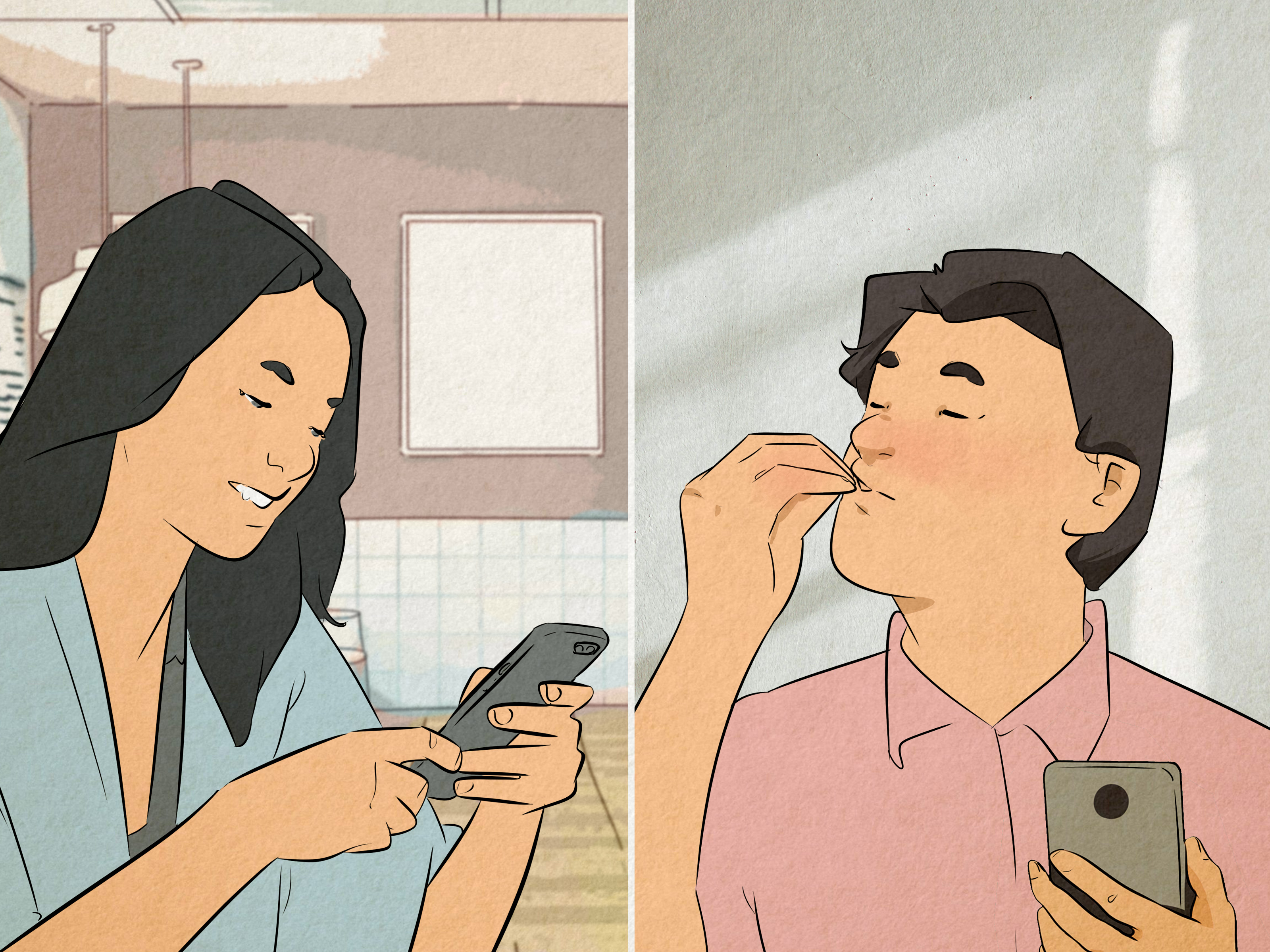
One little word. Four tiny letters. An absolutely unreasonable amount of emotional chaos.
If someone calls you fine, your brain may immediately begin sprinting in circles. Are they flirting? Are they just being nice? Are they saying you look attractive, or is this one of those casual, throwaway compliments people toss around like confetti at a parade?
The short answer is this: when someone calls you fine, they usually mean you look attractive, good-looking, or especially appealing. In American English, fine often works as a compliment about appearance. But context is the real boss here. Depending on the tone, the relationship, the setting, and the person saying it, fine can sound playful, romantic, admiring, friendly, teasing, or simply expressive.
So if you have ever stared at your phone after reading, “You look fine,” and wondered whether to blush, laugh, or call a committee meeting, this guide will help you decode it.
What Does “Fine” Usually Mean as a Compliment?
In everyday American speech, calling someone fine usually means they look very good. It is often stronger than saying someone looks “nice” and sometimes more casual than saying “beautiful,” “gorgeous,” or “handsome.”
Think of it as a compliment that lives in the sweet spot between admiration and style. It can point to physical attractiveness, but it can also suggest confidence, presence, and the way someone carries themselves. In other words, it is not always just about your face. Sometimes it means your whole vibe is working overtime.
For example:
- “You are looking fine today.”
- “Okay, fine! I see you.”
- “That outfit is making you look fine.”
- “He is fine.”
- “She is so fine.”
All of those usually suggest attraction or admiration. The person is noticing that you look especially good, polished, confident, or eye-catching.
Why the Word “Fine” Can Feel So Ambiguous
Now for the plot twist: fine is simple, but people are not.
The reason this compliment can feel confusing is that it is broad enough to mean several related things at once. One person may use it as obvious flirting. Another may use it as casual slang. Someone else may use it because they think “beautiful” sounds too intense and “cute” sounds too young. Language is messy like that.
1. They Probably Mean You Look Attractive
This is the most common meaning. If someone says, “You’re fine,” they are often saying they find you good-looking. It may be direct attraction, a simple compliment, or a low-pressure way of saying you caught their attention.
When people want to compliment appearance without making the moment too serious, fine does the job nicely. It sounds confident, modern, and easy to say.
2. They Might Be Flirting
If the comment comes with eye contact, a smile, quick follow-up messages, playful teasing, or extra attention, then yes, there is a decent chance the person is flirting. A compliment like “you’re fine” often works as a testing-the-waters move. It lets the speaker show interest without delivering a dramatic movie speech under the rain.
Translation: it is romantic enough to send a signal, but casual enough to allow a smooth exit if the vibe is not mutual.
3. They Could Be Admiring Your Overall Energy
Sometimes fine is less about strict physical beauty and more about presence. Maybe you walked into the room wearing something simple but somehow looked like the main character. Maybe your confidence was louder than your outfit. Maybe your haircut finally started cooperating with your hopes and dreams.
In that case, being called fine may mean the person likes the whole package: your style, body language, attitude, and the way you present yourself.
4. It Can Be Friendly, Not Romantic
Not every compliment is a secret love letter. Friends sometimes call each other fine just to hype each other up. A cousin might say it. A coworker might say it in a lighthearted way. A best friend may type, “You look fine in those pictures,” with zero romantic intention and 100% supportive energy.
That is why the relationship matters. A compliment from a close friend can mean encouragement, while the exact same words from someone who has been texting you every day may carry a different charge.
Context Clues That Reveal What “Fine” Really Means
If you want to know what it means when someone calls you fine, do not just look at the word. Look at the full moment.
Tone of Voice
A flat, passing comment sounds very different from a warm, lingering one. “You look fine” said quickly while they scroll their phone is not the same as “Wow… you look fine” with a grin and full attention.
Body Language
When attraction is involved, the compliment often comes with other signals: smiling, facing you directly, leaning in, holding eye contact a little longer, or finding reasons to stay in the conversation. Words matter, but the body often spills the tea before the mouth does.
Timing
Did they say it when you dressed up for an event? After you posted a new photo? During a private conversation? Timing helps. If they go out of their way to say it when they do not have to, that usually means the compliment mattered to them.
Frequency
If they compliment everyone, then “fine” may just be part of their normal communication style. But if they rarely hand out praise and suddenly call you fine, your odds of being specially noticed just improved.
What Happens Next
The aftermath matters. Do they keep talking to you? Ask questions? Start teasing you playfully? Try to see your reaction? Compliments that lead to more connection usually carry more meaning than compliments that vanish into thin air.
“Fine” vs. Other Compliments
Part of the confusion comes from the fact that fine does not sound exactly like other appearance-based compliments.
Fine vs. Cute
Cute often suggests charm, sweetness, or playfulness. Fine usually sounds more mature, more polished, and more strongly tied to attraction.
Fine vs. Beautiful
Beautiful can feel more emotional, sincere, or intense. Fine is usually more casual and cool. It can still be flattering, but it often sounds less formal and less loaded.
Fine vs. Hot
Hot tends to sound more openly physical and more direct. Fine can still imply attraction, but it often feels smoother and less blunt.
Fine vs. Handsome
Handsome is classic and complimentary. Fine feels more modern and more conversational. In many settings, it also sounds flirtier.
When Someone Calls You Fine Over Text
Texting makes everything trickier because you lose facial expression, tone, and body language. That means punctuation, timing, and follow-up become your clues.
Compare these:
- “You look fine.”
- “You look fineee.”
- “Okay wow, you are fine.”
- “Not gonna lie, you looked fine in that pic.”
The extra emphasis usually raises the flirt level. So do emojis, quick replies, and efforts to keep the conversation going. If they compliment you and then keep engaging, it is usually not an accidental comment.
Still, do not build an entire emotional mansion on one text. One compliment is a clue, not a court ruling.
Can “Fine” Ever Be Insincere or Weak Praise?
Yes, but that is usually clear from context.
Sometimes people use vague compliments because they are being lazy, awkward, or trying too hard. In rare cases, a compliment can feel generic, performative, or strategically flattering. If someone always says flattering things but never shows consistent interest, respect, or effort, then the word may be more style than substance.
Also, there is a difference between a genuine compliment and a manipulative one. A sincere comment makes you feel noticed. A fake one often feels forced, exaggerated, or oddly convenient.
So if someone calls you fine but also ignores boundaries, gives mixed signals, or only compliments you when they want something, trust the pattern more than the adjective.
How to Respond When Someone Calls You Fine
Your response depends on your interest level and the vibe of the moment.
If You Like Them Back
You can keep it light and playful:
- “Thank you, I was hoping someone would notice.”
- “Look at you being smooth.”
- “Appreciate that. You clean up pretty well yourself.”
- “Aw, thanks. You are not so bad either.”
If You Want to Be Polite but Neutral
Try something warm but simple:
- “Thanks, that is kind of you.”
- “I appreciate that.”
- “Thank you.”
If the Comment Makes You Uncomfortable
You do not owe anyone enthusiasm. A brief response, a subject change, or a clear boundary is completely fine. Respect matters more than decoding flirtation like a detective in a romantic sitcom.
So, What Does It Mean When Someone Calls You Fine?
Most of the time, it means they think you are attractive. That is the core meaning. But the full message depends on who says it, how they say it, when they say it, and what they do before and after.
Sometimes it is a romantic signal. Sometimes it is friendly hype. Sometimes it is admiration with a little flirt mixed in. And sometimes it is simply the easiest word a person could find when their brain briefly stopped working because you looked really good.
In other words, fine usually means something positive. The only real mystery is how positive, how personal, and how intentional.
Real-Life Experiences: What “You’re Fine” Often Feels Like in the Wild
In real life, this compliment rarely arrives in a perfectly labeled package. It usually shows up in ordinary moments, which is exactly why it can stick in your head all day.
Maybe you are getting ready for a party, feeling decent but not dramatic, and a friend says, “Wait a minute, you look fine.” Suddenly, the whole mood changes. You stand a little straighter. You check the mirror again. You pretend to act normal while internally accepting an imaginary award for best accidental glow-up.
Or maybe it happens over social media. You post a photo, and someone replies, “Fine as always.” Now you are left decoding tone like you are working for a federal agency. Was that casual? Flirty? Just supportive? Social media compliments are famous for making simple things complicated because the message is short, the timing is random, and everyone is trying to sound effortless.
Then there is the classic crush scenario. Someone you actually like says, “You looked fine today,” and suddenly you remember the exact lighting, the exact shirt you were wearing, and the exact moment your soul left your body. In those moments, fine can feel huge because the speaker matters. The same word from a stranger may feel nice. From a crush, it can feel like your week just received a soundtrack.
At work or in more formal settings, the experience is different. If a coworker says you look fine, it may land as appreciation of your outfit or presentation. But because professional settings have boundaries, tone matters even more. A respectful compliment feels brief and appropriate. A too-personal one feels awkward fast. That is why context always decides whether the word feels flattering, harmless, or a little off.
Friend groups add another layer. Some people call everyone fine. It is part of the culture of encouragement. In those spaces, the compliment is not always about romance. It can mean, “You look amazing,” “Your outfit works,” or “Please remember you are a star and stop doubting yourself.” That kind of language can be affectionate without being romantic.
Texting creates the funniest confusion of all. One person types, “You fine,” and disappears for two hours. Another sends, “You are so fine it is rude,” followed by three laughing emojis and a follow-up question. Same keyword, wildly different energy. People often do not realize how much meaning lives in timing, punctuation, and whether they continue the conversation afterward.
For many people, being called fine is memorable because it feels a little bolder than “nice” and a little smoother than “hot.” It compliments your appearance without sounding stiff. It can feel confident, modern, and playful. That is probably why it lingers. It is simple, but it leaves room for imagination, which is both delightful and extremely inconvenient.
The most useful lesson from real experience is this: do not judge the word by itself. Judge the pattern. If the person is kind, consistent, respectful, and clearly interested, then “fine” is probably genuine admiration. If the word appears once and never again, enjoy the compliment and keep your peace. Either way, you are allowed to take the kind part seriously and leave the overthinking for another day.
Conclusion
If someone calls you fine, the message is usually flattering: they think you look attractive, confident, or especially good in that moment. The tricky part is not the compliment itself. The tricky part is figuring out whether it is friendly admiration, playful banter, or genuine romantic interest.
Fortunately, the answer is usually hiding in plain sight. Watch the tone. Notice the timing. Read the follow-up. Pay attention to whether the person shows consistent interest, not just one sparkling line. A single compliment can brighten your day, but patterns tell the real story.
And honestly? Sometimes the healthiest response is also the simplest one: smile, say thanks, and allow yourself to enjoy the compliment without turning it into a full season of emotional detective work.