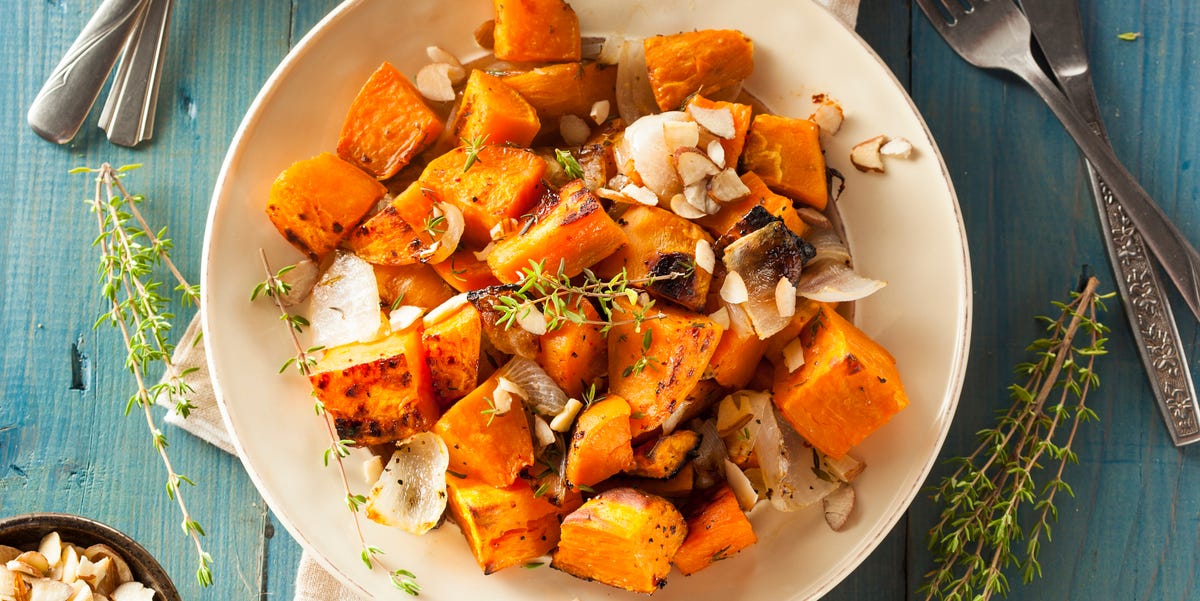
Sweet potatoes are the kind of food that politely shows up to dinner wearing a superhero cape under a sweater. They are naturally sweet, deeply satisfying, colorful enough to make a plate look expensive, and packed with nutrients that support everyday health. Whether you bake them, roast them, mash them, cube them into soup, or turn them into breakfast hash, sweet potatoes bring more to the table than cozy flavor.
In the world of nutrition, sweet potatoes earn attention because they deliver complex carbohydrates, fiber, potassium, vitamin C, vitamin B6, manganese, and a major dose of beta-carotene, the orange plant pigment your body can convert into vitamin A. That means this humble root vegetable can support vision, immune function, digestion, heart health, blood sugar balance, and long-lasting energy. Not bad for something that costs less than a fancy coffee and does not require a charging cable.
This guide breaks down sweet potato nutrition, the health benefits of sweet potatoes, how different cooking methods affect them, and practical ways to eat more of them without drowning them in marshmallows. No judgment if marshmallows are your holiday tradition, but on a Tuesday night, the sweet potato can absolutely stand on its own.
What Are Sweet Potatoes?
Sweet potatoes are edible roots from the morning glory family, not the same thing as regular white potatoes and not true yams. In many U.S. grocery stores, orange-fleshed sweet potatoes are often labeled as “yams,” but true yams are a different crop altogether. Real yams are starchier, usually drier, and more common in African, Caribbean, and Asian cuisines. Sweet potatoes, meanwhile, come in orange, white, yellow, red, and purple varieties.
The color matters. Orange sweet potatoes are especially rich in beta-carotene. Purple sweet potatoes contain anthocyanins, the same family of plant pigments that gives blueberries and purple cabbage their dramatic “I have antioxidants” energy. White and yellow varieties are milder but still provide fiber and complex carbohydrates.
Sweet Potato Nutrition: What Is Inside?
A medium baked sweet potato is relatively low in calories, naturally free of cholesterol, very low in fat, and rich in energizing carbohydrates. A larger cooked sweet potato with the skin can provide roughly 160 calories, more than 5 grams of fiber, around 37 grams of carbohydrates, and meaningful amounts of vitamin A, vitamin C, and potassium. A medium baked sweet potato is often described as being around 100 calories, depending on size.
Key Nutrients in Sweet Potatoes
Vitamin A from beta-carotene: This is the star nutrient. Orange sweet potatoes are one of the best everyday food sources of beta-carotene, which the body can convert into vitamin A. Vitamin A supports normal vision, immune defense, cell growth, and the maintenance of organs such as the eyes, lungs, and skin.
Fiber: Sweet potatoes provide both soluble and insoluble fiber. Soluble fiber slows digestion and may help with blood sugar and cholesterol control. Insoluble fiber adds bulk to stool and supports regular digestion. Translation: your gut appreciates sweet potatoes, even if it does not send thank-you cards.
Potassium: Potassium helps the body balance sodium, supports muscle and nerve function, and plays a role in healthy blood pressure. Sweet potatoes are a useful potassium-rich food, especially when served without a landslide of salty toppings.
Vitamin C: Sweet potatoes contribute vitamin C, an antioxidant nutrient involved in immune support and collagen formation. It is not as famous here as vitamin A, but it still deserves a seat at the table.
Vitamin B6 and manganese: These nutrients help support energy metabolism. In plain English, they assist the behind-the-scenes processes that help your body use food efficiently.
Top Health Benefits of Sweet Potatoes
1. Sweet Potatoes Support Eye Health
One of the biggest health benefits of sweet potatoes is their vitamin A potential. Beta-carotene gives orange sweet potatoes their bright color, and your body can convert that beta-carotene into vitamin A. Vitamin A is essential for normal vision, particularly because it helps form rhodopsin, a light-sensitive protein in the retina.
This does not mean eating one sweet potato gives you night-vision goggles. Sadly, you will still need to turn on a lamp. But regularly including vitamin A-rich foods can support healthy eyes as part of a balanced diet.
2. They Help Keep Your Immune System Working
Vitamin A is involved in immune function, and sweet potatoes are one of the most delicious ways to get provitamin A carotenoids from food. Vitamin C also contributes to immune support. Together, these nutrients make sweet potatoes a smart addition during cold-weather months, busy school seasons, or any time your diet has started looking like coffee and crumbs.
3. Sweet Potatoes Promote Gut Health
Fiber is one of the least glamorous nutrients and one of the most important. Sweet potatoes provide fiber that helps keep digestion moving and supports a healthy gut environment. Fiber can help promote regularity, increase fullness, and slow the absorption of sugars from meals.
For an easy gut-friendly meal, try a baked sweet potato topped with black beans, Greek yogurt, salsa, avocado, and chopped cilantro. It is filling, colorful, and much more exciting than another sad desk salad.
4. They Provide Steady Energy
Sweet potatoes are a starchy vegetable, which means they contain carbohydrates. That is not a flaw. Carbohydrates are the body’s preferred energy source, especially for the brain and active muscles. The difference is that sweet potatoes bring carbohydrates with fiber, vitamins, minerals, and antioxidants.
Compared with candy, soda, or pastries, sweet potatoes offer a slower, more nutrient-dense energy package. Pair them with protein and healthy fats, and you have a meal that can keep you satisfied for hours.
5. Sweet Potatoes Can Fit Into a Blood Sugar-Conscious Diet
People often ask whether sweet potatoes are good for blood sugar. The practical answer is: they can be, depending on portion size, cooking method, and what you eat with them. Sweet potatoes contain carbohydrates, so they can raise blood glucose. However, their fiber can slow digestion, and pairing them with lean protein, vegetables, and healthy fats can make the meal more balanced.
Boiling sweet potatoes may produce a gentler blood sugar response than some other cooking methods because cooking method can affect starch structure and glycemic index. Baking, roasting, steaming, and microwaving can all be healthy methods, but people with diabetes or insulin resistance should pay attention to serving size and overall meal composition.
A simple plate strategy: fill half the plate with non-starchy vegetables, one quarter with lean protein, and one quarter with sweet potato or another starch. This keeps the sweet potato in the meal without letting it take over like the main character in a reality show.
6. They May Support Heart Health
Sweet potatoes help heart health in several indirect but meaningful ways. Their potassium supports healthy blood pressure by helping balance sodium and easing tension in blood vessel walls. Their fiber may support healthier cholesterol levels when part of an overall high-fiber eating pattern. Their antioxidants also contribute to a diet that protects cells from oxidative stress.
The key is preparation. A roasted sweet potato with olive oil, herbs, and black pepper is a heart-smart side dish. A sweet potato casserole loaded with butter, brown sugar, and marshmallows is dessert wearing a vegetable costume. Delicious? Absolutely. Same health profile? Not quite.
7. Sweet Potatoes Help With Fullness and Weight Management
Sweet potatoes are filling because they combine water, fiber, and complex carbohydrates. Foods that increase fullness can help reduce the urge to snack immediately after a meal. A medium sweet potato with skin can be surprisingly satisfying for its calorie level, especially when topped with protein-rich foods such as eggs, cottage cheese, turkey, beans, tofu, or grilled chicken.
That makes sweet potatoes useful for weight managementnot because they magically burn fat, but because they make healthy meals feel hearty. No one sticks with a meal plan that tastes like punishment and cardboard.
Orange, Purple, White: Which Sweet Potato Is Best?
Orange sweet potatoes are the classic choice for vitamin A because they are rich in beta-carotene. Purple sweet potatoes stand out for anthocyanins, antioxidant pigments that researchers continue to study for potential health benefits. White sweet potatoes tend to be less sweet and can work well in savory dishes.
The best choice is the one you will actually eat. For maximum variety, rotate colors. Orange for beta-carotene, purple for anthocyanins, and white or yellow for a milder flavor. Your plate gets more nutrients and looks like it has its own public relations team.
Best Ways to Cook Sweet Potatoes
Baked Sweet Potatoes
Baking is simple and brings out natural sweetness. Scrub the skin, pierce the potato with a fork, and bake at about 400 degrees Fahrenheit until tender. Add cinnamon, plain yogurt, nut butter, chili, beans, or sautéed greens depending on whether you want sweet or savory.
Roasted Sweet Potatoes
Roasting caramelizes the edges and makes sweet potatoes taste almost dessert-like without added sugar. Cube them, toss with a small amount of olive oil, smoked paprika, garlic powder, and black pepper, then roast until browned. They are excellent in grain bowls, tacos, salads, and breakfast scrambles.
Boiled Sweet Potatoes
Boiling can be helpful for softer textures, soups, and blood sugar-conscious meals. Some nutrients may leach into the water, so use the cooking liquid in soups or mash the sweet potatoes with a splash of it. That is kitchen efficiency with a tiny chef’s kiss.
Steamed Sweet Potatoes
Steaming is gentle and helps preserve nutrients. It is great for meal prep because steamed sweet potato cubes can go into salads, smoothies, soups, baby food, lunch bowls, or quick side dishes.
Microwaved Sweet Potatoes
Microwaving is the weeknight hero. Pierce the skin, microwave until tender, split open, and top with protein and vegetables. In less time than it takes to scroll through delivery apps, dinner is basically done.
Should You Eat the Skin?
Yes, sweet potato skin is edible and nutritious. It adds fiber and contains minerals such as potassium and magnesium. The skin also gives roasted pieces better texture. Just scrub the potato well before cooking. If you dislike the texture of a whole baked skin, try leaving the skin on cubed roasted pieces instead.
Healthy Sweet Potato Meal Ideas
Breakfast
Make a sweet potato breakfast hash with diced roasted sweet potatoes, eggs, spinach, onions, and avocado. For a sweeter option, top a baked sweet potato with Greek yogurt, cinnamon, chopped walnuts, and a drizzle of almond butter.
Lunch
Try a stuffed sweet potato with black beans, corn, salsa, cabbage slaw, and a squeeze of lime. It is budget-friendly, high in fiber, and easy to pack for work or school.
Dinner
Serve roasted sweet potato wedges with salmon and broccoli, or mash sweet potatoes with garlic and olive oil as a side for chicken or lentils. You can also blend cooked sweet potatoes into soup with carrots, onion, ginger, and low-sodium broth.
Snacks
Air-fried sweet potato wedges can satisfy a craving for fries with less oil. Pair them with hummus, yogurt dip, or guacamole for extra nutrition.
Common Mistakes That Make Sweet Potatoes Less Healthy
The first mistake is treating sweet potatoes like a blank check for added sugar. They are already naturally sweet. Cinnamon, nutmeg, vanilla, chili powder, cumin, smoked paprika, and citrus can add flavor without turning them into candy.
The second mistake is forgetting protein. A plain sweet potato is nutritious, but a sweet potato plus protein is a meal. Add beans, eggs, fish, chicken, tofu, tempeh, cottage cheese, turkey, or Greek yogurt.
The third mistake is oversized portions. Sweet potatoes are healthy, but they are still a carbohydrate-rich food. For most people, one small to medium sweet potato is a reasonable serving. Athletes, highly active people, and those with higher energy needs may need more.
The fourth mistake is storing them incorrectly. Keep sweet potatoes in a cool, dry, dark place. Do not refrigerate raw sweet potatoes, because cold storage can affect their texture and cooking quality.
Are Sweet Potatoes Better Than Regular Potatoes?
Sweet potatoes and white potatoes can both fit into a healthy diet. Sweet potatoes usually get extra attention because of their beta-carotene and vitamin A content. White potatoes provide potassium, vitamin C, and other nutrients too. The biggest difference often comes down to preparation. A baked potato and a baked sweet potato are both reasonable choices. Deep-fried versions of either are a different conversation entirely.
If your goal is more vitamin A, choose orange sweet potatoes. If your goal is variety, enjoy both. Nutrition is not a cage match. The potato family can coexist peacefully on your plate.
Who Should Be Careful With Sweet Potatoes?
Sweet potatoes are safe and healthy for most people. However, people with diabetes should consider portion size and meal pairing. People with kidney disease or those taking medications that affect potassium should ask a healthcare professional about potassium-rich foods. Anyone with a medical condition requiring carbohydrate or potassium limits should personalize advice with a registered dietitian or clinician.
For the average healthy adult, sweet potatoes are a smart, affordable, nutrient-dense food that can appear regularly in meals.
Personal Experience: What Sweet Potato Nutrition Looks Like in Real Life
The funny thing about sweet potatoes is that they often sound like “health food” until you actually cook them well. Then they become comfort food with benefits. In real life, the easiest way to eat more sweet potatoes is not to make complicated recipes. It is to cook a batch once and let future-you take the applause.
One practical routine is roasting two or three sweet potatoes on Sunday. After they cool, store them in the refrigerator and use them throughout the week. On Monday morning, slice one into a breakfast bowl with eggs and spinach. On Tuesday, cube another into a salad with chicken, pumpkin seeds, and vinaigrette. On Wednesday, mash one with Greek yogurt, garlic, and black pepper for a quick side dish. By Thursday, you may start feeling suspiciously organized.
Sweet potatoes are especially useful when you want something filling but not heavy. A baked sweet potato with black beans, salsa, avocado, and lime tastes like a cozy burrito bowl that decided to improve its résumé. It gives you fiber, potassium, plant protein, healthy fat, and enough flavor that you do not feel like you are “being good.” That matters. Healthy eating works better when it feels satisfying instead of strict.
Another real-world benefit is how well sweet potatoes handle different flavor moods. Want breakfast? Add cinnamon, yogurt, and walnuts. Want lunch? Add chickpeas and tahini. Want dinner? Add roasted vegetables and salmon. Want a snack? Cut into wedges and air-fry. Sweet potatoes are basically the reliable friend who can dress for any occasion.
For people who are trying to reduce added sugar, sweet potatoes can also help. Their natural sweetness makes them a good substitute for heavily sweetened sides. Instead of brown sugar-heavy casseroles, try mashed sweet potatoes with cinnamon, orange zest, and a little olive oil or butter. You still get comfort, but the vegetable remains the main event.
For active people, sweet potatoes are a great pre- or post-workout carbohydrate. They provide energy without feeling as processed as many packaged snacks. Pair one with eggs after a morning workout or with chicken after an evening gym session. The fiber helps with fullness, while the carbohydrates help replenish energy stores.
The biggest lesson from eating sweet potatoes regularly is this: nutrition does not have to be complicated to be effective. A simple baked sweet potato can support eye health, digestion, energy, and heart-friendly eating patterns. It can be cheap, easy, and delicious. And unlike some trendy superfoods, it does not require a pronunciation guide, a subscription box, or a tiny jar that costs $38.
Sweet potatoes prove that everyday foods can be powerful. They are not magic. They will not cancel out a lifestyle built entirely on stress, sleep deprivation, and drive-through fries. But as part of a balanced diet, they are one of the easiest upgrades you can make. Add them to your grocery list, cook them simply, pair them wisely, and enjoy the fact that one of the healthiest foods in the store also tastes like it is trying to hug you.
Conclusion
Sweet potato nutrition is impressive because it combines comfort, flavor, and real health value. Sweet potatoes provide complex carbohydrates for energy, fiber for digestion and fullness, potassium for blood pressure support, vitamin C for immune health, and beta-carotene that the body can convert into vitamin A for vision and normal immune function. They are affordable, versatile, naturally sweet, and easy to prepare in healthy ways.
The best approach is simple: keep the skin when possible, choose baking, roasting, boiling, steaming, or microwaving, and pair sweet potatoes with protein, vegetables, and healthy fats. Keep added sugar modest, watch portion size if you are managing blood sugar, and enjoy different varieties for a broader range of nutrients. Sweet potatoes are not just a holiday side dish. They are an everyday nutrition powerhouse hiding in plain sight.