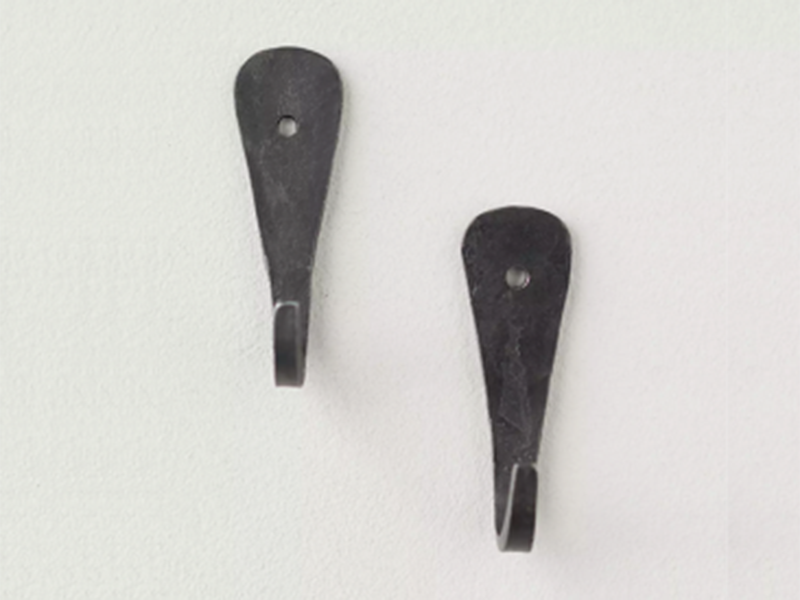
A forged iron wall hook is one of those rare home details that manages to be practical, decorative, and just a little dramatic all at once. It holds your coat, your tote, your dog leash, your apron, or that hat you swear you wear more often than you actually do. At the same time, it adds texture, shape, and a handmade feel that many mass-produced storage solutions simply cannot fake. In a world full of flimsy plastic organizers and anonymous metal hardware, a forged iron wall hook has personality. It looks like it has a story, even if its biggest daily adventure is carrying a damp raincoat after school pickup.
That is exactly why this small piece of hardware keeps showing up in entryways, mudrooms, bathrooms, kitchens, laundry rooms, bedrooms, and even home offices. It is not just a hook. It is a tiny design decision that can make a room feel more grounded, more intentional, and more finished. Whether your style leans rustic farmhouse, industrial loft, cottage, traditional, or modern organic, a forged iron wall hook can work surprisingly well when you choose the right shape, finish, and placement.
This guide breaks down what a forged iron wall hook is, why homeowners love it, how to choose one, where to use it, how to install it safely, and how to keep it looking good for the long haul. If you have ever looked at a plain empty wall and thought, “This space needs something useful, but also charming,” congratulations. You are the exact kind of person this hook was born to impress.
What Is a Forged Iron Wall Hook?
A forged iron wall hook is a wall-mounted hook made from iron that is shaped to create a stronger, more handcrafted look than generic stamped hardware. In the home décor world, the term often overlaps with wrought iron and sometimes sits beside cast iron products with a similar old-world appearance. The common thread is the visual effect: dark metal, sturdy construction, simple curves or decorative twists, and a style that feels timeless instead of trendy.
What makes forged iron so appealing is the sense of texture. It usually looks less polished than chrome and less fussy than ornate brass. It can feel handmade, slightly rugged, and grounded in tradition. Some hooks feature a clean bent silhouette, while others add scrollwork, arrow ends, twisted stems, or backplates that make the piece feel more decorative. That range is part of the charm. A forged iron wall hook can be humble and hardworking, or it can play the role of jewelry for your wall.
Why Homeowners Love Forged Iron Wall Hooks
They Combine Strength and Style
Many storage products force you to choose between “pretty” and “useful.” A forged iron wall hook refuses to play that game. It can look beautiful while still handling everyday wear. That matters in busy zones like entryways and mudrooms where jackets, backpacks, umbrellas, scarves, and reusable grocery bags show up in a daily parade.
They Add Instant Character
A plain wall can feel unfinished. Add a forged iron hook, and suddenly the area feels considered. Because iron has visual weight, even a single hook can create presence. It introduces contrast on white walls, warmth against wood, and texture in spaces that need a little soul.
They Work in Many Design Styles
One of the biggest strengths of a forged iron wall hook is versatility. In a farmhouse space, it feels rustic and familiar. In an industrial room, it feels honest and structural. In a traditional home, it reads classic. In a minimalist interior, a simple iron hook can provide just enough contrast to keep the room from looking sleepy. In short, it is the design equivalent of a black T-shirt: dependable, flattering, and rarely out of place.
Best Places to Use a Forged Iron Wall Hook
Entryway
This is the obvious choice, and for good reason. A forged iron wall hook near the front door creates a landing spot for coats, hats, keys, and bags. It helps keep everyday clutter off chairs, countertops, and that one mysterious corner where random objects go to form a small civilization.
Mudroom
In a mudroom, forged iron makes perfect sense because the material looks right at home around boots, canvas totes, and weathered wood benches. Double or triple hooks are especially helpful here because they make it easier to separate layers: coat on one arm, backpack on the other, baseball cap pretending it is innocent on top.
Bathroom
Use a forged iron wall hook for robes, towels, or toiletry bags. The trick is finish selection. If the room is humid, choose a hook with a finish designed to resist moisture rather than one with a raw or heavily oxidized look that may age more dramatically over time.
Kitchen
In the kitchen, a forged iron hook can hold aprons, dish towels, market bags, or lightweight baskets. It also works well as part of a wall rail or mounted row above a backboard, especially if you want your storage to feel decorative rather than purely functional.
Bedroom or Closet
A few well-placed hooks can hold tomorrow’s outfit, favorite bags, jewelry organizers, or hats. This works especially well in smaller rooms where floor space is limited and bulky furniture only adds to the chaos.
How to Choose the Right Forged Iron Wall Hook
1. Think About What It Will Hold
Before choosing the prettiest hook on the page, ask the practical question: what is going on this thing? A lightweight decorative hook may be fine for necklaces or hand towels, but outerwear, backpacks, and daily-use bags call for sturdier construction and more secure mounting. The hook’s design matters, but the real-world job matters more.
2. Look at the Hook Profile
Some hooks have a sharper, more vertical shape that works for hats or lighter items. Others have a broader curve that better supports coats and bags. Blunter ends are often friendlier to delicate fabrics. Deeper projections can be more useful for thick winter layers, while lower-profile options are better in tight hallways where you do not want sleeves brushing every passerby.
3. Decide on a Finish
Not all black iron finishes behave the same way. Some are powder-coated for a cleaner, more sealed appearance. Others are lacquered for protection and a slightly richer tone. Some iron hardware is intentionally oxidized or treated as a living finish, which means it may evolve in appearance over time. That changing look can be beautiful, but it is not ideal for every household or every fabric. If you want something lower maintenance, sealed finishes are usually the safer bet.
4. Match the Mounting Style to the Wall
A forged iron wall hook is only as trustworthy as the way it is mounted. Screwing into a stud is usually the strongest approach. If that is not possible, use anchors that match your wall type and the expected load. Drywall, plaster, masonry, and wood all play by different rules, and walls are not interested in your optimism.
5. Choose Single, Double, or Multi-Hook Designs
A single hook gives you flexibility and a cleaner look. A double hook separates items nicely and often makes better use of vertical space. Multi-hook racks are ideal for families or busy utility zones. The best choice depends on whether you are designing a tidy moment or preparing for full daily impact.
Installation Basics That Actually Matter
Good hardware deserves smart installation. If you are mounting a forged iron wall hook in drywall, try to locate a stud first. That gives you the strongest support and the most confidence when someone inevitably hangs a bag that weighs more than common sense should allow. If no stud is available, use the correct anchor for the wall and for the load. Do not guess. Check the rating, use compatible screws, and follow the installation instructions that come with the anchor or the hook.
Take time to measure carefully and keep the hook level. One crooked hook on an otherwise clean wall has a special talent for being the only thing your eye sees forever. If you are installing multiple hooks, spacing matters. Too close together and the area looks cramped. Too far apart and people start inventing weird hanging strategies. A comfortable, intentional rhythm is key.
For family use, consider height carefully. Adults, kids, and shared spaces may all need different placements. A staggered arrangement can look stylish while also making the wall more functional for everyone in the house. It is one of those rare moments when design and practicality shake hands like old friends.
Styling Ideas for a Better-Looking Wall
Mount Hooks on a Wood Backboard
A row of forged iron wall hooks mounted on stained wood is a classic for a reason. The wood softens the iron, the iron sharpens the wood, and the whole setup feels custom. This works beautifully in farmhouse, cottage, cabin, and transitional interiors.
Use One Hook as a Decorative Accent
You do not always need a full rack. A single forged iron wall hook can anchor a small vignette in an entryway or bathroom. Pair it with a mirror, a small shelf, or framed art and suddenly the wall feels more layered and useful.
Create a Functional Gallery Wall
Hooks can be part of a gallery arrangement rather than separate from it. Mix framed art, a wall sconce, and a few hooks for hats or bags. The result is less “storage zone” and more “person with excellent taste lives here.”
Mix Iron with Other Natural Materials
Forged iron looks especially good with oak, walnut, linen, jute, leather, stone, and ceramic. These materials keep the metal from feeling harsh and help the room feel balanced rather than industrial by accident.
How to Care for a Forged Iron Wall Hook
Maintenance is refreshingly simple. Dust regularly with a soft dry cloth. Wipe away moisture rather than letting it linger, especially in bathrooms, laundry rooms, or homes with high humidity. Avoid abrasive cleaners that can dull or damage the finish. If the hook has a living or oxidized finish, expect some variation over time and treat that aging as part of the character rather than a flaw.
It is also smart to check the screws occasionally, particularly on hooks that hold daily-use items. Heavy bags and repeated pulling can loosen hardware over time. Tightening the mounting screws once in a while is not glamorous, but neither is watching your favorite tote take an unexpected dive onto the floor.
Common Mistakes to Avoid
- Choosing a hook based only on looks without considering load and wall type.
- Using undersized anchors for heavy-use areas.
- Installing raw-looking iron in a damp room without thinking about moisture exposure.
- Mounting hooks too close together for bulky coats or backpacks.
- Ignoring finish differences and assuming every black iron hook behaves the same way.
- Forgetting that a beautifully crafted hook can still fail if the screw or anchor is wrong.
Why a Forged Iron Wall Hook Still Deserves a Spot in Modern Homes
Home design trends come and go with impressive confidence. One year everything is bouclé. The next year every room is trying to become a spa. But a forged iron wall hook stays relevant because it solves a real problem while adding visual substance. It is tactile, durable, and adaptable. It works in old homes and new homes. It looks good in curated spaces and hardworking family houses. It can be modest, sculptural, rustic, elegant, or quietly industrial.
Most of all, it proves that practical objects do not have to be boring. A forged iron wall hook can organize your daily life without looking like office supply leftovers. That is a pretty good deal for a piece of hardware that takes up so little space.
Experience: Living With Forged Iron Wall Hooks Over Time
My favorite thing about forged iron wall hooks is that they earn their keep almost immediately. The first time I installed a few in an entryway, the room changed in less than an hour. Before that, coats were draped over dining chairs, bags landed on the floor, and umbrellas leaned in a corner like they had given up on life. After the hooks went up, the same space felt calmer and more intentional. Nothing magical happened, of course. The kids did not suddenly become organizational philosophers. But the room gave them an obvious place to put things, which is sometimes the closest a household gets to world peace.
What stood out most was how the hooks looked throughout the day. In the morning, they held structured jackets and work bags. By late afternoon, they carried hoodies, a baseball cap, and a tote full of things no one admitted to buying. In the evening, when everything was taken down, the hooks still looked attractive on the wall. That is the secret advantage of forged iron. Even when it is not being useful, it still contributes visually.
I have also noticed that forged iron hooks age better than many trend-driven storage pieces. Painted wood can chip. Cheap plastic can discolor. Lightweight metal can feel flimsy after a year of real use. But iron tends to look more convincing with time, especially if you chose a finish that suits the room. Small signs of wear often make it look more authentic instead of more tired. That is not true of every home product. Plenty of items look “vintage” only after they have lost a fight with gravity.
Another good surprise is how flexible these hooks are once you stop thinking of them as coat-only hardware. I have used them for aprons in the kitchen, hand towels in the bathroom, straw hats in a bedroom corner, and dog leashes near the back door. In one small hallway, I mounted a few on a wood board above a bench, and the whole area suddenly felt like a custom mudroom instead of a narrow passage pretending to be useful. That is the kind of upgrade homeowners love: small footprint, visible payoff, no demolition required.
There is also something satisfying about the tactile side of forged iron. The slight texture, the visual heft, the shape of the curve, the dark finish against painted drywall or stained wood, all of it feels more grounded than generic hardware. You notice it when you reach for it. You feel it when you hang a bag. That physical presence gives the room a sense of substance. It is subtle, but it matters.
Over time, I learned that the smartest decisions happen before installation. Choosing the right finish for the room matters. Mounting it properly matters even more. A beautiful hook is not helpful if it is attached with the wrong anchor and starts wobbling after a week. But when the hardware, placement, and purpose line up, a forged iron wall hook becomes one of those tiny home upgrades that quietly improves everyday life. It does not beg for attention. It just keeps working, keeps looking good, and keeps proving that the smallest details are often the ones that make a home feel truly finished.
Conclusion
A forged iron wall hook may be a small detail, but it punches well above its weight in both function and style. It brings order to busy spaces, character to blank walls, and durability to everyday routines. Whether you use one hook beside a bathroom vanity or install a full row over a mudroom bench, the result is the same: a home that works a little better and looks a lot more intentional. Choose the right finish, mount it securely, and let this humble piece of hardware do what it does best: hold the chaos while looking effortlessly cool.