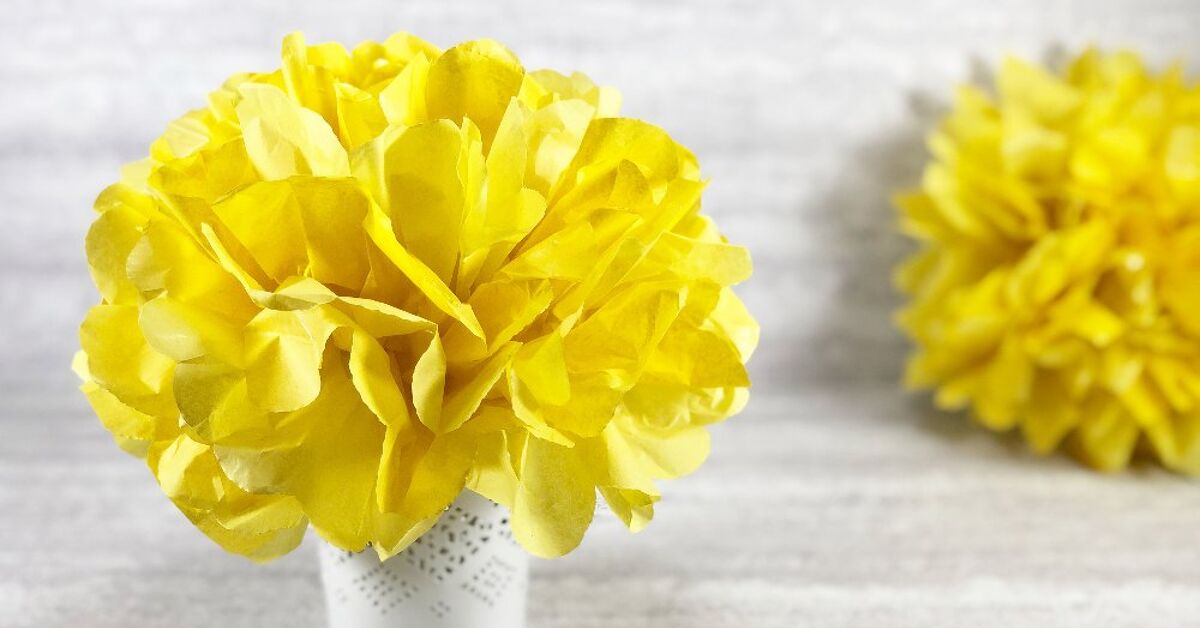
Spring has a funny way of turning ordinary children into tiny collectors of sticks, petals, rocks, bugs, and mystery objects they swear are “treasures.” One minute you are opening a window for fresh air; the next, your kitchen table looks like a cheerful art studio run by squirrels. That is exactly why easy spring crafts for kids are such a win. They capture all the color, curiosity, and fresh-start energy of the season without requiring a craft-room budget or a degree in glitter management.
The best spring crafts are simple, flexible, and a little bit magical. They use supplies you probably already have: paper plates, coffee filters, cardboard tubes, washable paint, yarn, tissue paper, crayons, glue, and recycled containers. More importantly, they help kids practice fine motor skills, creativity, pattern recognition, problem-solving, and patience. And yes, they also give parents, teachers, and caregivers a peaceful activity that does not involve someone asking for a snack every seven minutes. Miracles do happen.
Below are 16 easy spring crafts for kids that work well at home, in classrooms, at playdates, during spring break, or on rainy afternoons when the backyard is technically a swamp. Each idea includes materials, simple steps, and helpful tips so kids can enjoy the process as much as the finished project.
Why Spring Crafts Are Great for Kids
Spring craft activities are more than cute decorations for the fridge. They invite children to notice seasonal changes: blooming flowers, buzzing bees, rainy days, baby animals, butterflies, gardens, and brighter colors. That connection to nature makes crafting feel meaningful instead of random. A paper butterfly becomes a conversation about insects. A seed mosaic becomes a mini science lesson. A rain cloud craft helps kids understand weather in a hands-on way.
Crafting also gives children freedom to make choices. They can pick colors, arrange shapes, invent patterns, and decide whether their paper flower is a daisy, a sunflower, or a completely imaginary “rainbow volcano blossom.” Open-ended creativity builds confidence because there is not one perfect answer. The goal is not museum-level art. The goal is for kids to explore, create, laugh, and maybe get washable paint on one elbow for reasons nobody can explain.
Helpful Supplies for Easy Spring Crafts
You do not need fancy materials to make memorable spring crafts for children. A small craft basket can go a long way. Keep construction paper, child-safe scissors, glue sticks, washable markers, crayons, watercolor paints, pipe cleaners, cotton balls, paper plates, coffee filters, cupcake liners, cardboard tubes, stickers, googly eyes, yarn, tissue paper, and recycled jars or cartons nearby. For nature-inspired crafts, add leaves, small twigs, flower petals, smooth rocks, and seeds.
For younger kids, choose low-mess supplies like glue sticks, dot markers, stickers, and pre-cut shapes. For older kids, add more detailed tools such as hole punches, yarn needles, watercolor sets, and craft templates. Always supervise scissors, hot glue, small parts, and outdoor materials. Spring crafting should be joyful, not a surprise trip to the vacuum cleaner Olympics.
16 Easy Spring Crafts for Kids
1. Coffee Filter Butterflies
Coffee filter butterflies are bright, quick, and perfect for preschoolers and early elementary kids. Flatten a coffee filter and let children color it with washable markers. Lightly mist it with water and watch the colors spread into a soft watercolor pattern. Once dry, pinch the middle and secure it with a pipe cleaner to create the butterfly body and antennae.
This craft is great for teaching symmetry, color mixing, and butterfly life cycles. Kids can hang their butterflies on a window, string them into a garland, or tape them above a reading corner for instant spring cheer.
2. Paper Plate Flower Garden
Paper plates make a sturdy base for cheerful flower gardens. Give each child a plate, construction paper, crayons, glue, and cupcake liners. They can draw grass at the bottom, glue cupcake liners as flower blooms, and add paper stems and leaves. For extra texture, use buttons, pom-poms, or tissue paper balls in the center of each flower.
This is one of the easiest spring crafts for kids because it can be adapted for many ages. Toddlers can glue pre-cut pieces, while older kids can design layered petals and add insects, sunshine, or garden signs.
3. Handprint Tulips
Handprint crafts are classic for a reason: they are adorable, personal, and guaranteed to make grown-ups say, “Look how tiny your hand was!” Paint a child’s palm and fingers with washable paint, press the hand onto paper, and turn the print into a tulip bloom. Add a green stem, leaves, and a simple background.
Handprint tulips make sweet spring keepsakes for parents, grandparents, or teachers. They also help younger children explore texture and cause-and-effect: paint on hand plus paper equals art, plus possibly one painted thumb on the table.
4. Cardboard Tube Bees
Turn empty toilet paper rolls into buzzing spring bees. Paint the tube yellow, add black paper stripes, glue on wings made from wax paper or white construction paper, and finish with pipe cleaner antennae. A cheerful face gives the bee personality.
This recycled spring craft is a fun way to talk about pollinators and why bees matter to flowers, fruits, and gardens. Kids can make a whole hive and give each bee a name. Expect at least one bee to be called “Mr. Buzzypants.” Accept this as part of the creative process.
5. Tissue Paper Rainbow Collage
A tissue paper rainbow brings color into any room, especially on gray spring days. Draw a rainbow outline on white paper or cardboard. Kids tear tissue paper into small pieces and glue them into each stripe. Add cotton balls for clouds at both ends.
Tearing tissue paper builds hand strength and fine motor skills, making this craft especially useful for younger children. It is also a nice lesson in color order, weather, and patience. The finished rainbow looks beautiful on classroom walls, bedroom doors, or windows.
6. Paper Bag Bird Nests
For this spring bird craft, cut a brown paper lunch bag into strips, twist the strips, and shape them into a small nest. Kids can add shredded paper, yarn, or dried grass. Then they can make eggs from blue paper, clay, or painted cotton balls.
This craft pairs nicely with a backyard birdwatching activity. Ask children what birds need to build nests and where they might find safe places for their babies. It turns a simple art project into a nature observation moment.
7. Cupcake Liner Daffodils
Cupcake liners make charming flower petals with almost no prep. Flatten a yellow or white liner, glue it to paper, and add a smaller orange liner or paper cup shape in the center. Draw or glue on a green stem and leaves.
Daffodils are one of the cheerful signs of spring, and this easy flower craft gives kids a chance to explore shapes and layers. It is also a low-mess option for classrooms, libraries, and craft stations where paint might be a little too adventurous.
8. Rain Cloud Cotton Ball Craft
Spring weather is not all sunshine, so celebrate rainy days with a cloud craft. Cut a cloud shape from blue or gray paper and let children glue cotton balls over it. Add yarn or paper strips as rain. Kids can glue blue paper drops to the ends of the strings.
This craft works well with a simple weather lesson. Talk about clouds, rain, puddles, umbrellas, and how spring showers help plants grow. Children can also add a rainbow behind the cloud to show what sometimes appears after rain.
9. Painted Rock Ladybugs
Painted rocks are a spring favorite because kids love turning ordinary stones into tiny characters. Choose smooth rocks, wash and dry them, then paint them red. Add black dots, a black head, white eyes, and a smile. Once dry, place the ladybugs in a garden pot or along a walkway.
Use acrylic paint for older kids and washable tempera paint for younger children. If the rocks will stay outside, an adult can seal them with a clear outdoor-safe coating. This is a simple nature craft that encourages kids to look closely at insects and patterns.
10. Egg Carton Flower Wreath
Save an egg carton and transform it into a spring wreath. Cut the cups apart, trim the edges into petal shapes, and let children paint them in bright spring colors. Glue the flowers around a cardboard ring and add paper leaves.
This craft is ideal for teaching upcycling. Kids learn that everyday packaging can become something beautiful instead of heading straight to the trash. Hang the finished wreath on a door, bulletin board, or playroom wall.
11. Nature Suncatcher
A nature suncatcher is one of the prettiest spring crafts for kids. Take a short nature walk and collect small leaves, petals, and blades of grass. Place the items between two pieces of clear contact paper, sticky sides together, and cut the finished piece into a circle, heart, or flower shape.
Hang it in a sunny window and watch the light shine through. This project encourages outdoor exploration, observation, and appreciation for natural colors. Remind kids to collect fallen items when possible and avoid picking flowers from gardens without permission.
12. Paper Chain Caterpillars
Paper chain caterpillars are easy, silly, and surprisingly good for practicing sequencing. Cut strips of construction paper, loop them together, and glue or tape each loop closed. Add a round paper face, eyes, antennae, and little legs.
Kids can make short caterpillars, long caterpillars, striped caterpillars, or rainbow caterpillars. Pair this craft with a butterfly book or a lesson about metamorphosis. It is also a fun counting activity: “How many loops long is your caterpillar?”
13. Seed Mosaic Art
Seed mosaics bring art and gardening together. Draw a simple spring shape, such as a flower, sun, butterfly, or bird. Children spread glue inside the outline and place dried beans, lentils, sunflower seeds, or pumpkin seeds to fill the design.
This craft is better for older children because small seeds can be tricky for little fingers and are not safe for kids who still put objects in their mouths. Seed mosaics help children practice concentration, patterns, and texture exploration. They also create a natural-looking piece of spring art.
14. Paper Kite Craft
Windy spring days are perfect inspiration for a paper kite craft. Cut a diamond shape from construction paper. Let kids decorate it with markers, stickers, or tissue paper. Add a yarn tail and tie on small paper bows.
This craft can stay flat as wall art or become a pretend kite for indoor play. Ask kids what kind of weather helps a kite fly and what designs they would put on a real kite. It is simple, colorful, and wonderfully low-mess.
15. Popsicle Stick Garden Markers
If your family or classroom is planting herbs, flowers, or vegetables, make garden markers from craft sticks. Kids paint the sticks, write plant names on them, and decorate with tiny drawings. Try “basil,” “mint,” “sunflower,” “carrot,” or “wildflowers.”
This spring craft is practical and educational. It helps children connect art with gardening and early literacy. Younger kids can draw pictures instead of writing words, while older kids can research plant names and growing needs.
16. Bunny and Chick Paper Puppets
Paper puppets are easy to make and even easier to turn into a full theatrical production in the living room. Cut bunny and chick shapes from construction paper, decorate them with crayons, add googly eyes, and glue each character to a craft stick.
Once the puppets are dry, invite kids to create a spring story. Maybe the bunny is searching for the first flower of spring. Maybe the chick opens a lemonade stand. Maybe both of them start a band. Puppets encourage storytelling, language skills, and imaginative play.
Tips for Making Spring Crafts Easier
Choose Process Over Perfection
Children learn more when they are allowed to explore instead of being pressured to copy a perfect sample. A flower with seven uneven petals is still a flower. A blue bee is still a bee if the child says it is. Spring crafts for kids should feel encouraging, not like an art exam with glue.
Prepare a Simple Craft Station
Before starting, place supplies in small bowls or trays. Cover the table with newspaper, parchment paper, or a washable tablecloth. Keep wipes nearby. If several kids are crafting, create one finished example but also remind them that their version can look different.
Match Crafts to Age and Attention Span
Toddlers usually do best with short crafts that involve sticking, stamping, painting, and tearing paper. Preschoolers can handle simple cutting, sorting, and gluing. Older kids may enjoy multi-step projects like wreaths, mosaics, puppets, and garden markers. A successful craft is one that fits the child in front of you, not the imaginary child who calmly follows twelve steps while wearing a spotless shirt.
Use Recycled Materials
Spring is a wonderful time to teach kids about reusing materials. Cardboard tubes, cereal boxes, egg cartons, jars, paper bags, and bottle caps can become bees, flowers, nests, planters, and decorations. Upcycled crafts are budget-friendly and eco-conscious, which makes them a double win.
How to Turn Spring Crafts Into Learning Activities
One of the easiest ways to add depth to kids’ craft projects is to ask open-ended questions. While making coffee filter butterflies, ask, “What colors do you see on real butterflies?” During a bird nest craft, ask, “What materials would a bird use outside?” When decorating garden markers, ask, “What does a plant need to grow?” These simple conversations help kids connect art with science, language, and observation.
You can also pair crafts with books, songs, outdoor walks, or small experiments. Read a story about caterpillars before making a paper chain caterpillar. Observe clouds before creating a rain cloud craft. Visit a garden center before painting flower pots or garden markers. This approach makes the activity feel richer without making it complicated.
Best Spring Craft Themes for Kids
The most popular spring craft themes include flowers, butterflies, bees, birds, rainbows, rain clouds, gardens, insects, bunnies, chicks, kites, and nature collages. These themes work because children can see them in the world around them. They are colorful, familiar, and easy to adapt for different ages.
For a classroom or group setting, try a weekly spring theme. Week one could be flowers, week two could be insects, week three could be weather, and week four could be gardens. By the end, kids will have created a full seasonal collection. Your walls may look like spring exploded indoors, but in a charming way.
Experience-Based Ideas for Making Spring Crafts More Meaningful
After trying many spring craft activities with children, one thing becomes clear: the best moments often happen outside the instructions. A child may start with a paper plate flower garden and suddenly decide the flowers need a tiny worm hotel. Another may make a cardboard tube bee and then spend twenty minutes buzzing it around the room to “pollinate” every pillow. These moments are not distractions from the craft; they are the heart of it.
One helpful experience is to begin with a short nature walk before crafting. Even five minutes outdoors can completely change how kids approach the project. Ask them to notice colors, shapes, sounds, and textures. Are the leaves shiny or fuzzy? Are the flowers round or pointy? Is the sky bright blue or full of soft gray clouds? When children return to the table, their artwork often becomes more detailed because they are working from real observations, not just imagination.
Another useful strategy is to offer choices without offering chaos. Instead of putting every craft supply on the table, choose three or four options. For example, when making butterflies, set out markers, coffee filters, pipe cleaners, and a spray bottle. Too many supplies can overwhelm kids, especially younger ones. A focused selection keeps the activity manageable while still giving children creative control.
It also helps to accept mess as part of the memory. Of course, no one wants glue on the dog or paint on the curtains, but a little mess usually means kids are engaged. Use washable materials, cover surfaces, and dress children in old shirts. Then take a deep breath and let them enjoy the sensory side of crafting. The feeling of cotton balls, the crinkle of tissue paper, the smell of crayons, and the squish of paint all add to the experience.
For families, spring crafts can become seasonal traditions. Make handprint tulips every year and watch how children’s hands grow. Paint rocks for the garden each April. Create a new suncatcher after the first big spring walk. These small rituals give kids something to look forward to and create keepsakes that feel more personal than store-bought decorations.
For teachers or group leaders, spring crafts are a great way to build collaboration. Children can each make one flower for a class garden mural or one butterfly for a shared hallway display. This gives every child ownership while creating something bigger together. It also encourages conversation: “Your butterfly has stripes like mine!” or “Let’s put our flowers next to each other.” Social learning often sneaks in quietly during art time.
The most important experience-based tip is to let kids explain their work. Instead of asking, “What is it?” try saying, “Tell me about your picture.” This small change gives children room to describe their choices proudly. You may discover that the purple blob is not a blob at all. It is a thundercloud carrying magical flower seeds across the sky. Obviously.
Spring crafts for kids do not need to be perfect, expensive, or complicated. They simply need to invite children to notice the season, use their hands, make choices, and enjoy creating something of their own. When a craft ends with a smile, a story, or a proudly displayed paper bee, it has done its job beautifully.
Conclusion
Easy spring crafts for kids are a wonderful way to celebrate the season while supporting creativity, fine motor development, nature awareness, and imaginative play. From coffee filter butterflies and cupcake liner daffodils to painted rock ladybugs and nature suncatchers, these projects bring spring indoors and make ordinary supplies feel special.
The secret is to keep crafts simple, flexible, and fun. Let kids experiment with colors, textures, and ideas. Encourage them to notice the world outside and bring that inspiration back to the craft table. Whether you are planning a classroom activity, a spring break boredom-buster, or a weekend family project, these 16 easy spring crafts offer plenty of cheerful ways to create, learn, and laugh together.
Note: Always choose age-appropriate supplies, supervise scissors and small parts, and use washable, non-toxic materials whenever possible.