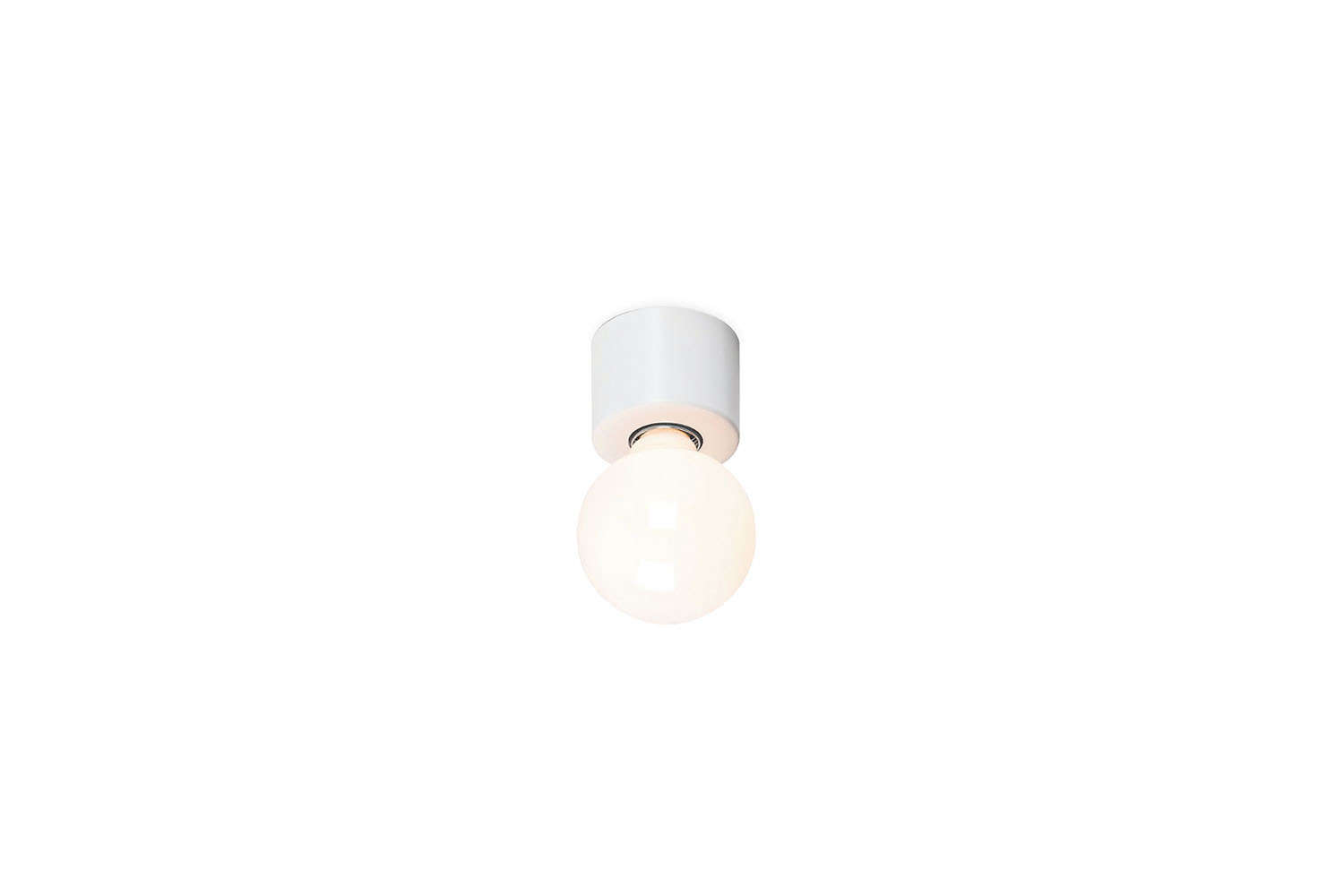
A pot-shaped wall / ceiling lamp is what happens when practical lighting develops a charming personality. It is small, sculptural, and wonderfully unfussylike a tiny design object that decided to become useful instead of sitting on a shelf looking mysterious. At first glance, the concept sounds almost too simple: a compact, pot-like lamp body that can be mounted on either a wall or a ceiling. But that simplicity is exactly the point. In modern interiors, where every square inch has a job and every visible object must earn its rent, a versatile fixture like this can quietly solve several design problems at once.
The best-known version of the Pot-Shaped Wall / Ceiling Lamp is associated with designer Martin Wallroth and has been described as a universal wall and ceiling lamp made from powder-coated steel, with a visible socket, a cylindrical connection detail, and a minimalist form that turns the bulb itself into part of the design. Its compact proportionsabout 8 centimeters in diameter and 6 centimeters highmake it more architectural punctuation mark than bulky ceiling fixture. In other words, it does not shout, “Look at me!” It says, “The room looks better now, and you may not even know why.”
What Is a Pot-Shaped Wall / Ceiling Lamp?
A pot-shaped wall / ceiling lamp is a compact surface-mounted light fixture inspired by the silhouette of a small pot, cup, or rounded container. Unlike a pendant that hangs down, or a large flush mount that spreads across the ceiling, this type of lamp stays close to the surface. It can usually be installed as a wall light, ceiling light, hallway accent, bedside fixture, or small-space task light depending on wiring, bulb choice, and location.
Its appeal comes from a few smart design decisions. First, the form is simple enough to blend with Scandinavian, industrial, farmhouse, modern, minimalist, and eclectic interiors. Second, the exposed or semi-exposed bulb gives the fixture personality. Third, the lamp is compact, so it works where a traditional lampshade, chandelier, or large sconce would feel like bringing a sofa to a phone booth.
Why the Pot Shape Works
The pot-like shape is not just decorative. It creates a visual base for the bulb, helping the fixture feel intentional rather than unfinished. A bare bulb alone can sometimes look temporary, like someone paused halfway through installation and went for coffee. The pot-shaped body solves that by framing the bulb, hiding mechanical details, and adding a clean, crafted presence.
In powder-coated steel, the lamp also gains durability and a smooth finish. Powder coating is commonly used on metal products because it creates a hard, even surface that can resist everyday wear better than many traditional liquid paints. For a small fixture that may be mounted in active spaceshallways, kitchens, mudrooms, studios, or children’s roomsthat matters.
Design Character: Simple, Playful, and Surprisingly Flexible
The Pot-Shaped Wall / Ceiling Lamp sits in the sweet spot between playful and restrained. It has enough character to be memorable but not so much character that it starts bossing the room around. That balance is especially valuable in homes where lighting needs to support the design rather than dominate it.
In white, the fixture can almost disappear against a pale ceiling or wall, making the bulb and light effect the star. In gray, it becomes more architectural and slightly industrial. In red, it turns into a small design winkuseful in a kitchen, reading nook, child’s room, creative studio, or entryway where a little color can do more than a whole committee of throw pillows.
Minimalist Without Being Cold
Minimalism sometimes gets accused of being chilly, as if every room should come with a museum guard and a whispered warning not to touch anything. A pot-shaped lamp avoids that problem because its form is familiar. The rounded body feels domestic and approachable, while the clean construction keeps it modern. It is minimal, yes, but it still has a pulse.
Industrial Without Feeling Heavy
Because the bulb is visible and the material is metal, this lamp can also lean industrial. However, it does not have the oversized bolts, cages, and warehouse drama that make some industrial fixtures feel better suited to a converted factory than a normal apartment. The scale keeps it light, friendly, and easy to repeat.
Where to Use a Pot-Shaped Wall / Ceiling Lamp
The most useful thing about a pot-shaped wall / ceiling lamp is its ability to fit into places that make other lights nervous. It can be used as a ceiling-mounted accent, a wall-mounted sconce, a small bedside light, a corridor fixture, or a decorative utility light. That makes it especially appealing for apartments, compact homes, renovated older houses, and rooms with unusual proportions.
1. Hallways and Entryways
Hallways often suffer from boring lighting. Many have one sad ceiling fixture that produces either airport-level brightness or haunted-castle gloom, with very little in between. A pot-shaped ceiling lamp can bring a more intentional, design-forward look to a hallway without lowering the ceiling visually. Mounted on the wall, several can create rhythm along a corridor.
For narrow passageways, placement matters. Wall-mounted fixtures should not protrude into walking paths in a way that catches shoulders, bags, or the occasional dramatic sleeve. In areas where accessibility rules or universal design principles are important, slim projection is a major advantage.
2. Bedrooms and Bedside Lighting
A pair of pot-shaped wall lamps can replace table lamps beside the bed, freeing up nightstand space for books, water, glasses, chargers, or the mysterious pile of receipts everyone pretends not to see. Mounted slightly above shoulder height when sitting up, they can provide comfortable reading light when paired with the right bulb.
For bedrooms, warm light is usually best. A bulb around 2700K to 3000K creates a cozy glow that helps the room feel restful. Choose a dimmable bulb and compatible dimmer if you want flexibility. A lamp like this can go from “read one chapter” to “soft hotel mood” with the turn of a switch.
3. Kitchens and Breakfast Nooks
In kitchens, a pot-shaped wall / ceiling lamp can work above a small breakfast table, near open shelving, beside a pantry door, or over a compact prep zone. It is not a substitute for full kitchen task lighting, but it can add useful accent light and charm. Think of it as the espresso shot of lighting: small, effective, and likely to improve the mood.
If the fixture is installed near steam, sinks, or cooking areas, check the manufacturer’s location rating and installation instructions. Dry, damp, and wet ratings are not decorative labels; they help determine whether a fixture is appropriate for moisture-prone spaces.
4. Bathrooms and Powder Rooms
A pot-shaped lamp can look beautiful in a powder room, especially when used as a ceiling fixture or as a pair of wall lights flanking a mirror. However, bathroom installation requires care. Fixtures near showers, tubs, or high-moisture areas may need damp or wet location ratings depending on their exact placement and local code requirements.
In bathrooms, light quality is especially important. A warm decorative bulb may create ambiance, but grooming tasks often benefit from neutral, color-accurate light. If the lamp is used near a vanity, choose a bulb with good color rendering so skin tones do not look like they were edited by a tired ghost.
5. Studios, Reading Corners, and Creative Spaces
Creative spaces love small, adjustable design details. A pot-shaped lamp mounted above a desk, beside a drawing table, or near a reading chair can add personality without clutter. Because the fixture itself is visually compact, it pairs well with open shelving, pegboards, framed art, or textured walls.
Choosing the Right Bulb
With a pot-shaped lamp, the bulb is not an afterthought. It is part of the design. That means bulb shape, brightness, color temperature, finish, and energy use all matter. A poor bulb choice can make a beautiful fixture feel harsh, dim, or oddly colored. The lamp may be small, but the bulb is the lead actor.
Lumens Matter More Than Watts
Modern lighting decisions should focus on lumens rather than watts. Watts measure energy use, while lumens measure brightness. For general comparison, an LED bulb around 800 lumens is commonly used as a replacement for the brightness of a traditional 60-watt incandescent bulb. For a compact lamp, that may be bright enough for a hallway or small room, but too intense for a bedside fixture unless the bulb is dimmable.
Color Temperature Sets the Mood
Color temperature is measured in kelvins. Lower numbers feel warmer and more golden; higher numbers feel cooler and more daylight-like. For living rooms, bedrooms, and dining areas, 2700K to 3000K usually feels comfortable. For kitchens, bathrooms, laundry rooms, and task zones, 3000K to 4000K may feel cleaner and more practical.
Avoid choosing a very cool bulb simply because it looks bright in the store. In a cozy room, a cold bulb can make the space feel like a dentist’s office with better furniture. The right bulb should support the room’s purpose and mood.
Bulb Shape Changes the Personality
A globe bulb gives the lamp a soft, rounded silhouette. A standard A-shape bulb keeps it casual and familiar. A tubular bulb can make it look more modern or industrial. A vintage-style LED filament bulb adds warmth and a decorative glow without the energy appetite of old incandescent bulbs.
If the fixture uses a European-style E27 socket, buyers in the United States should pay attention to compatibility. Many U.S. bulbs use an E26 base, which is very similar in size but not always interchangeable depending on fixture specifications, voltage, and listing. When in doubt, follow the manufacturer’s instructions and consult a qualified electrician.
Energy Efficiency and Practical Performance
A small lamp can still contribute to a more energy-efficient home, especially when paired with an LED bulb. LEDs use significantly less energy than traditional incandescent bulbs and last much longer. That makes them a smart choice for fixtures in hallways, kitchens, and entryways where lights may stay on for extended periods.
The Lighting Facts label on bulb packaging can help compare brightness, estimated energy cost, life, light appearance, and wattage. This information is especially useful when selecting a visible bulb for a design-forward fixture. Instead of guessing, you can choose a bulb that offers the brightness, warmth, and efficiency you actually want.
Installation Considerations Before You Buy
The beauty of a universal wall / ceiling lamp is flexibility, but installation still needs planning. Before ordering, consider where the electrical junction box is located, whether the fixture is rated for the room, whether the bulb will be exposed, and whether the lamp’s projection works with the space.
Check the Mounting Surface
Surface-mounted fixtures usually require a secure electrical box and proper mounting hardware. Older homes may have unusual wiring, shallow boxes, plaster walls, or ceiling surfaces that need extra attention. A fixture that looks simple on the outside can still require professional installation behind the scenes. Electricity is not a “let’s see what happens” hobby.
Think About Glare
Exposed-bulb fixtures can create glare if installed at eye level or paired with a very bright clear bulb. Frosted bulbs, opal glass bulbs, lower-lumen bulbs, or dimmers can soften the effect. In bedrooms and hallways, glare control is often the difference between “beautiful design” and “tiny sun attacking my face.”
Consider Repetition
One pot-shaped lamp can be charming. Several can create a design language. Repeating the fixture down a hallway, across a low ceiling, or around a studio wall gives the space rhythm and cohesion. The key is spacing. Too close together, and the wall looks crowded. Too far apart, and the effect becomes random. For most residential spaces, test placement visually with painter’s tape before installation.
Styling Ideas for Different Interior Styles
A pot-shaped wall / ceiling lamp is unusually adaptable because its form is simple. The same basic fixture can feel different depending on color, bulb, wall finish, and surrounding decor.
Modern Minimalist
Choose a white or gray lamp with a frosted globe bulb. Mount it on a white wall, pale plaster surface, or clean-lined ceiling. Keep nearby decor quiet: simple artwork, natural wood, linen textiles, and matte finishes. The goal is calm, not empty.
Warm Scandinavian
Pair the lamp with oak furniture, wool textures, neutral walls, and warm LED bulbs. A red version can add a cheerful accent in an otherwise soft palette. Scandinavian design loves function, but it also appreciates a little visual winkpreferably one that does not require assembly with an Allen key.
Industrial Loft
Use a gray or black-toned version with a clear filament-style LED bulb. Mount it against brick, concrete, dark-painted wood, or metal shelving. Keep the bulb brightness moderate so the exposed light feels atmospheric rather than harsh.
Cottage or Farmhouse
A pot-shaped lamp can work beautifully in a cottage kitchen, mudroom, pantry, or reading nook. Pair it with painted wood, beadboard, vintage artwork, ceramic accessories, and warm white light. The pot form feels familiar and domestic, which helps it settle naturally into traditional spaces.
Common Mistakes to Avoid
The most common mistake is treating a small fixture as if it can light an entire large room on its own. A pot-shaped wall / ceiling lamp is excellent for accent lighting, small rooms, hallways, and layered lighting plans. In a large living room, however, it should be part of a bigger strategy that may include floor lamps, table lamps, pendants, recessed lights, or cove lighting.
Another mistake is choosing a bulb only for looks. A beautiful clear bulb may create uncomfortable glare. A bulb with the wrong color temperature can make finishes look strange. A bulb that exceeds the fixture’s maximum wattage can create heat and safety problems. Always follow the fixture’s rated maximum and choose a bulb that suits both design and performance.
Finally, do not ignore location ratings. A dry-rated fixture belongs in dry locations. Damp and wet locations require fixtures designed for those conditions. This is not the glamorous part of design, but it is the part that keeps your charming lamp from becoming an electrical cautionary tale.
Is a Pot-Shaped Wall / Ceiling Lamp Worth It?
Yesif you value compact design, flexible installation, and lighting with personality. This kind of fixture is especially worthwhile for small homes, apartments, minimalist interiors, creative spaces, and rooms that need a simple but memorable detail. It is not the right choice for every lighting need, but when used thoughtfully, it delivers a rare mix of function, charm, and visual restraint.
The best way to think about it is as a design tool. It can brighten a hallway, frame a bed, add color to a kitchen, soften a powder room, or bring a studio wall to life. It is small enough to be practical and distinctive enough to feel special. That combination is harder to find than it should be.
Real-Life Experience: Living With a Pot-Shaped Wall / Ceiling Lamp
The first thing people usually notice after installing a pot-shaped wall / ceiling lamp is not the lamp itself. It is the change in atmosphere. A room that felt flat suddenly has a point of warmth. A hallway that looked like a pass-through becomes a designed space. A bedside area feels cleaner because the nightstand is no longer crowded by a lamp base, a cord, and a shade that somehow always sits slightly crooked.
In daily use, the compact size is a major advantage. In a small apartment, for example, ceiling height and wall space are precious. A bulky wall sconce can make a room feel narrower. A large flush mount can make a low ceiling feel lower. A pot-shaped fixture, by contrast, stays visually light. It gives you the satisfaction of a design feature without taking over the room like an overconfident chandelier.
One practical experience worth mentioning is bulb testing. The same lamp can feel completely different with three different bulbs. A clear filament bulb may look fantastic when the light is off, but it can be too bright at eye level. A frosted globe bulb often creates a softer, friendlier glow. A dimmable warm LED bulb gives the most flexibility, especially in bedrooms and living areas. If the lamp will be visible from a sofa, bed, or hallway approach, test the bulb before committing. Your eyes will have opinions, and they are not shy.
Another lived-in advantage is easy cleaning. Many decorative fixtures collect dust in pleats, glass bowls, dangling crystals, or complicated shades. A pot-shaped lamp is refreshingly low-maintenance. Turn off the power, let the bulb cool, and wipe the metal body with a soft dry or slightly damp cloth according to the finish instructions. It is not exactly a spa day, but compared with cleaning a chandelier, it feels like a vacation.
In a hallway installation, the lamp works best when it is repeated with intention. Two or three fixtures spaced evenly can make a plain corridor feel custom. In an entryway, one red or gray version can create a memorable first impression without requiring a large console table or dramatic wallpaper. In a bedroom, a pair of wall-mounted pot lamps can create symmetry and free up surface space. That is especially useful in small rooms where nightstands are more “tiny landing pads” than actual furniture.
There are also a few lessons learned the normal way: by making mistakes and pretending they were experiments. Do not mount an exposed-bulb fixture directly where you will stare into it from bed. Do not choose the brightest bulb just because the package looks impressive. Do not install a dry-rated fixture where moisture is a concern. And do not assume that “small” means “not important.” Small lights shape how a room feels at night, which is when homes often need to feel their most comfortable.
The most satisfying experience comes when the lamp feels natural in the space. It should look like it belongs there, not like a trendy object dropped in for attention. When the color, bulb, placement, and surrounding materials work together, the Pot-Shaped Wall / Ceiling Lamp becomes more than a fixture. It becomes a small architectural detailuseful, charming, and quietly clever.
Conclusion
The Pot-Shaped Wall / Ceiling Lamp proves that good lighting does not need to be oversized, overdesigned, or overdramatic. Its strength lies in simplicity: a compact metal body, a visible bulb, flexible mounting, and a shape that feels both familiar and modern. Used well, it can bring warmth to a hallway, personality to a kitchen, calm to a bedroom, and polish to a small space.
For homeowners, renters, designers, and style-minded renovators, this fixture offers a smart reminder: lighting is not just about brightness. It is about proportion, mood, placement, safety, and the way a room feels when the day winds down. A pot-shaped lamp may be small, but in the right spot, it can carry a surprising amount of design weightwithout looking like it is trying too hard.