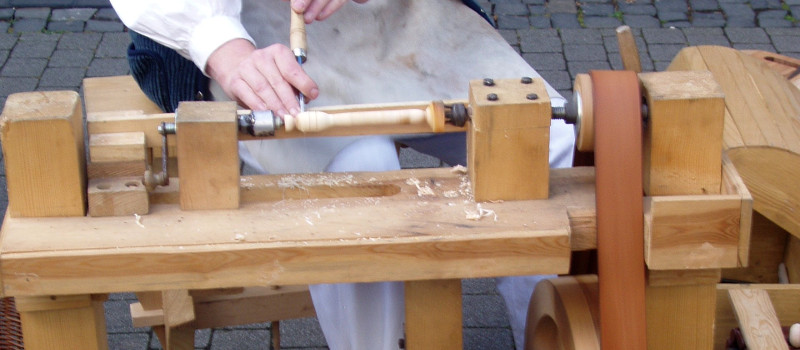
Some endangered species have feathers, fins, or very judgmental-looking eyes. Others live in garages, barns, studios, back rooms, church basements, and the hands of people who know how to make something the slow way. An endangered craft is not simply an old hobby with dust on it. It is a skill, trade, or cultural practice that may disappear if fewer people learn it, teach it, buy it, document it, or understand why it matters.
Maybe you make baskets the way your grandmother did. Maybe you restore wooden windows, build boats, carve stone, weave rugs, repair clocks, sew traditional garments, make saddles, bind books, throw pottery, bend neon, stitch quilts, forge iron, or prepare ceremonial objects with methods passed down through generations. If people keep telling you, “Nobody does that anymore,” congratulations and condolences: you may be holding an endangered craft.
The good news? “Endangered” does not mean “doomed.” It means the craft needs attention, apprentices, markets, records, respect, and probably someone willing to explain why handmade objects cost more than a suspiciously cheap online knockoff. This article explores what endangered crafts are, how to recognize one, why they vanish, and how makers, buyers, schools, museums, and communities can help keep them alive.
What Is an Endangered Craft?
An endangered craft is a hands-on skill or traditional art form at risk of declining because too few people practice it or pass it on. It may be tied to a place, an occupation, a cultural identity, a religious practice, a family tradition, or a historic building trade. Unlike mass production, endangered crafts often depend on deep knowledge: how a material behaves, how a tool should sound, how long something needs to dry, soak, season, cure, or rest before it becomes useful.
Endangered crafts can include both everyday skills and highly specialized trades. Think of blacksmithing, lace making, coopering, letterpress printing, stone carving, broom making, wooden boatbuilding, wheelwrighting, traditional basketry, handweaving, quilting, bookbinding, leatherwork, stained glass repair, neon sign making, and historic plasterwork. Some are artistic. Some are practical. Many are both, which is why they are so stubbornly wonderful.
Traditional Craft vs. Modern Craft
Modern craft is not the enemy. A ceramic artist using digital design tools, a quilter experimenting with recycled fabric, or a woodworker selling through social media may still be part of a living craft tradition. The key difference is whether a skill depends on embodied knowledge that must be practiced and transmitted. Traditions survive because they adapt. A craft becomes endangered when the chain of learning breaks.
Why Endangered Crafts Matter
It is tempting to think of endangered crafts as charming extras, like decorative frosting on the giant cake of modern life. But craft knowledge is not fluff. It preserves history, creates livelihoods, supports local economies, protects cultural identity, and teaches patience in a world that keeps trying to turn every task into a one-click button.
They Preserve Cultural Memory
Crafts carry stories that textbooks often miss. A woven basket can reveal migration routes, available plants, family techniques, and community values. A quilt can preserve personal memory, political expression, regional style, or a record of hardship and celebration. Traditional pottery, beadwork, carving, metalwork, and textiles often hold meaning far beyond decoration.
When a craft disappears, a community may lose vocabulary, rituals, songs, tools, gestures, and social relationships that grew around making. The object matters, but the process matters too. A handmade item is often a conversation between maker, material, place, and time.
They Protect Historic Places
Endangered building trades are especially important. Historic homes, churches, courthouses, bridges, barns, theaters, and public landmarks cannot be preserved properly if nobody knows how to repair lime plaster, restore wood windows, carve replacement stone, lay traditional masonry, or conserve decorative finishes. You cannot fix a 19th-century building with only a tube of caulk, a motivational quote, and wishful thinking.
Traditional trades keep historic structures safe, beautiful, and usable. They also reduce waste. Repairing a wooden window, for example, can often preserve original materials and craftsmanship instead of sending them to a landfill and replacing them with short-lived products.
They Create Human-Scale Work
Craft teaches focus. It rewards observation. It turns mistakes into tuition. A craftsperson learns to read grain, tension, heat, moisture, weight, pressure, color, sound, and texture. These are not romantic details; they are practical forms of intelligence. Endangered crafts remind us that knowledge does not always arrive as a spreadsheet. Sometimes it arrives as a callus, a scar, or the quiet ability to say, “That board is going to warp.”
How Crafts Become Endangered
Crafts rarely disappear overnight. They fade through a series of ordinary pressures that seem harmless until the workshop is empty.
Mass Production Replaces Local Skill
Industrial production made many goods cheaper and more available, which brought real benefits. But it also pushed handmade objects into a difficult corner. A handwoven textile cannot compete on price with a factory-made version. A custom chair built by a skilled woodworker will not cost the same as flat-packed furniture. The danger comes when consumers forget the difference and judge everything by the cheapest sticker price.
Apprenticeship Pathways Disappear
Many endangered crafts are learned through long mentorship, not a weekend class. A master teaches an apprentice how to select materials, use tools safely, troubleshoot problems, and develop judgment. When masters retire without students, decades of knowledge can vanish. This is why apprenticeship programs, folk art fellowships, craft schools, and community workshops are so important.
Materials Become Scarce or Expensive
Some crafts depend on specific woods, fibers, clays, dyes, metals, plants, or animal products. Environmental change, land development, import restrictions, supply-chain disruptions, and rising costs can make materials harder to obtain. A basket maker without access to traditional plants is not merely inconvenienced; the entire practice may be threatened.
Markets Reward Speed Over Skill
Online shopping has trained many buyers to expect fast, cheap, and flawless. Handmade work is often none of those things. It may take weeks. It may show the hand of the maker. It may cost more because it reflects fair labor, quality materials, and years of training. When the market undervalues craft, fewer people can afford to practice it full-time.
Disasters Hit Studios Hard
Fires, floods, storms, illness, theft, and economic shocks can devastate makers. A craftsperson may lose tools collected over decades, rare materials, finished inventory, custom patterns, molds, looms, kilns, or archives. For a small studio, one emergency can threaten an entire livelihood. Emergency relief and preparedness resources for artists are part of craft preservation, not separate from it.
Signs You May Have an Endangered Craft
Not every handmade practice is endangered, and not every old technique is automatically at risk. Use the following questions as a practical checklist.
1. Are There Fewer Practitioners Than Before?
If most practitioners are older and few younger people are entering the field, the craft may be vulnerable. This is especially true when the skill takes years to learn. A craft with five masters and no apprentices is like a library with no doors open.
2. Is the Knowledge Mostly Unwritten?
Some skills live in muscle memory. Recipes, patterns, and instructions help, but they rarely capture everything. If the craft depends on phrases like “you’ll know when it feels right,” documentation becomes urgent. Video, audio interviews, tool diagrams, material notes, and step-by-step photos can preserve knowledge for future learners.
3. Are Tools or Materials Hard to Find?
A craft may be endangered if the required tools are no longer manufactured, the materials are restricted, or suppliers have disappeared. For example, a traditional woodworker may need specialty hand planes, while a textile artist may need a particular loom, dye plant, or fiber preparation tool.
4. Is the Craft Misunderstood by Buyers?
If customers regularly compare your work to cheap imports, ask for impossible discounts, or think “handmade” means “adorably inexpensive,” market education is needed. Clear storytelling can help buyers understand labor, heritage, sustainability, and quality.
5. Is It Connected to a Community Tradition?
Crafts tied to Indigenous, immigrant, regional, religious, occupational, or family traditions may need special care. Preservation should be community-led, respectful, and ethical. The goal is not to extract a technique and turn it into a trend. The goal is to support the people who carry the tradition.
Examples of Endangered Crafts in the United States
The United States has no single official list that covers every endangered craft. Risk varies by region, community, and market. Still, several categories frequently appear in conversations about craft preservation.
Historic Building Trades
Traditional masonry, timber framing, plasterwork, stained glass conservation, ornamental metalwork, stone carving, and wood window restoration are essential for historic preservation. These trades require technical skill and historical understanding. Without them, old buildings are often repaired poorly, replaced unnecessarily, or stripped of the details that made them valuable in the first place.
Textile Traditions
Handweaving, quilting, natural dyeing, lace making, spinning, embroidery, and traditional garment construction carry deep cultural and regional meaning. Textile crafts are often dismissed as “domestic,” which is a fancy way of saying society sometimes overlooks brilliant work when it happens near a laundry basket. In reality, textile traditions preserve design systems, family stories, and sophisticated technical knowledge.
Wooden Boatbuilding and Maritime Crafts
Wooden boatbuilding, sailmaking, ropework, and oar making connect communities to rivers, lakes, coastlines, fishing economies, and recreation. These crafts require knowledge of wood, water, weather, joinery, and maintenance. They also remind us that “seaworthy” is not a vibe; it is a standard.
Traditional Basketry
Basketry can be functional, ceremonial, artistic, or all three at once. Many basket traditions depend on access to local plants and ecological knowledge. The maker must understand harvesting, preparation, weaving structure, and cultural meaning. Supporting basketry may also mean supporting land access and environmental stewardship.
Print, Paper, and Book Arts
Letterpress printing, hand papermaking, marbling, calligraphy, and bookbinding survive through specialized studios, schools, libraries, and passionate makers. These crafts offer a tactile alternative to digital life. A well-bound book does not need a software update, which is honestly refreshing.
Metal, Glass, and Sign Crafts
Blacksmithing, tinsmithing, silversmithing, neon bending, stained glass, and scientific glassblowing require heat, timing, and courage. These crafts often demand expensive equipment and safe studio space, which can be a barrier for new learners. When training programs disappear, the skills become harder to revive.
How to Save an Endangered Craft
Saving a craft is not about freezing it in amber. A living craft must be practiced, taught, repaired, sold, adapted, and loved by real people with rent to pay. Here are practical ways to help.
Document the Process
Record the maker at work. Capture tool names, material sources, measurements, mistakes, repairs, stories, and finishing methods. Ask why certain steps matter. Film hands, not just faces. The smallest movement may be the key to the whole technique.
Create Apprenticeships
Apprenticeship is one of the strongest ways to preserve endangered crafts. A good apprenticeship includes hands-on practice, safety training, cultural context, business knowledge, and enough time for the apprentice to develop judgment. Communities, nonprofits, schools, and public agencies can help by funding mentor-apprentice relationships.
Teach Short Classes, Too
Not everyone can commit to a multi-year apprenticeship. Introductory workshops still matter because they create awareness and future supporters. A one-day class may produce one lifelong craftsperson, ten informed buyers, and several people who suddenly understand why handmade chairs are not priced like tacos.
Pay Makers Fairly
Compliments are lovely, but they do not buy kiln elements, chisels, studio insurance, wool, wood, clay, rent, or lunch. If you value endangered crafts, pay for them. Commission work. Buy directly from makers. Attend craft fairs. Support local guilds. Choose repair over replacement when possible.
Build Better Markets
Makers need more than admiration. They need access to customers, galleries, online sales tools, wholesale training, photography, pricing guidance, grants, and business planning. Craft preservation succeeds when the tradition is culturally respected and economically realistic.
Support Craft Schools and Guilds
Craft schools, folk schools, guilds, museums, heritage centers, and community organizations provide the infrastructure that individual makers often cannot create alone. They offer tools, classrooms, networks, exhibitions, archives, and mentorship. Supporting them helps the entire ecosystem.
Respect Cultural Ownership
Some endangered crafts belong to specific communities. Learn from tradition bearers, credit sources, follow protocols, and avoid copying sacred or restricted designs. Preservation should not become cultural strip-mining with better lighting. When in doubt, ask, listen, and support community-led efforts.
How Makers Can Tell Their Craft Story
If you practice an endangered craft, storytelling is not optional marketing fluff. It is part of survival. Buyers, students, journalists, and institutions need to understand what makes your work valuable.
Explain the Time
Break down the process. How long does it take to prepare materials? How many steps are invisible in the finished object? What must be done by hand? A buyer may see a basket. You see harvesting, soaking, splitting, dyeing, weaving, shaping, drying, and finishing.
Show the Tools
Tools are charismatic little ambassadors. Photograph them. Explain what they do. Tell stories about where they came from. A century-old plane, a handmade awl, or a loom inherited from a relative can help people feel the continuity of the craft.
Share the Human Stakes
Tell people what happens if the craft disappears. Will a language term vanish? Will historic buildings be harder to repair? Will a community lose a ceremony, livelihood, or identity marker? Make the risk clear without sounding like a museum label that forgot to drink coffee.
Experiences Related to the Topic: Do You Have An Endangered Craft?
The first time many people encounter an endangered craft, they do not recognize it as endangered. They simply notice a person doing something unusually well. A woman repairs a cane chair seat with a rhythm that sounds like soft percussion. A man sharpens a drawknife and turns a rough piece of wood into a tool handle that fits the hand as if it grew there. A quilter chooses fabric with the seriousness of a historian and the mischief of a painter. Someone in a small workshop bends glowing glass tubing into a neon letter, and suddenly the alphabet feels dangerous and glamorous.
One common experience is the shock of time. In a culture obsessed with speed, endangered crafts move at a different pace. A beginner may enter a workshop expecting a quick lesson and discover that the first hour is about sharpening, soaking, measuring, or listening. At first, this can feel inefficient. Then the lesson lands: the preparation is the craft. The master is not moving slowly because they are old-fashioned. They are moving carefully because the material has rules, and ignoring them is how you create expensive firewood.
Another experience is humility. Endangered crafts have a way of making confident adults feel like baby giraffes on roller skates. The first basket leans. The first dovetail gap looks like it needs dental work. The first line of stitching wanders off like it remembered another appointment. This is not failure. It is initiation. Traditional skills teach that mastery is built through repetition, correction, and attention. The craft does not care about your résumé. It cares whether your hands are learning.
People who inherit endangered crafts often describe a sense of responsibility. A family recipe, a weaving pattern, a carving method, or a repair technique may feel ordinary until the keeper realizes no one else nearby knows it. Then the craft changes weight. It becomes less like a hobby and more like a small flame cupped against the wind. That responsibility can be beautiful, but it can also feel lonely. This is why communities matter. A craft needs witnesses, students, buyers, and friends who understand that preserving skill is real work.
Buyers also have meaningful experiences with endangered crafts. A handmade object often changes how people use and value things. A hand-bound journal invites slower writing. A repaired chair becomes a family object instead of trash. A woven blanket carries the maker’s decisions in every thread. When people understand the story behind an object, they are less likely to treat it as disposable. The object becomes a relationship.
Perhaps the most powerful experience is seeing a young person learn from an elder. The transfer is practical, but it is also emotional. There is laughter, correction, frustration, and pride. There are phrases repeated exactly as someone’s teacher once said them. There are hands guiding hands. In that moment, an endangered craft becomes less endangered. Not saved forever, perhaps, but alive for another generation. That is how preservation usually happens: not with thunder, but with practice.
Conclusion: Your Craft May Be More Important Than You Think
If you have an endangered craft, you are not just making objects. You are carrying knowledge. You are preserving a way of solving problems, honoring materials, remembering people, and connecting the past with the future. That does not mean every craft must remain unchanged forever. Living traditions breathe, adapt, and sometimes develop a surprisingly good Instagram account.
The real question is not whether old crafts can survive modern life. They can. The question is whether we will make room for them: in schools, markets, museums, workshops, public funding, local businesses, and our own buying habits. Endangered crafts need more than nostalgia. They need apprenticeships, documentation, fair pay, cultural respect, and people willing to learn before the last master closes the studio door.
So, do you have an endangered craft? If the answer is yes, start naming it, teaching it, recording it, and valuing it. If the answer is no, look around. Someone near you probably does. Buy from them. Learn from them. Share their work. The future of craft may depend on many small choices made by people who still believe that human hands have something irreplaceable to say.