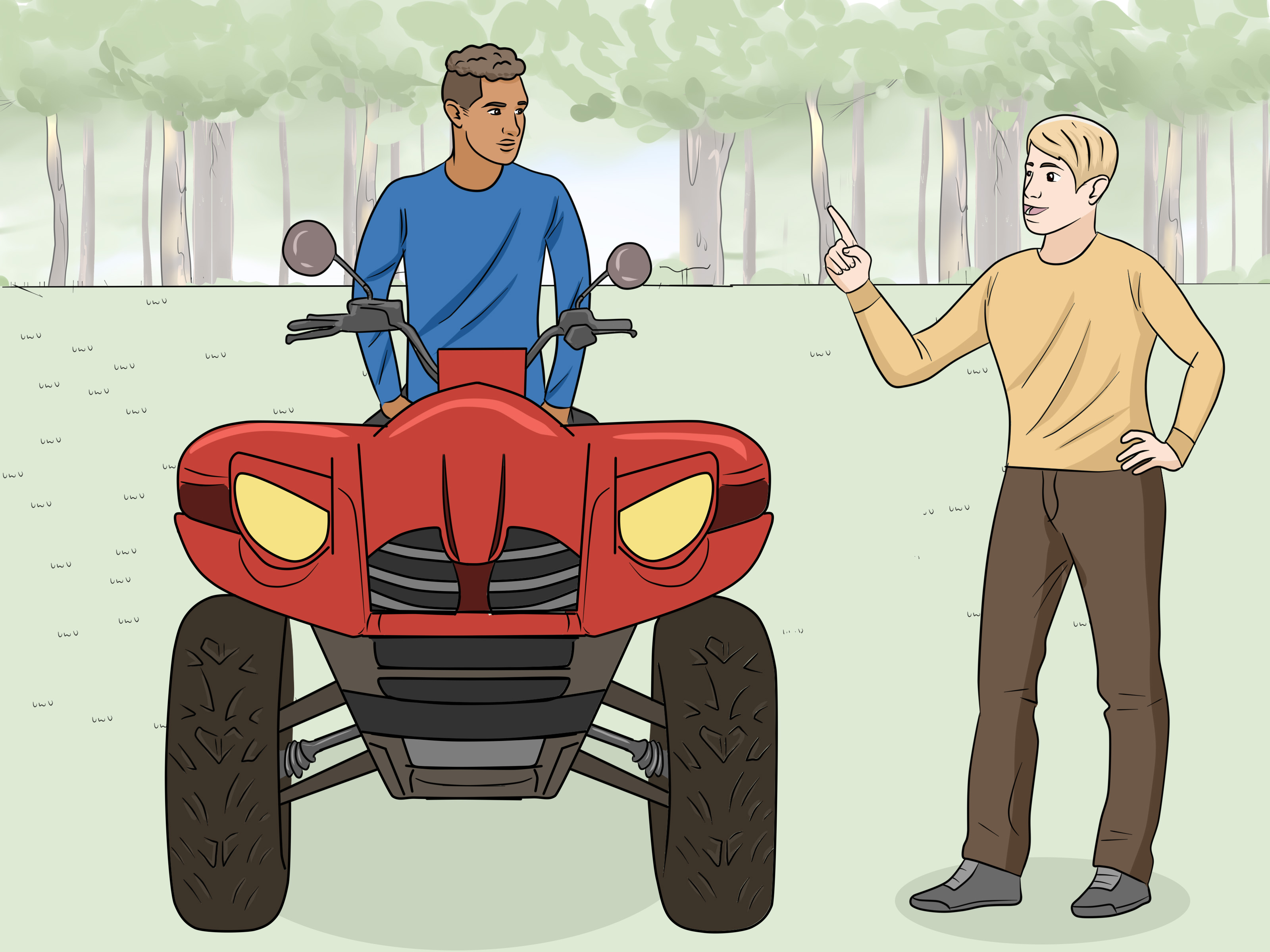
Editor’s note: This beginner ATV guide is written for safe, legal, supervised riding in designated off-road areas. It is not a stunt guide, racing guide, or permission slip to turn the nearest driveway into a rodeo arena. Always follow local laws, land rules, manufacturer instructions, and age requirements.
Learning how to start riding an ATV is exciting for the same reason puppies, roller coasters, and fresh pizza are exciting: your brain immediately says, “Yes, please.” But an all-terrain vehicle is not a toy with chunky tires. It is a powerful off-road machine that demands training, protective gear, patience, and respect for the trail.
The good news? Beginners do not need to become dirt-slinging legends on day one. In fact, the smartest ATV riders start slowly. They learn the controls, practice in a wide open area, choose the right terrain, and build confidence one calm step at a time. That approach may sound less dramatic than blasting through mud like an action-movie extra, but it is also the approach that helps you ride again next weekend with all your bones still on the team.
This guide walks through 15 practical steps for new ATV riders, from choosing the right machine to planning your first real trail ride. Along the way, you will learn the basics of ATV safety gear, pre-ride inspection, throttle control, braking, turning, trail etiquette, and beginner-friendly riding habits.
Before You Ride: Understand What an ATV Is
An ATV, or all-terrain vehicle, is designed for off-highway use. It usually has four low-pressure tires, handlebars, a straddle-style seat, and controls that require body movement and balance. Unlike a car, most ATVs do not have seat belts, doors, airbags, or a protective cabin. The rider’s judgment is a major safety feature, which is both empowering and slightly rude, because it means you cannot blame the cup holder.
ATVs are built to handle dirt, gravel, grass, and designated trails, not regular traffic. Paved roads can make ATVs harder to control, and mixing them with cars and trucks is a bad bargain. Beginners should think of an ATV as trail equipment, not a shortcut to the store.
How to Start Riding an ATV: 15 Steps
1. Take an ATV safety course first
The best first step is not buying cool goggles or naming your ATV “Mudzilla.” It is taking a hands-on ATV safety course from a qualified instructor. A good course teaches you how to mount, start, stop, turn, shift your body weight, scan terrain, and respond calmly when the trail gets awkward.
Training also helps beginners avoid one of the most common mistakes: assuming that four wheels automatically means easy. ATVs can feel stable at low speed, but they still require active control. A safety course gives you a controlled place to learn before the trail starts throwing surprise rocks at your confidence.
2. Choose the right ATV for your size, age, and skill
Beginner ATV riding starts with the correct machine. A vehicle that is too large, too powerful, or too heavy can turn learning into wrestling. You should be able to comfortably reach the handlebars, operate the brake controls, shift your weight, and place your feet securely on the footrests.
Young riders should never operate adult-sized ATVs. Age-appropriate models exist for a reason: smaller engines, lower speeds, and controls designed for smaller bodies. Adults should also resist the temptation to “start big.” A beginner-friendly ATV is not embarrassing; it is smart. The trail does not hand out trophies for overconfidence.
3. Read the owner’s manual
The owner’s manual may not be thrilling literature, but it is more useful than guessing. It explains your ATV’s controls, maintenance schedule, tire pressure, fuel type, warning labels, break-in recommendations, load limits, and safety instructions.
Pay special attention to whether the ATV is designed for one rider or more. Most traditional ATVs are built for a single operator only. Adding a passenger to a single-rider ATV changes the balance and makes steering harder. That is not “teamwork”; that is physics preparing a complaint.
4. Wear proper ATV safety gear every ride
ATV safety gear is not optional decoration. At minimum, wear a properly fitted, DOT-compliant helmet, eye protection, gloves, over-the-ankle boots, long pants, and a long-sleeved shirt or jacket. A chest protector, knee guards, and elbow guards are also smart choices for trail riding.
A bicycle helmet is not the right tool for ATV riding. Use motorcycle-style or ATV-appropriate head protection. Your gear should fit securely without blocking your vision or movement. If you look slightly like a futuristic beetle, congratulations. You are doing it right.
5. Check local laws, permits, and land rules
ATV laws vary by state, county, and riding area. Some places require OHV registration, safety certificates, spark arresters, flags, lights, mufflers, or trail permits. Public lands may have seasonal closures, route restrictions, width limits, and posted speed rules.
Before riding, confirm that your ATV is allowed where you plan to go. Use official trail maps, park websites, ranger stations, or land-management offices. Do not assume that tire tracks mean legal access. Sometimes tire tracks mean “someone else already made a poor decision.”
6. Inspect the ATV before starting it
A pre-ride inspection takes only a few minutes and can prevent a long walk back to the truck while mosquitoes critique your life choices. Check tire condition and pressure, brakes, throttle movement, steering, lights, fuel level, oil level, chain or drive components, and loose bolts or leaks.
Make sure the kill switch works, the footrests are secure, and the controls move smoothly. If anything feels wrong, fix it before riding. Beginners should not practice on a machine with questionable brakes, mystery noises, or a throttle that behaves like it had three energy drinks.
7. Start in a flat, open practice area
Your first ride should happen in a legal, open, flat area away from traffic, trees, fences, ditches, spectators, and expensive landscaping. A training range or beginner practice area is ideal. The goal is to remove distractions while you learn how the ATV responds.
Start slowly. Practice moving in a straight line, stopping smoothly, turning wide circles, and parking. Keep both hands on the handlebars and both feet on the footrests. Standing with one foot dragging beside the ATV is not a technique; it is a preview of bad news.
8. Learn the controls before adding speed
Know where the throttle, front brake, rear brake, ignition switch, kill switch, gear selector, and parking brake are located. Some ATVs have automatic transmissions, while others require shifting. Either way, learn the control layout while the engine is off, then practice gently with the engine running.
Use smooth inputs. A beginner’s best friend is gradual pressure: gentle throttle, steady braking, calm steering. Jerky movements can upset the ATV’s balance, especially on loose ground. Think “slow and smooth,” not “cartoon raccoon escaping a lawn mower.”
9. Practice starting and stopping smoothly
Once you are seated correctly with your helmet fastened and the area clear, start the ATV according to the manufacturer’s instructions. Ease into the throttle and move forward at walking speed. Then practice braking in a straight line.
Good braking is one of the most important ATV riding skills. Beginners should learn how the brakes feel before they need them urgently. Practice gentle stops, firmer stops, and stopping at a marked point. Keep your eyes up and look where you want to go, not directly at the front tires like they are about to reveal a secret.
10. Use body position to help control the ATV
ATV riding is active. Your body position matters. Sit centered, keep your elbows slightly bent, and stay relaxed. When turning, look through the turn and shift your upper body slightly toward the inside. On mild inclines, follow trained guidance and manufacturer instructions for safe body positioning.
Do not attempt steep hills, deep mud, side slopes, jumps, or obstacles as a beginner. Build skills gradually on easy terrain. The ATV may say “all-terrain,” but your beginner skill level may currently say “flat field with emotional support.” That is completely normal.
11. Learn wide, controlled turns
Turning an ATV is not the same as turning a bicycle or car. Start with large circles at low speed. Keep your feet on the footrests, look in the direction of travel, and avoid sudden throttle changes. If the ATV feels tippy, slow down and widen the turn.
Practice figure-eight patterns only after basic circles feel comfortable. Do not force tight turns too early. Beginner riders often over-steer, stare at the ground, or accelerate halfway through a turn. A clean turn should feel boring in the best possible way.
12. Ride only on designated trails
Responsible ATV riding means staying on designated routes. This protects wildlife, vegetation, water crossings, private property, and future trail access for everyone. Cutting new paths may feel adventurous for five minutes, but it can damage land and get riding areas closed.
Follow posted signs, trail maps, and local rules. Yield appropriately to hikers, horses, mountain bikers, and other riders. Slow down near campsites, trailheads, blind corners, and dusty sections. Being considerate on the trail is not just polite; it is how ATV riders avoid becoming the reason new rules get invented.
13. Avoid public roads and paved surfaces
Most ATVs are designed for off-road riding, not regular street use. Paved surfaces can affect handling, and road traffic adds serious risk. Unless a specific law or managed crossing allows it, do not ride an ATV on public roads.
If you must cross a road where legal, stop fully, look both ways, cross straight and carefully, and follow all local requirements. Beginners should plan routes that avoid road crossings whenever possible. Trails are where ATVs belong; traffic lanes are where cars, trucks, and impatience live.
14. Never carry extra passengers on a single-rider ATV
If your ATV is labeled for one operator, ride solo. Passengers change weight distribution, make steering harder, and can interfere with the rider’s movement. Sitting on a rack, lap, fender, or behind the operator on a single-rider ATV is unsafe.
Two-up ATVs exist, but they are specifically designed for an operator and passenger. Even then, the passenger must wear full protective gear and follow the manufacturer’s instructions. If the seat and label do not say passenger-ready, the answer is no.
15. Plan your first trail ride like a responsible adult
For your first real ATV trail ride, choose an easy beginner route, check the weather, bring water, pack a basic first aid kit, carry a charged phone or communication device, and ride with experienced people who value safety. Tell someone where you are going and when you expect to return.
Keep the ride short. Fatigue makes new riders sloppy, and sloppy riding is where mistakes start multiplying like rabbits with helmets. End your first ride while you still feel fresh and confident. A successful beginner ATV ride is not measured by distance. It is measured by control, comfort, and coming home with a good story instead of a hospital bracelet.
Common Beginner ATV Mistakes to Avoid
Skipping safety gear
“I’m only going slow” is not a safety plan. Many accidents happen close to home, during short rides, or at low speeds when riders let their guard down. Put on the gear before the engine starts.
Following faster riders
Ride your own pace. If your group disappears ahead, let them. A good group waits at intersections and checks on beginners. Chasing experienced riders is how new riders trade learning for panic.
Riding tired or distracted
ATV riding requires attention. Stop if you feel tired, thirsty, overheated, nervous, or pressured. Confidence grows from repetition, not from pretending you are fine while your brain is sending “please unsubscribe” messages.
Ignoring maintenance
ATVs need regular care. Clean the air filter, check fluids, inspect tires, tighten loose parts, and follow the service schedule. A well-maintained ATV is easier to control and less likely to surprise you in inconvenient locations.
Beginner ATV Practice Plan
Here is a simple practice plan for new riders. Spend your first session learning controls, starting, stopping, and straight-line riding. During your second session, add wide turns, figure eights, and controlled braking. During your third session, practice on mild dirt terrain with small bumps and gentle curves. Only after those basics feel natural should you try beginner trails.
Keep each session short and focused. Practice one skill at a time. For example, do not try to learn turning, braking, hill riding, and group etiquette all in the same hour. That is not training; that is turning your brain into trail mix.
Experience Section: What New ATV Riders Usually Learn the Hard Way
The first real lesson of ATV riding is that confidence and competence are not the same thing. Almost every beginner has a moment when the machine feels easy, the trail looks friendly, and the throttle seems to whisper, “Come on, just a little more.” That is exactly when smart riders slow down and remember that early confidence can be sneaky.
Many new riders discover that the most useful skill is not speed. It is smoothness. Smooth throttle keeps the ATV settled. Smooth braking prevents panic. Smooth steering helps the tires track where they should. Smooth decision-making keeps the rider from entering terrain that looks fun from far away but looks very different when the front tires are already committed.
A beginner-friendly experience usually starts with humility. The rider puts on full gear even though it feels excessive in the parking area. Then, after ten minutes of dust, wind, bugs, and bouncing, that gear suddenly feels like wisdom with straps. Gloves help grip the bars. Boots protect ankles from brush and footrest bumps. Eye protection keeps dirt from turning the trail into a blurry brown painting. The helmet feels warm at first, then reassuring.
Another common experience is learning how much the trail changes from one corner to the next. A smooth section can become loose gravel. Dry dirt can hide ruts. A shady patch can stay slick longer than the sunny part. Beginners who scan ahead, slow before turns, and leave extra space usually feel more relaxed. Riders who stare at the front tires tend to react late and tense up.
Group rides teach their own lessons. A safe group does not pressure the newest rider. The best leaders stop at intersections, explain upcoming terrain, and remind everyone to ride within their ability. The worst groups treat beginners like backup characters in someone else’s highlight reel. If a group laughs at caution, find a better group. Good ATV riding culture is built on respect: for the machine, the land, other trail users, and the person learning.
New riders also learn that short rides are underrated. The first day does not need to be an epic adventure. A one-hour session on easy terrain can teach more than a full day of stressful riding. Ending early, cleaning the ATV, checking for loose parts, and talking through what felt confusing can turn a beginner ride into real progress.
Perhaps the most valuable experience is realizing that safe ATV riding is still fun. Safety does not remove the adventure; it keeps the adventure from becoming paperwork. When you know your controls, wear proper gear, follow designated trails, and ride at a pace you can manage, ATV riding becomes less scary and more satisfying. You notice the trail, the trees, the changing dirt, and the small improvements in your own control. That is where the real fun livesnot in showing off, but in getting better every ride.
Conclusion
Starting to ride an ATV is a mix of excitement, responsibility, and skill-building. The safest beginners start with training, choose the right machine, wear proper protective gear, inspect their ATV, practice slowly, and ride only where it is legal. They avoid passengers on single-rider ATVs, stay off public roads, respect other trail users, and treat every ride as a chance to improve.
ATV riding can be a fantastic outdoor activity when it is done carefully. The trick is to let your skills grow before your ambition gets loud. Start small, ride smart, and remember: the best ATV riders are not the ones who make the biggest dust cloud. They are the ones who get invited back, protect the trails, and park the machine at the end of the day with a grin instead of a grimace.