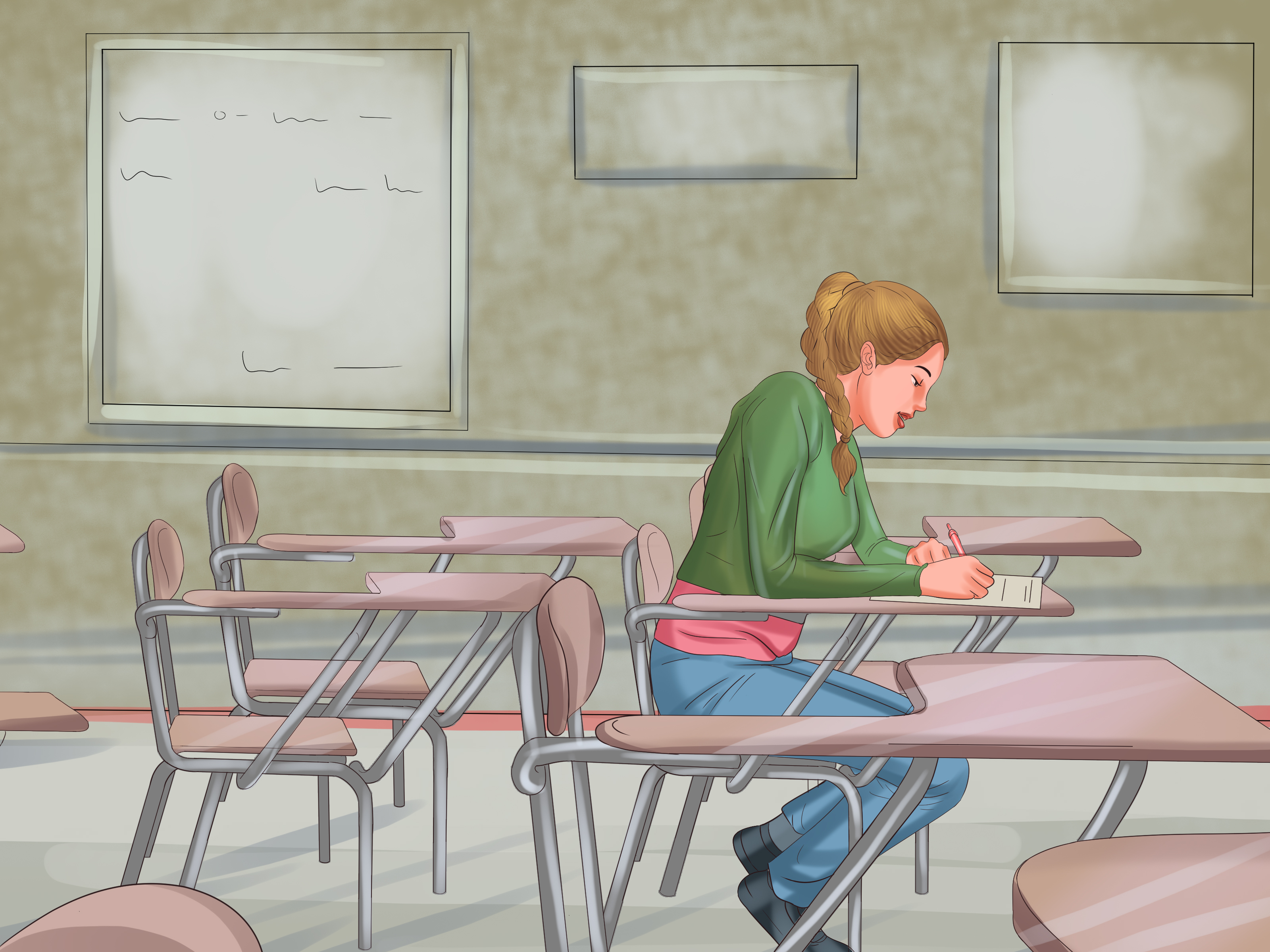
Being pregnant while going to school can feel like trying to carry a backpack, a biology textbook, a water bottle, a snack stash, and an entire future all at once. Some days, you may feel motivated and organized. Other days, you may be tired before first period even starts. That does not mean you are failing. It means you are handling two major life chapters at the same time: your education and your pregnancy.
The good news? You do not have to choose between being a student and taking care of yourself. In the United States, many pregnant and parenting students have legal protections, school support options, health resources, and practical strategies that can help them stay on track. This guide explains how to survive school being pregnant with less panic, more planning, and maybe even a little humorbecause when your baby kicks during a pop quiz, you deserve at least one laugh.
Understanding Your Rights as a Pregnant Student
Before talking about snacks, schedules, or maternity jeans, let’s start with something powerful: your rights. Under Title IX, schools that receive federal funding generally cannot discriminate against students because of pregnancy, childbirth, false pregnancy, termination of pregnancy, or recovery from any of these conditions. This applies to many public schools, school districts, colleges, and universities in the United States.
In plain English: your school should not push you out, shame you, block you from classes, remove you from activities, or treat you as less capable just because you are pregnant. You still have the right to learn, participate, ask for support, and plan your future.
What Your School Should Not Do
A school should not automatically force you into a different program, make you leave regular classes, ban you from extracurricular activities, or tell you that pregnancy means your education is “on pause.” If you miss school for pregnancy-related medical reasons, you should be allowed to make up work in a fair way, similar to how the school handles other medically excused absences.
If someone at school says, “Maybe you should just drop out,” remember this: that is not a plan. That is a panic sentence wearing a fake mustache. A real plan includes accommodations, communication, health care, academic support, and a path toward graduation.
Who to Talk to First
Start with a trusted adult at school. This might be a school counselor, nurse, social worker, Title IX coordinator, academic adviser, homeroom teacher, or principal. If you are in college, look for the Title IX office, student affairs office, disability services, dean of students, or academic advising center.
You do not have to tell everyone. You only need to tell the people who can help you arrange what you need. Keep notes of important conversations, including dates, names, and what was discussed. Documentation may feel boring, but it can protect you if there is confusion later.
Build a Support Team Before You Need One
Pregnancy can be emotional, physical, and unpredictable. One morning you may feel fine; by lunch, the smell of cafeteria pizza may feel like a personal attack. A support team helps you handle the unexpected.
Your School Support Team
Your school team may include a counselor, nurse, trusted teacher, academic adviser, and attendance officer. Tell them what you need clearly. For example: “I am pregnant and want to stay in school. I may need help with medical absences, bathroom access, deadlines, and a plan for after delivery.”
That sentence is simple, mature, and hard to argue with. It also shifts the conversation from gossip to problem-solving.
Your Home and Community Support Team
Outside school, your support team may include a parent, guardian, relative, partner, partner’s family, mentor, health care provider, caseworker, faith leader, or close friend. Choose people who are safe, calm, and practical. You do not need a cheering section that only says, “Everything happens for a reason.” You need people who can help with rides, appointments, meals, paperwork, baby supplies, and emotional support.
If your home situation is unsafe or unstable, talk to a school counselor, social worker, health clinic, or local youth services organization. If you feel in crisis or have thoughts of harming yourself, call or text 988 in the United States for immediate mental health support.
Get Prenatal Care Early and Keep Going
One of the most important survival steps is getting prenatal care. Prenatal care is medical care during pregnancy. It helps monitor your health, your baby’s development, nutrition, symptoms, and any risks that need attention.
If you think you are pregnant or have a positive pregnancy test, schedule an appointment with a doctor, midwife, clinic, or community health center. Early care matters because health problems are often easier to manage when they are found sooner. If you are worried about cost, ask about Medicaid, community clinics, school-based health centers, local health departments, or WIC.
Do Not Skip Appointments Because of School
It is tempting to say, “I’ll go later; I have a test.” But pregnancy is not a side quest. Your health appointments are part of the main storyline. Work with your school to excuse medical absences and make up assignments. When possible, schedule appointments during study hall, after school, or on lighter class days. When that is not possible, communicate early.
Try this message: “I have a medical appointment related to my pregnancy on Tuesday at 10 a.m. Please let me know what classwork I should complete before or after the appointment.” Short, respectful, and responsible.
Know the Warning Signs
Ask your health care provider which symptoms need urgent attention. In general, do not ignore severe abdominal pain, heavy bleeding, fainting, severe headache, vision changes, chest pain, shortness of breath, fever, sudden swelling, or decreased fetal movement later in pregnancy. When in doubt, contact a medical professional. You are not being dramatic; you are being careful.
Create a School Survival Plan
Surviving school while pregnant is easier when you stop relying on “I’ll figure it out later.” Later has a sneaky habit of arriving during finals week with swollen ankles and three missing assignments.
Plan for Attendance
Meet with your counselor or adviser and ask how pregnancy-related absences will be handled. Find out who receives doctor’s notes, how make-up work is assigned, and what happens if you miss a test. If your school uses online portals, check them regularly. A missed assignment is much less scary when you catch it early instead of discovering it at midnight with a bag of pretzels and regret.
Plan for Deadlines
Use a planner, calendar app, notebook, or sticky noteswhatever you will actually use. Write down due dates, prenatal appointments, exam days, and school events. If pregnancy symptoms are worse in the morning, schedule hard tasks later if possible. If you get tired after lunch, use your best energy window for the most important work.
Plan for Delivery and Recovery
Do not wait until your due date to ask about schoolwork. Babies are adorable, but they are not known for respecting academic calendars. Ask your school what options are available for homebound instruction, online learning, temporary leave, make-up work, flexible deadlines, or modified schedules after delivery.
If you are in college, talk to each professor before your due date. Ask about exams, labs, clinical hours, attendance policies, and remote options. Put agreements in writing when possible. “We talked in the hallway” is not as helpful as an email summary.
Manage Pregnancy Symptoms During the School Day
Pregnancy symptoms can turn an ordinary school day into a tiny obstacle course. Morning sickness, fatigue, back pain, heartburn, frequent bathroom trips, mood swings, and hunger can all show up like uninvited guests at a group project.
Pack a Pregnancy-Friendly School Bag
Your bag does not need to look like a survival bunker, but a few items can save the day:
- Water bottle
- Small snacks such as crackers, nuts, granola bars, fruit, or cheese sticks
- Prenatal vitamins if your provider recommends taking them during the day
- Ginger candies or nausea-friendly snacks if approved by your provider
- Comfortable shoes or shoe inserts
- Extra sweater or layers
- Small notebook for symptoms, questions, and appointments
- Phone charger
Food can be a big deal. Pregnancy often requires more protein, iron, calcium, folic acid, and overall balanced nutrition. That does not mean eating double. It means eating smarter and more consistently. Your baby may not need two lunches, but your body may strongly vote for a snack between classes.
Ask for Reasonable Adjustments
Depending on your needs, you may ask for bathroom breaks, permission to carry water, a seat near the door, elevator access, extra time between classes, a modified gym activity, or flexibility for morning sickness. These are not special favors. They are practical supports that help you keep learning.
If a teacher questions your request, calmly redirect the conversation to your counselor, nurse, or Title IX coordinator. You do not need to debate your bladder in front of the class. Truly, no one needs that subplot.
Handle Gossip, Judgment, and Social Stress
Pregnancy at school can attract attention, and not all attention is kind. People may stare, whisper, ask personal questions, or offer opinions nobody ordered. You cannot control every comment, but you can control your boundaries.
Prepare Simple Responses
You do not owe classmates your private medical information. Try short responses such as:
- “I’m focusing on school and my health.”
- “I’m not discussing personal details.”
- “Thanks for caring, but I’ve got support.”
- “That’s between me, my family, and my doctor.”
Short answers work because they leave less room for debate. Think of them as emotional seatbelts.
Report Harassment
If gossip becomes bullying, threats, sexual harassment, online harassment, or repeated humiliation, report it. Save screenshots, write down dates, and tell a counselor, administrator, or Title IX coordinator. Being pregnant does not make harassment acceptable. Your school should take safety seriously.
Stay Academically Focused Without Burning Out
You may not be able to do school exactly the way you did before pregnancy, and that is okay. The goal is not perfection. The goal is progress.
Use the “Minimum Effective Effort” Method
When energy is low, ask: “What is the smallest useful step I can take right now?” Maybe it is reading three pages, emailing one teacher, finishing half a worksheet, or reviewing flashcards for ten minutes. Small steps count. They are how big goals survive rough days.
Prioritize Core Classes
If you are overwhelmed, ask your counselor which classes matter most for graduation, credits, college applications, career training, or financial aid. Put your best energy there first. This is not laziness; it is strategy.
Ask for Tutoring Early
Do not wait until you are buried. Ask about tutoring, office hours, study groups, online resources, credit recovery, or peer support. If you miss class for appointments or symptoms, tutoring can help you catch up faster.
Think About Money, Food, Transportation, and Child Care
School survival is not only about homework. It is also about the real-life details that affect whether you can show up.
Food and Nutrition Help
WIC, the Special Supplemental Nutrition Program for Women, Infants, and Children, may help eligible pregnant people, new mothers, breastfeeding parents, babies, and young children with nutritious foods, nutrition education, breastfeeding support, and referrals. Ask a clinic, health department, school nurse, or social worker how to apply in your area.
Transportation
If getting to school or appointments is difficult, ask about bus passes, Medicaid transportation, school transportation options, community rides, or family help. Keep appointment cards and school schedules organized so rides can be planned earlier.
Child Care Planning
If you plan to parent, child care can become one of the biggest school challenges after delivery. Ask about school-based child care, Early Head Start, local child care subsidies, family support, campus child care, or flexible scheduling. Start early because waiting lists can be longer than a Monday morning assembly.
Take Care of Your Mental Health
Pregnancy can bring joy, fear, confusion, pressure, and lonelinesssometimes all in the same afternoon. Pregnant and parenting students may feel isolated from friends or anxious about the future. Those feelings deserve attention, not shame.
Talk to a counselor, therapist, doctor, nurse, or trusted adult if you feel constantly sad, panicked, numb, hopeless, or unable to function. Mental health care during pregnancy is health care. You are not “too sensitive.” You are human, and humans need support.
Protect Your Peace
Limit conversations that leave you feeling worse. Mute social media accounts that stress you out. Spend time with people who respect your choices and encourage your education. Rest when you can. A nap is not a moral failure; sometimes it is the most responsible thing on the schedule.
Make Decisions About Your Future One Step at a Time
Pregnancy may force big questions to arrive quickly: Do you want to parent? What support do you have? Can you continue school full time? What are your medical options? What does your family think? What does your state law allow? What do you want for your future?
You deserve accurate, nonjudgmental information. A health care provider, counselor, or trusted support organization can help you understand your options, including parenting, adoption, kinship care, and pregnancy-related medical care. Laws vary by state, especially for minors and reproductive health services, so ask qualified professionals in your area.
Big decisions are easier when broken into smaller questions: What is my next medical appointment? Who can help me talk to school? What classes do I need to pass this semester? Where can I get emotional support this week?
Real-Life Experiences: What Pregnant Students Often Learn the Hard Way
Many students who go through pregnancy during school say the hardest part is not always the homework, the nausea, or the awkward desk-chair situation. The hardest part is feeling like everyone suddenly has an opinion about their life. One student may hear, “You ruined your future,” while another hears, “You’re so strong,” five minutes later. Both can feel overwhelming. The truth is simpler: pregnancy changes your path, but it does not erase your ability to build a future.
A common experience is learning to speak up. At first, asking for help can feel embarrassing. A pregnant student may avoid telling teachers about morning sickness because she does not want special treatment. Then she misses assignments, falls behind, and feels worse. Eventually, she learns that asking early is not weakness. It is time management with a heartbeat. A simple email to a teacher can prevent a pile of late work from becoming a mountain.
Another real experience is discovering who is truly supportive. Some friends may drift away because they do not know what to say. Others may surprise you by bringing snacks, sharing notes, walking slowly with you between classes, or defending you when gossip starts. Pregnancy can act like a friendship filter. It is not always fun, but it can reveal who belongs in your corner.
Many pregnant students also learn that their bodies now run on a different schedule. Before pregnancy, they may have studied late, skipped breakfast, and survived on iced coffee and confidence. During pregnancy, that strategy may collapse by 10 a.m. The new routine may involve breakfast, water, snacks, bathroom breaks, earlier sleep, and less dramatic procrastination. This is not becoming boring. This is becoming functional.
Some students feel embarrassed by visible changes. A growing belly, swollen feet, acne, fatigue, or needing to sit down can make school feel like a stage. But over time, many realize most people are too busy worrying about their own lives to analyze every detail. The few who do judge are not qualified to grade your worth.
There is also the experience of motivation changing. Pregnancy may make graduation feel more urgent. A student who once saw school as “just school” may begin to see a diploma, certificate, or degree as a tool for stability. That shift can be powerful. It does not mean every day becomes easy. It means the reason to keep going becomes clearer.
Finally, many pregnant students learn that survival is not about doing everything alone. It is about building systems: a school plan, a medical plan, a support plan, a money plan, and a rest plan. Some days will still be messy. You may cry in the bathroom, forget an assignment, or need to ask for help again. That does not mean you are failing. It means you are living a complicated chapter with courage.
Conclusion: You Can Stay in School and Protect Your Health
Learning how to survive school being pregnant starts with one truth: you are still a student with rights, goals, and a future. Pregnancy may change your schedule, your energy, your friendships, and your priorities, but it does not cancel your education.
Get prenatal care early, talk to trusted adults, understand your rights, ask for accommodations, protect your mental health, and plan ahead for delivery and recovery. Keep records. Use school resources. Accept practical help. Take small steps on hard days. A healthy future is not built in one perfect leap; it is built through steady choices, one class, one appointment, and one brave conversation at a time.
Note: This article is for general educational information and is not a substitute for medical, legal, or mental health advice. Pregnant students should speak with a qualified health care provider, school counselor, Title IX coordinator, or trusted local professional for guidance specific to their situation.