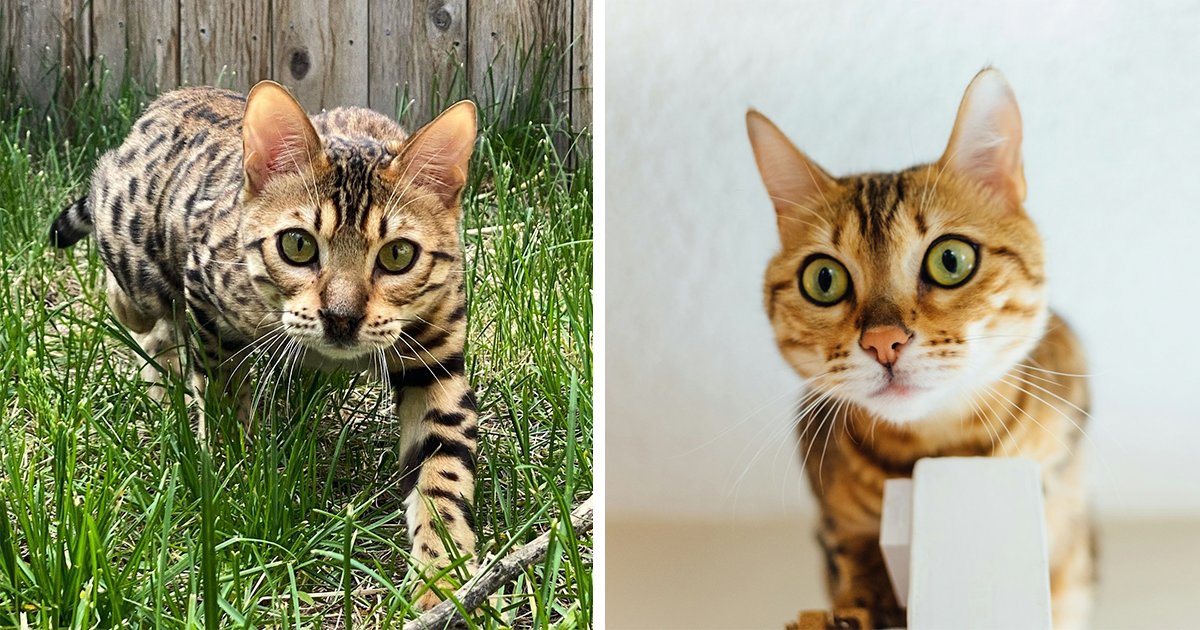
If the Cheetoh cat had a dating profile, it would probably say: “Wild-looking, emotionally available, loves climbing, may steal your chair.” This rare and striking hybrid cat looks like it wandered in from a wildlife documentary, but its personality is much more “follow you to the kitchen and supervise your sandwich.” The Cheetoh is known for its spotted coat, athletic body, confident attitude, and strong bond with humans.
Created by crossing the Bengal and the Ocicat, the Cheetoh was developed to combine the exotic beauty of a wild-looking cat with the affectionate, social nature of a domestic companion. The result is a large, lively, intelligent cat that needs more than a food bowl and a sunny window. A Cheetoh wants interaction, climbing space, mental stimulation, and a family that understands that “playtime” is not a cute suggestionit is a daily appointment.
This complete Cheetoh breed overview covers appearance, temperament, health, grooming, diet, exercise, training, and real-life care expectations. If you are considering bringing home a Cheetoh cat, this guide will help you decide whether this spotted superstar belongs in your household.
What Is a Cheetoh Cat?
The Cheetoh is a modern hybrid cat breed developed in the United States in the early 2000s. It comes from carefully planned crosses between the Bengal and the Ocicat. The goal was not to create a wild animal for the living room, but a domestic cat with a dramatic spotted appearance, strong body, and friendly personality.
The Bengal contributes athleticism, bold markings, intelligence, and a high-energy personality. The Ocicat adds a fully domestic spotted-cat background, confidence, sociability, and that charming “dog-like” habit of following people around. Together, these traits give the Cheetoh its signature mix: jungle-cat style with house-cat loyalty.
Because the breed is still relatively rare, Cheetoh cats are not as common as Bengals, Maine Coons, Ragdolls, or Persian cats. Availability may depend heavily on location, breeder reputation, and registry involvement. Anyone looking for a Cheetoh kitten should expect to do careful research rather than impulse-clicking the first adorable spotted kitten online. Cute photos are powerful. Responsible decisions are stronger.
Cheetoh Cat Breed Overview
Basic Breed Facts
The Cheetoh is usually described as a medium-to-large or large domestic cat. Males are often bigger and more muscular than females, though individual size varies by bloodline, diet, and activity level. Some Cheetoh cats may weigh in the low teens, while larger males can reach heavier ranges. What stands out most is not just weight, but structure: these cats are muscular, athletic, long-bodied, and powerful without looking bulky.
The breed is best recognized by its short, plush coat decorated with spots or rosette-like markings. The coat may appear sleek, shiny, and soft to the touch. Common colors may include brown, tawny, gold, silver, and other spotted variations influenced by Bengal and Ocicat ancestry. Their eyes are alert and expressive, their ears tend to be medium to large, and their overall posture gives them a confident, ready-for-action look.
- Origin: United States
- Parent breeds: Bengal and Ocicat
- Coat: Short, soft, dense, and spotted
- Temperament: Social, intelligent, active, affectionate, curious
- Energy level: High
- Best for: Active families, experienced cat owners, multi-pet homes, people who enjoy interactive pets
- Grooming needs: Low to moderate
- Indoor or outdoor: Best kept indoors with safe enrichment or supervised outdoor time
Cheetoh Personality and Temperament
The Cheetoh cat may look like a tiny leopard, but its personality is usually people-focused and affectionate. Many owners describe Cheetohs as social cats that enjoy being involved in household life. They may greet guests, follow family members from room to room, investigate grocery bags, and act as unpaid quality-control inspectors for everything you bring into the house.
This breed is often called “dog-like” because Cheetohs can be loyal, trainable, and highly interactive. Some may learn to fetch, walk on a harness, respond to names, or perform simple tricks. Of course, this does not mean they will obey like a golden retriever. They are still cats. They may understand the assignment and then decide the assignment lacks artistic value.
Are Cheetoh Cats Good Family Pets?
For the right household, yes. Cheetoh cats can be excellent family companions because they are usually outgoing, playful, and affectionate. They may do well with respectful children who understand how to interact gently. They can also live with cat-friendly dogs or other cats, especially when introductions are slow and positive.
The key phrase is “for the right household.” A Cheetoh is not ideal for someone who wants a quiet, low-energy cat that sleeps all day and asks for nothing except dinner. This breed needs daily attention, active play, and environmental enrichment. A bored Cheetoh may invent entertainment, and the entertainment may involve curtains, cabinets, paper towels, or your favorite pen mysteriously disappearing under the couch.
Do Cheetoh Cats Like Attention?
Most Cheetohs thrive on attention. They enjoy being near their people and may become unhappy if left alone for long periods without stimulation. If your schedule keeps you away most of the day, consider puzzle feeders, window perches, climbing structures, rotating toys, and possibly another compatible pet. The goal is to prevent loneliness and boredom before your cat becomes a tiny interior designer with claws.
Appearance: The Wild Look Without the Wild Lifestyle
The Cheetoh’s appearance is one of its biggest attractions. This cat often has a muscular body, long legs, a broad chest, and a fluid, athletic movement. Many Cheetohs look as if they are always ready to leap onto a bookshelf, sprint through a hallway, or pose dramatically in a sunbeam like they are on the cover of “Feline Fitness Monthly.”
The coat is short and usually easy to maintain. Spots, rosettes, and contrast are highly desirable features. Because the breed draws from Bengal and Ocicat ancestry, the exact pattern and color can vary. Some cats have a warm golden background with dark spots; others may have cooler silver tones. No matter the shade, the overall effect is eye-catching.
Despite the wild appearance, the Cheetoh is a domestic cat. That distinction matters. These cats do not need exotic animal care, but they do need thoughtful domestic cat care at a higher activity level than many average house cats.
How to Care for a Cheetoh Cat
Diet and Nutrition
Cheetoh cats need a complete and balanced diet formulated for cats. Because cats are obligate carnivores, their food should provide appropriate animal-based protein, essential amino acids such as taurine, healthy fats, vitamins, and minerals. Choose a high-quality commercial cat food that meets recognized nutritional standards for your cat’s life stage: kitten, adult, or senior.
Portion control is important. Cheetohs are active, but that does not mean unlimited food is a good idea. Even athletic cats can gain weight if calories exceed activity. Obesity in cats is linked with health problems such as diabetes, arthritis, and reduced quality of life. Measure meals, monitor body condition, and ask your veterinarian how many calories your cat needs.
Wet food can support hydration, while dry food may be convenient for puzzle feeders. Many owners use a combination of both. Fresh water should always be available. A cat water fountain may encourage drinking, especially for cats that treat still water like yesterday’s gossip.
Exercise and Play
A Cheetoh needs daily exercise. This is not a decorative couch cat. Plan for multiple play sessions each day using wand toys, feather teasers, toy mice, tunnels, balls, and chase games. The best play mimics hunting: stalk, chase, pounce, catch, then reward. Ending a play session with a small meal can satisfy your cat’s natural rhythm.
Vertical space is essential. Cat trees, wall shelves, window perches, and tall scratching posts help Cheetohs climb, jump, and observe their kingdom. Without proper outlets, they may choose your refrigerator, curtain rod, or shoulder as a launchpad. Providing acceptable climbing spaces is not spoiling them; it is furniture protection with style.
Mental Stimulation
Cheetoh cats are intelligent and curious. Mental enrichment helps prevent problem behaviors caused by boredom. Use puzzle feeders, treat balls, clicker training, scent games, and toy rotation. Instead of leaving every toy out all the time, rotate them every few days so old toys become exciting again. Cats appreciate novelty, even when they pretend to be unimpressed.
Training can be especially helpful. Teach simple cues such as “sit,” “come,” “touch,” or “high five” using positive reinforcement. Keep sessions short and fun. Never punish a cat for failing to perform. A Cheetoh learns best when training feels like a game, not a corporate performance review.
Grooming
The Cheetoh’s short coat is generally low-maintenance. Weekly brushing helps remove loose hair, reduce shedding, distribute natural oils, and keep the coat glossy. It also gives you a chance to check for skin irritation, lumps, fleas, or changes in body condition.
Nail trimming should be done regularly, usually every two to four weeks depending on growth. Provide sturdy scratching posts in different textures, such as sisal, cardboard, and carpet. Scratching is normal feline behavior; the goal is not to stop it, but to redirect it away from your sofa, which did nothing wrong.
Check ears occasionally for redness, odor, or heavy debris. Do not dig deep into the ear canal. If something looks unusual, ask your veterinarian. Dental care also matters. Many cats develop dental disease as they age, so tooth brushing, dental treats approved by veterinary dental standards, and professional cleanings may be part of long-term care.
Health Considerations for Cheetoh Cats
Because the Cheetoh is a newer and rarer breed, there is less long-term breed-specific health data than for older established breeds. That does not mean every Cheetoh is fragile, nor does it mean the breed is automatically problem-free. Responsible ownership means watching for general feline health issues and asking breeders about health screening in parent lines.
Potential concerns may include conditions seen in Bengal or Ocicat-related lines, depending on ancestry. Ask breeders about screening for heart health, eye health, genetic diseases relevant to their cats, and general veterinary records. A responsible breeder should be transparent, knowledgeable, and willing to answer questions without acting as if health testing is a rude topic.
Routine veterinary care is essential. Cheetoh cats should receive wellness exams, vaccinations, parasite prevention, dental checks, and age-appropriate screenings. Indoor cats still need veterinary care. Indoor living reduces many risks, but it does not create a magic force field against illness.
Signs That Need a Vet Visit
Contact a veterinarian if your Cheetoh shows changes in appetite, weight loss, vomiting, diarrhea, coughing, breathing difficulty, limping, hiding, increased thirst, litter box changes, bad breath, drooling, or sudden behavior changes. Cats are experts at hiding discomfort. By the time a cat makes a problem obvious, it may already be significant.
Home Setup for a Happy Cheetoh
A good Cheetoh home is safe, stimulating, and structured. Start with the basics: clean litter boxes, fresh water, quality food, comfortable resting spots, scratching surfaces, and safe toys. Then add the upgrades this breed truly appreciates: tall climbing areas, window views, interactive play zones, and puzzle feeding stations.
Keep dangerous foods and items away from your cat. Avoid giving cats chocolate, alcohol, caffeine, grapes, raisins, onions, garlic, chives, raw yeast dough, or heavily seasoned human foods. Many houseplants can also be risky, especially lilies, which are extremely dangerous to cats. When in doubt, check with a veterinarian or pet poison control resource before allowing access.
Because Cheetohs can be clever, childproof-style cabinet locks may be useful. Some cats learn to open doors, drawers, or food containers. If your Cheetoh starts opening cabinets, do not panic. Congratulations: you have adopted a spotted roommate with hobbies.
Training and Socialization
Early socialization helps Cheetoh kittens grow into confident adults. Positive exposure to gentle handling, different people, normal household sounds, carriers, nail trims, and grooming tools can make life easier later. Adult Cheetohs can also learn new routines with patience and rewards.
Carrier training is especially valuable. Leave the carrier out as part of the furniture, place soft bedding inside, and occasionally add treats. This teaches your cat that the carrier is not a portable betrayal box that appears only before vet visits.
Harness training may be possible for some Cheetohs. Start indoors with a well-fitted cat harness, reward calm behavior, and progress slowly. Outdoor walks should always be supervised and done in safe areas. Never let a Cheetoh roam freely outdoors. Traffic, predators, disease exposure, theft, and injury are real risks.
Is a Cheetoh Cat Right for You?
A Cheetoh may be a great match if you want an affectionate, active, intelligent cat and you have time for daily interaction. This breed can be wonderful for people who enjoy training, playing, and building a close relationship with a pet. If you like cats with big personalities, the Cheetoh delivers.
However, this breed may not be ideal if you are rarely home, prefer a very quiet pet, have limited space for climbing structures, or dislike vocal cats. Cheetohs are not usually background decorations. They are participants. They want to be in the scene, on the set, and occasionally directing the entire production.
How to Find a Responsible Cheetoh Breeder
Because Cheetoh cats are rare, careful breeder research is important. Look for breeders who prioritize health, temperament, socialization, and transparency. Ask about parent cats, health testing, veterinary care, kitten socialization, contracts, return policies, and whether kittens are raised in a clean home environment.
Avoid sellers who always have kittens available, refuse to answer health questions, sell very young kittens, use pressure tactics, or cannot provide records. A good breeder will ask you questions too. That is a positive sign. It means they care where their kittens go.
Adoption may also be possible, though finding a pure Cheetoh in rescue is uncommon. Bengal mixes, spotted domestic shorthairs, and Ocicat-like cats may appear in shelters. If your main goal is personality rather than pedigree, a shelter cat may surprise you in the best possible way.
Common Cheetoh Care Mistakes to Avoid
Underestimating Their Energy
The biggest mistake is assuming that a Cheetoh will behave like a low-energy lap cat all day. Yes, many are affectionate. Yes, they may cuddle. But they also need action. Without enough play and enrichment, they may become restless, noisy, or destructive.
Skipping Preventive Vet Care
A healthy-looking cat still needs regular checkups. Preventive care can catch problems early, support dental health, manage weight, and keep vaccinations current. Waiting until something looks serious can make treatment harder and more expensive.
Feeding Without Measuring
Free-feeding may work for some cats, but it can lead to overeating in others. Measure food, track treats, and adjust portions based on body condition and activity. Treats should remain treats, not a second breakfast with better marketing.
Ignoring Environmental Enrichment
A Cheetoh needs more than a toy mouse under the couch from 2019. Offer climbing spaces, scratching posts, puzzle toys, training games, and interactive play. Enrichment keeps the cat happier and the household calmer.
Real-Life Experience: Living With a Cheetoh Cat
Living with a Cheetoh cat can feel like sharing your home with a tiny athlete, a detective, and a comedian wearing the same spotted coat. The first thing many owners notice is how present these cats are. A Cheetoh does not simply live in your house; it joins your schedule. Making coffee? Supervised. Folding laundry? Investigated. Opening a box? Officially a two-person project, except one person has paws and no respect for cardboard boundaries.
One common experience is the morning energy burst. A Cheetoh may wake up ready to run, climb, chirp, and ask why the household is not already operating at full jungle speed. This is where routine becomes your best friend. A short play session before breakfast can make mornings smoother. Use a wand toy, let the cat chase and pounce, then serve food. That simple rhythm helps satisfy natural hunting instincts and may reduce attention-seeking behavior.
Another real-world lesson is that vertical space matters more than you think. A Cheetoh with a tall cat tree by a window may spend hours watching birds, squirrels, leaves, delivery drivers, and possibly the neighbor’s questionable parking skills. Without that vertical outlet, the cat may choose the top of the refrigerator or the highest shelf in your closet. The cat is not being “bad.” It is being a Cheetoh. Give the climber a legal mountain.
Training also becomes surprisingly useful. Teaching a Cheetoh to come when called, enter a carrier, sit on a mat, or accept nail trims can turn daily care from wrestling match to teamwork. Positive reinforcement works well because many Cheetohs are food-motivated, people-focused, and quick to learn patterns. Keep treats small, sessions short, and expectations realistic. Some days your cat will perform beautifully. Other days, your cat will stare at you as if your request was written in ancient tax law.
Owners also learn to manage curiosity. Cabinet locks, covered trash cans, secure food storage, and safe plants are not overreactions. They are peace treaties. A clever Cheetoh can discover how to open drawers or steal interesting objects. Anything string-like, sharp, toxic, breakable, or edible-but-dangerous should be kept out of reach.
The reward for all this effort is a deeply engaging companion. A well-cared-for Cheetoh can be affectionate, funny, loyal, and endlessly entertaining. This is the cat that may curl beside you after a long play session, follow you from room to room, and make your home feel more alive. The Cheetoh is not the easiest cat for every lifestyle, but for the right person, it is unforgettable in the best possible way.
Conclusion
The Cheetoh is a rare, beautiful, high-energy cat with a bold spotted coat and an affectionate domestic personality. With Bengal and Ocicat ancestry, this breed combines athletic movement, intelligence, curiosity, and social charm. Proper Cheetoh care means providing quality nutrition, daily play, climbing space, mental enrichment, grooming, preventive veterinary care, and plenty of human interaction.
If you want a quiet cat that blends into the furniture, the Cheetoh may be a bit too much sparkle. But if you want a lively companion that plays hard, bonds closely, and turns ordinary household moments into tiny adventures, the Cheetoh may be exactly your kind of cat.