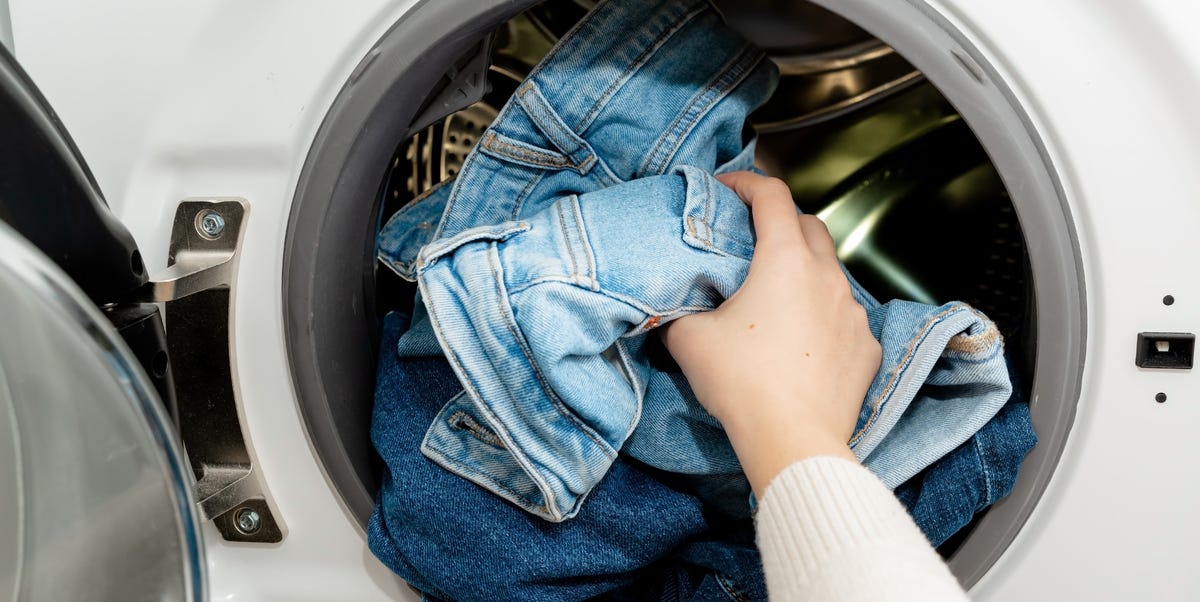
Jeans are the loyal golden retriever of your closet. They show up for errands, dinner, lazy Sundays, road trips, and the occasional “I have nothing to wear” panic spiral. But despite all that devotion, many people treat denim like a regular T-shirt on laundry day: toss it in, add detergent, press start, hope for the best.
Here’s the tiny step you probably skip before washing jeans: turn them inside out. That’s it. No expensive gadget, no secret denim ceremony, no moonlit bathtub ritual required. Just flip your jeans before they go into the washer.
It sounds almost too simple, but this one habit can help preserve color, reduce friction, protect seams and pockets, and keep your favorite pair looking broken-in instead of beaten-up. If your dark jeans fade too fast, your black denim turns gray, or your stretch jeans seem tired after a few washes, this pre-wash move deserves a permanent spot in your laundry routine.
The One Thing to Do Before Washing Jeans
Before washing jeans, turn them inside out. The outside of denim takes a lot of abuse in the wash: rubbing against the drum, bumping into other clothes, scraping against zippers, and getting blasted by detergent and water movement. When you flip jeans inside out, the inner surface absorbs more of that action while the visible outer surface gets a little protection.
This matters most for dark blue jeans, black jeans, raw denim, coated denim, and jeans with intentional fading or distressing. These finishes depend on surface color and texture. Every wash can slowly change that finish, and inside-out washing helps slow the process.
Think of it like putting a phone in a case. The phone still goes everywhere with you, but the case takes the scuffs. Turning jeans inside out works the same way: the denim still gets cleaned, but the part everyone sees gets a gentler ride.
Why Turning Jeans Inside Out Actually Works
It Helps Reduce Fading
Denim gets its classic color from dye, often indigo on blue jeans. That dye sits partly on the surface of the fibers, which is why jeans develop fades, whiskers, and worn-in character over time. Some fading is beautiful. Sudden laundry-machine fading? Not so charming.
When jeans rub against the washer drum or other garments, the friction can loosen dye from the surface. Washing inside out reduces direct abrasion on the outer face of the fabric. Your jeans can still gradually age, but they are less likely to look like they were dragged behind a truck after three laundry cycles.
It Protects Pockets, Hems, and Seams
The edges of jeans usually show wear first: hems, pocket corners, waistbands, belt loops, and seams. These areas stick out, fold, and rub during the wash. Turning jeans inside out helps shield the visible edges and keeps decorative stitching from taking the full force of the cycle.
If you own jeans with embroidery, patch details, contrast stitching, rhinestones, distressing, or printed designs, inside-out washing is even more useful. Those details are the drama queens of denim care. They need attention.
It Helps Clean the Part That Needs It Most
Here is the funny laundry truth: the inside of your jeans is usually dirtier than the outside. The inner fabric touches skin, sweat, body oils, lotion, sunscreen, and whatever mystery crumbs live in your pockets. Turning jeans inside out lets water and detergent reach the inner fabric more directly.
So no, inside-out washing is not just about vanity. It also helps target the side of the garment that collects daily wear. Your jeans look better and feel fresher. That is what we call a laundry two-for-one.
The Complete Pre-Wash Checklist for Jeans
Turning jeans inside out is the star of the show, but the best denim care routine includes a few extra steps. None of them are complicated, and together they can help your jeans last longer.
1. Read the Care Label
Before washing any pair of jeans, check the care tag. Some jeans are made with cotton, some with stretch fibers, some with coatings, and some with special washes that need gentler treatment. The care label is basically your jeans whispering, “Please don’t ruin me.”
2. Empty Every Pocket
Remove receipts, coins, tissues, lip balm, gum wrappers, and the tiny rock your kid insisted was “special.” A forgotten tissue can turn a load of dark jeans into a lint blizzard. A pen can create a modern art disaster. Empty pockets before washing. Future you will be grateful.
3. Zip, Button, and Fasten
Zip the zipper, button the waistband, and fasten snaps before washing jeans. Open zippers can snag fabric. Loose buttons can pull. Fastening everything helps the jeans keep their shape and reduces the chance of hardware scratching other garments.
4. Spot Treat Stains First
If your jeans have a coffee splash, grass mark, food stain, or makeup smudge, treat the stain before washing. Apply a small amount of mild detergent or stain remover to the affected area, gently work it in with your fingers, and let it sit briefly before washing. Avoid aggressive scrubbing, especially on dark denim, because rough rubbing can create a pale patch.
5. Turn the Jeans Inside Out
Now comes the main move: flip the jeans inside out from waistband to hem. Make sure pockets are not bunched up, and smooth the legs so the fabric can move evenly in the washer.
6. Wash With Similar Colors
New dark jeans can release dye, especially during early washes. Wash dark denim with similar dark colors, and avoid tossing brand-new indigo jeans in with white towels unless you are auditioning for a laundry horror movie.
Best Washer Settings for Jeans
Use Cold Water
Cold water is usually the best choice for washing jeans. It helps reduce fading and shrinking, and it is gentler on cotton and stretch fibers than hot water. Hot water can be useful for heavily soiled items in certain situations, but for everyday denim care, cold water is the safer default.
Choose a Gentle or Delicate Cycle
A gentle cycle uses less agitation, which means less rubbing and twisting. Denim is tough, but that does not mean it enjoys being body-slammed by your washing machine. A shorter, gentler cycle is often enough to clean jeans without overworking the fabric.
Use a Mild Detergent
A mild detergent is a smart choice for denim. For dark jeans, a detergent designed for dark colors can help maintain a richer look. Use the right amount, not the “my jeans are very dirty so I’ll pour half the bottle” amount. Too much detergent can leave residue, make fabric feel stiff, and require extra rinsing.
Do Not Overload the Washer
Jeans need room to move. If the washer is packed tight, detergent and water cannot circulate properly, and garments rub harder against each other. Wash a small denim load or pair jeans with similar sturdy, dark items.
How Often Should You Wash Jeans?
There is no single magic number for how often to wash jeans. It depends on how often you wear them, how much you sweat, where you wear them, and whether they smell or have visible dirt. A pair worn for a few hours at a desk is not the same as a pair worn gardening, biking, or chasing a dog through a muddy park.
As a practical rule, wash jeans when they smell, feel dirty, look stained, or lose their shape. Between washes, air them out. Hang them over a chair, place them near fresh airflow, or let them rest before folding them back into a drawer. Spot cleaning can also stretch the time between full washes.
However, do not treat “never wash your jeans” as a personality trait. Dirt, oils, and sweat can build up in fabric. Washing when needed helps keep denim fresh and comfortable.
What About Raw Denim?
Raw denim is untreated, unwashed denim that develops personalized fades over time. If you own raw denim, you may want to wash less frequently and more carefully. Hand washing in cold water is often the gentlest option. Turn raw denim inside out, use a small amount of mild detergent, soak gently, rinse well, and air dry.
Raw denim may release more dye and can shrink depending on the fabric. If your jeans are expensive, unsanforized, or specially finished, follow the brand’s instructions closely. Raw denim fans can be intense about washing rules, and honestly, they have a point: the fabric changes with every wash.
Drying Jeans the Right Way
Air Dry When Possible
After washing, turn jeans right side out or keep them inside out, reshape them, and hang them to dry. Air drying helps reduce shrinkage and protects stretch fibers from heat damage. Hanging jeans by the waistband or laying them flat on a drying rack both work well.
Avoid High Heat
High dryer heat can shrink denim, weaken elastic fibers, and make jeans feel tighter than expected. If you use a dryer, choose low heat or air dry settings, and remove the jeans while slightly damp. Then let them finish drying naturally.
Shake Them Out
Before hanging jeans, give them a firm shake and smooth the legs. This reduces wrinkles and helps the fabric dry in a better shape. It also gives you a small, dramatic laundry moment. Enjoy it.
Common Jean-Washing Mistakes to Avoid
Using Hot Water Every Time
Hot water can speed up fading and may encourage shrinkage. Unless the jeans are heavily contaminated or the care label calls for warmer water, cold water is the better everyday choice.
Washing After Every Wear
Most jeans do not need to be washed after one normal wear. Overwashing can fade color and stress fibers. Airing out and spot cleaning are often enough between washes.
Using Too Much Detergent
More detergent does not mean cleaner jeans. It can leave buildup and make denim feel stiff. Measure detergent based on load size and soil level.
Skipping Stain Treatment
Throwing stained jeans directly into the washer can set certain stains, especially if heat is involved later. Treat spots before washing for better results.
Drying on High Heat
If your jeans fit perfectly before laundry and strangely become “standing-room only” afterward, the dryer may be the culprit. Heat is tough on fit, color, and stretch.
Special Tips for Black Jeans
Black jeans are stylish, dramatic, and extremely skilled at fading into charcoal sadness. To keep black denim dark, always turn it inside out, wash with cold water, choose a gentle cycle, and wash with other dark clothing. A detergent made for dark fabrics can also help.
Air drying is especially useful for black jeans because heat and friction can make fading more noticeable. Keep them out of direct sunlight while drying, since sunlight can also lighten dark fabric over time.
Special Tips for Stretch Jeans
Stretch jeans usually contain elastane, spandex, or a similar fiber that helps them hug the body and bounce back. These fibers do not love heat. To protect stretch jeans, wash cold, choose a gentle cycle, and avoid high dryer temperatures.
If stretch jeans start sagging at the knees or waistband, laundry habits may be part of the problem. Air drying and gentle washing help preserve elasticity, so your jeans do not retire into “sad pancake” mode too early.
Can Vinegar Help Prevent Jeans From Fading?
Some denim-care routines include white vinegar, especially for dark jeans. Vinegar may help reduce detergent residue and is often used by laundry enthusiasts during the first wash of dark denim. If you try it, use a modest amount and avoid mixing vinegar with bleach. Never combine cleaning products casually; your laundry room is not a chemistry lab.
Vinegar is not magic, and it will not make cheap dye immortal. But combined with inside-out washing, cold water, gentle cycles, and air drying, it can be part of a careful denim routine.
Step-by-Step: The Best Way to Wash Jeans
- Check the care label.
- Empty all pockets.
- Zip zippers and fasten buttons or snaps.
- Spot treat stains gently.
- Turn jeans inside out.
- Wash with similar colors.
- Use cold water and a gentle cycle.
- Add a mild detergent in the correct amount.
- Remove jeans promptly after washing.
- Shake, reshape, and air dry when possible.
The Real-Life Experience: What Happens When You Actually Flip Your Jeans?
Here is the honest, lived-in version of this tip: turning jeans inside out feels too easy to matter until you compare the results over time. Many people only start caring about denim care after one small tragedy. Maybe it is the black jeans that looked expensive in the store but faded to dusty gray after a month. Maybe it is the dark indigo pair that left blue streaks on a white shirt. Maybe it is the stretch jeans that fit like a dream until the dryer turned them into a denim negotiation.
Once you build the inside-out habit, laundry day becomes less risky. The first difference you notice is usually color. Dark jeans stay darker longer, especially around the thighs, knees, pockets, and hems. Instead of getting random pale streaks from wash friction, the fabric fades more evenly and slowly. The jeans still age, but they age like a leather notebook, not like a cheap receipt left in the sun.
The second difference is texture. Jeans washed gently inside out and air dried tend to feel more stable. They may still be a little stiff when dry, especially if they are mostly cotton, but they usually relax after a few minutes of wear. Over time, the fabric keeps more of its structure. Waistbands do not look as tired, pocket edges do not fray as quickly, and decorative stitching has a better chance of surviving.
Another practical benefit: inside-out washing makes you pay attention. When you flip jeans, you naturally check the pockets. That means fewer washed receipts, fewer melted lip balms, fewer coins clanging through the machine like a tiny casino. You also notice stains before they go through the wash, which gives you a better chance of removing them.
For families, this habit is surprisingly useful. Kids’ jeans often hide rocks, crayons, snack wrappers, and mysterious school treasures. Adult jeans hide earbuds, cash, receipts, and the occasional “I have been looking for this for two weeks” item. Turning jeans inside out becomes a built-in inspection system.
The best experience-based tip is to make the habit automatic. As soon as jeans go into the hamper, flip them inside out and fasten them. That way, you are not doing laundry detective work later. If you wash multiple pairs at once, sort dark denim together and keep lighter fabrics far away from new indigo jeans. For premium denim, wash less often, spot clean more often, and air dry with patience.
Is turning jeans inside out glamorous? Not even slightly. It will not make your laundry room feel like a boutique denim studio. But it is one of those small habits that quietly saves money, preserves favorite clothes, and prevents the emotional damage of watching perfect jeans fade before their time. Your washing machine does not need to be feared. It just needs boundaries.
Conclusion
If you are not turning jeans inside out before washing them, start now. It is the easiest denim-care upgrade you can make, and it costs exactly zero dollars. Combine it with cold water, a gentle cycle, mild detergent, similar colors, fastened closures, and air drying, and your jeans will have a much better shot at staying dark, comfortable, and good-looking.
Jeans are built to be worn, not babied. But a little care goes a long way. Flip them, wash them gently, dry them wisely, and let them keep doing what great jeans do best: making you look put together with almost no effort.