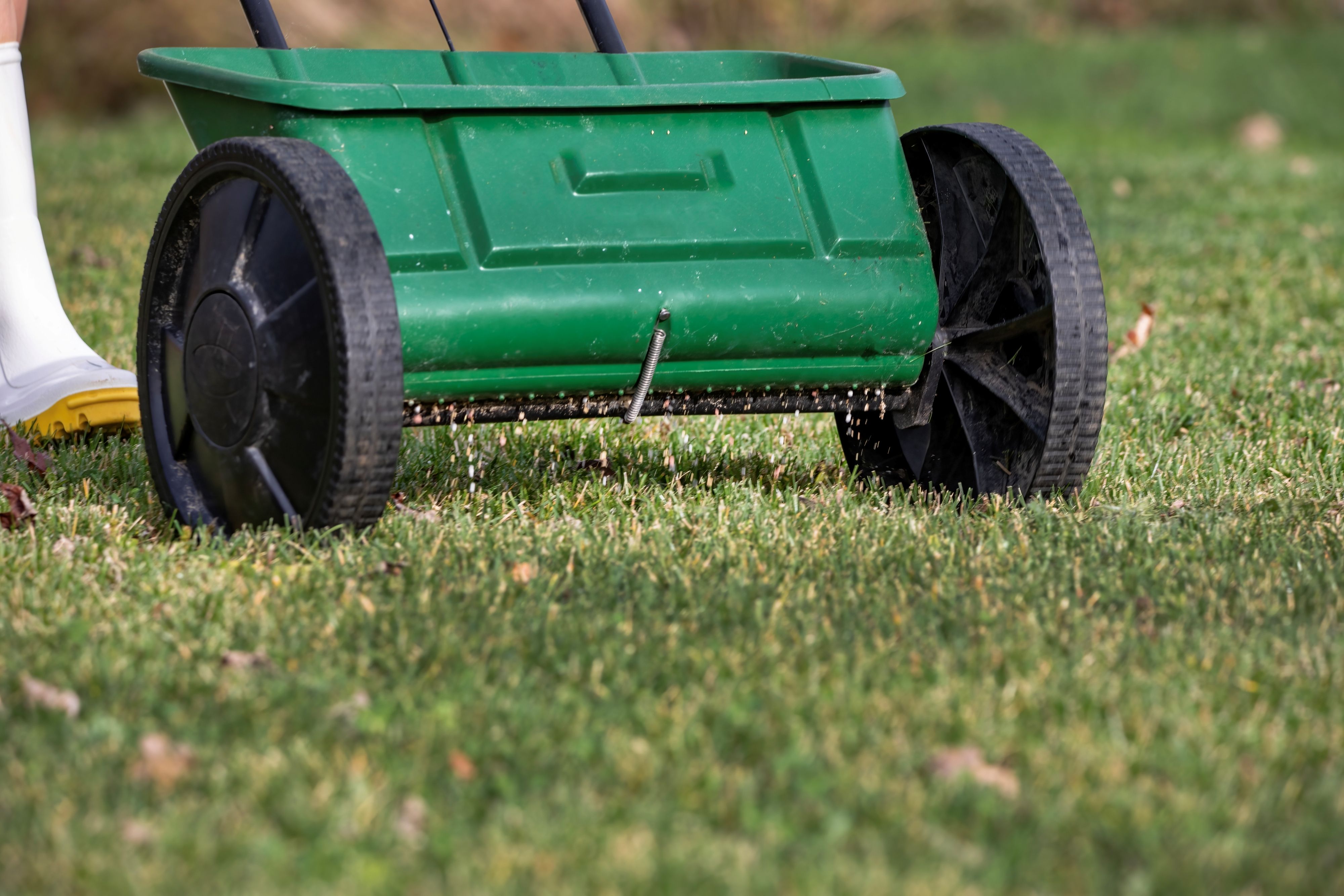
If you want a lawn that looks smugly green next spring while the neighbor’s yard is still deciding whether it believes in photosynthesis, fall is your moment. Not summer. Not the first random warm day in March. Fall. This is when many lawns, especially cool-season lawns, are most ready to turn fertilizer into stronger roots, better density, improved winter survival, and faster spring green-up.
The catch is that fall fertilizer timing matters almost as much as the fertilizer itself. Feed too early, and you may get a burst of leafy growth when the lawn should be focusing below ground. Feed too late, and the grass may not use those nutrients efficiently. Feed the wrong lawn at the wrong time, and you can turn “lush next spring” into “why does my yard look offended?”
This guide breaks down exactly when to fertilize in fall, how timing changes by grass type, what kind of product makes sense, and which common mistakes quietly sabotage spring results. If you want a practical, realistic plan for a greener lawn next year, this is it.
Why Fall Fertilizer Timing Matters So Much
A lawn does not behave the same way in every season. In fall, temperatures ease up, soil often stays warm enough for root activity, and many grasses stop wasting energy on surviving summer stress. That makes autumn one of the most productive times to strengthen turf.
For cool-season grasses like Kentucky bluegrass, tall fescue, fine fescue, and perennial ryegrass, fall is the sweet spot. These grasses actively grow in cooler weather, so fertilizing in early fall can help them thicken up, repair summer damage, and store energy for winter. A properly timed late-fall feeding can also support earlier, healthier spring green-up without turning your lawn into a shag carpet in February.
For warm-season grasses like bermudagrass, zoysiagrass, centipedegrass, St. Augustinegrass, and bahiagrass, the story changes. These grasses prefer heat. As fall approaches and dormancy gets closer, pushing nitrogen too late can increase the risk of winter injury, delay dormancy, and invite disease trouble. In other words, timing is not a cute suggestion. It is the entire strategy.
Step One: Know Whether You Have a Cool-Season or Warm-Season Lawn
Cool-Season Lawns
If you live in much of the Northeast, Midwest, upper Mid-Atlantic, or Pacific Northwest, there is a good chance your lawn is mostly cool-season turf. These lawns usually have their best growing months in spring and fall, with summer being the stressful, sweaty, overdramatic season.
Cool-season lawns are the biggest winners from fall lawn fertilizer. If you do only one feeding per year, fall is usually the one that gives the best return.
Warm-Season Lawns
If you live in much of the South or lower transition zone, you may have warm-season turf. These grasses thrive in late spring and summer and begin slowing down as nights cool off.
Warm-season lawns can still need fall care, but not the same kind of late nitrogen push that benefits cool-season grass. The goal here is to avoid forcing tender growth when the lawn is preparing to go dormant.
The Best Fall Fertilizer Timing for Cool-Season Grass
Early Fall: The Main Feeding Window
For cool-season lawns, the most important feeding usually lands in late summer to early fall, often around late August through September, depending on your region. Think of this as the “reset and rebuild” application. The lawn is recovering from heat, roots are active, weeds are less aggressive, and moisture conditions are usually more favorable.
This is the feeding that helps a thin lawn get denser, supports new seed if you are overseeding, and lays the groundwork for better color and vigor next spring. In many parts of the U.S., homeowners think of this as the Labor Day feeding. That is not a bad mental shortcut.
If your lawn is cool-season and only gets one fertilizer application all year, this is usually the one to choose. It tends to do more for long-term lawn quality than heavy spring feeding, which can create excess top growth and extra mowing without the same root-building payoff.
Late Fall: The “Winterizer” Timing That Actually Works
The second important window is late fall fertilization, often in October or November depending on climate. This is the classic “winterizer” timing, although the marketing around that word has made it sound like your lawn is going skiing in a tiny puffer jacket.
Here is the practical rule: apply late-fall fertilizer near or just after the final mowing of the season, while the grass is still green and the soil is not frozen. Top growth should be slowing down, but the lawn should not be fully dormant. That timing allows the plant to take up nitrogen and store energy instead of using it for a huge flush of leaf growth.
Done correctly, this feeding can improve winter color retention, support carbohydrate storage, and encourage quicker spring green-up. Done too late, especially on frozen ground or dormant turf, it becomes a waste at best and runoff risk at worst.
What Fall Fertilizer Timing Looks Like in Real Life
If you are standing in the yard wondering whether it is “too early” or “too late,” use these signs instead of guessing wildly:
- The days are cooler, but the lawn is still actively green.
- You are mowing less often than in peak growing season.
- The lawn is no longer under major summer heat stress.
- The soil is not frozen, and the grass is not dormant.
- You are not about to get pounding rain that could wash nutrients away.
For many cool-season lawns, that means one feeding in early fall and an optional second feeding in late fall. If you prefer a simpler approach, one well-timed early-fall feeding is still very effective.
What About Warm-Season Lawns?
For warm-season lawns, fall timing is more about knowing when to stop than when to push harder. These grasses should not be encouraged to keep producing lush, tender growth right before dormancy. Late nitrogen can leave them vulnerable to cold damage and disease and may delay their normal shutdown process.
A smart rule for many warm-season lawns is to make the final nitrogen application at least six weeks before the average first frost. In some southern recommendations, the cutoff may be as early as mid-August for certain grasses and regions. That is why local climate and grass type matter.
If you have bermudagrass or zoysiagrass and you fertilize too late in fall, you are not helping spring green-up. You are often just creating unnecessary risk. For warm-season lawns, proper mowing height, irrigation management, disease prevention, and soil-test-based nutrient decisions are usually more important than a late “one more bag should fix it” fertilizer move.
Choose the Right Fall Lawn Fertilizer
When shopping for fall lawn fertilizer, do not get hypnotized by giant words like “winterizer,” “maximum green,” or “yard domination formula.” Read the label.
Most established lawns need nitrogen most consistently. That is the nutrient primarily responsible for growth and green color. Phosphorus and potassium may also matter, but they should not be applied blindly just because the bag is feeling ambitious.
Look for Nitrogen First
For cool-season lawns in fall, nitrogen is usually the star of the show. A fertilizer with a meaningful nitrogen number can support growth, density, and recovery. Slow-release nitrogen sources can help provide more even feeding, while some late-fall programs use more soluble nitrogen so the turf can take it up while still active.
Do Not Add Phosphorus Just Because It Sounds Responsible
Many lawns already have enough phosphorus. In a lot of cases, adding more is unnecessary. A soil test is the best way to know whether your lawn actually needs phosphorus or potassium. That is better for your budget and better for the environment.
Potassium Can Matter, But It Is Not Magic
Potassium is often associated with stress tolerance and winter hardiness, but it is not a magical button. If the soil test says your lawn needs it, great. If not, there is no prize for applying nutrients the soil already has.
How Much Fertilizer Should You Apply?
This is the part where enthusiasm becomes dangerous. More fertilizer does not mean more success. It can mean burn, surge growth, nutrient loss, and regret with a spreader handle.
Always follow the label rate for your specific product and lawn size. Rates are typically given per 1,000 square feet, so measure your lawn instead of using the classic landscaping unit known as “pretty big.” A calibrated spreader matters too. An uneven spread pattern can leave stripes, patches, or a lawn that looks like it has mood swings.
It is also smart to sweep granules off sidewalks, driveways, and patios after application. Fertilizer belongs on the lawn, not in the storm drain. If your product label recommends watering in, do that. If heavy rain is expected right after application, wait for a better day.
Common Mistakes That Sabotage Spring Green-Up
1. Fertilizing the Wrong Grass at the Wrong Time
This is the big one. Cool-season and warm-season lawns follow different calendars. Mixing them up is like bringing snow boots to the beach. Technically, you did prepare. Just not for the correct event.
2. Applying Too Late
If the soil is frozen or the lawn is dormant, the party is over. Nutrients are less likely to be used effectively, and runoff risk rises.
3. Relying on Heavy Spring Feeding Instead of Fall Feeding
Spring fertilizer has its place, but making spring your main event often leads to excessive top growth and weaker long-term results than a proper fall program.
4. Ignoring a Soil Test
Without a soil test, you are making nutrient decisions in the dark. That can lead to wasted money and unnecessary phosphorus or potassium applications.
5. Fertilizing Stressed or Dormant Turf
Drought-stressed lawns, heat-dormant lawns, or cold-dormant lawns are not in a good position to respond well. Wait until the lawn is actively growing again.
A Simple Fall Fertilizer Schedule You Can Actually Follow
For Cool-Season Lawns
Late August to September: Main feeding for recovery, root growth, density, and overall improvement.
October to November: Optional late-fall feeding near the last mowing while the lawn is still green.
For Warm-Season Lawns
Late summer to early fall: Finish nitrogen early enough that the lawn can harden off before frost.
Late fall: Usually avoid nitrogen unless a local extension recommendation for your exact grass and climate says otherwise.
If you are in the transition zone, where lawns and weather both enjoy being complicated, match your schedule to the actual grass you have, not just your ZIP code.
Real-World Experiences: What Homeowners Usually Notice When Fall Timing Is Right
One of the most common experiences homeowners report with a well-timed fall application is that spring feels easier. Not necessarily dramatic movie-trailer easier, but noticeably easier. The lawn greens up more evenly, bare spots look less severe, and the grass seems to wake up with purpose instead of confusion. That is often because fall-fed cool-season turf goes into winter with stronger roots and better energy reserves.
Take the classic suburban tall fescue lawn that looked rough by late August. After summer heat, it may have thin spots near the driveway, faded color on the sunny side, and the general vibe of a lawn that has seen things. A homeowner who applies fertilizer in early fall usually notices that by mid-autumn the color improves, the density returns, and mowing becomes more satisfying because the turf actually looks alive again. The next spring, that same lawn often greens up earlier and more uniformly than it did the year before. It does not become a golf course overnight, but it stops looking like a patchy apology.
Another common experience happens with homeowners who skip heavy spring feeding and shift that effort into fall instead. At first, they worry the lawn will not be green enough in spring. Then spring arrives, and they realize the lawn looks healthier without the giant flush of floppy top growth. There is less frantic mowing, fewer weak-looking leaves, and a more balanced growth pattern. The lawn seems sturdier, not just louder.
There is also the late-fall success story. A homeowner applies a final feeding just after the last mow while the lawn is still green. Nothing flashy happens immediately. That can make people nervous. Fertilizer marketing has trained everyone to expect fireworks. But the real payoff shows up months later. In early spring, while nearby lawns are still yellowish and sluggish, the properly timed lawn starts greening with fewer thin patches and less spring drama. It is the quiet kind of win that lawn people secretly love.
On the flip side, bad timing has very memorable results. Homeowners with warm-season grass sometimes assume all lawns want a big fall feeding. Then they apply nitrogen too late, just as nights cool and dormancy approaches. Instead of helping, the lawn may stay tender too long, show more cold injury, or develop seasonal disease problems. By spring, the lesson becomes painfully clear: grass type is not a detail. It is the entire playbook.
Another very relatable experience is discovering that a soil test saves money. Many people assume a “balanced” fertilizer must be the responsible choice. Then the soil test comes back showing phosphorus is already high enough, and suddenly the smartest purchase is a simpler product with the nutrients the lawn actually needs. That moment feels a little like opening a closet and realizing you did not need more stuff. You needed a better plan.
Perhaps the most useful real-world lesson is this: lawns reward consistency more than heroics. Homeowners who follow a sensible fall schedule, measure their lawn, apply the right rate, and avoid random panic-feedings usually get better results than the person who throws down extra fertilizer every time the grass looks emotionally unavailable. A greener spring is usually built by timing, not by excess.
Conclusion
If your goal is a thick, healthy, green lawn next spring, fall fertilizer timing deserves your attention now. For cool-season lawns, early fall is the main feeding window, and late fall can provide an extra boost when timed near the final mowing while the grass is still green. For warm-season lawns, the smartest move is often stopping nitrogen early enough to avoid cold-weather stress rather than forcing late growth.
The biggest takeaway is simple: match the timing to the grass. Add nutrients your lawn actually needs. Use a soil test when possible. Apply the right rate. Avoid frozen ground, dormant turf, and last-minute fertilizer panic. Do that, and your lawn has a much better chance of waking up next spring looking thick, green, and suspiciously proud of itself.