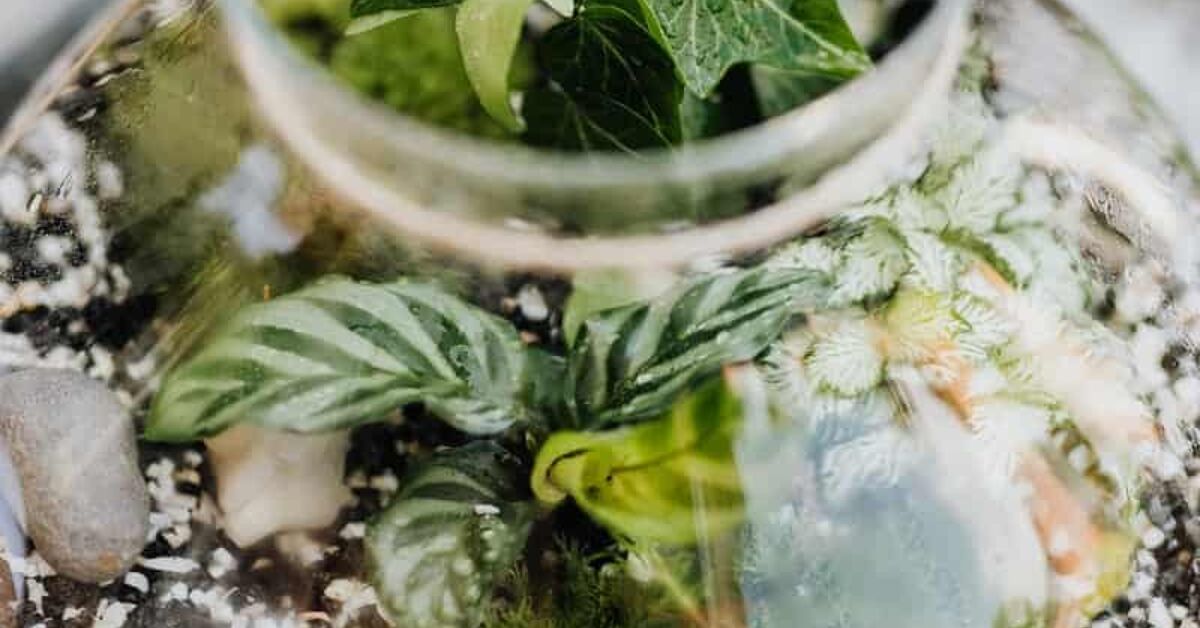
Snails are the quiet roommates of the pet world. They do not bark at delivery drivers, chew your sneakers, or stare at you with judgment when you eat cereal for dinner. But do not let their slow-motion lifestyle fool you: a pet snail still needs a thoughtful, clean, safe, and well-balanced home. A perfect snail terrarium is not just a jar with dirt and a lettuce leaf tossed in like a tiny salad bar. It is a miniature habitat designed around moisture, airflow, calcium, safe food, soft surfaces, and escape-proof security.
This guide walks you through how to make a snail terrarium that is comfortable for common legal land snails, beginner-friendly, attractive enough to display, and practical enough to maintain without turning your living room into a swamp laboratory. Whether you are caring for a small garden snail or setting up a land snail enclosure for the first time, the goal is simple: create a habitat where your little pet can climb, graze, hide, burrow, and live safely.
Before You Start: Choose a Legal, Safe Snail
Before building the dream snail condo, make sure your pet is legal to keep where you live. In the United States, some snails are regulated because they can become invasive agricultural pests. Giant African land snails, for example, are not appropriate pets in the U.S. and are illegal to import or possess without proper authorization. They can damage crops, ornamental plants, and ecosystems, and they may carry parasites that affect humans and animals.
For a responsible pet snail setup, choose a species that is legal in your area, never import snails casually, and do not move live snails or eggs across state lines unless you understand the rules. Also, never release a captive snail outdoors. Releasing a pet because you are “setting it free” may feel sweet, but ecologically it can be the snail version of dropping a tiny bulldozer into someone else’s garden.
What Makes a Perfect Snail Terrarium?
The perfect snail terrarium balances five things: moisture, ventilation, safe substrate, calcium access, and easy cleaning. Snails breathe air, need humidity to avoid drying out, and use their shells as both armor and a portable apartment. Their bodies are delicate, so the habitat should avoid sharp rocks, hard fall zones, toxic materials, and chemicals.
The Best Container Size
A small glass or plastic terrarium, aquarium, or clear storage container can work well. For one or two small land snails, a container around 1 to 5 gallons may be enough, depending on the species and size. More space is usually better, as long as you can maintain humidity and keep food from disappearing into forgotten corners. For several snails, choose a larger enclosure so they have room to explore without constantly bumping eyestalks like awkward neighbors in an elevator.
The lid must be secure. Snails are surprisingly talented escape artists. They can climb smooth walls, squeeze through gaps, and vanish with the confidence of a magician who charges by the hour. Use a tight-fitting lid with small ventilation holes or fine mesh. Airflow matters, but holes should be too small for the snail to squeeze through.
Glass vs. Plastic Terrariums
Glass looks beautiful, is easy to wipe, and lets you clearly observe your snail. Plastic is lighter, cheaper, and less breakable, which makes it great for children’s educational setups when adults supervise care. Avoid containers that previously held chemicals, cleaners, paint, fertilizers, or pesticides. Snails absorb substances through their bodies and slime, so “probably rinsed enough” is not a great care plan.
Step-by-Step: How to Build a Snail Terrarium
Step 1: Clean the Container
Wash the terrarium with warm water and mild, unscented soap, then rinse thoroughly. Do not use strong household cleaners, glass sprays, bleach residue, scented disinfectants, or anything that smells like it could defeat a dragon. If you need to disinfect, rinse repeatedly and allow the enclosure to air out completely before adding substrate or the snail.
Step 2: Add a Drainage Layer
A snail terrarium should be moist, not flooded. A thin drainage layer of small, smooth pebbles or clay balls can help keep excess water away from the main substrate. However, do not make the drainage layer so deep that the terrarium becomes unstable or difficult to clean. Because snails may burrow, keep the top substrate deep enough that they do not scrape themselves against stones underneath.
Step 3: Add a Barrier Layer
Place a thin layer of sphagnum moss, mesh, or leaf litter over the drainage material to prevent soil from falling into the bottom layer. This keeps the setup cleaner and helps the substrate remain fluffy instead of turning into wet pudding. If you use moss, make sure it is chemical-free and safe for terrarium use.
Step 4: Choose Safe Substrate
The substrate is where your snail will crawl, rest, lay eggs, and sometimes dramatically bury itself as if avoiding social obligations. Good options include coconut coir, pesticide-free organic topsoil, or a mix designed for invertebrate terrariums. The substrate should be moist enough to hold shape when squeezed lightly but not so wet that water drips out.
Aim for at least 2 to 4 inches of substrate for most small land snails. Avoid potting soils with fertilizer beads, perlite chunks, chemical additives, pesticides, or moisture-control crystals. Also avoid cedar, pine shavings, and strongly aromatic woods. Snails are not tiny hamsters, and their soft bodies do not appreciate sharp, resinous, or chemically treated bedding.
Step 5: Add Hides and Climbing Surfaces
Snails like dark, damp hiding spots. Add cork bark, clean leaf litter, a half-buried small flowerpot, untreated wood, or a smooth piece of bark. Keep decorations low and stable. Snails sometimes climb to the lid and let go, either by accident or because gravity needed a snack. Hard rocks, ceramic decorations, and sharp shells can crack a snail’s shell if it falls.
Soft, natural materials are best. Cork bark is a favorite because it holds moisture, provides climbing texture, and looks like your terrarium hired a woodland interior designer.
Step 6: Add Safe Plants
Live plants can make a snail terrarium more beautiful and help maintain humidity, but remember: many snails consider plants not decor, but dinner. Choose hardy, pesticide-free plants that tolerate humidity, such as pothos cuttings, small ferns, moss, spider plant babies, or fittonia. Rinse plants well and quarantine them before adding if you are concerned about pests or fertilizer residue.
Artificial plants are acceptable if they are smooth, washable, and free from sharp plastic edges. Do not use painted decorations that may chip. Your snail does not need a neon castle with mystery glitter. It needs safety, shade, and snacks.
Humidity, Temperature, and Light
Humidity: Damp, Not Drenched
Most land snails need a humid environment to stay active and hydrated. Mist the enclosure with dechlorinated, spring, or filtered water as needed. The substrate should remain lightly moist, and the walls may show some condensation, but constant heavy fog, sour smells, or standing water means the terrarium is too wet.
A small hygrometer can help you monitor humidity, especially if your home is dry from air conditioning or heating. If your snail seals itself inside its shell for long periods, the enclosure may be too dry, too cold, or otherwise uncomfortable. If mold blooms everywhere like it has a five-year business plan, increase ventilation, remove old food, and reduce misting.
Temperature: Keep It Room-Friendly
Many common pet land snails do well at normal room temperatures, roughly in the comfortable range for people. Avoid placing the terrarium near direct sun, heaters, cold windows, air-conditioning vents, or drafty doors. Direct sunlight through glass can overheat the enclosure quickly. A snail terrarium should feel like a calm forest floor, not a parked car in July.
Light: Bright Indirect Light Is Enough
Snails are generally more active at night or during dim, damp conditions. They do not need intense lighting. Place the terrarium in bright indirect light if you have live plants, but avoid direct sun. If using a plant grow light, keep it gentle and on a normal day-night schedule. Snails need darkness too; even tiny pets deserve a bedtime routine.
What to Feed a Pet Snail
A good snail diet is varied, fresh, and calcium-rich. Offer washed vegetables such as romaine lettuce, zucchini, carrot, cucumber, squash, sweet potato, green beans, kale, and dandelion greens from pesticide-free areas. Fruits such as apple, pear, melon, and banana can be offered occasionally, but vegetables should form the main menu.
Remove uneaten food before it molds. In a humid terrarium, old cucumber can go from “snack” to “science fair project” faster than you expect.
Foods to Avoid
Avoid salty foods, processed foods, bread, pasta, onion, garlic, citrus, spicy foods, candy, dairy, and anything cooked with oil, seasoning, or sauce. Salt is especially dangerous to snails. Also avoid plants or produce treated with pesticides. When in doubt, leave it out.
Calcium Is Not Optional
Snails need calcium for shell growth, shell repair, egg production, and general health. Keep a piece of cuttlebone in the terrarium at all times. You can find cuttlebone in the bird section of many pet stores. Place it with the soft side accessible so your snail can rasp it when needed.
Do not rely only on calcium-rich vegetables. Greens help, but a dedicated calcium source is the snail equivalent of having building supplies for its house. Crushed, sterilized eggshell can be used in a pinch, but cuttlebone is cleaner and usually easier for snails to use.
Water: Keep It Shallow and Safe
Many snails get moisture from food and the humid environment, but a very shallow water dish can be offered for larger snails. For small snails, avoid deep dishes because drowning is possible. A bottle cap or shallow saucer with clean water is enough. Change it often and keep it away from substrate that can turn it into mud soup.
Use dechlorinated, spring, or filtered water for misting and drinking. If you use tap water, let it sit out or treat it appropriately if chlorine or chloramine is a concern in your area.
Cleaning and Maintenance Schedule
Daily Care
Check humidity, remove old food, inspect your snail, and make sure the lid is secure. Look for normal activity, smooth movement, and interest in food. Snails are slow, but they should not look dry, shriveled, cracked, or stuck in one place for days without reason.
Weekly Care
Wipe terrarium walls with warm water, refresh leaf litter if needed, stir the top layer of substrate gently, and check for mold. Replace dirty hides or rinse washable decor. Keep the cuttlebone clean and available.
Monthly Care
Replace part of the substrate if it smells sour, becomes compacted, or develops persistent mold. A fully bioactive terrarium with springtails may need less frequent deep cleaning, but beginners should keep things simple until they understand the balance of moisture, food, and airflow.
Handling Your Snail Safely
Snails are delicate. If you handle your pet, wash your hands before and after. Wet your hands first so you do not dry out the snail’s body. Never pull a snail from a surface by the shell; this can injure the mantle, the tissue that connects the snail to its shell. Instead, gently encourage it onto your hand or a leaf.
Children should be supervised. No kissing snails, no putting snails near mouths, and no letting snails crawl over food-preparation surfaces. That may sound obvious, but the world contains people who need warning labels on ladders, so here we are.
Eggs and Population Control
Many land snails are hermaphrodites, meaning individuals have both male and female reproductive organs. Some can lay many eggs under favorable conditions. If you keep more than one snail, check the substrate regularly for small white egg clusters. You need a plan before eggs appear, not after your terrarium becomes a slow-moving apartment complex.
Do not release unwanted snails or eggs outdoors. Contact local exotic pet experts, invertebrate keepers, or animal control resources if you are unsure how to manage reproduction responsibly. Responsible snail care includes preventing accidental spread.
Common Snail Terrarium Mistakes
Mistake 1: Too Much Water
Humidity is good. Swamp conditions are not. If water pools at the bottom or the substrate smells bad, reduce misting and improve airflow. Snails need moisture, but they also need oxygen and clean surfaces.
Mistake 2: Hard Decorations
A snail can fall from the lid. Use soft hides and avoid hard rocks directly under climbing areas. A cracked shell can be serious, so design the terrarium like your pet is a clumsy little mountaineer with no safety harness.
Mistake 3: No Calcium
Without calcium, shell quality suffers. Keep cuttlebone available at all times. Replace it when it becomes dirty, buried, or completely rasped down.
Mistake 4: Dirty Food
Always wash produce. Remove uneaten food quickly. Mold and fruit flies can take over a humid enclosure if you treat the terrarium like a compost bin with windows.
Mistake 5: Ignoring Local Laws
Snail ownership rules vary, and invasive species are a real concern. Keep only legal species, do not import casually, and never release captive snails.
Real-World Experience: What I Learned While Building a Better Snail Terrarium
The first thing you learn when building a snail terrarium is that “simple” does not mean “careless.” A snail setup looks easy because the animal is small and quiet, but the details matter. My best results came from treating the terrarium like a tiny forest floor rather than a decorative jar. The difference was obvious: when the substrate stayed evenly moist, the hides were soft, and the food was fresh, the snail became more active, explored more often, and spent less time sealed up in its shell.
One practical lesson is to build for cleaning from the beginning. A beautiful terrarium with complicated layers, tiny figurines, and decorative stones may look charming on day one, but if you cannot remove old food easily, it becomes annoying by day seven. I learned to place food on a small flat piece of bark or a shallow dish. That simple trick made cleanup much faster and kept the substrate from becoming a soggy vegetable graveyard.
Another experience-based tip is to watch where condensation forms. A little mist on the walls can be normal, but heavy dripping every day usually means the habitat is too wet or lacks airflow. When I adjusted the lid ventilation and misted more lightly, the smell improved, mold slowed down, and the snail still stayed hydrated. The goal is not to create a rainforest thunderstorm in a box. The goal is steady moisture with fresh air.
I also found that snails have food preferences, and those preferences can be hilariously specific. One snail may glide dramatically across the enclosure for zucchini while ignoring carrot like it has been personally offended. Another may love sweet potato but treat cucumber as furniture. Rotating foods keeps nutrition varied and makes care more interesting. However, favorites should not become the whole diet. A snail that only eats cucumber is basically living on crunchy water.
Calcium access made the biggest long-term difference. Keeping cuttlebone in the terrarium at all times removed the guesswork. Instead of mixing powders into every meal, the snail could choose when to rasp calcium. Over time, shell growth looked smoother and stronger. The cuttlebone also became a useful health clue: if it was being used regularly, I knew the snail recognized it as part of the habitat.
The final lesson is patience. Snails do not perform on command. They may hide all day, wake up after misting, explore at night, or spend an hour investigating the underside of a leaf as if solving a philosophical problem. That slow rhythm is part of the appeal. A well-made snail terrarium is not exciting in the loud sense. It is calming, detailed, and quietly alive. Once the habitat is balanced, watching a snail move through moss, climb bark, and nibble dinner becomes surprisingly satisfying.
Conclusion: Build a Tiny Home, Not Just a Container
The perfect snail terrarium is safe, humid, ventilated, soft, clean, and calcium-ready. Start with a secure container, use chemical-free substrate, add gentle hides, provide varied vegetables, keep cuttlebone available, and maintain moisture without drowning the habitat. Most importantly, care for your snail responsibly by following local rules, practicing good hygiene, and never releasing captive snails outdoors.
A pet snail may be small, but its needs are real. Give it the right environment, and your tiny shelled companion can become one of the most peaceful, fascinating pets you will ever watch slowly conquer a piece of lettuce.