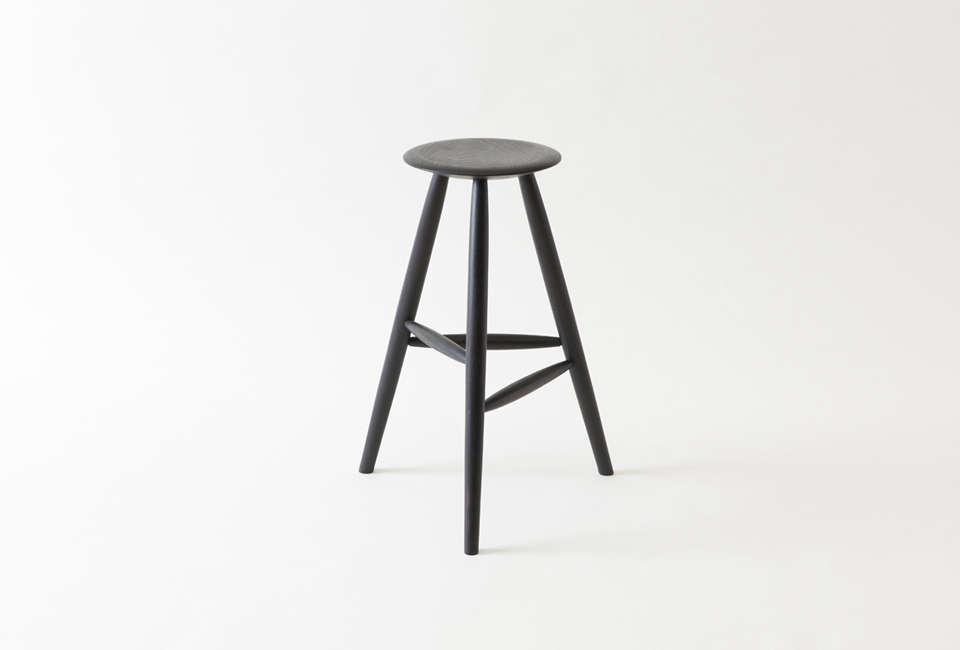
The Sawkille Co. Counter Stool is the kind of furniture piece that does not need to shout across the room to get noticed. It simply stands there, quietly handsome, like the person at a dinner party who says one clever sentence and suddenly everyone realizes they should have been listening all along. Handmade in the United States and rooted in Hudson Valley craft, this counter stool brings together solid wood construction, sculptural simplicity, and the warm imperfection that makes natural materials feel alive.
In a world where many kitchen stools look as if they were designed by a committee of rectangles, Sawkille Co. offers something more human. The stool is practical enough for a kitchen island, breakfast counter, or casual gathering space, yet refined enough to feel like a collectible object. Its oxidized black walnut finish, compact 12.5-inch seat, and 25-inch height make it especially well suited for standard counter-height surfaces. But the real story is not just its measurements. The real story is craftsmanship, material honesty, and why a simple stool can change the mood of a room without asking for a spotlight.
What Is the Sawkille Co. Counter Stool?
The Sawkille Co. Counter Stool is a made-to-order wooden counter stool designed by Sawkille Co., a furniture studio based in Rhinebeck, New York. The version commonly referenced by design shoppers is crafted in oxidized black walnut and features a 12.5-inch seat with a 25-inch overall height. That height places it comfortably in the counter stool category, making it appropriate for many 34- to 36-inch kitchen counters and islands.
Unlike mass-produced seating that often hides its materials under layers of paint, foam, plastic, or mystery, this stool celebrates the wood itself. The grain, finish, silhouette, and hand-finished character are not background details; they are the main event. Think of it as the furniture equivalent of a perfectly worn leather jacket: useful, durable, and better with age.
Key Product Details
Important details associated with the Sawkille Co. Counter Stool include:
- Material: Oxidized black walnut
- Seat size: Approximately 12.5 inches in diameter
- Height: Approximately 25 inches
- Production: Made in the United States
- Availability: Made to order
- Customization: Size and finish may be customized
- Design category: Counter and bar stool seating
The made-to-order nature matters. This is not an “add to cart and forget it exists until the delivery truck blocks your driveway” product. It is furniture made with intention, which means lead times are part of the process. For buyers who value quick shipping above all else, that may feel inconvenient. For buyers who appreciate handcrafted furniture, it is part of the charm.
The Design Language: Rural American, Modern, and Quietly Bold
Sawkille Co. is often associated with a style that blends rural American design, Shaker-inspired simplicity, farmhouse modern character, and contemporary refinement. That sounds like a lot of labels, but the stool itself makes the concept easier to understand. It does not look antique, but it clearly respects old forms. It does not look overly modern, but it has clean proportions and a confident silhouette. It is not rustic in the “wagon wheel over the fireplace” sense. It is rustic in the “someone actually understood wood before designing this” sense.
The stool’s visual power comes from restraint. The round seat, balanced stance, and dark walnut finish allow the shape to feel both elemental and elegant. There is no unnecessary ornamentation. No fake distressing. No metal swivel plate waiting to squeak during breakfast. The simplicity gives the stool versatility, which is why it can work in several interiors: a Hudson Valley farmhouse, a Brooklyn townhouse, a modern cabin, a chef-style kitchen, or a minimalist apartment that owns exactly one wooden spoon and displays it like art.
Why the Oxidized Black Walnut Finish Works
Black walnut already has a reputation for richness. Its natural color can range from chocolate brown to purplish undertones, and when finished carefully, it delivers depth without looking glossy or artificial. The oxidized finish pushes the stool toward a darker, moodier presence. This is especially useful in kitchens where lighter stone, pale cabinetry, white oak floors, or plaster walls need contrast.
In design terms, a dark wood stool can act like punctuation. White kitchen? Add walnut, and suddenly the room has a period instead of trailing off into a pale cloud. Marble island? Walnut keeps it from becoming too icy. Stainless appliances? The stool adds warmth. Painted cabinets? It helps anchor the palette. That is the secret of a great counter stool: it is small enough to move, but visually strong enough to shape the entire kitchen composition.
How the Stool Fits Standard Counter Heights
Counter stools are not the same as bar stools, and confusing the two is one of the fastest ways to make your kitchen feel like a minor ergonomic tragedy. A standard kitchen counter is usually around 34 to 36 inches high. Counter stools commonly sit around 24 to 27 inches from the floor to the top of the seat. Bar stools, by contrast, are taller and are typically designed for 40- to 42-inch bar-height surfaces.
At about 25 inches high, the Sawkille Co. Counter Stool lands in the sweet spot for many kitchen islands and counters. The goal is to leave enough room between the stool seat and the underside of the counter so knees do not start writing complaint letters. A 10- to 12-inch gap is generally comfortable for most people.
Where It Works Best
This stool is especially suitable for:
- Kitchen islands with standard counter height
- Breakfast bars in open-plan kitchens
- Studio apartments where flexible seating matters
- Small dining nooks that need sculptural seating
- Design-forward homes where utility and craft carry equal weight
- Entry areas where a small perch is useful for shoes, bags, or dramatic sighing
Because the seat is compact, it can be a smart option for narrower islands or tighter kitchen layouts. However, buyers should measure carefully. Always check counter height, overhang depth, walkway clearance, and the number of stools that can fit comfortably without turning breakfast into elbow wrestling.
Craftsmanship: Why Handmade Solid Wood Still Matters
The value of the Sawkille Co. Counter Stool is not only in how it looks, but in how it is made. Sawkille Co. is known for handcrafted solid wood furniture, and its work reflects an appreciation for traditional forms, human effort, and lasting materials. This is a very different philosophy from disposable furniture, where the design goal sometimes appears to be “survive one apartment move, maybe two if nobody sneezes.”
Solid wood furniture carries marks of origin. The grain varies. The color shifts. The surface develops patina. Over time, daily use becomes part of the piece rather than damage to be hidden. A stool like this can take on the history of a household: morning coffee, late-night snacks, homework sessions, recipe experiments, long conversations, and that one guest who somehow sits backward on every stool like they are being interviewed in a music documentary.
Made to Improve With Age
One of the strongest arguments for a stool like this is longevity. Handmade hardwood furniture is not designed to be trendy for a season and then quietly exiled to the garage. It is designed to live with the owner. The oil and wax finish used on many Sawkille pieces allows the wood to age naturally, developing a richer surface over time. Air, sunlight, handling, and cleaning all become part of the furniture’s gradual transformation.
This is important because many buyers are now looking beyond surface style. They want to know where a product comes from, who made it, whether the material has integrity, and whether the object can remain useful for years. The Sawkille Co. Counter Stool answers those questions through construction rather than marketing confetti.
Style Pairings: How to Decorate With the Sawkille Co. Counter Stool
The easiest way to use this stool is to let it provide contrast. Since the oxidized walnut finish is dark and rich, it pairs beautifully with lighter architectural materials. Picture it against white oak floors, cream walls, soapstone counters, limewash, unlacquered brass, handmade tile, or honed marble. It can also work in darker rooms, where it creates a layered, tonal effect rather than a sharp contrast.
Modern Farmhouse Kitchens
In a modern farmhouse kitchen, the stool feels right at home. It brings the honesty of wood without leaning into cliché. Pair it with shaker cabinets, warm white walls, aged brass hardware, and natural stone. The result is clean but not sterile, traditional but not sleepy.
Minimalist Interiors
In a minimalist space, the stool can serve as a sculptural accent. The compact form prevents visual clutter, while the wood grain keeps the room from feeling too cold. Minimalism needs texture the way soup needs salt. Without it, everything looks technically correct but emotionally bland.
Urban Apartments
For city apartments, especially those with open kitchens, a handcrafted stool can make a rental or condo feel more personal. It adds a sense of permanence even when the walls are painted landlord white and the lighting fixture looks like it was chosen by someone actively avoiding joy.
Comfort and Practicality
A backless wooden counter stool is not the same experience as a padded dining chair, and that is perfectly fine. The Sawkille Co. Counter Stool is best understood as casual, flexible seating. It is excellent for morning coffee, quick meals, conversation during cooking, or extra seating when guests appear with snacks and suspiciously empty hands.
The compact round seat encourages a relaxed posture and easy movement. Because it has no back, it can tuck under a counter more easily than larger stools. That makes the kitchen look cleaner when the stools are not in use. It also keeps sight lines open, which is valuable in smaller rooms or open-concept layouts.
Who Will Love It Most?
This stool is ideal for people who appreciate design restraint, natural materials, and American-made furniture. It is not for someone who wants oversized cushions, adjustable hydraulics, chrome footrests, and a swivel mechanism that announces every movement like a haunted door. It is for someone who values quiet quality.
Care and Maintenance
Solid wood furniture rewards simple, consistent care. For a stool with an oil and wax finish, daily maintenance is refreshingly low-drama. Wipe the surface with a clean damp cloth, then follow with a dry towel. Avoid letting spills sit on the wood. Do not place hot cookware or dishes directly on the surface. Skip harsh chemicals and abrasive cleaners, because this is a stool, not a laboratory counter.
Waxing may be needed periodically depending on use. A stool used daily in a busy kitchen will naturally need more attention than one used occasionally in a quiet corner. When the finish starts looking dull, that is usually a sign it could use conditioning. Proper maintenance helps restore luster and preserve the protective surface.
Practical Care Tips
- Dust regularly with a soft cloth.
- Clean spills quickly, especially water, wine, oil, or acidic foods.
- Use felt pads if the stool sits on delicate flooring.
- Keep it away from extreme humidity swings when possible.
- Avoid dragging it across the floor; lift it instead.
- Condition the finish when the wood begins to look dry or dull.
Is the Sawkille Co. Counter Stool Worth It?
The Sawkille Co. Counter Stool is not a budget stool, and pretending otherwise would be silly. This is a premium handcrafted piece. Its value comes from American production, solid hardwood material, made-to-order customization, and a design identity that does not expire when the next furniture trend rolls through social media wearing a tiny hat.
For the right buyer, the stool is worth considering because it solves more than one problem. It provides seating, adds warmth, introduces handmade character, and contributes to the overall design story of a room. Instead of feeling like an accessory, it feels like a small architectural object.
The strongest case for buying it is long-term satisfaction. Cheaper stools can absolutely perform the basic function of holding a person above the floor. But a stool like this does more. It becomes part of the room’s atmosphere. It makes the kitchen feel considered. It suggests that someone in the house cares about materials, proportion, and things made by actual hands.
Buying Considerations Before Ordering
Before choosing the Sawkille Co. Counter Stool, measure your space carefully. Start with the height from the floor to the underside of the counter. Then check the counter overhang. A beautiful stool is less charming when knees are wedged under the island like luggage in an overhead bin.
Next, decide how many stools can fit comfortably. Most kitchens need more breathing room than people think. Leave enough space between stools so guests can sit, shift, and exit without performing synchronized choreography. If your island is small, fewer stools will look better and feel better.
Checklist Before Buying
- Measure counter height and confirm a 25-inch stool works.
- Check available knee space under the counter.
- Measure the width of the island or bar area.
- Decide whether backless seating fits your lifestyle.
- Review finish options if customization is available.
- Plan for made-to-order lead time.
- Consider how the walnut tone will pair with floors, cabinets, and counters.
Experience Notes: Living With a Stool Like This
From a real-home perspective, the most interesting thing about a counter stool like the Sawkille Co. Counter Stool is how quickly it becomes part of daily rhythm. In many homes, the kitchen island is not just a prep area. It is the household command center. It is where coffee is negotiated, mail is ignored, laptops are opened, snacks mysteriously disappear, and someone always asks, “What smells good?” five minutes before dinner is ready.
A compact wooden counter stool works beautifully in that environment because it does not overcomplicate the room. You can pull it out for breakfast, tuck it back under the counter, move it beside a window, or use it as an extra perch when guests gather in the kitchen. Unlike bulky upholstered stools, it keeps the room feeling open. That matters in kitchens where every inch of visual space counts.
The backless design also changes how people use the space. It encourages casual sitting rather than long, formal dining. Someone might sit for a bowl of oatmeal, a quick call, or a glass of water while chatting with the cook. Then they get up and move around. The stool supports the natural movement of a kitchen instead of turning the island into a fixed dining room.
The wood finish is another part of the experience. A dark walnut stool brings warmth even when the rest of the kitchen is sleek. In a room with stone counters and painted cabinets, the stool adds a natural note. It feels good visually because it reminds the eye that not everything in the room came from a factory line. There is grain, depth, and subtle variation. Even small marks from use can become part of its character rather than something to panic about.
That said, living with a handcrafted wooden stool does require a slightly different mindset. You should not treat it like outdoor plastic furniture. Wipe spills. Avoid harsh cleaners. Do not leave wet towels draped over it. Give the finish attention when it looks tired. These habits are simple, but they make a difference. The reward is furniture that gains personality instead of simply wearing out.
The Sawkille Co. Counter Stool is especially satisfying for people who like objects that feel grounded. It does not chase trends. It does not need decorative gimmicks. It simply offers a useful form, a rich material, and a sense of permanence. In day-to-day use, that can be surprisingly comforting. A good stool is not just a place to sit. It is a small invitation to pause, lean in, sip coffee, talk longer than planned, and enjoy the kitchen as the living space it already is.
Conclusion
The Sawkille Co. Counter Stool is a refined example of how simple furniture can carry serious design weight. With its oxidized black walnut construction, counter-friendly height, handmade quality, and quiet Hudson Valley character, it offers more than a place to sit. It brings craft, warmth, and intention into the home.
For homeowners, designers, and furniture lovers who want a counter stool that feels timeless rather than trendy, this piece deserves attention. It may be small, but it has presence. And in the kitchen, where everyone eventually gathers no matter how nice the living room is, presence matters.