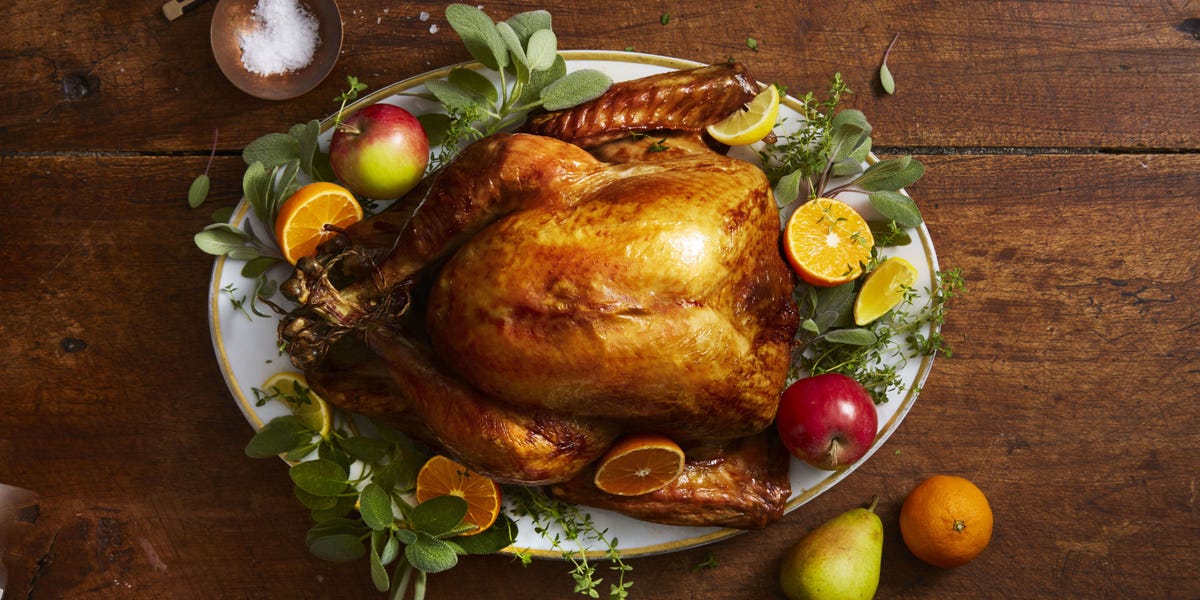
There are two types of holiday cooks: the ones who calmly roast a turkey while humming in the kitchen, and the ones who stare at a 16-pound bird like it just asked them to solve algebra. The good news? A beautiful, juicy, golden herb-roasted turkey is not kitchen wizardry. It is a method. Once you understand seasoning, temperature, timing, and rest, the turkey stops being intimidating and starts behaving like dinner.
This best herb-roasted turkey recipe is built for real home cooks. It uses a simple herb butter, aromatic vegetables, lemon, garlic, and a steady roasting method that delivers crisp skin, tender meat, and pan drippings that practically beg to become gravy. No complicated culinary acrobatics. No mystery pouch of seasoning. No emotional support casserole required.
The heart of this recipe is balance: salt for deep flavor, butter for richness, fresh herbs for aroma, and careful roasting for juicy results. Whether you are making Thanksgiving dinner, Christmas lunch, Friendsgiving, or a Sunday feast that accidentally turns into a neighborhood event, this guide will show you exactly how to make herb-roasted turkey with confidence.
Why This Herb-Roasted Turkey Recipe Works
Turkey has a reputation for being dry, but that usually happens because it is under-seasoned, overcooked, or carved too soon. Turkey breast meat is lean, so it needs help. That help comes in the form of herb butter tucked under the skin, salt applied early enough to season the meat, and a thermometer that tells the truth even when your uncle insists he can “tell by looking.” He cannot. Nobody can. The thermometer is the hero here.
This recipe starts with a fully thawed turkey, preferably 12 to 14 pounds. That size cooks more evenly than a giant bird and fits comfortably in most roasting pans. A mixture of softened butter, rosemary, thyme, sage, parsley, garlic, lemon zest, salt, and pepper is rubbed under and over the skin. Under the skin is where the magic happens because the butter melts directly into the meat instead of sliding off the outside like a tiny buttery escape artist.
Aromatics such as onion, celery, carrots, lemon, and herbs go into the pan and cavity. They do not replace proper seasoning, but they perfume the drippings and give the turkey a classic holiday aroma. The turkey roasts at a higher temperature first to encourage browning, then finishes at a moderate temperature so the meat cooks gently.
Ingredients for Herb-Roasted Turkey
For the Turkey
- 1 whole turkey, 12 to 14 pounds, fully thawed
- 1 tablespoon kosher salt, plus more as needed
- 2 teaspoons black pepper
- 1 large yellow onion, quartered
- 2 carrots, roughly chopped
- 2 celery stalks, roughly chopped
- 1 lemon, halved
- 1 head garlic, halved crosswise
- 2 cups low-sodium chicken or turkey stock
For the Herb Butter
- 1 cup unsalted butter, softened
- 2 tablespoons chopped fresh rosemary
- 2 tablespoons chopped fresh thyme
- 1 tablespoon chopped fresh sage
- 2 tablespoons chopped fresh parsley
- 4 garlic cloves, finely minced
- 1 tablespoon lemon zest
- 1 teaspoon kosher salt
- 1 teaspoon black pepper
How to Make Herb-Roasted Turkey
Step 1: Thaw the Turkey Safely
If your turkey is frozen, thaw it in the refrigerator. Plan on about 24 hours of refrigerator thawing for every 4 to 5 pounds of turkey. A 12-pound turkey usually needs about three days. A 20-pound turkey can take four to five days. In other words, do not discover the frozen turkey on Thanksgiving morning unless your backup plan is pizza and character development.
Keep the turkey in its original wrapping and place it on a tray to catch any liquid. Once thawed, it can usually stay refrigerated for a short time before cooking, but the goal is simple: cold, clean, and controlled. Safe turkey begins before the oven ever gets involved.
Step 2: Pat It Very Dry
Remove the turkey from its packaging. Take out the neck and giblets from the cavity. Pat the turkey dry inside and out with paper towels. Dry skin browns better. Wet skin steams. Steamed turkey skin is not the dream. It is more like a beige raincoat.
If you have time, place the salted turkey uncovered in the refrigerator overnight. This dry-brining step helps season the meat and dries the skin for better browning. Even four to six hours helps. If you are short on time, season it and move forward. The turkey will still be delicious.
Step 3: Make the Herb Butter
In a bowl, combine softened butter, rosemary, thyme, sage, parsley, garlic, lemon zest, salt, and pepper. Mash everything together until evenly mixed. The butter should be soft enough to spread but not melted. If it looks like green-flecked frosting for savory people, you are doing it right.
Fresh herbs create the best flavor for a classic herb butter turkey, but dried herbs can work in a pinch. Use about one-third the amount if substituting dried herbs because dried herbs are more concentrated.
Step 4: Season Under the Skin
Gently loosen the skin over the breast meat by sliding your fingers between the skin and meat. Move slowly so you do not tear it. Spread about half of the herb butter under the skin, focusing on the breast. Rub the remaining butter over the outside of the turkey, including the legs and wings.
This step is one of the biggest secrets to a juicy herb-roasted turkey. Butter on top helps the skin brown, but butter under the skin seasons the meat directly. That is the difference between “nice turkey” and “who made this and are they accepting applause?”
Step 5: Add Aromatics
Place onion, carrot, celery, lemon, garlic, and a few herb sprigs in the roasting pan. Put some aromatics inside the turkey cavity, but do not pack it tightly. Air needs to circulate. Stuffing the cavity densely can slow cooking and make it harder to reach a safe temperature.
Pour stock into the bottom of the pan. The liquid helps prevent drippings from burning and gives you a flavorful base for gravy. Place the turkey breast-side up on a rack set inside the roasting pan.
Step 6: Roast the Turkey
Preheat the oven to 425°F. Roast the turkey uncovered for 30 minutes to jump-start browning. Then reduce the oven temperature to 325°F and continue roasting until the thickest part of the breast and the innermost part of the thigh reach 165°F on an instant-read thermometer.
For a 12- to 14-pound turkey, the total roasting time is usually around 3 to 3 1/2 hours, but the thermometer matters more than the clock. Oven temperatures vary, turkey shapes vary, and holiday kitchens get opened more often than a group chat during drama. Start checking early.
If the breast skin browns too quickly, loosely tent it with foil. Avoid sealing the foil tightly, or the skin may soften. Add more stock to the pan if the bottom gets dry.
Step 7: Rest Before Carving
Once the turkey reaches the proper internal temperature, transfer it to a cutting board and let it rest for at least 30 minutes. For larger birds, 45 minutes is even better. Resting allows juices to redistribute, which means they stay in the meat instead of flooding the cutting board like a poultry tragedy.
Do not skip this step. Carving too soon is one of the fastest ways to dry out a turkey you worked so hard to roast properly.
How to Tell When Turkey Is Done
The safest way to know your turkey is done is to use a food thermometer. Insert it into the thickest part of the breast, the innermost part of the thigh, and the innermost part of the wing. The turkey should reach 165°F. If you cook stuffing inside the bird, the center of the stuffing must also reach 165°F.
Color is not reliable. Clear juices are not reliable. The pop-up timer is better than nothing, but it is not as accurate as a good thermometer. If you buy one tool for better turkey, make it an instant-read thermometer. It is cheaper than ruining dinner and easier than pretending dry turkey is “rustic.”
Tips for the Best Herb-Roasted Turkey
Use Unsalted Butter
Unsalted butter gives you control over seasoning. Salted butter varies by brand, and turkey already needs careful salting. Starting with unsalted butter lets you build flavor without accidentally turning dinner into a salt lick.
Season Early If Possible
Salting the turkey several hours or a day before roasting improves flavor and texture. The salt draws moisture to the surface, dissolves, and then moves back into the meat. This is why dry-brining has become a favorite technique for many cooks.
Do Not Over-Baste
Basting sounds fancy, but opening the oven repeatedly drops the temperature and can extend cooking time. The herb butter already adds flavor and moisture. If you baste once or twice, fine. If you are basting every 10 minutes, the oven door has become a revolving door, and the turkey is quietly judging you.
Let the Skin Dry
Crisp skin loves dryness. Pat the turkey thoroughly and, when possible, refrigerate it uncovered for several hours before roasting. This helps the surface brown instead of steam.
Roast on a Rack
A rack lifts the turkey above the pan so heat can circulate. It also keeps the bottom from sitting directly in liquid. No rack? Use thick slices of onion, carrots, and celery as a natural rack. It works, and it makes the pan smell amazing.
Easy Pan Gravy from Turkey Drippings
After removing the turkey, pour the pan drippings through a fine strainer into a measuring cup. Skim off excess fat, reserving about 1/4 cup. In a saucepan, whisk the reserved fat with 1/4 cup all-purpose flour over medium heat for two to three minutes. Slowly whisk in 3 to 4 cups warm turkey or chicken stock, plus the strained drippings. Simmer until thickened. Taste and season with salt and pepper.
This gravy is rich, savory, and deeply connected to the turkey itself. It tastes like the bird, the herbs, the vegetables, and the entire afternoon’s effort decided to become sauce. That is exactly what good gravy should do.
What to Serve with Herb-Roasted Turkey
Herb-roasted turkey pairs beautifully with classic holiday sides. Mashed potatoes are the obvious gravy delivery system. Stuffing or dressing adds savory comfort. Green beans, roasted Brussels sprouts, cranberry sauce, sweet potatoes, dinner rolls, and a crisp salad all belong on the table.
For a lighter meal, serve turkey with roasted vegetables and a bright citrus salad. For a full holiday spread, add macaroni and cheese, cornbread dressing, and pumpkin pie. The turkey may be the centerpiece, but the sides are the supporting cast that refuses to be ignored.
How to Store Leftover Turkey
Carve leftover turkey from the bone and store it in shallow containers. Refrigerate leftovers within two hours of cooking. Properly stored turkey is best eaten within three to four days. For longer storage, freeze it in airtight containers or freezer bags.
Leftover herb-roasted turkey is excellent in sandwiches, soups, pot pies, salads, enchiladas, fried rice, and turkey noodle soup. It also tastes fantastic eaten cold from the fridge while standing in the kitchen at midnight. That may not be elegant, but it is honest.
Common Herb-Roasted Turkey Mistakes to Avoid
Cooking a Partly Frozen Turkey
A turkey that is still icy inside will cook unevenly. The outside may overcook before the center is safe. Always plan thawing time ahead. Your refrigerator is slow, but it is reliable.
Skipping the Thermometer
Guessing doneness is risky. Use a thermometer and check multiple spots. Turkey is too expensive, too important, and too emotionally loaded to cook by vibes alone.
Carving Immediately
Resting is not optional. It is the pause that turns roasted turkey from good to juicy. Cover it loosely with foil and use the time to finish gravy, warm sides, and tell everyone the turkey needs “a few more minutes” while secretly enjoying the calm.
Overcrowding the Cavity
A few aromatics are wonderful. A packed cavity slows cooking. If you want stuffing, consider baking it separately as dressing. It gets crisp edges, cooks evenly, and avoids food-safety drama.
Recipe Card: Best Herb-Roasted Turkey
Prep Time
30 minutes, plus optional overnight dry-brining
Cook Time
About 3 to 3 1/2 hours for a 12- to 14-pound turkey
Total Time
About 4 hours, including resting
Servings
10 to 12 servings
Instructions
- Thaw the turkey completely in the refrigerator.
- Remove giblets and neck, then pat the turkey dry.
- Mix softened butter with rosemary, thyme, sage, parsley, garlic, lemon zest, salt, and pepper.
- Loosen the skin over the breast and spread half the herb butter underneath.
- Rub remaining herb butter over the outside of the turkey.
- Place onion, carrots, celery, lemon, garlic, and herbs in the roasting pan and cavity.
- Add stock to the pan and place turkey on a rack.
- Roast at 425°F for 30 minutes, then reduce to 325°F.
- Continue roasting until the breast and thigh reach 165°F.
- Rest at least 30 minutes before carving.
Experience Notes: What Cooking Herb-Roasted Turkey Teaches You
The first time you roast a turkey, it feels like hosting a tiny culinary summit. The bird is large, the expectations are larger, and everyone has an opinion. Someone will say their grandmother cooked turkey upside down. Someone else will recommend a secret method involving a paper bag, a prayer, or both. But after cooking herb-roasted turkey a few times, you learn that success is less about secret tricks and more about patience, preparation, and not panicking when the skin looks pale at hour one.
One of the most useful lessons is that flavor starts before roasting. A turkey seasoned only on the outside right before it goes into the oven can still taste good, but a turkey salted ahead of time tastes seasoned all the way through. The difference is noticeable. It is the difference between meat that needs gravy and meat that gravy simply makes better. Dry-brining also teaches restraint. You do not need a bucket of liquid brine taking over the fridge like a science project. Salt, time, and air can do a lot of heavy lifting.
Another experience worth remembering is that herb butter is forgiving. If you have rosemary and thyme but no sage, the turkey will survive. If you add parsley, lemon zest, and garlic, it will smell like you hired a professional. If the butter tears the skin slightly while you spread it underneath, do not panic. Smooth the skin back into place and continue. Roasting a turkey is not a beauty pageant until the final 20 minutes.
The roasting process also teaches you to trust temperature more than recipes. A printed cook time is a helpful estimate, not a legal contract. Your oven, pan, turkey size, starting temperature, and how often the door opens all affect timing. The thermometer removes guesswork. Once you start using one, you will wonder how anyone roasted turkey without it. Probably with stress, crossed fingers, and very enthusiastic gravy.
Resting the turkey may be the hardest part emotionally. The bird comes out golden and fragrant, and suddenly everyone appears in the kitchen holding plates like raccoons in polite clothing. Resist them. Resting keeps the turkey juicy and makes carving easier. Use that time to finish the gravy, heat the rolls, or take photos before someone steals a wing.
Finally, herb-roasted turkey teaches that leftovers are part of the reward. The next-day sandwich with turkey, cranberry sauce, and a little mayonnaise may be just as exciting as the original dinner. Turkey soup made from the carcass feels thrifty and comforting. Even small scraps can become tacos, casseroles, or breakfast hash. A well-roasted turkey is not one meal; it is a delicious campaign.
So yes, roasting a whole turkey can feel dramatic. But with herb butter, safe cooking temperatures, proper resting, and a little confidence, it becomes manageable. The bird may be big, but the method is simple. Season generously, roast carefully, rest patiently, and carve proudly. If the table goes quiet for the first few bites, congratulations. That is not awkward silence. That is success chewing.
Conclusion
The best herb-roasted turkey recipe is not about overcomplicating the holiday table. It is about giving the turkey what it needs: enough seasoning, enough fat, enough heat, and enough rest. Fresh herbs, garlic, lemon, and butter create classic flavor, while a thermometer keeps the meat safe and juicy. Once you master this method, turkey becomes less of a once-a-year challenge and more of a reliable centerpiece.
Whether you are cooking for Thanksgiving, Christmas, or a family dinner that got ambitious, this herb-roasted turkey delivers golden skin, tender meat, and rich drippings for gravy. It is simple enough for beginners, satisfying enough for experienced cooks, and impressive enough to earn compliments from relatives who usually only comment on the thermostat.
Note
This publish-ready article is based on established U.S. cooking and food-safety principles, rewritten in original language for web publication. Source links and citation placeholders are intentionally not included inside the HTML body.