Basil is the herb equivalent of a friendly neighbor who shows up with good stories, smells amazing, and somehow makes dinner taste like you tried harder than you did. Whether you want fresh leaves for pesto, pasta, pizza, Thai-inspired dishes, tomato sandwiches, or a dramatic little garnish that says “yes, I garden now,” learning how to grow basil successfully is one of the easiest and most rewarding skills for a home gardener.
The good news: basil is not fussy when you give it what it actually wants. The bad news: basil has standards. It wants warmth, sun, well-drained soil, steady moisture, and regular harvesting. Ignore those basics, and your plant may sulk, flower too early, turn yellow, or collapse like it just read a bad Yelp review. Get them right, and basil can become a leafy green machine from late spring through summer.
This guide walks through everything you need to know about growing basil outdoors, in containers, and indoors, including planting, watering, pruning, harvesting, pest prevention, disease control, and real-world growing experiences that help turn “cute little starter plant” into “why do I have enough basil for a small Italian restaurant?”
Why Basil Is Worth Growing at Home
Store-bought basil is useful, but fresh basil from your own plant is in a completely different league. The leaves are brighter, more aromatic, and ready exactly when your pasta sauce needs a final flourish. Basil is also compact, fast-growing, and attractive enough to tuck into a vegetable bed, herb garden, patio pot, balcony planter, or sunny kitchen windowsill.
Most gardeners grow sweet basil or Genovese basil, the classic varieties used for pesto and Italian cooking. But basil is a bigger family than many beginners realize. Thai basil brings a spicy, anise-like flavor. Lemon basil adds citrusy brightness. Purple basil gives the garden a dramatic pop of color. Spicy globe basil stays compact and tidy, making it excellent for containers and small-space gardens.
The Best Conditions for Growing Basil Successfully
Sunlight: Give Basil the Bright Life
Basil grows best in full sun, which means at least six hours of direct sunlight per day. In cooler or moderate climates, more sun usually means stronger growth and richer flavor. In very hot regions, basil may appreciate a little afternoon shade, especially if it is grown in a container that heats up quickly.
A basil plant that does not receive enough light often becomes leggy, pale, and weak. Instead of producing a bushy plant with lots of harvestable leaves, it stretches toward the nearest bright spot like it is auditioning for a drama role. If your basil is indoors, place it near a bright south-facing window or use a grow light for consistent results.
Temperature: Basil Loves Warmth
Basil is a tender annual, which means it thrives in warm weather and does not tolerate frost. It grows best when daytime temperatures are comfortably warm and nighttime temperatures stay mild. Planting basil outdoors too early is one of the most common beginner mistakes. Cold soil and chilly nights can stunt growth, damage leaves, or kill young plants.
Wait until the danger of frost has passed before planting basil outside. If you are starting seeds indoors, begin several weeks before your last expected frost date, then transplant seedlings outdoors only after they have been hardened off and the weather is reliably warm.
Soil: Moist, Well-Drained, and Not Too Fancy
Basil prefers moist, well-drained soil with moderate fertility. It does not need luxury spa soil sprinkled with fairy dust, but it does appreciate compost or organic matter mixed into the planting area. Good drainage is essential because basil roots dislike sitting in soggy soil.
If you are growing basil in the ground, loosen the soil and mix in compost before planting. If you are growing basil in a pot, use a quality potting mix rather than heavy garden soil. Containers must have drainage holes. A pot without drainage is not a planter; it is a tiny swamp with basil-themed decorations.
How to Plant Basil from Seeds or Transplants
Starting Basil from Seed
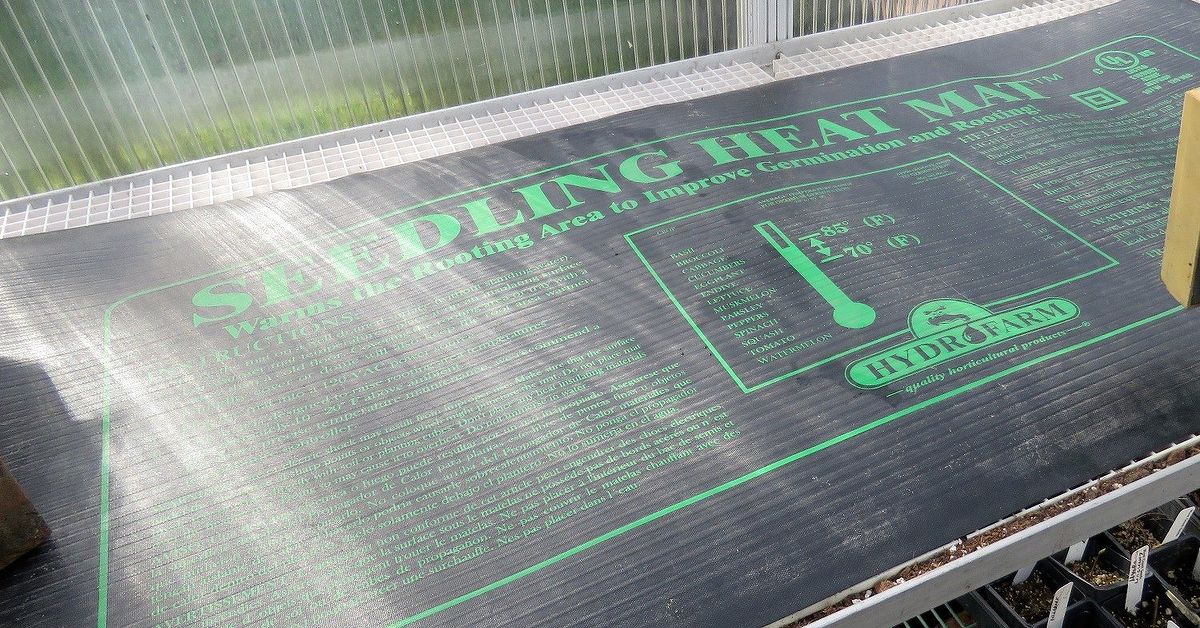
Basil is fairly easy to start from seed. Sow seeds about one-quarter inch deep in a seed-starting mix or directly in the garden after the weather has warmed. Keep the soil evenly moist while the seeds germinate. Warm conditions help basil germinate faster and grow more vigorously.
Once seedlings develop several sets of true leaves, thin them so each plant has enough space. Crowded basil plants compete for light and airflow, which can lead to weak stems and disease problems. For garden beds, spacing basil plants about 10 to 12 inches apart works well for many common varieties.
Planting Basil Transplants
Buying a basil transplant is the fastest way to get started. Choose plants with bright green leaves, sturdy stems, and no yellowing, spotting, wilting, or fuzzy growth on leaf undersides. Avoid plants that are already flowering heavily unless you plan to harvest immediately.
Before transplanting, water the plant well. Dig a hole slightly larger than the root ball, place the plant at the same depth it was growing in its container, and gently firm the soil around it. Water thoroughly after planting to help the roots settle in.
Growing Basil in Containers
Basil is excellent for container gardening. A sunny patio, balcony, porch, or kitchen doorstep can become a mini herb farm with just one or two pots. Choose a container at least 6 to 8 inches deep for smaller basil varieties and larger for big, bushy plants. Make sure the pot has drainage holes.
Container basil dries out faster than basil planted in the ground, especially during hot weather. Check the soil regularly by sticking your finger about an inch into the potting mix. If it feels dry at that depth, water deeply until water drains from the bottom.
Do not let the plant sit in a saucer full of water. Basil likes moisture, not wet feet. Think of it like comfortable sneakers after a light rain, not socks in a puddle.
How to Water Basil the Right Way
Basil grows best with consistent moisture. Too little water causes wilting, stress, and tougher leaves. Too much water can lead to root problems and disease. The goal is evenly moist soil, not soggy soil.
Water at the base of the plant whenever possible. Keeping leaves dry helps reduce disease risk, especially in humid conditions. Morning watering is ideal because it gives the plant moisture for the day while allowing any splashed leaves to dry quickly.
Mulching around outdoor basil plants can help conserve soil moisture and reduce weeds. Use a light layer of straw, shredded leaves, or another organic mulch, but keep mulch slightly away from the stem to prevent excess moisture around the crown.
Fertilizing Basil Without Ruining the Flavor
Basil does not need heavy feeding. In fact, too much fertilizer can encourage fast, watery growth with less concentrated flavor. A compost-enriched soil or light feeding with a balanced fertilizer is usually enough.
Container-grown basil may need occasional light fertilizing because nutrients wash out of pots more quickly. Use a gentle approach. If the plant looks healthy and produces plenty of leaves, do not overcomplicate things. Basil is a herb, not a bodybuilder preparing for competition.
Pruning Basil for a Bigger, Bushier Plant
Pruning is the secret to growing basil successfully. Many beginners harvest only the largest lower leaves and leave one tall stem behind. That method keeps the plant alive, but it does not encourage the full, branching growth that produces big harvests.
Start pinching basil when the plant is about 6 to 8 inches tall and has several sets of leaves. Cut or pinch just above a pair of leaves. New stems will grow from that point, turning one stem into two. Repeat this process throughout the season, and your basil will become bushier and more productive.
Remove Flower Buds Early
Basil naturally wants to flower as it matures. Flowering is not a disaster, but it often signals the plant to shift energy away from leaf production. The leaves may also become stronger or slightly bitter after flowering.
Pinch off flower buds as soon as you see them if your goal is a long leaf harvest. If you want to support pollinators or collect seed, you can let a few plants bloom later in the season. Just know that a flowering basil plant is basically saying, “I am thinking about retirement.”
How to Harvest Basil for Maximum Growth
Harvest basil regularly. Frequent harvesting encourages new growth and prevents the plant from becoming tall, woody, and flower-heavy. The best time to harvest is in the morning after dew has dried but before the heat of the day becomes intense.
For small amounts, pinch off the top leaves and stems just above a leaf pair. For larger harvests, cut stems back by one-third, always leaving enough healthy leaves for the plant to keep growing. Avoid removing more than one-third of the plant at one time unless the season is ending and you are doing a final harvest.
Common Basil Problems and How to Fix Them
Yellow Leaves
Yellow basil leaves can come from overwatering, poor drainage, nutrient stress, cold temperatures, or disease. Check the soil first. If it is constantly wet, improve drainage or water less often. If the plant is in a small pot, it may be root-bound and ready for a larger container.
Leggy Growth
Leggy basil usually needs more light or more pruning. Move the plant to a sunnier spot and pinch back the top growth to encourage branching. Indoor basil often becomes leggy in weak window light, so a grow light can make a big difference.
Wilting
Wilting can mean the plant is thirsty, but it can also mean roots are damaged from too much water. Check the soil before watering. Dry soil needs water; soggy soil needs better drainage and a pause in watering.
Basil Downy Mildew
Basil downy mildew is one of the most serious basil diseases. It often begins with yellowing on the upper leaf surface and grayish, fuzzy growth on the undersides of leaves. It can spread quickly, especially in humid conditions.
To reduce risk, buy healthy plants, avoid overhead watering, improve airflow, space plants properly, and remove infected plants promptly. If basil downy mildew is common in your area, look for resistant varieties and avoid saving seed from infected plants.
Japanese Beetles, Aphids, and Other Pests
Basil is not usually a pest magnet, but insects may still show up. Japanese beetles can chew leaves, while aphids may cluster on tender new growth. For small gardens, handpicking pests or rinsing leaves with water is often enough. Avoid harsh chemical treatments on herbs you plan to eat.
Growing Basil Indoors
Basil can grow indoors, but it needs strong light and warmth. A sunny windowsill may work during bright seasons, but many indoor basil plants perform better with a grow light. Aim for long, bright exposure and keep the plant away from cold drafts.
Indoor basil should be planted in a pot with drainage holes and a lightweight potting mix. Water when the top inch of soil feels dry. Rotate the pot every few days so the plant grows evenly instead of leaning toward the light like it is trying to escape.
Indoor basil is often shorter-lived than outdoor summer basil, but regular pruning can keep it productive. If the plant becomes woody, weak, or tired, start a new one from seed or cuttings.
How to Preserve Basil After Harvest
Fresh basil is best used soon after harvesting, but you can preserve extra leaves. Freezing basil in olive oil is one of the easiest methods. Chop clean basil leaves, pack them into an ice cube tray, cover with olive oil, and freeze. These cubes are excellent for soups, sauces, and sautés.
You can also make pesto and freeze it in small portions. Drying basil is possible, though the flavor changes and becomes less bright than fresh or frozen basil. If drying, keep leaves in a warm, airy location away from direct sun, then store them in an airtight container.
Best Companion Plants for Basil
Basil is often planted near tomatoes because they enjoy similar warm-season conditions and taste fantastic together in the kitchen. Peppers, eggplants, parsley, oregano, and marigolds can also share space well in many gardens, as long as each plant has enough sunlight, airflow, and root room.
Be careful with aggressive herbs like mint. Mint is charming until it decides your whole garden belongs to mint. Grow mint in its own container rather than letting it compete with basil in the same bed.
Seasonal Basil Growing Calendar
Spring
Start seeds indoors before warm weather arrives, or buy healthy transplants. Wait until after the last frost to plant outdoors. Harden off seedlings gradually by exposing them to outdoor conditions for increasing periods over several days.
Summer
This is basil’s glory season. Water consistently, harvest often, pinch flower buds, and prune for bushier growth. Watch for signs of disease during humid weather.
Fall
Harvest heavily before frost. Take cuttings if you want to try rooting basil indoors. Freeze extra leaves or make pesto so you can enjoy summer flavor after the garden has gone quiet.
Extra Growing Experiences: Real-World Lessons for Better Basil
One of the biggest lessons from growing basil is that the plant responds quickly to your habits. When you ignore it for two weeks, it often becomes tall, thin, and eager to flower. When you pinch it regularly, it becomes compact and generous. Basil is almost like a leafy reminder that small, consistent actions beat occasional heroic gardening marathons.
A practical example: imagine two basil plants bought from the same nursery on the same day. Plant A is placed in a sunny pot, watered when the top inch of soil dries, and pinched every week. Plant B is placed in partial shade, watered randomly, and allowed to flower. After a month, Plant A will likely be bushy, fragrant, and full of tender leaves. Plant B may still be alive, but it will probably look stretched, tired, and less productive. Same plant, different routine, very different dinner results.
Another helpful experience is learning not to be afraid of cutting basil. Many new gardeners treat the plant like a delicate museum exhibit. They remove one leaf at a time, whisper apologies, and wonder why it never gets bigger. Basil actually grows better when harvested correctly. Cutting above a pair of leaves encourages the plant to branch. More branches mean more leaves. More leaves mean more pesto. This is the kind of math everyone can support.
Container growers often discover that pot size matters more than expected. A tiny grocery-store basil pot may look cute on the counter, but it is usually crowded with multiple seedlings competing for space. If you bring home supermarket basil, divide it gently into a few clumps and replant them into larger pots with fresh potting mix. Give each clump room, water well, and place it in strong light. This simple step can turn a short-lived kitchen decoration into a useful herb plant.
Watering is another area where experience teaches balance. Basil wilts dramatically when thirsty, which can scare beginners into overwatering forever after. But constant wet soil is just as harmful. The finger test is simple and reliable: touch the soil before watering. If the top inch is dry, water deeply. If it is still moist, wait. This habit prevents both drought stress and soggy-root sadness.
Gardeners in humid climates often learn to respect airflow. Basil packed tightly into a crowded bed may grow well at first, then suddenly develop leaf problems when warm, damp weather arrives. Spacing plants properly, watering at soil level, and harvesting to open up the plant canopy can help reduce disease pressure. A basil plant should look full, not trapped in a leafy elevator with ten strangers.
Finally, the best basil growers usually plan for abundance. One plant is fine for occasional garnish, but pesto lovers need several plants. If you cook often, plant basil in small successions or grow a few varieties. Sweet basil can handle pasta night, Thai basil can brighten stir-fries, and lemon basil can surprise grilled vegetables or summer drinks. Growing basil successfully is not just about keeping a plant alive. It is about creating a small, fragrant supply chain between your garden and your plate.
Conclusion
Growing basil successfully comes down to a few simple principles: warmth, full sun, well-drained soil, steady moisture, regular pruning, and frequent harvesting. Basil is forgiving enough for beginners but productive enough to satisfy experienced gardeners. Whether you grow it in a backyard bed, a balcony pot, or a sunny kitchen window, basil rewards attention with fresh flavor, beautiful leaves, and the smug satisfaction of saying, “Oh, this pesto? I grew the basil myself.”
Start with healthy plants or seeds, wait for warm weather, prune early, and do not let flowers take over too soon. Watch for yellowing leaves, improve airflow, and water at the base of the plant. With these habits, your basil can stay lush, flavorful, and useful throughout the growing season.