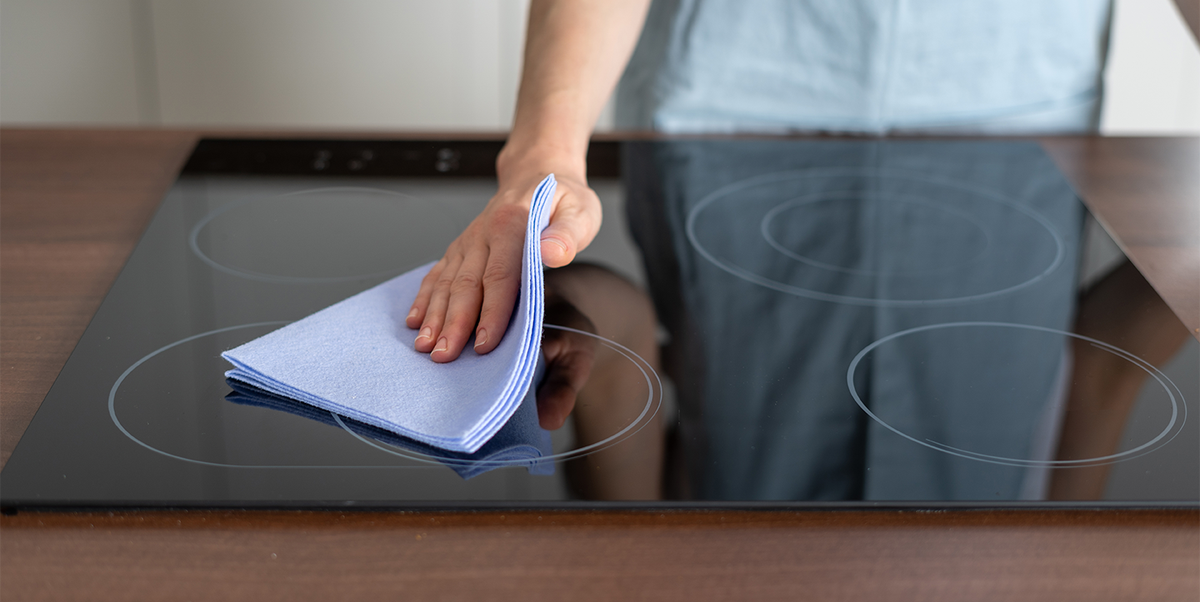
A glass cooktop is the little black dress of the kitchen: sleek, shiny, modern, and somehow able to reveal every tiny splash of pasta water like it is testifying in court. One minute it looks showroom-perfect; the next, it has a constellation of sauce dots, cloudy rings, and one mysterious burnt spot that appears to have signed a lease.
The good news? Cleaning a glass stovetop is not difficult when you use the right method. The bad news? The wrong tools can scratch, cloud, or even permanently damage the surface. Glass and ceramic cooktops need gentle cleaning, smart timing, and a little patiencenot steel wool, aggressive scrubbing, or a heroic “more pressure equals cleaner” attitude.
This guide explains how to clean a glass stovetop safely, remove burnt-on food, prevent scratches, and keep your cooktop looking polished after everyday cooking. Whether you own an electric glass cooktop, ceramic cooktop, or induction stovetop, these glass cooktop cleaning tips will help you restore the shine without turning your kitchen into a chemistry experiment.
Why Glass Cooktops Need Special Care
Glass stovetops are beautiful because the cooking surface is smooth, flat, and easy to wipeat least in theory. Unlike gas burners with grates and drip pans, a glass cooktop gives you one continuous surface. That makes daily cleaning easier, but it also means spills sit directly on the heated glass.
Food residue, oil, sugar, starch, and minerals from water can bake onto the surface if left too long. Over time, those messes can create cloudy stains, rough patches, or stubborn rings around burners. Scratches are another concern. Sliding heavy cookware, using abrasive pads, or scrubbing with harsh powders can leave marks that no amount of cleaning can erase.
The secret is to treat the cooktop like glass, not like a cast-iron skillet. You want soft cloths, nonabrasive pads, cooktop-safe cleaner, and careful scraping only when necessary. Your goal is to loosen the mess first, then remove it gently.
What You Need to Clean a Glass Stovetop
Before you begin, gather the right supplies. Having everything ready prevents the classic kitchen-cleaning mistake: starting with a sponge, panicking halfway through, and somehow ending up with five products on the counter.
Recommended Cleaning Supplies
- Microfiber cloths or soft paper towels
- Nonabrasive sponge or cooktop-safe cleaning pad
- Distilled white vinegar
- Baking soda
- Mild dish soap
- Glass cooktop cleaner or ceramic cooktop cleaning cream
- Cooktop scraper or razor scraper designed for glass cooktops
- Clean, dry towel for polishing
Products and Tools to Avoid
Some cleaning tools are too rough for a glass stovetop. Avoid steel wool, scouring pads, abrasive powders, stiff brushes, and harsh cleaners not labeled safe for ceramic or glass cooktops. Standard window cleaners with ammonia are also not ideal for hot cooking surfaces, and they may leave streaks or residue. Bleach and heavy-duty oven cleaners should stay far away from your glass cooktop unless your appliance manual specifically says otherwise.
Also avoid cleaning the surface while it is hot. A warm cooktop can bake cleaner onto the glass, create fumes, or make stains harder to remove. Let the cooktop cool completely unless you are handling a special emergency, such as a sugary spill, which requires careful immediate attention.
How to Clean a Glass Stovetop After Everyday Cooking
Daily maintenance is the easiest way to keep a glass stovetop clean. The goal is not to deep-clean like you are preparing for a magazine photo shoot every night. It is simply to remove grease, crumbs, and light spills before they become permanent roommates.
Step 1: Turn Off the Cooktop and Let It Cool
Always start by turning off the burners and waiting until the surface is cool to the touch. Check the hot-surface indicator light if your stove has one. Cleaning too soon can cause cleaner to burn onto the surface, and nobody wants to add “smoked vinegar glaze” to the evening menu.
Step 2: Remove Loose Debris
Use a dry microfiber cloth or paper towel to sweep away crumbs, salt, dried herbs, and any other loose bits. This step matters because tiny particles can act like sandpaper if you start wiping with liquid right away.
Step 3: Wipe With Dish Soap and Warm Water
Mix a few drops of mild dish soap with warm water. Dampen a soft sponge or microfiber cloth and wipe the surface in gentle circles. Focus on greasy areas around burners, but do not flood the cooktop. Too much water can run into seams or controls, especially on older appliances.
Step 4: Rinse and Dry
Wipe away soap residue with a clean damp cloth. Then dry the surface with a soft towel. Drying is not just for beauty; it helps prevent water spots and cloudy streaks.
Step 5: Polish for Shine
For a streak-free finish, lightly mist a microfiber cloth with a mixture of equal parts white vinegar and water, then buff the cooktop. Do not soak the surface. A little vinegar goes a long way, like a confident seasoningnot a soup.
How to Deep Clean a Glass Stovetop With Vinegar and Baking Soda
If your stovetop has greasy film, dull patches, or dried-on splatters, a deeper clean can help. Vinegar and baking soda are popular because they are affordable, widely available, and gentle when used correctly.
Step 1: Start With a Cool Surface
Make sure the cooktop is completely cool. Remove crumbs and loose debris with a dry cloth.
Step 2: Spray Vinegar Lightly
Spray a light layer of distilled white vinegar over the glass. Vinegar helps cut grease and loosen residue. Let it sit for five to ten minutes if the surface is oily.
Step 3: Sprinkle Baking Soda Over Stained Areas
Add a thin layer of baking soda over cloudy or stained spots. You do not need a snowstorm. A light coating is enough. Baking soda is mildly abrasive, so the key is to let it work with moisture rather than grinding it into the glass.
Step 4: Cover With a Warm Damp Towel
Wet a clean towel with warm water, wring it out well, and lay it over the baking soda. Let it sit for about 10 to 15 minutes. This helps soften stuck-on food without aggressive scrubbing.
Step 5: Wipe Gently
Remove the towel and wipe the surface with a soft cloth or nonabrasive sponge. Use gentle pressure. If a spot does not move, do not attack it like a villain in a movie. Move to the scraper method below.
Step 6: Rinse, Dry, and Buff
Wipe the cooktop with a clean damp cloth until all baking soda residue is gone. Dry thoroughly, then polish with a microfiber cloth. If any white film remains, rinse again. Baking soda residue can make the surface look cloudy even when it is clean.
How to Remove Burnt-On Food From a Glass Cooktop
Burnt-on food is where many people get nervous. This is also where many people make the biggest mistake: they scrub harder. On a glass stovetop, pressure is not the answer. Softening, scraping, and polishing are the answer.
Use a Glass Cooktop Cleaner
A ceramic or glass cooktop cleaning cream is often the most reliable option for cooked-on residue. Apply a small amount to the cool surface, then spread it with a nonabrasive pad or paper towel according to the product directions. Many cooktop cleaners dry into a light film before being buffed away with a soft cloth. This process can help remove stains while leaving a polished finish.
Use a Cooktop Scraper Carefully
For raised, crusty, or burnt-on spots, a cooktop scraper can be very effective. Use only a scraper designed for glass or ceramic cooktops. Hold the blade at a low angle, often around 45 degrees or flatter, and gently push under the residue. Keep the blade even and controlled. Do not dig the corner of the blade into the surface.
Scrape slowly, wipe away loosened debris, and repeat as needed. If the residue is stubborn, apply cooktop cleaner or a baking soda paste first to soften it. The scraper should remove the mess, not carve your initials into the stove.
Be Extra Careful With Sugary Spills
Sugar, syrup, jam, caramel, and sweet sauces can be especially damaging on glass cooktops. When sugar melts and hardens, it can bond to the glass and may cause pitting. If a sugary spill happens, follow your appliance manual. In many cases, it should be removed as soon as safely possible using a cooktop scraper while protecting your hands from heat. This is one of the few times waiting until the surface is fully cool may not be best.
How to Remove Cloudy Rings and Water Marks
Cloudy rings often come from mineral deposits, water spots, overheated spills, or cleaner residue. Start with the gentlest method: vinegar and a microfiber cloth. Spray a small amount of vinegar-water solution onto the cool surface, wait a few minutes, then buff dry.
If the ring remains, use a glass cooktop cleaning cream and a nonabrasive pad. Work in small circles, then wipe clean and polish. For stubborn rings around burners, repeat the process instead of increasing pressure. Multiple gentle passes are safer than one aggressive scrub.
How Often Should You Clean a Glass Stovetop?
For best results, wipe the cooktop after every cooking session once it cools. This takes less than two minutes and prevents most stains. If you cook daily, do a deeper clean once a week. If you cook occasionally, deep clean whenever you see dullness, grease buildup, or burnt-on spots.
The best schedule is simple: clean light messes immediately, handle burnt-on food before it builds up, and polish weekly. Waiting too long turns a five-minute wipe-down into a weekend negotiation with a sauce stain.
Common Glass Cooktop Cleaning Mistakes
Using Abrasive Scrubbers
Steel wool, rough scouring pads, and gritty cleaners can scratch the glass. Even if the surface looks fine at first, tiny scratches may become more visible over time.
Cleaning While the Surface Is Hot
Heat can cause cleaners to burn onto the surface. It can also make the job more dangerous. Unless you are dealing with a sugary spill and following manufacturer instructions, wait until the cooktop cools.
Sliding Heavy Pots and Pans
Dragging cookware across the glass can leave scratches. Lift pots instead of sliding them. This is especially important with cast iron, stoneware, or cookware with rough bottoms.
Letting Spills Sit Too Long
Spills become harder to remove after repeated heating. A small splash of soup today can become a stubborn brown ring tomorrow.
Using Too Much Cleaner
More cleaner does not always mean more clean. Excess product can leave streaks, haze, or residue. Use small amounts and buff well.
Best Habits to Keep a Glass Cooktop Looking New
Preventing mess is easier than removing it. Use flat-bottomed cookware that sits evenly on the glass. Check the bottom of pans before cooking; a dirty pan bottom can transfer grease and burnt residue to the cooktop. Wipe spills once the surface cools, and keep a dedicated microfiber cloth nearby so cleanup feels automatic.
Another smart habit is to avoid using the cooktop as extra counter space. It is tempting to place grocery bags, cutting boards, lids, or utensils on the smooth surface, but that increases the risk of scratches and accidental messes. Think of your glass stovetop as a cooking surface, not a parking lot for kitchen chaos.
Natural Cleaners vs. Commercial Cooktop Cleaners
Natural cleaners such as vinegar, baking soda, and dish soap are excellent for daily cleaning and light stains. They are inexpensive, easy to find, and safe when used gently. Vinegar cuts grease and helps with streaks. Dish soap removes oily film. Baking soda can help loosen stains when softened with a damp towel.
Commercial glass cooktop cleaners are better for polishing, protecting, and removing tough cooked-on residue. They are specially formulated for ceramic and glass surfaces, which makes them useful when natural methods are not enough. Many homeowners get the best results by using both: natural cleaning for everyday maintenance and cooktop cream for weekly polishing or stubborn spots.
Experience-Based Glass Cooktop Cleaning Tips
After cleaning a lot of glass cooktops, one lesson stands out: the surface usually looks worse than it is. A dramatic brown ring around a burner can look permanent, but many stains are just layers of grease, minerals, and cooked-on food. The trick is to slow down. Let warm moisture and cleaner soften the mess before you start wiping. Glass cooktop cleaning is less like scrubbing a floor and more like convincing a sticker to come off a jar.
One practical experience is to clean in zones. Instead of spraying the entire stovetop and rushing, focus on one burner area at a time. Apply cleaner, let it sit briefly if needed, wipe, inspect, and then move to the next section. This prevents cleaner from drying too quickly and helps you see what actually needs more attention.
Another helpful tip is to use separate cloths for cleaning and polishing. A damp cloth removes grease and cleaner residue, while a dry microfiber cloth brings back the shine. If you use the same cloth for everything, you may simply move residue around. That is why some cooktops look streaky even after a serious cleaning session. The stove is clean, but the final buff is missing.
For burnt-on food, patience beats muscle. A cooktop scraper works best when the residue has a raised edge. If the burnt spot is flat and glossy, soften it first with cooktop cleaner or the baking soda-and-damp-towel method. Then scrape gently from the outside edge toward the center. Wipe between passes so loosened crumbs do not scratch the surface.
Greasy film is another common frustration. It often happens after frying bacon, sautéing onions, or cooking anything that likes to celebrate by splattering. Dish soap is your friend here. Vinegar is great for shine, but dish soap is better at breaking down oil. Clean with soapy water first, rinse well, then use vinegar only for the final polish. If you skip the soap and go straight to vinegar, you may end up with shiny grease, which is still greasejust better dressed.
For households that cook every day, the best routine is a tiny nightly reset. Once the surface is cool, wipe it with a damp microfiber cloth and a drop of dish soap, rinse with another damp cloth, and dry. This takes about the same amount of time as wondering whether you should clean it. On weekends, use a cooktop cleaner to polish the surface and handle any stubborn marks.
Finally, do not panic over every tiny mark. Some scratches, stains, or cloudy areas may be cosmetic, especially on older cooktops. The goal is not perfection after every meal; the goal is safe, consistent care that keeps the surface functional and attractive. A clean glass stovetop should make cooking feel easier, not turn you into a full-time appliance bodyguard.
Conclusion
Cleaning a glass stovetop is simple when you use the right approach: wait for the surface to cool, remove loose debris, use gentle cleaners, avoid abrasive tools, and handle burnt-on residue with a cooktop-safe scraper. Daily wiping prevents most problems, while weekly polishing keeps the glass looking bright and smooth.
The biggest rule is to be gentle. Glass cooktops reward consistency, not force. With microfiber cloths, mild dish soap, vinegar, baking soda, and a proper cooktop cleaner, you can remove grease, stains, and burnt food without scratching the surface. Treat your stovetop well, and it will keep doing what it does best: looking sleek while silently judging every sauce splatter.