A memorable holiday table does not have to arrive wearing sequins, shouting “festive!” from across the room, or requiring three extension cords and a structural engineer. Sometimes the most beautiful table is the one that feels gathered, handmade, warm, and quietly confidentthe kind of setting where guests lean in, candles flicker, and someone asks, “Where did you find this bowl?” before the mashed potatoes even land.
That is the spirit behind “A Holiday Table with Soul: Brad Ford’s Picks”, a design-minded approach inspired by interior designer Brad Ford’s love of natural materials, modern craft, warm minimalism, and objects that feel touched by human hands. Ford, known for interiors that are spare yet soulful, brings a refined but approachable eye to entertaining. His holiday table ideas favor wood, ceramics, soft glow, leafy greens, hand-printed details, and useful pieces with personalitynot fussy decorations that look like they escaped from a department-store window display.
The result is a rustic modern holiday table that feels elegant without being stiff, festive without being loud, and personal without looking like a craft closet exploded. Whether you are hosting Thanksgiving, Christmas dinner, a winter gathering, or a cozy seasonal supper, Ford’s sensibility offers a timeless lesson: the best holiday table is not just decorated. It is composed.
Who Is Brad Ford, and Why Does His Holiday Table Style Matter?
Brad Ford is a New York-based interior designer whose work is often described as modern, understated, warm, and soulful. Originally from Arkansas, he brings an appreciation for natural surroundings, craft traditions, and relaxed hospitality into polished interiors. His design language is not about clutter or flash. It is about restraint, texture, proportion, light, and materials that get better the longer you live with them.
That point matters when designing a holiday table because seasonal entertaining can easily tip into excess. Suddenly the table has five kinds of ribbon, a centerpiece tall enough to require air traffic control, and napkin rings shaped like tiny reindeer judging your menu. Ford’s approach is different. He starts with mood, material, and meaning. A live-edge wood board, a handmade ceramic bowl, or a small forest of candles can do more than a pile of plastic ornaments ever could.
The Core Idea: A Holiday Table Should Feel Collected, Not Manufactured
The heart of Brad Ford’s holiday table style is the idea that a table should feel layered over time. It should look like it belongs to a real home, not a showroom where nobody is allowed to drop a roll. This does not mean messy. It means human.
Handmade objects bring small variations: a glaze that pools darker at the rim, a wood grain that curves unexpectedly, a linen napkin that relaxes after washing. Those details add soul. They tell guests the evening is not only about the food, but about atmosphere, care, and the pleasure of slowing down.
Choose Materials That Tell a Story
For a soulful holiday table setting, begin with materials that have depth. Wood, linen, ceramic, horn, glass, greenery, and metal all bring texture to the table. The goal is not to match every item perfectly. In fact, too much matching can make a table feel flat. Instead, aim for harmony. A dark ceramic plate can sit beautifully beside a pale linen napkin. A polished metal vase can balance a rough wooden board. Clear glassware can lighten the mood when deeper tones dominate.
Think of the table as a conversation between materials. Wood says, “I am warm.” Ceramic says, “I was made by someone patient.” Candlelight says, “Everyone looks better now, including the casserole.” Together, they create a holiday table with warmth and intention.
Brad Ford’s Picks: The Design Elements That Create Soul
Ford’s holiday table inspiration includes a few memorable categories: live-edge wood, leafy greens, hand-printed paper goods, sculptural wood pieces, candles, string lights, rustic food, artisanal flatware, natural serving pieces, handmade ceramics, and statement vessels. Each plays a role in making the table feel modern yet deeply welcoming.
1. A Live-Edge Wood Board as the Anchor
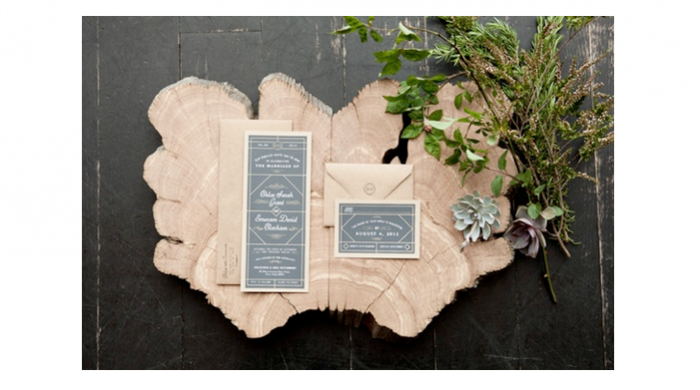
A live-edge board is one of the easiest ways to add instant character to a holiday table. Unlike a perfectly polished tray, it keeps the natural outline of the tree, creating a bridge between refined entertaining and the outdoors. Use it down the center of the table as a base for candles, greens, small bowls, bread, cheese, or appetizers.
The beauty of a live-edge piece is that it does not need much help. Add loose greenery, a few votive candles, and perhaps a small pile of figs or pears, and you have a centerpiece that feels abundant without being overdesigned. It is rustic, but not country-cliché. Modern, but not cold.
2. Loose Leafy Greens Instead of Overbuilt Centerpieces
Holiday greenery is a classic for a reason, but the Ford-inspired version is relaxed. Instead of a stiff floral arrangement, try loose eucalyptus, olive branches, cedar, pine, magnolia leaves, or whatever seasonal greenery feels right for your region. Let it trail naturally along the table, keeping it low enough for conversation.
This is important: your guests should be able to see each other. A centerpiece should not turn dinner into a game of peekaboo. Low greenery adds softness and movement while leaving room for platters, glasses, and the essential business of passing the gravy.
3. Hand-Printed Invitations and Place Cards
Small paper details can make a holiday table feel personal. Hand-printed invitations, menus, or place cards add a thoughtful note before anyone takes a bite. They do not need to be elaborate. A simple card with a guest’s name, a small seasonal illustration, or a short menu can make the setting feel considered.
This is where the “soul” comes in. Handmade or letterpress-style paper goods remind guests that the evening was planned with care. They are also practical. Place cards help avoid the classic holiday seating puzzle where three talkative cousins end up together and the quiet uncle gets trapped beside the loudest person in the room.
4. Sculptural Wood Pieces for Warmth and Height
Ford has expressed appreciation for wood turnings and sculptural wooden forms, and it is easy to see why. A turned wood bowl, pedestal, or vessel adds shape and rhythm to the table. These pieces work especially well in groupings, where different heights create a collected look.
Use wooden bowls for nuts, citrus, rolls, or wrapped sweets. A tall wooden vessel can hold branches. Smaller pieces can sit between candles and greenery. The key is to let the wood be visible. Do not bury it under decorations. The grain is the decoration.
5. Candlelight, Candlelight, and More Candlelight
No holiday table is truly soulful until the lighting softens. Candles are one of Ford’s most practical and poetic table tools. Mercury glass holders, recycled glass lanterns, brass candlesticks, votives, and tapers all work well. The goal is glow, not glare.
Use candles in varying heights, but keep tall tapers slim and spaced out so they do not block sightlines. Unscented candles are best for dining because the food should provide the fragrance. Nobody wants rosemary turkey competing with “Winter Pine Cupcake Blizzard.”
6. Indoor String Lights for a Warm Festive Mood
String lights are often used outdoors, but bringing them inside can make a holiday dinner feel magical. Instead of draping them randomly, use them with restraint. Coil a delicate strand along a sideboard, tuck battery-powered lights into greenery, or hang a few strands near the dining area for a soft background shimmer.
The trick is to avoid making the table look like a runway. Warm white bulbs are usually more elegant than flashing multicolor lights. You want “winter gathering,” not “emergency landing zone.”
Food as Decor: Rustic Crostini and Casual Abundance
One of the smartest ideas associated with Ford’s holiday entertaining style is serving simple, beautiful food that contributes to the look of the table. Crostini are a perfect example. Toasted rustic bread topped with figs, gorgonzola, honey, and thyme feels festive, seasonal, and effortless.
Food can create color, texture, and aroma in a way decorative objects cannot. A wooden board filled with crostini, roasted grapes, olives, cheeses, pears, nuts, and herbs instantly makes the table feel generous. It also gives guests something to gather around before the main meal, which is helpful if the turkey is running late and everyone is pretending not to notice.
Artisanal Flatware and Natural Serving Pieces
Flatware is often treated as background, but on a soulful holiday table, it becomes part of the design. Ford’s style favors pieces that combine function with craft: stainless steel with wooden handles, exposed rivets, forged shapes, or slightly rustic finishes. These details add weight and authenticity to the place setting.
Natural serving pieces, such as horn-inspired shapes, carved utensils, wooden spoons, ceramic servers, or hand-finished trays, bring organic movement to the table. They pair beautifully with wood and pottery because they do not feel overly polished. The best pieces look useful, beautiful, and ready to be passed from hand to hand.
Dark Ceramics Add Depth and Drama
Holiday tables often lean heavily on white, red, gold, and green. Those colors can be lovely, but dark ceramics offer something richer. A smoky black bowl, deep brown plate, charcoal serving dish, or moody glazed platter grounds the table. It creates contrast against linen, bread, greenery, candlelight, and pale food.
Handmade ceramics are especially effective because the surface is never completely uniform. A dark glaze can feel earthy and elegant at the same time. It adds depth without needing glitter, which is excellent news for anyone who has ever found holiday glitter in their home in March.
A Statement Vase or Vessel Creates the Finishing Note
A sculptural vase can give the holiday table or nearby buffet a sense of occasion. Ford’s eye for simple forms and impactful materials suggests choosing a vessel with presence rather than decoration overload. Bronze, glass, stoneware, or hand-blown glass can all work beautifully.
Keep the arrangement simple. A few branches, dried grasses, or winter stems are often enough. The vase should feel like part of the architecture of the table, not a floral thunderstorm. When in doubt, edit. A soulful table usually whispers better than it shouts.
How to Build a Brad Ford-Inspired Holiday Table Step by Step
Step 1: Start with a Calm Foundation
Use a linen tablecloth, a runner, or even a bare wood table. Neutral tones such as oatmeal, ivory, gray, mushroom, charcoal, and soft brown create a calm base. If your table has beautiful grain, leave it exposed and use placemats or a narrow runner instead.
Step 2: Add Texture Before Color
Layer linen napkins, ceramic plates, wooden boards, woven chargers, and glassware. Texture is what makes a simple palette interesting. Color can come later through greenery, fruit, food, or flowers.
Step 3: Keep the Center Low and Useful
Use greenery, candles, and serving boards as the centerpiece. Leave space for shared dishes. A holiday table should be beautiful, but it also needs to function. Guests should not have to move a decorative sculpture just to reach the cranberry sauce.
Step 4: Mix Handmade and Everyday Pieces
You do not need an entirely artisanal table. Pair handmade bowls with simple white plates. Use vintage flatware with modern glasses. Mix inherited dishes with new linens. The combination creates personality and prevents the setting from feeling too perfect.
Step 5: Finish with One Personal Detail
Add handwritten place cards, a small sprig of rosemary at each setting, a printed menu, a tiny wrapped treat, or a family recipe card. Personal details make guests feel welcomed, and that is the entire point of holiday entertaining.
Color Palette Ideas for a Soulful Holiday Table
A Brad Ford-inspired table does not rely on bright holiday colors, but it does not have to be colorless. Try one of these palettes:
- Warm neutral: ivory, oatmeal, walnut, beeswax, and soft gold.
- Modern woodland: charcoal, cedar green, natural wood, cream, and blackened metal.
- Rustic elegant: linen, bronze, dark ceramic, olive branch, and cloudy glass.
- Winter harvest: brown, fig purple, pear green, honey, and thyme.
- Quiet Christmas: evergreen, white, warm wood, candlelight, and aged brass.
The secret is limiting the palette so materials can shine. When every color competes for attention, the table becomes visual noise. When the palette is restrained, even a pear can look glamorous. A pear does not often get that opportunity, so let it enjoy the moment.
Common Mistakes to Avoid
Using Too Many Themed Decorations
A few seasonal touches are charming. Too many can feel forced. Instead of covering the table with tiny holiday figurines, use natural materials and meaningful objects. Let the season be suggested through texture, food, greenery, and light.
Blocking Conversation
Large centerpieces may look impressive in photos, but they can make dinner awkward. Keep arrangements low or place taller elements on a buffet, mantel, or side table.
Forgetting Comfort
Beautiful design should support hospitality. Make sure guests have enough elbow room, proper lighting, accessible serving pieces, and napkins that actually work. A napkin that cannot survive gravy is not a napkin. It is a decorative square with commitment issues.
Why This Look Works for Thanksgiving, Christmas, and Winter Entertaining
The beauty of this holiday table style is its flexibility. It does not depend on one holiday icon or color scheme. For Thanksgiving, lean into wood, gourds, pears, figs, nuts, and warm ceramics. For Christmas, add evergreens, candlelight, simple ornaments, and perhaps a little brass. For New Year’s Eve, keep the same foundation but introduce glass, metallic accents, and a cleaner palette.
Because the table is rooted in materials rather than trends, it can evolve from one gathering to the next. You are not buying a disposable look. You are building a vocabulary: wood, linen, clay, glow, greenery, craft, comfort. That vocabulary works year after year.
Experiences Related to “A Holiday Table with Soul: Brad Ford’s Picks”
The first time you create a holiday table with this kind of soul, you may notice something surprising: people respond differently. They slow down. They touch the linen napkin. They ask about the handmade bowl. They notice the candlelight. The table becomes more than a place to put plates; it becomes the opening scene of the evening.
One practical experience many hosts discover is that a natural, craft-forward table is easier to maintain than a highly themed one. A live-edge board can be used for appetizers in November, greenery in December, citrus in January, and bread any time people arrive hungry. Handmade ceramics do not retire after one holiday. Linen napkins become softer after washing. Wooden bowls gain patina. The table pieces begin to feel like part of the household story.
Another experience is the freedom from perfection. A soulful holiday table does not collapse if every plate is not identical. In fact, a little variation often makes it better. One year, you might use dark ceramic salad plates with white dinner plates. Another year, you might mix vintage glasses with modern flatware. The result feels collected and alive, not like a catalog page that everyone is afraid to disturb.
Hosting with this approach also changes how you shop. Instead of rushing to buy a complete holiday set, you begin looking for pieces with lasting value: a good wooden board, sturdy candleholders, simple glassware, a handmade serving bowl, linen napkins in a color that works all year. These items may not scream “holiday,” but that is exactly why they are useful. They support many occasions and allow the food, flowers, and people to bring the seasonal character.
There is also an emotional benefit. A table built with natural materials and warm light feels grounding during a busy season. Holidays can be joyful, but they can also be noisy, expensive, and over-scheduled. A calm table gives everyone a place to land. It says, without making a speech, “You are welcome here. Sit down. Eat something warm. Stay a while.” That message matters more than any centerpiece.
From a host’s point of view, the best part may be how forgiving the style is. If the greenery is slightly uneven, it looks organic. If the candles are different heights, it looks layered. If the bread board has knife marks, it looks loved. If the ceramics are irregular, they look handmade. The design celebrates evidence of life, which is useful because actual holiday dinners involve life: spills, laughter, second helpings, late arrivals, and someone who always asks where the extra chairs are.
In the end, the experience of a Brad Ford-inspired holiday table is about creating atmosphere with intention. It is not about impressing guests with excess. It is about making them feel the room has been prepared for connection. The best compliment is not necessarily “Your table looks expensive.” It is “This feels wonderful.” That is the soul partand it is the part guests remember long after dessert.
Conclusion
A Holiday Table with Soul: Brad Ford’s Picks is less about copying a designer table exactly and more about understanding the philosophy behind it. Choose natural materials. Honor handmade details. Use candlelight generously. Keep the centerpiece low, loose, and useful. Let food become part of the beauty. Add personal touches that make guests feel expected, not merely accommodated.
Brad Ford’s style reminds us that modern design does not have to be cold, and holiday decorating does not have to be loud. A soulful table can be simple, warm, elegant, and deeply memorable. When wood, linen, ceramics, greenery, and candlelight come together, the table becomes a quiet invitation: gather here, share generously, and enjoy the kind of evening that feels good before the first course is served.
Note: This article is original, web-ready content written in standard American English and synthesized from reputable design, decor, and entertaining references without inserting source links into the publishable body.