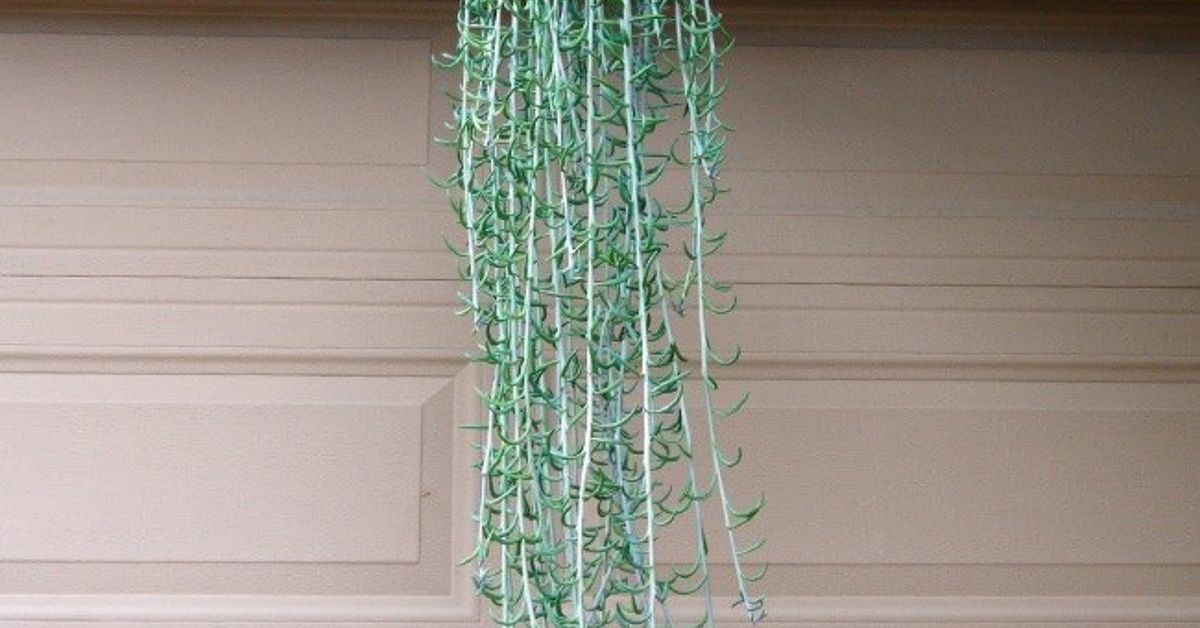
Fishhooks Senecio is the kind of houseplant that makes you look more talented than you are. It trails dramatically, forgives the occasional forgotten watering, and adds instant “I have my life together” energy to a sunny shelf or hanging basket. Also called String of Fishhooks, String of Bananas, Banana Vine, or botanically Curio radicans and Senecio radicans, this succulent is loved for its long, cascading stems lined with curved, fleshy leaves that look like tiny green hooks.
Unlike some diva houseplants that wilt if you look at them with the wrong emotional tone, Fishhooks Senecio prefers simple care: bright light, fast-draining soil, a pot with drainage, and watering only when the soil has dried. That is the magic formula. Give it those basics, and this trailing succulent will spill beautifully over the edge of its container like a botanical waterfall with better manners than most roommates.
This guide covers everything you need to know about growing Fishhooks Senecio indoors, from light and watering to propagation, pruning, troubleshooting, and real-life growing tips. Whether you are a beginner plant parent or a seasoned succulent collector with “just one more plant” syndrome, this easy-care vine deserves a prime spot in your home.
What Is Fishhooks Senecio?
Fishhooks Senecio is a trailing succulent native to southern Africa. In its natural habitat, it grows as a creeping ground cover, rooting along its stems and forming mats in dry, rocky areas. Indoors, that same growth habit makes it perfect for hanging planters, tall shelves, wall-mounted pots, and mixed succulent arrangements.
The plant belongs to the daisy family, Asteraceae, which may surprise anyone expecting daisies and instead getting a basket of dangling green fishing lures. Its leaves are thick, glossy, and curved, with a translucent “window” that helps sunlight reach the inside of the leaf. This clever feature is one reason the plant handles dry conditions so well.
You may see it sold under several names, including Senecio radicans, Curio radicans, String of Bananas, Banana Vine, Necklace Plant, and String of Fishhooks. Plant names can be messy, especially when botanists reorganize genera and leave the rest of us squinting at plant tags in garden centers. For everyday growers, the important thing is this: if the plant has trailing stems with curved, banana-like or hook-like succulent leaves, you are likely looking at the same easygoing beauty.
Why Fishhooks Senecio Is So Easy to Grow
Fishhooks Senecio is beginner-friendly because it stores water in its fleshy leaves and stems. That means it does not need constant watering. In fact, the fastest way to ruin the relationship is to love it too much with the watering can. This plant would rather be a little dry than sit in soggy soil.
It is also fast-growing compared with many succulents. With enough bright light, the stems can trail several feet long, creating a lush, cascading look. It does not require high humidity, frequent fertilizing, or complicated pruning. In a typical home, it can thrive with less fuss than tropical foliage plants that demand spa-level moisture and emotional support.
Another reason growers love it is its versatility. You can grow Fishhooks Senecio in a hanging basket, place it on a bookshelf, let it trail from a sunny windowsill, or include it in a succulent container where it softens the edges. It brings movement and texture to a room without needing a dramatic plant-care calendar.
Fishhooks Senecio Care Guide
Light Requirements
Fishhooks Senecio grows best in bright, indirect light. Indoors, an east-facing window is often ideal because it provides gentle morning sun without the harsh afternoon blast. A south- or west-facing window can also work if the plant is set slightly back from the glass or protected by a sheer curtain.
Too little light causes weak, stretched growth. The stems may become thin, and the spaces between leaves may widen. Instead of a full, lively cascade, the plant starts looking like it is reaching desperately for the sun, which, to be fair, it is.
Too much direct sun can scorch the leaves, especially if the plant has been living indoors and is suddenly moved outside. Sunburn may appear as brown, reddish, or dry patches. If you want to move it outdoors in summer, introduce it gradually to brighter conditions. Think of it like taking a pale office worker to the beach: slowly, carefully, and preferably not at noon.
Watering Fishhooks Senecio
The best watering rule is simple: water deeply, then let the soil dry out before watering again. Do not water on a fixed schedule just because the calendar says Tuesday. Your plant does not own a calendar. It responds to light, temperature, humidity, pot size, soil type, and season.
During active growth in spring and summer, Fishhooks Senecio may need water every two to three weeks, depending on conditions. In winter, when light is lower and growth slows, it may need much less. Always check the soil first. If the top half of the potting mix still feels damp, wait.
When you do water, soak the soil until water drains from the bottom of the pot. Then empty the saucer. Letting the plant sit in standing water is like giving root rot a handwritten invitation.
Best Soil for Fishhooks Senecio
Fishhooks Senecio needs a fast-draining succulent or cactus mix. Regular potting soil often holds too much moisture, especially indoors. If you already have a standard potting mix, improve drainage by adding perlite, pumice, coarse sand, or small gravel.
A good mix should hold enough moisture for roots to drink but drain quickly enough that the roots can breathe. Succulent roots need oxygen as much as they need water. Heavy, compacted, soggy soil is one of the most common reasons Fishhooks Senecio declines.
For a simple homemade blend, combine one part potting soil with one or two parts mineral material such as perlite or pumice. The exact recipe can vary, but the goal is always the same: light, airy, and quick to dry.
Choosing the Right Pot
A pot with a drainage hole is non-negotiable. Decorative cachepots are fine, but the plant itself should sit in a nursery pot or inner container that drains freely. If the outer pot collects water, remove the inner pot after watering, let it drain thoroughly, and then place it back.
Terracotta pots are excellent for Fishhooks Senecio because they are porous and help the soil dry faster. Plastic pots can also work, but they retain moisture longer, so you may need to water less often.
Avoid oversized pots. A large pot holds more soil, and more soil holds more water. Since Fishhooks Senecio has relatively fine roots, it usually performs better in a snug container rather than a giant pot where wet soil lingers for days.
Temperature and Humidity
Fishhooks Senecio enjoys average indoor temperatures and low to moderate humidity. It is not frost-tolerant, so keep it away from freezing temperatures, cold windows, and drafty doors in winter.
Most homes are comfortable for this plant. It does not need misting, pebble trays, or tropical greenhouse humidity. In fact, consistently damp air combined with low light and wet soil can encourage fungal problems. Dry household air is usually not an issue, which makes this plant a great choice for apartments, offices, and homes with forced-air heating.
Fertilizer Needs
Fishhooks Senecio is not a heavy feeder. During spring and summer, you can feed it once a month with a diluted balanced houseplant fertilizer or a fertilizer formulated for succulents. Use half strength to avoid overdoing it.
Skip fertilizer in fall and winter when growth slows. Fertilizing a resting succulent is like serving a five-course meal to someone who is already asleep. It is unnecessary, and nobody benefits.
How to Propagate Fishhooks Senecio
Propagation is one of the best things about Fishhooks Senecio. Stem cuttings root easily, making this plant perfect for sharing with friends, filling out a sparse pot, or creating backup plants in case your main one has a bad week.
Step-by-Step Propagation
Start by cutting a healthy stem that is at least 4 to 6 inches long. Use clean scissors or pruning shears. Remove a few leaves from the lower part of the cutting so that the bare stem can sit against the soil.
Let the cutting rest for a few hours or overnight so the cut end can callus slightly. This helps reduce the risk of rot. Then lay the stem on top of a lightly moist succulent mix or tuck the bare end into the soil. Because Fishhooks Senecio can root along its stems, even a strand resting on soil may produce roots at the nodes.
Place the pot in bright, indirect light. Keep the soil slightly moist but never soggy while roots form. Once you see new growth or feel gentle resistance when tugging lightly, the cutting has rooted. After that, water it like a mature plant.
Pruning and Training a Trailing Succulent
Fishhooks Senecio can grow long, trailing stems, and that is part of its charm. However, occasional pruning keeps the plant fuller and prevents it from becoming stringy. The best time to prune is during spring or summer when the plant is actively growing.
Trim overly long stems just above a leaf node. New growth can branch from that area, giving the plant a denser look. Do not throw away the cuttings unless you enjoy wasting free plants, which would be a botanical tragedy. Propagate them instead.
If the top of the pot looks bare but the ends are lush, coil a few healthy stems back onto the soil surface and pin them gently with a bent paper clip or plant pin. The nodes can root where they touch the soil, helping fill in the crown of the plant.
Common Problems and How to Fix Them
Yellow, Mushy Leaves
Yellow or mushy leaves usually mean overwatering. Check the soil and roots. If the mix is wet and the plant smells unpleasant or the stems are soft near the base, root rot may be starting. Remove healthy cuttings and propagate them as insurance. Then repot the main plant into fresh, dry, well-draining soil if the roots are still salvageable.
Shriveled Leaves
Shriveled leaves can mean the plant is thirsty, especially if the soil is completely dry and the leaves feel wrinkled. Water thoroughly and watch for improvement over the next few days. However, shriveling can also happen when roots have rotted and can no longer absorb water. That is why checking soil moisture and root health matters.
Leggy Growth
If the stems are stretched with large gaps between leaves, the plant needs more light. Move it closer to a bright window or add a grow light. Rotate the pot regularly so all sides receive even light and the plant does not grow in one dramatic direction like it is trying to escape.
Brown or Red Patches
Brown or reddish leaves may be caused by too much direct sun, especially after a sudden move outdoors. Relocate the plant to bright shade or filtered light. Damaged leaves will not fully heal, but new growth should look healthier.
Mealybugs, Aphids, Scale, and Spider Mites
Fishhooks Senecio is generally low-maintenance, but pests can appear. Mealybugs look like tiny white cottony clumps. Aphids may gather on tender new growth. Scale can look like small bumps attached to stems, while spider mites may leave fine webbing and speckled leaves.
Isolate the plant if pests appear. Remove visible insects with a cotton swab dipped in rubbing alcohol, rinse the plant gently, and use an insecticidal soap labeled for houseplants if needed. Repeat treatment because pests are annoyingly committed to their hobbies.
Is Fishhooks Senecio Toxic?
Fishhooks Senecio should be kept away from pets and small children. Many Senecio and Curio plants are considered unsafe if ingested, and this plant is best treated with caution. Hang it high, place it on a tall shelf, or choose a pet-safe alternative if your cat believes every dangling vine is a salad bar with entertainment value.
Best Ways to Display Fishhooks Senecio
This plant was practically designed for height. A hanging basket lets the stems cascade naturally, while a wall planter can turn it into living decor. It also looks excellent on a bookcase, floating shelf, plant stand, or sunny kitchen window.
For a modern look, pair Fishhooks Senecio with a simple white or matte ceramic pot. For a warmer style, use terracotta or woven hangers. In mixed succulent containers, plant it near the edge so the stems can spill over and soften the arrangement. Its curved leaves contrast beautifully with rosette succulents, upright cacti, and compact echeverias.
Seasonal Care Tips
Spring
Spring is the best season for pruning, repotting, and propagation. As light increases, the plant wakes up and begins producing new growth. Check whether the roots have filled the pot, refresh old soil if needed, and start light fertilizing.
Summer
Summer growth can be fast if the plant receives bright light. Water more often than in winter, but still let the soil dry first. If moving the plant outdoors, acclimate it slowly and protect it from harsh afternoon sun.
Fall
As days shorten, growth begins to slow. Reduce watering gradually and stop fertilizing. Bring outdoor plants inside before temperatures drop too low.
Winter
Winter is the season of restraint. Give the plant as much bright light as possible, water sparingly, and avoid repotting unless there is an emergency. The goal is to maintain the plant, not push heavy growth during low-light months.
Real Growing Experiences: What Fishhooks Senecio Teaches You
Growing Fishhooks Senecio is a funny little lesson in plant care because it rewards patience more than constant attention. Many people bring home their first trailing succulent and immediately want to “help” it. They water it, mist it, move it around, fertilize it, check it every morning, and basically treat it like a tiny green celebrity. Then the plant gets mushy, drops leaves, or starts looking miserable. The big discovery is that Fishhooks Senecio does not want to be fussed over. It wants a sunny place, a dry spell between drinks, and the dignity of not being drowned by enthusiasm.
One common experience is learning how much light matters. A Fishhooks Senecio placed too far from a window may stay alive for a while, but it often becomes thin and awkward. The stems stretch, the leaves grow farther apart, and the plant loses that plump, cascading look. Move it closer to bright light, and the change can be dramatic. New growth comes in tighter and healthier. It is like the plant finally stopped whispering “help” and started singing.
Another lesson is that watering is not about frequency; it is about observation. A plant in a small terracotta pot near a sunny window may dry quickly. A plant in a plastic hanging pot across the room may stay damp much longer. Two Fishhooks Senecios in the same house can have different watering needs. The best growers learn to check the soil, feel the weight of the pot, and read the leaves. Plump leaves usually mean the plant has enough moisture stored. Wrinkled leaves may signal thirst. Mushy leaves are a warning sign that the roots are getting too much water.
Propagation is where many growers fall in love with this plant. A single healthy strand can become a new pot, and cuttings often root with very little drama. If the top of the plant becomes bare, coiling strands over the soil can encourage new rooting and create a fuller appearance. This is especially useful for hanging baskets, where growth sometimes looks lush at the ends but thin at the crown. Instead of starting over, you can reshape the plant slowly using its own stems.
Fishhooks Senecio also teaches the value of pruning without fear. Beginners often hesitate to cut a trailing plant because every strand feels precious. But trimming long, tired stems can encourage branching and make the whole plant look fresher. The cut pieces can become new plants, so pruning feels less like damage and more like multiplication. It is basically plant math, but pleasant.
For indoor styling, the plant is happiest when function and beauty meet. A hanging planter near a bright window works beautifully, but it must be easy to reach for watering. A gorgeous pot without drainage may look good for a week and cause problems for months. The best display is one that lets the plant drain well, receive enough light, and trail freely without getting bumped every time someone opens a cabinet.
The most satisfying experience is watching the plant settle into a rhythm. You stop guessing. You notice when the soil dries faster in summer, when growth slows in winter, and when the plant needs a quick trim. Fishhooks Senecio becomes less of a mystery and more of a low-maintenance companion. It does not demand perfection. It simply asks you not to overwater it, not to hide it in a dark corner, and not to let the cat use it as dental floss. Fair terms, honestly.
Conclusion
Fishhooks Senecio is one of the easiest trailing succulents to grow because it combines drought tolerance, fast growth, simple propagation, and gorgeous cascading stems. Give it bright, indirect light, a well-draining succulent mix, a pot with drainage, and careful watering, and it will reward you with long green strands that bring life and movement to your space.
This is not a plant that needs constant pampering. In fact, it thrives when you learn the fine art of leaving it alone at the right times. For beginners, it is a forgiving introduction to succulents. For collectors, it is a reliable trailing plant that looks beautiful in almost any display. Easy, stylish, and just quirky enough to be memorable, Fishhooks Senecio deserves its reputation as a houseplant favorite.