Note: This article is written in HTML body format for web publishing. It synthesizes current U.S. guidance on public-land camping, pet travel safety, heat awareness, campground etiquette, and responsible road life.
The Sequel Nobody Asked For, But My Dog Approved
Living in a truck with a dog sounds wildly romantic until you are brushing your teeth behind a gas station at sunrise while your four-legged co-pilot judges your technique from the passenger seat. Welcome to Part 2 of the rolling circus: one human, one dog, one truck, too many granola-bar crumbs, and an ever-changing backyard that may include deserts, forests, mountain passes, beach towns, and the occasional parking lot with suspiciously bright lights.
Truck life with a dog is not just about chasing sunsets and posting dramatic captions like “home is where the parking brake is.” It is a practical lifestyle built on planning, flexibility, weather awareness, pet safety, and knowing when your dog needs a trail, a nap, or a snack with the emotional urgency of a Supreme Court case. Traveling across the country in a truck can be freeing, but doing it with a dog means every choice has a second heartbeat attached to it.
Public lands, campgrounds, national parks, small towns, and long highways each come with their own rhythm. Many national park areas require pets to be physically controlled, often with a leash no longer than six feet, and pet rules vary by park and trail access. On Bureau of Land Management land, dispersed camping is often allowed where not posted closed, but stay limits are commonly around 14 days within a 28-day period, depending on the field office. That means the dream is real, but it comes with fine print. Luckily, so does almost everything worth doing.
Truck Life Is Freedom, But Freedom Has a Maintenance Schedule
The first lesson of living in a truck is that “simple living” is not always simple. It is smaller, yes. Cheaper sometimes. More flexible, absolutely. But simple? Only if you consider rearranging your entire home to find one missing sock a spiritual practice.
A truck home needs zones. The sleeping area must stay dry and comfortable. The dog’s bed needs a consistent place because dogs, unlike humans, do not enjoy “minimalist chaos.” Food storage should be sealed, water should be easy to reach, and emergency gear should not be buried under three hoodies, a camp chair, and the dog’s toy collection, which somehow grows faster than the national debt.
For anyone dreaming about truck camping with a dog, the most useful setup is not always the fanciest. A reliable sleeping platform, ventilation, window covers, organized storage bins, a cooler or fridge, a first-aid kit, extra water, and a plan for bad weather matter more than decorative string lights. String lights are nice, but they do not help when you discover your campsite is windy enough to exfoliate your face with dust.
My Dog Is Not a Passenger; He Is Management
When you travel with a dog, you are never really alone. You have a roommate, security system, hiking buddy, emotional support potato, and tiny scheduling manager who believes breakfast should happen immediately after your eyelids move.
Road life changes when your dog is part of every decision. You do not just ask, “Where do I want to go today?” You ask, “Is it too hot there? Are dogs allowed on the trail? Is there shade? Is there fresh water? Is the pavement going to fry paws like tiny pancakes? Is there a vet nearby? Will my dog bark at a statue and embarrass us both?”
Pet-safe travel is serious. The CDC and National Weather Service warn that pets should never be left in parked vehicles because interior temperatures can become dangerous quickly. The ASPCA also advises keeping pets hydrated, avoiding hot asphalt, and never leaving animals alone in parked cars. In truck life, heat management is not a casual detail. It is the difference between a good day and an emergency.
Driving Days: The Art of Moving Without Melting Down
A long driving day with a dog requires rhythm. I like to plan around shorter driving blocks, regular breaks, and places where my dog can stretch, sniff, and update the neighborhood database with his nose. A tired dog is a peaceful dog, but an overstimulated dog becomes a furry tornado with opinions.
Safe restraint matters too. AAA recommends securing pets in the back seat to reduce driver distraction and protect both the animal and passengers in a collision. The FDA, citing AVMA guidance, also notes that pets are safest in the back seat when properly restrained in a crate, carrier, or safety harness. Cornell veterinary guidance similarly recommends planning ahead and using crash-tested restraints or travel crates when possible.
That may sound less cinematic than a dog hanging its head out the window like a golden retriever in a truck commercial, but real road life is not a commercial. It includes sudden braking, distracted drivers, gravel roads, and the mysterious ability of one dog hair to appear in a sealed water bottle. Safety wins.
Finding Places to Sleep Without Becoming a Local Legend
One of the biggest questions people ask is, “Where do you sleep?” The honest answer is: it depends. Public lands, developed campgrounds, private campgrounds, rest areas where allowed, friends’ driveways, and occasional paid sites all become part of the map. The key is knowing the rules before getting comfortable.
Dispersed camping on national forest land can offer beautiful, low-cost nights under the stars, but it also comes with responsibilities. The U.S. Forest Service explains that dispersed camping means camping outside developed campgrounds, and dogs may be welcome on national forest lands while still needing leashes in developed recreation sites. Campers should use existing sites when possible, manage waste properly, and avoid damaging vegetation or water sources.
Campgrounds have their own etiquette. KOA’s pet guidance, for example, emphasizes leashes and not leaving tethered dogs unattended. That is not just rulebook poetry. It is how everyone gets to enjoy the space without someone else’s dog turning breakfast into an obstacle course.
The Dog Gear That Actually Earns Its Space
Space is limited in a truck, so every item has to justify its existence. My dog does not need a luxury wardrobe, though he would look stunning in a tiny fleece vest and probably knows it. What he does need is practical gear that makes travel safer and calmer.
Essentials for Truck Life With a Dog
The most useful items include a sturdy leash, backup leash, collar with ID, harness, collapsible water bowls, extra water, familiar bedding, waste bags, tick remover, pet first-aid supplies, paw balm or boots for rough terrain, vaccination records, and enough regular food to avoid sudden diet changes. PetMD recommends bringing medical and vaccine records on longer car trips and keeping familiar items like food, bowls, toys, and a leash on hand.
I also keep a towel that has survived rain, mud, lake water, and one deeply regrettable roll in something my dog considered “perfume.” A dog towel is not a towel. It is a diplomatic tool between the outdoors and your sleeping bag.
Weather Runs the Trip, Not the Itinerary
Truck travel teaches humility. You may think you are heading west, but then a heat wave, wildfire smoke, snowstorm, wind advisory, or thunderstorm looks at your plan and laughs like a movie villain.
With a dog, weather decides everything. Hot days mean early walks, shade, water, and avoiding pavement. Cold nights mean insulation, bedding, and watching for signs your dog is uncomfortable. Thunderstorms may mean skipping exposed campsites and choosing safer shelter. CDC lightning safety guidance recommends postponing outdoor activities when thunderstorms are forecast or making sure safe shelter is available.
There is no shame in changing plans. In fact, changing plans is the plan. The best road travelers are not the ones who force the itinerary; they are the ones who can look at a weather map and say, “Congratulations, Utah, we will admire you next week.”
National Parks Are Beautiful, But Dog Rules Matter
National parks are famous for a reason. They are dramatic, historic, scenic, and occasionally so crowded that finding a parking space feels like competing in a wilderness-themed game show. But dog access is often limited, especially on trails, in backcountry areas, and around sensitive wildlife habitats.
Many parks allow dogs in developed areas, campgrounds, paved roads, or specific trails, but rules vary widely. National Park Service pet pages commonly emphasize leashes, waste cleanup, and protecting wildlife, visitors, and pets. Before visiting, I check each park’s pet policy instead of assuming my dog can go everywhere. Spoiler: he cannot. He has accepted this with the emotional maturity of a toddler denied a cookie.
When dogs are not allowed on a trail, it is not personal. It is usually about wildlife protection, fragile ecosystems, safety, or visitor experience. The responsible move is to find dog-friendly alternatives nearby: national forests, state parks, local trails, scenic drives, or pet-friendly campgrounds.
Leave No Trace, Even When Your Dog Thinks Everything Is His
Dogs are wonderful, but they are not naturally low-impact travelers. They sniff, dig, splash, chase smells, and occasionally act like every campsite is their private kingdom. That is why Leave No Trace habits matter.
Responsible dog travel means packing out waste, staying on durable surfaces, respecting leash rules, preventing wildlife harassment, and keeping food secure. The Forest Service reminds campers that not everyone loves your dog as much as you do, which is both practical advice and a sentence my dog would like to appeal.
Picking up dog waste is not glamorous, but neither is stepping in it while trying to enjoy a sunrise. A good rule is simple: leave the campsite cleaner than you found it, even if that means removing someone else’s trash. Your dog may not understand civic responsibility, but he will enjoy the walk to the trash bin.
The Emotional Side of Living Small
People often focus on the scenery: the canyons, lakes, forests, desert sunsets, and mountain roads. Those are real. They are also only half the story. Living in a truck can be lonely, inconvenient, and occasionally absurd. You will miss showers that do not require tokens. You will miss standing up indoors. You will miss having a refrigerator larger than a shoebox.
But there is something powerful about waking up somewhere new and watching your dog experience it without comparison or complaint. Dogs do not care if the campsite is famous. They care if it smells interesting. They do not rank sunsets. They simply sit beside you, ears moving in the wind, fully present in a way humans keep trying to learn from podcasts.
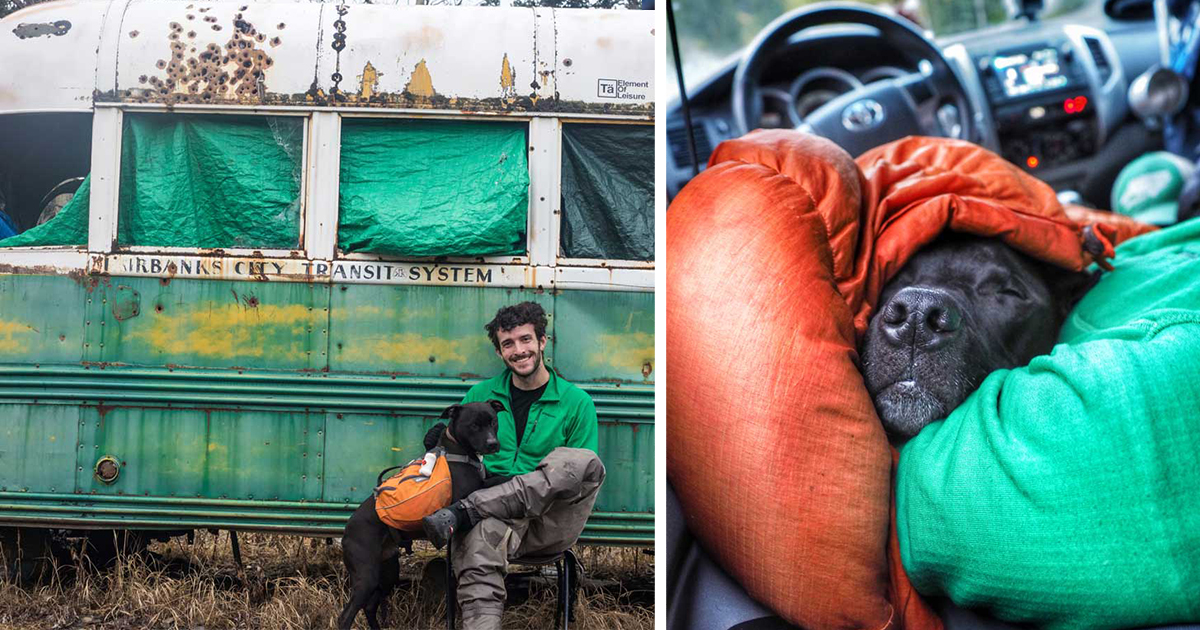
Traveling with a dog turns the country into a series of small rituals: morning walks, water breaks, dinner under the tailgate, quiet evenings, and the soft sound of paws shifting in sleep while the truck cools down after a long drive.
Money, Food, Fuel, and the Reality Behind the Pretty Photos
Truck life can be budget-friendly, but it is not free. Fuel, maintenance, insurance, food, laundry, campsite fees, park passes, emergency repairs, and pet care all add up. The truck is both home and transportation, which means when something breaks, your house has a check-engine light.
I plan fuel stops, track spending, cook simple meals, and avoid unnecessary driving loops. My dog’s food gets priority storage because changing his diet suddenly is a fast road to digestive chaos, and nobody wants digestive chaos in a small living space. Nobody.
Veterinary planning is also part of the budget. Before longer trips, it helps to make sure vaccines, medications, flea and tick prevention, and identification are current. PetMD suggests checking with a veterinarian before big trips and locating emergency veterinary offices along the route. This is not the exciting part of travel, but it is the part that keeps adventures from turning into panicked searches in towns where everything closes at 6 p.m.
How I Keep My Dog Comfortable in a Tiny Home on Wheels
Dogs love routine, and truck life is basically routine wearing hiking boots. To keep my dog grounded, I keep meals consistent, make his bed available, use familiar commands, and build predictable stops into the day. Even when the scenery changes, the rhythm stays recognizable.
After a drive, we walk before I do anything else. Before a hike, I check the ground temperature, weather, and trail rules. At camp, I set up his water first. At night, he gets his usual sleeping spot. These small patterns tell him, “We are home,” even when home has changed ZIP codes again.
That is the secret: the truck is not home because of the build. It is home because it works for both of us.
Extra Road Experiences From Truck Life With My Dog
One of my favorite mornings happened in the desert, where the air was cool enough to make coffee taste heroic and the sky turned pink before my dog even finished investigating one extremely important bush. We had parked on public land the night before, far from the highway but close enough to a dirt road that I could leave without pretending my truck was a mountain goat. The sunrise came slowly, and for once, nothing needed fixing. No gear had fallen over. No water bottle had leaked. No mysterious smell demanded investigation. My dog sat beside me like he owned the horizon, which, legally speaking, he probably believed he did.
Another day, in a rainy mountain town, we spent hours inside the truck waiting out weather. This is when truck life becomes less Instagram and more Tetris. Wet jacket on one hook. Damp towel near the door. Dog curled on the bed. Human folded into a position not approved by chiropractors. The rain drummed on the roof while I made instant noodles and my dog stared at every bite with the solemn disappointment of a food critic. It was cramped, yes, but also cozy in a way that regular houses rarely are. A small space makes every sound part of the room.
Then there are the funny moments: my dog barking at a plastic bag like it owed him money, refusing to cross a tiny stream after confidently climbing rocks twice his size, or choosing the exact moment I finished cleaning the truck to bring in half the forest on his paws. Travel with a dog teaches patience because dogs do not care about your schedule. They care about smells, comfort, snacks, safety, and whether that squirrel had suspicious intentions.
The hardest days are usually not dramatic. They are hot afternoons when every plan changes, or nights when a campsite feels wrong and I move even though I am tired. They are laundromat days, repair days, crowded-town days, and days when I miss ordinary conveniences. But the good days outnumber them. A quiet lake. A dog-friendly trail. A stranger who smiles because your dog is wearing a bandana. A perfect parking spot under cottonwoods. A meal cooked on the tailgate while your dog naps in the shade.
Part 2 of this life feels less like escape and more like practice. I am learning how to travel slower, choose better, carry less, and notice more. My dog helps. He reminds me to stop walking when there is something worth smelling, which is his version of mindfulness. Mine usually involves coffee. Together, we make a decent team: I read maps, he reads scents, and somehow we keep finding places that feel like home for a night.
Conclusion: The Road Is Better With Paw Prints
Living in my truck with my dog and traveling across the country is not a permanent vacation. It is a lifestyle built from planning, patience, responsibility, and a willingness to laugh when the dog steals your sleeping bag. The road offers freedom, but it asks for respect: respect for public lands, local rules, weather, wildlife, other campers, and the animal trusting you from the passenger seat.
The best part is not the mileage. It is the partnership. Every state line, every trailhead, every camp breakfast, every rainy rest day becomes part of a shared story. My truck may be small, but the life it carries feels huge. And as long as my dog is watching the road ahead with ears perked and tail ready, Part 2 still feels like the beginning.