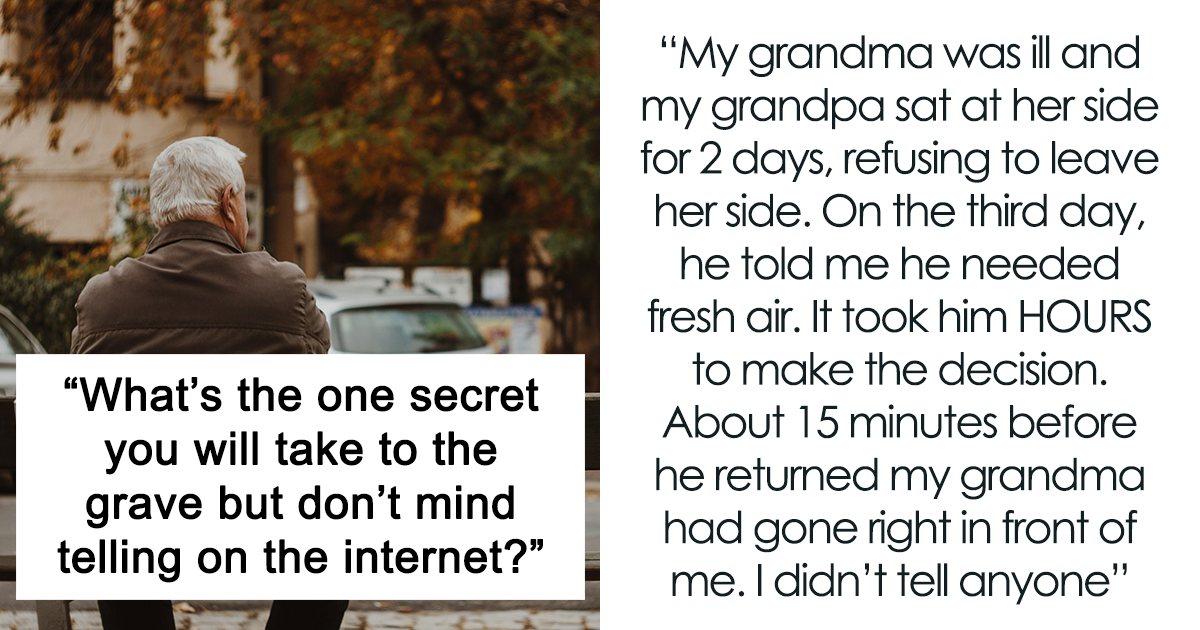
There is a strange little magic trick happening on the internet every day. A person who can barely tell their roommate, spouse, parent, or best friend what is really going on will open an app, choose a username like “throwaway_pancake_92,” and confess the kind of secret that could make a Thanksgiving dinner go completely silent.
Why do people trust strangers online with their deepest secrets? Because online spaces can feel oddly safe. A stranger has no history with you, no family gossip network, no awkward eye contact, and no holiday party where they might accidentally say, “So, how’s that secret bankruptcy going?” The screen creates distance. Distance creates courage. And courage, sometimes, comes with a Wi-Fi signal.
But this habit is not all harmless drama. Online confession culture sits at the intersection of anonymity, loneliness, curiosity, shame, support, and privacy risk. People use forums, anonymous apps, mental health communities, social media groups, comment sections, and direct messages to say things they have hidden for years. Sometimes it helps. Sometimes it backfires. Sometimes a stranger offers better advice than a cousin who still thinks “the cloud” is actual weather.
This article explores 41 shocking secrets people often reveal to strangers online but keep from everyone else, why those secrets come out more easily on the internet, and how to share personal experiences without handing your private life to scammers, stalkers, data brokers, or the internet’s unofficial committee of judgment.
Why People Confess to Strangers Online
Online strangers can feel safer than real-life confidants because they come without social consequences. If a friend judges you, the relationship may change. If a coworker finds out, your reputation might wobble. If a family member hears the wrong thing, suddenly every aunt within a 200-mile radius becomes a breaking-news reporter. Anonymous online sharing lowers that emotional price.
Psychologists often describe this as online disinhibition: people may disclose more intensely online than they would face-to-face. The reasons are easy to understand. You can write at midnight, edit your words, avoid eye contact, and disappear after posting. The internet lets people test the truth before bringing it into real life.
There is also the powerful need to be witnessed. Secrets are heavy because they are carried alone. When someone posts, “I have never told anyone this,” they are often asking for more than attention. They may be asking, “Am I still normal? Am I still worthy? Has anyone else survived this?” A kind stranger can provide a moment of relief, especially when the secret involves shame, grief, identity, money, addiction, health, or relationship trouble.
The 41 Shocking Secrets People Tell Strangers Online
1. Secret Debt
Many people admit online that they are drowning in credit card bills, payday loans, medical debt, student loans, or unpaid taxes. They may hide it from partners or parents because money shame can feel like wearing a neon sign that says, “I made bad choices,” even when the real story is illness, job loss, inflation, or bad luck.
2. Relationship Doubts
People often ask strangers whether they should stay, leave, forgive, or run like their sneakers are sponsored. Online communities become unofficial relationship courts where strangers analyze texts, red flags, tone, timing, and the emotional meaning of a forgotten anniversary.
3. Infidelity
Some confess they cheated. Others reveal they were cheated on but have told no one. The internet becomes the first place they say the ugly thing out loud because real-life confession could destroy a marriage, friendship group, or carefully polished public image.
4. Hidden Crushes
From office crushes to feelings for a friend’s partner, hidden attraction is a classic anonymous confession. People want to know whether the feeling is harmless, dangerous, or simply the emotional equivalent of touching a hot stove while saying, “Maybe it won’t burn this time.”
5. Family Resentment
Many users reveal that they resent a parent, sibling, adult child, or in-law. These posts can be raw because family loyalty often pressures people to pretend everything is fine, even when the emotional furniture is on fire.
6. Childhood Trauma
Survivors may share painful childhood experiences with strangers before telling anyone close to them. Anonymous spaces can feel like a first step toward naming what happened without having to manage another person’s shock, denial, or discomfort.
7. Mental Health Struggles
Depression, anxiety, panic attacks, intrusive thoughts, bipolar symptoms, burnout, and loneliness are frequently disclosed online. For many, typing “I am not okay” to strangers feels easier than saying it at the dinner table between “pass the potatoes” and “how’s work?”
8. Addiction
Alcohol, gambling, drugs, pornography, shopping, gaming, and social media addiction are commonly confessed in anonymous forums. People often seek advice before they are ready to involve loved ones, especially if they fear disappointment or confrontation.
9. Eating Disorders and Body Shame
Some people reveal unhealthy eating patterns, body image struggles, or compulsive exercise habits online because these topics are deeply personal and often misunderstood. A supportive community can encourage help, but unsafe groups can also reinforce harmful behaviors.
10. Secret Health Symptoms
People often describe symptoms they are too embarrassed to mention to a doctor, partner, or family member. Online searching may offer reassurance, but it should never replace professional care when symptoms are severe, persistent, or alarming.
11. Sexual Insecurities
Questions about desire, performance, orientation, intimacy, and embarrassment are common because the internet offers privacy. People may feel safer asking strangers than risking an awkward conversation with someone who knows their full legal name.
12. Gender Identity Questions
Some people first explore gender identity in anonymous communities. They may be looking for language, support, stories, or simple permission to wonder. The internet can become a quiet dressing room for the self.
13. Sexual Orientation
Before coming out to family or friends, many people talk to strangers online. Anonymous sharing can help them process fear, hope, rejection, safety, and the practical realities of telling people in their offline lives.
14. Regret About Parenthood
Few confessions are more taboo than “I love my child, but I regret becoming a parent.” Online spaces often become the only place people admit the exhaustion, identity loss, guilt, and grief that can come with parenthood.
15. Fertility Struggles
Infertility, miscarriages, failed treatments, and pregnancy fears are often shared anonymously. People may not want relatives asking for updates, offering miracle advice, or saying something accidentally painful at brunch.
16. Secret Pregnancy
Some users reveal a pregnancy before telling a partner or family. They may be scared, unsure, excited, or completely overwhelmed. Strangers become a temporary sounding board while real life waits outside the door.
17. Doubts About Marriage
People admit online that they married too young, chose the wrong person, or feel trapped. These confessions often include fear of financial fallout, children, religious expectations, or disappointing everyone who bought wedding gifts.
18. Workplace Misery
Many employees tell strangers they hate their job, distrust their boss, feel underpaid, or are quietly planning an escape. Anonymous career forums are full of people whispering digitally from cubicles of despair.
19. Impostor Syndrome
People who look successful offline often confess online that they feel fake, unqualified, or terrified of being exposed. This secret is especially common among students, professionals, creators, entrepreneurs, and anyone whose LinkedIn profile looks calmer than their nervous system.
20. Secret Job Searching
People reveal plans to quit, move industries, or apply elsewhere before telling anyone at work. Online strangers can advise on resumes, interviews, salary negotiation, and how not to scream “I’m leaving” during a staff meeting.
21. Salary Secrets
Many people ask strangers whether they are underpaid because discussing salary remains awkward in many workplaces. Anonymous sharing can expose pay gaps and help workers understand their market value.
22. Legal Trouble
Some users reveal lawsuits, arrests, custody disputes, immigration worries, or contract problems. While online support can reduce panic, legal advice from strangers should be treated like gas station sushi: maybe available, but not your safest option.
23. Embarrassing Habits
Secret hygiene routines, strange rituals, procrastination spirals, messy homes, and private quirks appear constantly online. People ask, “Is this normal?” and strangers reply with the comforting chaos of humanity.
24. Revenge Fantasies
People sometimes admit they imagine revenge against an ex, boss, bully, or family member. Healthy spaces redirect those feelings toward boundaries, therapy, documentation, or walking away instead of becoming the villain in a true-crime podcast.
25. Jealousy
Jealousy is hard to admit because it sounds petty, even when it is painful. Online, people confess envy of friends, siblings, coworkers, influencers, or partners’ past relationships.
26. Loneliness
One of the most common secrets is simple: “I have no one.” People who appear social offline may privately feel disconnected. Anonymous communities can offer a small but meaningful reminder that loneliness is widespread, not a personal defect.
27. Grief They Cannot Discuss
Grief can make others uncomfortable after the first wave of condolences fades. Online, people continue talking about a lost parent, partner, pet, friend, pregnancy, dream, or former version of themselves.
28. Religious Doubt
People often confess spiritual uncertainty online before telling their families or faith communities. They may fear rejection, judgment, or being treated like a group project for everyone’s prayers.
29. Political Beliefs
Some people reveal political opinions anonymously because they differ from their family, workplace, partner, or community. In polarized environments, a secret ballot can feel safer than a public conversation.
30. Secret Wealth
Not all secrets are tragic. Some people hide inheritances, savings, investments, or high salaries because they fear requests for money, resentment, or changed relationships.
31. Secret Poverty
Others hide poverty behind normal-looking photos, borrowed clothes, or polite excuses. Online strangers may be the first to learn that someone is skipping meals, behind on rent, or afraid to open bills.
32. Personal Hygiene Struggles
Depression, disability, trauma, or executive dysfunction can make hygiene difficult. People ask strangers for practical advice because shame keeps them from asking loved ones.
33. Parenting Mistakes
Parents confess yelling, resentment, screen-time guilt, favoritism fears, or moments they wish they could redo. Anonymous posts can become a pressure valve before guilt turns into silence.
34. Academic Failure
Students admit failing classes, lying about grades, losing scholarships, or feeling unable to continue. Online advice can help them plan next steps without first facing family disappointment.
35. Identity Theft or Scam Victimization
Victims of scams often confess online before telling relatives because embarrassment is powerful. The truth is that scammers are skilled manipulators, and shame only protects the scammer.
36. Secret Online Relationships
People reveal emotional affairs, long-distance romances, parasocial attachments, and friendships their offline world does not understand. The internet can create intimacy fast, sometimes faster than judgment can catch up.
37. Regret Over a Big Life Choice
People confess regret about degrees, careers, moves, marriages, children, homes, and major purchases. A stranger’s distance can help them separate temporary panic from a decision that truly needs changing.
38. Fear of Aging
Many people admit they are afraid of becoming invisible, losing health, losing beauty, or running out of time. These fears can sound vain offline, but online they often receive compassionate honesty.
39. Secret Anger
People reveal anger they cannot express at home or work. Anonymous writing can be a healthier first draft, as long as it leads to reflection rather than harassment, threats, or digital explosions.
40. Feeling Like a Bad Person
Some confessions are less about actions and more about identity. People ask strangers, “Am I terrible for feeling this?” Often, the answer is not simple, but being able to ask is the first step toward accountability or healing.
41. The Secret Desire to Start Over
Many people confess that they want to disappear, move away, change names, quit everything, or become someone new. Usually, they do not want destruction. They want relief. They want a life that fits better than the one they are wearing.
The Hidden Benefits of Sharing Secrets Online
Anonymous disclosure can offer real emotional benefits. People may receive support, learn vocabulary for what they are experiencing, find resources, compare experiences, and feel less alone. Online support groups can be especially meaningful for people with rare illnesses, stigmatized conditions, limited mobility, rural isolation, or family environments where honesty is not safe.
Sometimes, strangers are useful precisely because they are not invested in the outcome. A friend may tell you what protects the friendship. A parent may react from fear. A partner may take it personally. A stranger can say, “That sounds unhealthy,” or “You need a doctor,” or “You are blaming yourself for something that was not your fault.”
But online confession should be treated as a first step, not the whole staircase. A supportive thread is not therapy. A comment section is not a courtroom. A stranger with confidence is not automatically correct. The best online communities encourage people to seek professional help, protect their privacy, and take thoughtful action offline.
The Privacy Risks Nobody Should Ignore
The internet remembers more than people expect. A post can be copied, screenshot, indexed, shared, archived, or connected to other details. Even when a username is anonymous, patterns can reveal identity: location, job, age, family structure, rare medical condition, specific timeline, writing style, and personal photos.
Personal information is valuable. Scammers use emotional disclosures to build trust, impersonate helpers, push fake investments, request money, steal identities, or move conversations into private channels. Oversharing can also create safety risks if someone reveals routines, addresses, school names, workplace details, or conflicts with identifiable people.
A good rule is simple: share feelings more freely than identifiers. You can say, “I am struggling with debt,” without listing your bank, city, employer, exact salary, and the name of your dog’s first-grade teacher. The internet does not need enough information to reset your password.
How to Share Safely Without Locking Yourself in an Emotional Basement
First, remove identifying details. Change names, locations, dates, ages, professions, and minor facts that do not affect the main issue. Second, avoid posting documents, faces, addresses, license plates, medical records, financial screenshots, or private messages without redacting them carefully.
Third, be skeptical of anyone who moves too fast. If a stranger immediately offers romance, money, legal help, miracle cures, investment advice, or secret knowledge, pause. Genuine support does not usually require your Social Security number, wire transfer, banking login, or private photos.
Fourth, choose the right space. Moderated forums, reputable support communities, and topic-specific groups are usually safer than chaotic comment sections. Look for clear rules, active moderation, privacy guidance, and a culture that discourages cruelty, doxxing, and dangerous advice.
Finally, know when to move offline. If a secret involves self-harm, abuse, medical symptoms, legal consequences, addiction, violence, or serious mental distress, online strangers can offer encouragement, but trained professionals and trusted real-life support matter. The goal is not to confess forever. The goal is to heal, decide, protect yourself, and live with less fear.
Experiences Related to Trusting Strangers Online With Secrets
Almost everyone who has spent time online has seen the pattern. A post begins with a sentence like, “I can’t tell anyone in my real life,” and suddenly thousands of strangers gather around the digital campfire. Some bring wisdom. Some bring jokes. Some bring terrible advice with the confidence of a man explaining childbirth after watching one documentary. Still, the poster often walks away feeling lighter because the secret is no longer sealed inside their chest.
One common experience is the “test confession.” A person reveals a small piece of the truth online before telling someone close to them. For example, someone might write, “I think I need to leave my job, but I feel guilty,” and read the responses to understand whether their feelings are reasonable. The comment section becomes a rehearsal room. They practice saying the truth, watch how people respond, and slowly build the courage to have the real conversation.
Another experience is finding people with the same hidden struggle. A person who believes they are the only one dealing with debt, grief, anxiety, infertility, family estrangement, or identity confusion may discover an entire community of people saying, “Me too.” That moment can be powerful. Shame thrives in isolation, but it weakens when people realize their pain has company. The best online spaces do not make the problem disappear, but they do make it feel survivable.
There is also the experience of being understood by someone who has no reason to flatter you. Real-life friends may soften the truth. Family members may panic. Partners may become defensive. A stranger can sometimes offer a cleaner mirror. They might say, “You are minimizing this,” or “That sounds like emotional abuse,” or “You need to apologize,” or “Please call a professional.” Honest feedback from someone outside the situation can cut through years of confusion.
Of course, not every experience is positive. Some people regret posting because the responses become cruel, dismissive, or invasive. Others reveal too much and later panic that someone could identify them. A few become targets for scammers who notice vulnerability and pretend to be rescuers. That is why online confession requires boundaries. A secret can be shared without giving away a full identity file. A person can ask for help without handing strangers the keys to their house, heart, and bank account.
The healthiest experience is balanced: use strangers for perspective, not permission to ignore reality. Let online support help you name the problem, organize your thoughts, and feel less alone. Then take the next step wisely. Talk to a therapist, doctor, attorney, financial counselor, trusted friend, hotline, or support group when the issue needs more than comments. The internet can be a bridge, but it should not become the only place where your real self is allowed to breathe.
Conclusion
People trust strangers online with shocking secrets because strangers offer distance, anonymity, speed, and the possibility of being understood without immediate consequences. From debt and grief to identity, relationships, health, regret, and loneliness, online confession has become a modern pressure valve. It can be compassionate, useful, and even life-changing when handled wisely.
But the same internet that offers comfort can also expose private information. The smartest approach is not to stop sharing completely. It is to share with intention. Protect your identity, choose safer communities, question suspicious helpers, and use online support as a doorway to healthier real-world action. A secret told carefully can become the beginning of clarity. A secret told carelessly can become tomorrow’s problem with screenshots.
Note: This article is educational and privacy-focused. It is designed for web publication and is based on publicly available research about online self-disclosure, anonymity, digital privacy, support communities, and consumer safety.