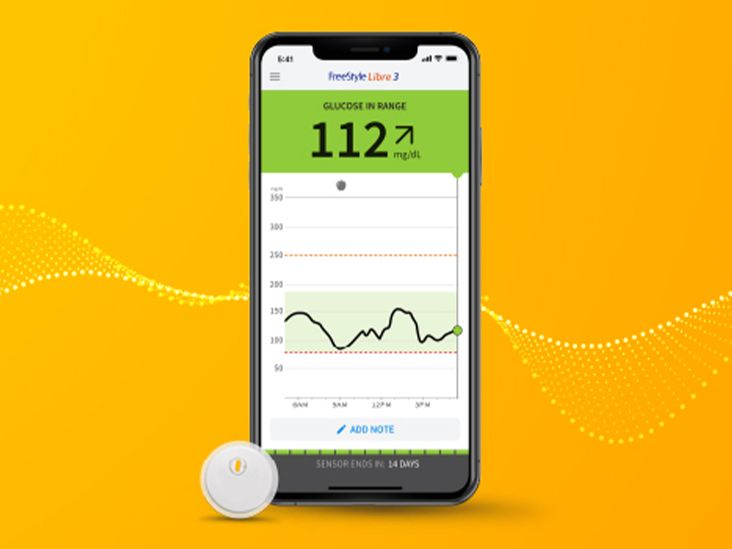
There was a time when checking glucose felt like running a tiny science lab from your kitchen table: lancets, strips, meters, logbooks, and the occasional “Wait, did I wash my hands after touching that banana?” moment. Today, diabetes technology has moved far beyond that routine. The FreeStyle Libre continuous glucose monitoring system has become one of the most recognizable names in diabetes care, and its latest milestone moment shows how quickly the world of glucose tracking is changing.
FreeStyle Libre diabetes tech has evolved from a scan-based flash glucose monitor into a family of smaller, smarter, real-time continuous glucose monitoring devices. It now sits at the center of conversations about diabetes management, wearable health technology, automated insulin delivery, over-the-counter glucose sensors, and the future of personalized metabolic health. That is a lot of responsibility for a small round sensor worn on the back of the arm. Not bad for something that looks a little like a minimalist button.
This milestone is not just about a new gadget. It reflects a larger shift: people with diabetes want glucose information that is easier to access, easier to understand, and easier to use in real life. Whether someone is managing type 1 diabetes, type 2 diabetes, insulin therapy, oral medications, exercise routines, or food choices, real-time glucose data can turn guesswork into patterns. And patterns are powerful.
What Makes This a Milestone Moment for FreeStyle Libre?
The FreeStyle Libre story matters because it tracks a broader movement in diabetes care. For years, continuous glucose monitoring was often viewed as specialized technology mainly for people on intensive insulin therapy. Now, CGM systems are becoming more mainstream, more connected, and more widely discussed by doctors, patients, caregivers, insurers, and even wellness-focused consumers.
Abbott’s FreeStyle Libre platform has reached millions of users globally, and newer systems such as FreeStyle Libre 3 Plus highlight how far the technology has come. Instead of requiring a manual scan to view glucose data, current real-time CGM models can send readings automatically to a compatible smartphone. That simple shift changes the user experience dramatically. A person can see whether glucose is rising, falling, or holding steady without interrupting every activity to check.
The milestone also includes regulatory and market expansion. Abbott received U.S. FDA clearance for over-the-counter continuous glucose monitoring systems based on Libre technology, including Libre Rio for adults with type 2 diabetes who do not use insulin and Lingo for people interested in metabolic insights. That development signals a future where glucose data may become more accessible, not only for people already deep inside diabetes management but also for those trying to understand how food, exercise, sleep, and daily habits affect their bodies.
How FreeStyle Libre Technology Works
A FreeStyle Libre sensor is applied to the back of the upper arm, where it measures glucose in interstitial fluidthe fluid between cells. That is slightly different from a fingerstick blood glucose reading, which measures glucose directly in blood. Because interstitial glucose can lag behind blood glucose during rapid changes, users still need to pay attention to symptoms and follow product instructions. In plain English: if your body is loudly telling you something different from the app, do not let the app win an argument by default.
Modern Libre systems are designed to show glucose trends throughout the day and night. This is where CGM becomes more than a number machine. A single glucose value can tell you where you are. A trend arrow can suggest where you may be heading. That difference is huge when someone is deciding whether to eat, exercise, take medication as prescribed, or contact a healthcare professional.
From Fingersticks to Patterns
Traditional blood glucose meters still have an important role, especially for confirmation when symptoms do not match sensor readings or when a healthcare provider recommends checking with a meter. But CGM adds context. Instead of seeing one isolated number before lunch, a user may see that glucose has been climbing for an hour after breakfast, dropping after a walk, or staying elevated overnight.
That pattern-based view helps people ask better questions: Did that “healthy” smoothie hit harder than expected? Does a late dinner affect morning glucose? Does a 15-minute walk after meals help? Is stress doing its sneaky little chaos dance again? The FreeStyle Libre system does not make lifestyle choices magically easy, but it can make the body’s response more visible.
FreeStyle Libre 3 Plus and the Push Toward Real-Time Convenience
One of the biggest developments in the Libre family is the move toward smaller, longer-wear, real-time sensors. Abbott describes the FreeStyle Libre 3 Plus sensor as a 15-day real-time CGM for users age 2 and older, with readings sent automatically every minute to a compatible smartphone. That matters because convenience often determines whether health technology becomes part of daily life or ends up forgotten in a drawer next to three mystery charging cables.
The system is designed to reduce friction. A smaller sensor can feel less intrusive. Automatic readings can reduce the mental load of checking. Optional alarms can help users notice highs or lows sooner. App-based data can make it easier to share information with caregivers or healthcare teams, depending on the setup and permissions. All of these features point in one direction: diabetes tech is becoming more livable.
Why “Real Time” Matters
Real-time glucose monitoring is not just a fancy phrase. It can help people respond earlier to changes, especially when paired with education and a clear care plan. For someone at risk of hypoglycemia, alerts may provide an extra layer of awareness. For someone trying to understand post-meal glucose, minute-by-minute data can reveal how different meals behave in the body.
Still, real-time data should not become real-time panic. Glucose naturally moves. The goal is not to stare at the app like it owes you money. The goal is to understand trends, reduce surprises, and make informed decisions with support from a healthcare professional.
Why CGM Is Becoming More Important in Diabetes Care
The diabetes burden in the United States remains enormous. CDC estimates show that more than 40 million Americans are living with diagnosed or undiagnosed diabetes, and millions more have prediabetes. That scale explains why tools like continuous glucose monitors are getting so much attention. Better monitoring does not solve every challenge, but it can support more personalized care.
The American Diabetes Association’s Standards of Care continue to emphasize diabetes technology, including continuous glucose monitoring for many people using insulin and automated insulin delivery systems for appropriate patients. The reason is simple: modern diabetes management is not only about lowering A1C. It is also about reducing hypoglycemia, improving time in range, lowering treatment burden, and helping people live with fewer daily disruptions.
Time in Range: The Metric People Can Actually Feel
A1C is useful, but it is an average. Like all averages, it can hide drama. Two people can have the same A1C while experiencing very different highs and lows. CGM adds another important view: time in range, which shows how much of the day glucose stays within a target range set by the care team.
For many users, time in range feels more practical because it connects daily choices to daily outcomes. It can show whether breakfast, medication timing, exercise, or sleep patterns are helping or hurting. That does not mean every number needs a heroic response. It means users and clinicians can have better conversations using more complete information.
Libre Rio, Lingo, and the Over-the-Counter Shift
Another reason FreeStyle Libre diabetes tech has reached a milestone moment is the expansion beyond traditional prescription CGM categories. Abbott’s FDA-cleared over-the-counter systems include Libre Rio, designed for adults with type 2 diabetes who do not use insulin, and Lingo, aimed at people interested in learning about their metabolic response.
This shift could reshape how people think about glucose. For people with type 2 diabetes who manage their condition through lifestyle changes or non-insulin therapies, easier access to CGM data may help uncover patterns that occasional fingersticks miss. For wellness users, glucose tracking may encourage curiosity about meals, sleep, stress, and physical activity. However, there is an important line here: wellness insights are not the same as medical diagnosis or treatment.
For diabetes care, CGM data should be interpreted with clinical context. For general wellness, it should be treated as information, not a scoreboard for moral judgment. A cookie does not become a villain because a sensor noticed it. The point is learning, not self-shaming.
The Human Side: Less Guesswork, More Confidence
The most meaningful part of diabetes technology is not the sensor, the app, the Bluetooth connection, or the sleek product packaging. It is the moment a person says, “Now I understand what is happening.” That is where FreeStyle Libre has had its biggest cultural impact.
For parents of children with diabetes, CGM can offer another layer of visibility. For adults balancing work, exercise, meals, medications, and family responsibilities, it can reduce some of the uncertainty. For older adults, caregivers, and clinicians, shared data may help identify patterns that deserve attention. Diabetes still requires effort, but better information can make that effort feel less random.
Specific Example: The Breakfast Surprise
Imagine someone with type 2 diabetes who eats oatmeal every morning because it seems like the responsible adult choice. A CGM may show that the portion size, toppings, or timing causes a larger glucose rise than expected. That does not mean oatmeal is “bad.” It may mean adding protein, changing the portion, choosing steel-cut oats, walking after breakfast, or discussing medication timing with a clinician. The value is not in banning foods. The value is in seeing how the body responds.
Specific Example: The Exercise Dip
Another user may notice glucose dropping during afternoon workouts. With trend arrows and alerts, that person can discuss safer exercise planning with a diabetes care team. The CGM does not replace education, but it gives the education a map. And maps are useful when the road keeps moving.
Accuracy, Safety, and the Fine Print That Actually Matters
No diabetes device is perfect, and responsible coverage of FreeStyle Libre technology should say that clearly. CGMs measure interstitial glucose, not blood glucose directly. Readings may differ from a blood glucose meter, especially when glucose is changing quickly. Users should follow official instructions, confirm readings when needed, and seek medical guidance for treatment decisions.
Safety notices and device corrections are also part of the real-world technology story. The FDA has posted information about Abbott removing or correcting certain FreeStyle Libre 3 and FreeStyle Libre 3 Plus sensors due to potential inaccurate low glucose readings. That does not erase the value of CGM, but it does reinforce a basic rule: diabetes technology works best when users stay informed, keep backup testing supplies available, and report concerns promptly.
A milestone moment is not a declaration that everything is flawless. It is proof that a technology has become important enough to improve, monitor, regulate, and discuss openly. Trust is built through performance, transparency, and practical safeguardsnot marketing confetti.
What This Means for the Future of Diabetes Technology
The FreeStyle Libre milestone points toward a future where diabetes tools are more connected and less disruptive. CGM data may increasingly connect with insulin pumps, automated insulin delivery systems, remote monitoring tools, electronic health records, and coaching platforms. The long-term goal is not just more data. It is better decisions with less burden.
Artificial intelligence may also play a larger role, helping detect patterns that humans miss. For example, software may eventually identify repeated overnight highs, weekend glucose swings, or meal-related spikes and summarize them in plain language. That could help clinicians focus appointments on meaningful trends rather than scrolling through endless charts while everyone pretends the Wi-Fi is not the real villain.
Access Will Decide the Real Impact
The biggest question is not whether CGM technology can be impressive. It already is. The bigger question is whether people who need it can access it affordably and consistently. Insurance coverage, prescriptions, pharmacy availability, education, smartphone compatibility, language support, and clinician training all matter.
A glucose sensor cannot improve care if a person cannot get it, cannot afford it, cannot understand it, or cannot receive support using it. The next milestone for FreeStyle Libre and the wider CGM industry should be practical accessnot just thinner sensors and prettier apps.
Experience-Based Insights: What Living With Libre-Style Data Can Feel Like
For many users, the first week with a FreeStyle Libre sensor can feel like someone turned on the lights in a room they had been walking through with a flashlight. Suddenly, meals have graphs. Exercise has curves. Sleep has patterns. Even stress, that invisible little gremlin, may show up in glucose trends. The experience can be empowering, but it can also be a little overwhelming at first.
One common experience is the “notification adjustment period.” At the beginning, every alert feels urgent. A person may check the app constantly, wondering whether every small rise or dip requires action. Over time, many users learn that CGM is most helpful when viewed as a trend tool, not a minute-by-minute judgment machine. Glucose changes are normal. The goal is to learn patterns and respond wisely, not chase every dot on the graph like a cat chasing a laser pointer.
Another real-world experience is discovering that “healthy” foods are personal. Some people see a sharp rise after white rice, cereal, fruit juice, or certain smoothies. Others may tolerate those foods better but respond strongly to stress, poor sleep, or late-night snacks. CGM can make diabetes management feel less like following generic rules and more like reading your own body’s instruction manual. Unfortunately, the manual is written in trend arrows, but at least it is no longer completely invisible.
Users may also notice how powerful small habits can be. A short walk after dinner, more protein at breakfast, better hydration, or consistent sleep may improve glucose patterns. These are not dramatic movie-trailer changes. Nobody plays heroic music when you add eggs to breakfast or walk around the block. But diabetes care often improves through repeatable, boringly effective habits. CGM helps show when those habits are working.
There is also an emotional side. Some people feel relief because they finally understand why they felt shaky, tired, foggy, or unusually hungry. Others feel frustrated when numbers do not behave as expected. That is where education matters. CGM data should be used with compassion. A high reading is information, not a character flaw. A low reading is a safety signal, not a personal failure. The best diabetes technology supports better care without turning daily life into a courtroom drama.
For caregivers, Libre-style data can provide reassurance, especially when supporting children, teens, older adults, or loved ones at risk for lows. However, shared data should come with boundaries. Helpful support is not the same as constant glucose surveillance. Nobody wants a text that says, “I saw your number after lunch,” unless that relationship has very clearly agreed on what kind of support is welcome.
Finally, many users describe a shift in confidence. They still have diabetes. They still need supplies, appointments, planning, and patience. But they may feel less blind to what is happening between fingersticks. That is the heart of the FreeStyle Libre milestone moment: not perfection, not magic, but visibility. And in diabetes care, visibility can be life-changing.
Conclusion: A Small Sensor With a Big Message
FreeStyle Libre diabetes tech has reached a milestone because it represents more than a product update. It reflects the movement of diabetes care toward real-time insight, easier monitoring, broader access, and more personalized decisions. From scan-based glucose checks to automatic readings and over-the-counter expansion, the Libre platform shows how wearable health technology can make chronic condition management more practical.
The technology is not a cure, and it is not a replacement for professional medical care. It still requires education, safety awareness, backup plans, and thoughtful interpretation. But for many people, FreeStyle Libre offers something deeply valuable: a clearer view of the body’s glucose story. And when you can see the story, you can start editing the next chapter with more confidence.