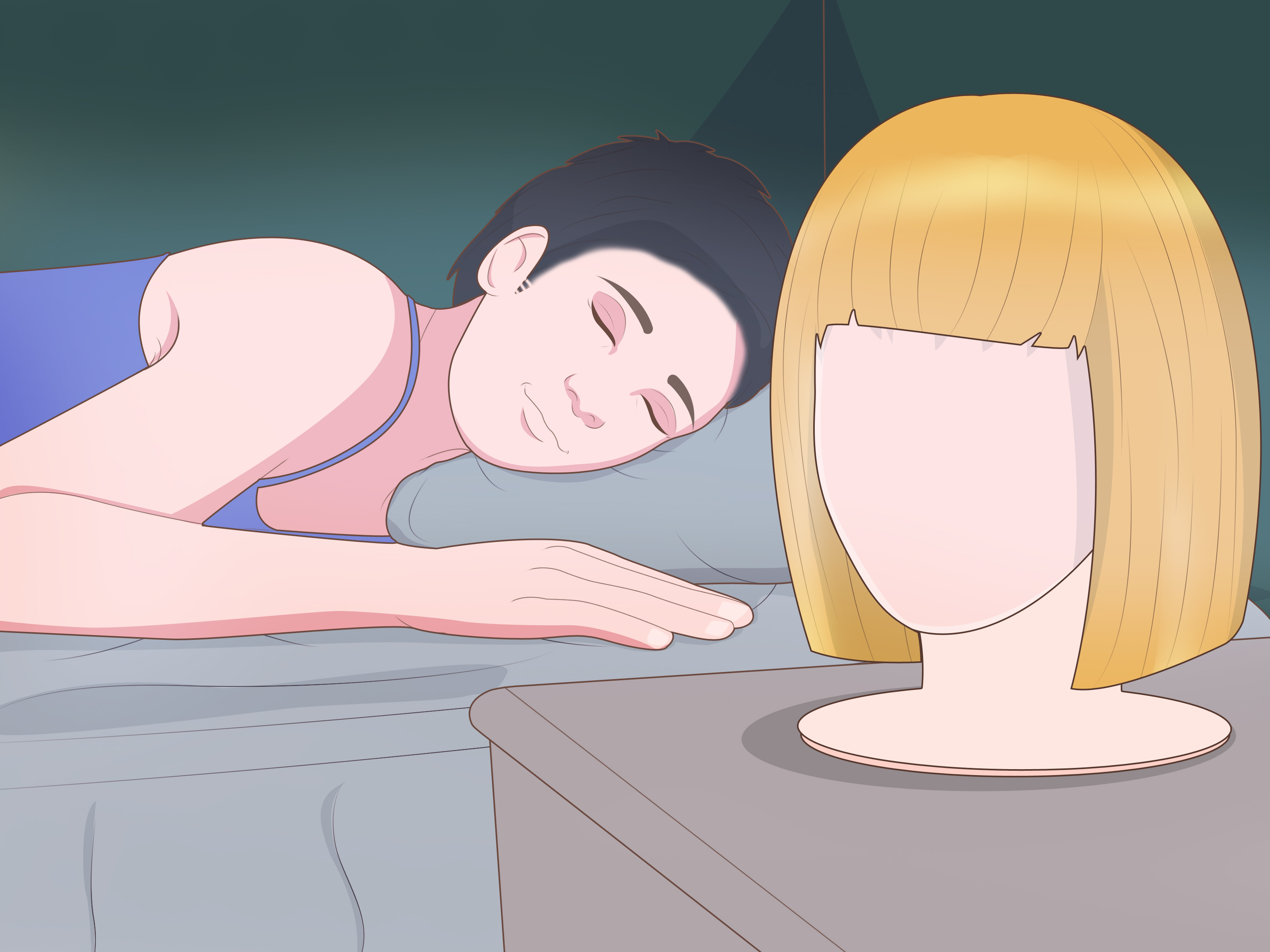
Synthetic hair is a little like a houseplant with excellent lighting: it can look gorgeous, but it absolutely has preferences. Treat it gently, keep it away from the wrong kind of heat, stop drowning it in heavy products, and it will reward you with movement, shine, and softness. Ignore it for three weeks in the bottom of a gym bag, and it may return looking like it fought a tumble dryer and lost.
Whether you wear a synthetic wig, ponytail, clip-in extension, crochet hair, braiding hair, or a heat-friendly synthetic hairpiece, the goal is the same: reduce friction, remove buildup, protect the fibers, and use products designed for synthetic hair. Unlike human hair, synthetic fibers do not produce natural oils and cannot be “deep conditioned” in the traditional sense. You are not feeding the hair; you are smoothing the fiber surface so it feels softer and moves more naturally.
This guide explains how to keep synthetic hair soft with a practical routine you can actually follow, even if your current hair-care system is “spray something and hope.” Let’s fix the frizz, revive the ends, and give that synthetic hair the soft life it deserves.
Why Synthetic Hair Gets Stiff, Dry, or Frizzy
Synthetic hair is made from manufactured fibers, commonly acrylic, polyester, PVC, modacrylic, or other heat-set materials. These fibers are designed to hold a style, which is one of the biggest benefits of synthetic wigs and extensions. Curls stay curly, waves stay wavy, and a sleek bob does not suddenly become a weather report.
However, synthetic hair also has a weakness: friction. The more the fibers rub against clothing, pillows, hands, collars, scarves, and each other, the rougher they can feel. The nape area is usually the first place to tangle because it rubs against your neck and clothing all day. Add sweat, dust, product buildup, and hot tools, and the hair may begin to feel stiff, crunchy, or straw-like.
The most common causes of rough synthetic hair
- Product buildup: Too much hairspray, mousse, oil, or shine spray can coat the fibers and make them sticky.
- Hot water: Heat can disturb the fiber pattern and make regular synthetic hair frizzy.
- Wrong products: Human-hair shampoos, heavy oils, and rich masks may leave residue instead of softness.
- Rough brushing: Starting at the roots and yanking downward can stretch, frizz, and break fibers.
- Sleeping in synthetic hair: Pillows create friction, and friction is the villain wearing a tiny cape.
- Poor storage: Tossing a wig into a drawer can flatten the style and encourage tangles.
Start With the Right Tools
Keeping synthetic hair soft is much easier when you use the right supplies. You do not need a beauty closet that looks like a salon exploded. A few well-chosen tools are enough.
Essential synthetic hair care supplies
- Synthetic wig shampoo or a cleanser made for synthetic hair
- Synthetic wig conditioner or leave-in conditioning spray
- Wide-tooth comb or wig brush
- Spray bottle with cool water
- Microfiber towel or soft cotton towel
- Wig stand, hanger, or breathable storage bag
- Heat protectant made for synthetic hair, only if the fibers are heat-friendly
The key phrase is “made for synthetic hair.” Products for human hair often focus on adding oils, proteins, and moisture. Synthetic fibers do not absorb those ingredients the same way natural hair does. A heavy oil may sit on top of the fiber like a greasy little jacket, attracting dust and making the hair feel worse by Wednesday.
How to Wash Synthetic Hair Without Making It Rough
Washing synthetic hair is not difficult, but it does require restraint. This is not laundry day. Do not scrub it, twist it, wring it, or attack it like a stain on a white shirt. Think of it as hand-washing a delicate scarf that also happens to have bangs.
Step 1: Detangle before washing
Before the hair touches water, gently remove tangles. Lay the wig or hairpiece on a flat surface or place it on a stand. Use a wide-tooth comb and start at the ends. Work upward in small sections. If you hit a knot, spray a little synthetic detangler or cool water and loosen it with your fingers first.
Never begin at the top and drag the comb down through knots. That creates tension and can make the ends look fuzzy. If the hair is curly, use your fingers more than a comb to preserve the curl pattern.
Step 2: Use cool water
Fill a basin with cool water. Hot water can damage or relax the style of regular synthetic hair. Add a small amount of synthetic wig shampoo and swirl the water so the shampoo disperses evenly. Do not pour shampoo directly onto one spot of the hair; concentrated product can be harder to rinse out.
Step 3: Soak and gently swish
Place the synthetic hair into the water and let it soak for a few minutes. Then gently dip it up and down. Avoid rubbing the fibers together. Rubbing may feel satisfying in the moment, but it can create frizz and tangles, which is the beauty equivalent of creating more paperwork for yourself.
Step 4: Rinse thoroughly
Rinse with cool water until the water runs clear and the hair no longer feels slippery from shampoo. Incomplete rinsing can leave residue, and residue makes synthetic hair dull, stiff, and less natural-looking.
Step 5: Blot, never wring
Place the hair on a towel and gently blot out excess water. Do not twist or squeeze aggressively. Wringing can stretch the cap of a wig, disturb curl patterns, and roughen the fibers.
Step 6: Air dry
Let synthetic hair dry at room temperature on a wig stand, shower-safe hanger, or clean towel. Do not brush regular synthetic hair while it is wet unless the manufacturer specifically says it is safe. For many synthetic pieces, the style will bounce back as it dries.
How Often Should You Wash Synthetic Hair?
There is no single perfect schedule, because it depends on how often you wear it and how much product you use. A daily-worn synthetic wig may need washing every few weeks or about once a month. A wig worn occasionally may only need washing after several wears. Extensions or ponytails used for special events can often go longer between washes if they are stored properly.
Wash synthetic hair when it looks dull, smells less than fresh, feels sticky, loses movement, or becomes hard to style. But do not overwash it. Too much washing can shorten the life of synthetic fibers, especially if you are rough during the process.
Use Synthetic Conditioner the Smart Way
A synthetic conditioner or leave-in spray can make a major difference in softness. It helps reduce friction, adds slip, and makes detangling easier. The trick is to use a light hand.
How to apply conditioner to synthetic hair
- After washing, apply synthetic conditioner according to the product directions.
- Focus on the mid-lengths and ends, where roughness usually appears first.
- Avoid soaking the roots or wig knots with heavy product, especially on lace-front or hand-tied pieces.
- Rinse if the conditioner is not labeled as leave-in.
- Use leave-in spray between washes to refresh softness and reduce tangles.
More conditioner does not equal more softness. Too much can make synthetic hair limp or coated. Start with a small amount, then add more only where needed. Your wig does not need to look like it fell into a smoothie.
How to Detangle Synthetic Hair and Keep It Soft
Detangling is where many synthetic hair disasters begin. The right method protects softness; the wrong method turns a small knot into a full emotional support problem.
The best detangling method
- Place the hair on a stand or hold it securely near the cap or weft.
- Lightly mist the tangled area with synthetic detangler or cool water.
- Use your fingers to separate large tangles.
- Comb from the ends upward in small sections.
- Stop when you feel resistance and loosen the knot before continuing.
For curly synthetic hair, avoid combing through the entire curl pattern unless necessary. Finger-detangle and reshape curls by twisting small sections around your finger. For straight or wavy synthetic hair, a wide-tooth comb usually works well. For very long synthetic wigs, detangle after each wear to prevent the ends from becoming a tiny haunted forest.
Prevent Frizz at the Nape
The nape is the drama queen of synthetic hair. It rubs against collars, scarves, hoodies, backpack straps, and skin. That constant friction can make the underside tangle, frizz, and lose softness faster than the rest of the hair.
How to protect the nape area
- Use a light synthetic leave-in spray on the nape before wearing.
- Wear smooth fabrics when possible, especially with long wigs.
- Avoid rough wool collars directly against the hair.
- Detangle the nape gently after each wear.
- Consider shorter styles if you want lower maintenance.
If the nape is already frizzy, a synthetic detangler and careful combing may help. For heat-friendly synthetic fibers, low controlled heat may smooth some roughness, but only if the product label allows it. For regular synthetic hair, avoid flat irons, curling irons, and blow-dryers unless the manufacturer says otherwise.
Be Careful With Heat
Heat can be helpful or harmful depending on the type of synthetic hair. Regular synthetic hair usually cannot handle hot tools. Heat-friendly synthetic hair can tolerate some heat, but it still needs caution. Always check the label before using a flat iron, curling wand, hot comb, blow-dryer, or steamer.
Heat rules for synthetic hair
- Do not use hot tools on regular synthetic hair.
- Use only adjustable tools on heat-friendly synthetic hair.
- Start with the lowest effective temperature.
- Use a synthetic-safe heat protectant when appropriate.
- Test a hidden section first.
- Let the fiber cool completely before touching or brushing the style.
Hot water can also affect synthetic hair. Stick with cool or lukewarm water for washing unless the manufacturer gives different instructions. When in doubt, treat synthetic hair like a chocolate bar in July: keep it cool and do not leave it near heat.
Avoid Heavy Oils and Random Kitchen Experiments
Some people use fabric softener, laundry products, cooking oils, or thick serums on synthetic hair. You may see these tricks online, but they are not always safe for every wig or extension. Fabric softener can leave residue, irritate sensitive skin, or affect the cap construction. Heavy oils can attract dirt and make the fibers clump together.
The safest route is to use products made for synthetic wigs and extensions. If you want to experiment, test a tiny hidden section first and avoid the cap, lace, knots, clips, or adhesive areas. But for everyday care, synthetic wig conditioner, detangler, and a gentle wash routine are more reliable than turning your bathroom into a chemistry podcast.
Store Synthetic Hair Properly
Softness is not only about washing. Storage matters. A synthetic wig tossed into a drawer will tangle. Extensions crammed into a plastic bag may kink. A ponytail left in a hot car may not forgive you.
Best storage tips
- Store wigs on a wig stand or in a breathable bag.
- Keep hair away from direct sunlight and heat.
- Make sure the hair is completely dry before storing.
- Lightly detangle before putting it away.
- For long pieces, loosely braid or wrap the length to prevent tangles.
If you travel with synthetic hair, place it in a silk or satin bag, hair net, or wig box. Do not crush it under shoes, chargers, and that mysterious airport granola bar you forgot about.
How to Refresh Synthetic Hair Between Washes
You do not need to wash synthetic hair every time it looks slightly tired. A quick refresh can restore softness and movement.
Five-minute refresh routine
- Place the wig or hairpiece on a stand.
- Lightly mist the ends with synthetic conditioning spray.
- Finger-detangle or comb from the ends upward.
- Shake the hair gently to restore movement.
- Let it air out before storing or wearing.
This routine is especially useful for synthetic ponytails, clip-ins, and wigs that are not dirty enough for a full wash. It keeps the fibers from matting and helps maintain that soft, swishy feeling.
Common Mistakes That Make Synthetic Hair Feel Rough
If your synthetic hair keeps getting stiff, one of these habits may be the reason:
- Using regular hairspray daily: It can create a crunchy coating.
- Applying coconut oil or thick serum: It may make fibers greasy instead of soft.
- Brushing from the roots: This tightens knots and damages ends.
- Sleeping in wigs or extensions: Friction causes matting and frizz.
- Using hot water: It may change the shape of synthetic fibers.
- Skipping storage care: Tangled storage leads to rough hair later.
- Overwashing: Too much washing can reduce longevity.
Real-World Experiences: What Actually Keeps Synthetic Hair Soft
After working with synthetic wigs, ponytails, and clip-in pieces, one pattern becomes obvious: synthetic hair usually does not become rough overnight. It becomes rough because of tiny daily choices. One skipped detangling session becomes two. A little extra hairspray becomes a crunchy layer. A wig gets tossed on a chair “just for a minute,” and somehow that minute becomes a weekend. Synthetic hair remembers these moments, and unfortunately, it keeps receipts.
One of the most useful experiences is learning to care for the nape before it becomes a problem. With longer synthetic wigs, the back underside often tangles first. The fix is not dramatic. A light mist of synthetic detangler before wearing, gentle combing after wearing, and avoiding rough collars can keep the area much softer. It is not glamorous, but neither is spending twenty minutes negotiating with a knot while whispering, “Please, we can get through this.”
Another important lesson is that less product often works better. Many beginners try to make synthetic hair soft by adding more and more shine spray, serum, or conditioner. At first, it may look smoother, but after a few wears, the hair can feel coated and heavy. The better approach is to wash away buildup with cool water and synthetic shampoo, then use a light leave-in spray only on the lengths and ends. Synthetic hair likes slip, not sludge.
Storage also makes a surprising difference. A synthetic ponytail stored in its original net or a satin pouch usually stays softer than one thrown into a drawer. Wigs kept on a stand maintain their shape better and need less brushing, which means less friction. Even a simple habit like letting a wig air out after wearing helps prevent odor and moisture buildup. The hair feels fresher because it is fresher.
Heat-friendly synthetic hair has its own personality. It can be smoother after careful low-heat styling, but it can also become damaged if treated like human hair. The best results come from patience: low temperature, small sections, synthetic-safe protectant, and enough cooling time for the style to set. Rushing the process can make the fibers look tired. Regular synthetic hair is even stricter. If the label says no heat, believe it. The label is not being dramatic; it is trying to save your bangs.
The biggest experience-based tip is to create a routine before the hair looks bad. Waiting until synthetic hair is stiff, tangled, and frizzy makes the rescue harder. A two-minute detangle after wearing, a proper wash when buildup appears, and careful storage can extend softness for weeks or months. Synthetic hair does not need luxury treatment. It needs consistency, gentle handling, and a firm boundary with hot tools.
Conclusion: Soft Synthetic Hair Is Mostly About Gentle Habits
Learning how to keep synthetic hair soft is not about one miracle product. It is about treating the fibers with care every time you wear, wash, detangle, and store them. Use cool water, choose products made for synthetic hair, comb from the ends upward, avoid unnecessary heat, and prevent friction before it creates frizz.
Synthetic hair can stay soft, smooth, and natural-looking when you respect what it is: a styled fiber that needs protection, not a human-hair strand that needs oils and deep moisture. Keep the routine simple, stay consistent, and your synthetic hair will remain much more cooperative. It may not send you a thank-you card, but it will swish nicely, which is basically the same thing.
Note: Always follow the care label or manufacturer instructions for your specific wig, extension, or hairpiece. When instructions differ, the manufacturer wins the argument.