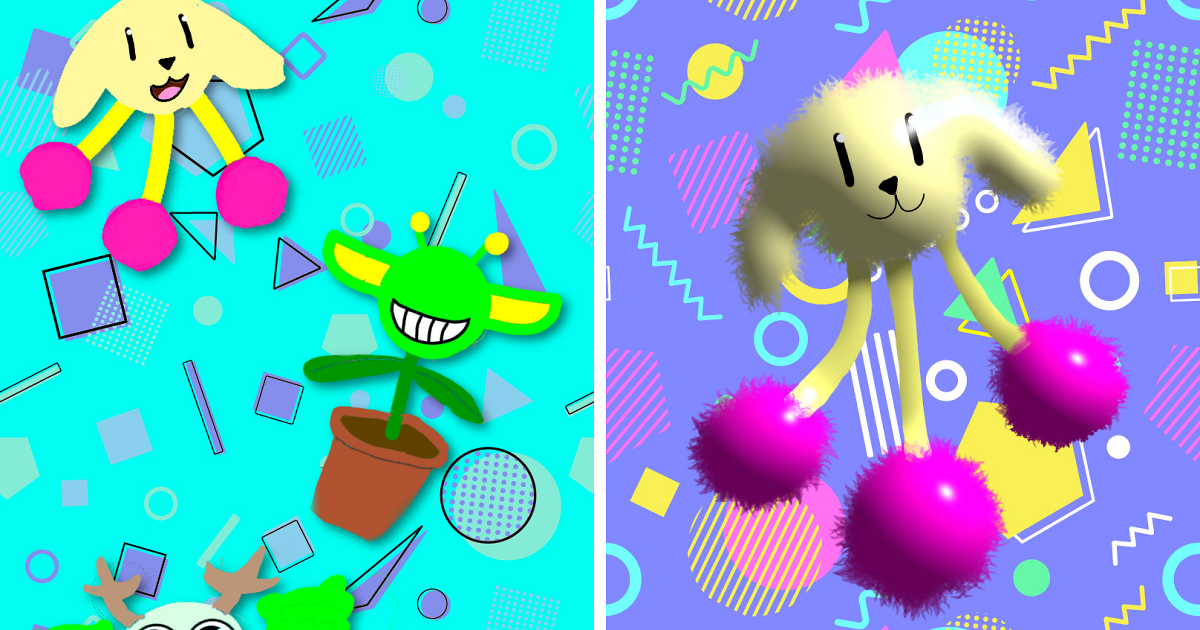
Digital art is not just “drawing on a tablet.” It is imagination wearing sneakers, sprinting through software, pixels, motion, code, color theory, storytelling, and occasionally a very dramatic undo button. The inspiring journey of a digital artist often begins with curiosity: a doodle in a notebook, a fascination with game characters, a love for animated films, or a late-night experiment with a free drawing app that somehow turns into a life direction.
Today, digital artists create illustrations, concept art, animations, visual effects, 3D environments, NFTs, game assets, brand campaigns, social media visuals, interactive installations, and AI-assisted compositions. Their work appears on museum walls, streaming platforms, mobile screens, billboards, book covers, video games, and personal portfolios. The tools have changed, but the mission remains beautifully old-fashioned: make people feel something.
What Is A Digital Artist?
A digital artist uses technology as a creative medium. Instead of relying only on canvas, charcoal, clay, or ink, digital artists work with tablets, styluses, software, 3D modeling tools, animation programs, cameras, scanners, code, and sometimes artificial intelligence. The result may look like a painting, a film scene, a fantasy landscape, a product mockup, a character design, a motion graphic, or an immersive installation.
The phrase “digital artist” is broad on purpose. A digital illustrator may paint expressive portraits in Photoshop or Procreate. A 3D artist may build environments for games and films. A motion designer may turn typography into kinetic storytelling. A concept artist may design the first visual language of a movie monster before the monster gets famous enough to have its own merchandise. A generative artist may use algorithms to create visuals that evolve in real time.
What connects them all is the combination of artistic judgment and technical fluency. A strong digital artist understands composition, lighting, anatomy, color, texture, and narrative. They also learn file formats, layers, rendering, resolution, licensing, portfolio strategy, and the sacred art of naming files something better than “final_final_reallyfinal_v9.psd.”
The Early Spark: Where The Journey Begins
Most digital artists do not begin with perfect equipment. Many start with a mouse, a basic laptop, a cracked phone screen, a school computer, or free software. What matters first is not the tool but the habit of seeing. A future artist notices shadows on a wall, the shape of clouds, the color of neon signs after rain, or the emotional difference between warm orange light and cold blue light.
The first stage of the journey is playful. Beginners copy favorite characters, redraw album covers, design imaginary logos, create fan art, or make strange creatures that look like a frog, a dragon, and a confused potato had a meeting. This stage is not embarrassing; it is essential. Imitation teaches structure. Experimentation builds taste. Mistakes reveal personality.
As the artist grows, curiosity turns into discipline. They learn why a face looks flat, why a pose feels stiff, why shadows need logic, and why adding more details does not always make an artwork better. They discover that great digital art is not produced by software magic. The brush may be digital, but the decision-making is human.
Learning The Craft: From Tutorials To Personal Style
The internet has transformed art education. Digital artists can learn from online courses, museum archives, creator communities, school programs, livestreams, digital libraries, and professional tutorials. A beginner can study Renaissance composition in the morning, character design at lunch, and lighting for cinematic environments at midnight. This is wonderful, although it can also lead to the dangerous condition known as “watching 47 tutorials and finishing zero drawings.”
Real progress comes from applying what is learned. A digital artist improves by making finished pieces, not just collecting advice. They practice sketching, value studies, gesture drawing, color palettes, perspective, typography, and visual storytelling. They also learn digital workflow: using layers wisely, keeping source files organized, exporting for web and print, calibrating colors, and building reusable brushes or assets.
Finding A Visual Voice
Style is not something an artist finds under the couch. It develops through repetition, influence, taste, and problem-solving. At first, a young digital artist may sound visually like everyone they admire. Over time, their choices become more personal. Maybe they love glowing cyberpunk cities, quiet surreal portraits, playful editorial illustrations, cozy fantasy interiors, or minimalist motion graphics. Style appears when the artist keeps making decisions long enough for patterns to emerge.
The inspiring part is that style is never finished. A digital artist’s voice evolves with new tools, new life experiences, new clients, and new creative risks. The best artists stay flexible. They do not protect their comfort zone like a tiny museum guarded by a nervous raccoon. They keep exploring.
The Tools That Shape The Modern Digital Artist
Digital artists today work with a rich toolbox. Common software includes Adobe Photoshop, Illustrator, After Effects, Blender, Procreate, Clip Studio Paint, Unreal Engine, ZBrush, Cinema 4D, Figma, and many other specialized tools. Some artists focus on one program; others combine several programs in a single workflow. A character might begin as a sketch, become a 3D sculpt, receive texture painting, enter an animation pipeline, and finally appear in a game engine.
However, tools should serve the idea. A beginner may believe expensive software creates professional art. It does not. A skilled artist can make compelling work with simple tools because they understand fundamentals. Technology can accelerate creativity, but it cannot replace taste, patience, observation, or the courage to delete a bad layer after spending three hours on it.
Hardware Matters, But Mindset Matters More
A drawing tablet, stylus, powerful computer, color-accurate monitor, and reliable storage can make the process smoother. For 3D artists and animators, processing power can affect rendering speed and project complexity. Still, the most important hardware is the artist’s brain, followed closely by their willingness to back up files. Nothing teaches humility like losing an unsaved masterpiece to a software crash.
Building A Portfolio That Opens Doors
A digital artist’s portfolio is more than a gallery. It is a professional handshake. It tells clients, studios, galleries, or collaborators what the artist can do, what they care about, and whether they can finish work at a high standard. Platforms such as Behance and ArtStation have made it easier for artists to showcase projects, connect with creative industries, and study professional presentation styles.
A strong portfolio is focused. It does not need every sketch since middle school, including the dragon with suspiciously human eyebrows. Instead, it should show the artist’s best work, organized by discipline or project type. Each piece should demonstrate skill, process, and purpose. For commercial artists, case studies can be especially powerful: the problem, the concept, the sketches, the final artwork, and the impact.
What A Portfolio Should Communicate
- Technical ability: clean execution, strong fundamentals, and professional polish.
- Creative thinking: original concepts, visual problem-solving, and storytelling.
- Consistency: a clear level of quality across multiple projects.
- Specialization: a visible direction, such as character design, animation, branding, game art, or digital painting.
- Personality: the unique spark that makes the work memorable.
The Professional Path: Jobs, Freelance Work, And Creative Independence
The career path of a digital artist can be wonderfully non-linear. Some work for animation studios, game companies, advertising agencies, design firms, publishers, tech companies, museums, educational organizations, or film production teams. Others become freelancers, selling commissions, prints, templates, brushes, assets, tutorials, or digital products. Some build audiences on social media and fund projects through direct support, memberships, or crowdfunding.
Special effects artists and animators, for example, contribute to moving images and visual effects across entertainment and media. But digital art careers extend far beyond animation. Businesses need brand visuals. Authors need covers. Game developers need assets. Musicians need album art. Educators need explainers. Startups need pitch visuals. Museums need digital experiences. The demand is not limited to one industry; it spreads across any field that needs visual communication.
Freelance life can be exciting, but it also requires business skills. A digital artist must learn pricing, contracts, revisions, deadlines, licensing, invoices, taxes, communication, and boundary-setting. Creativity may get the client’s attention, but professionalism gets the client to come back.
Challenges On The Journey
The inspiring journey of a digital artist is not a clean upward line. It looks more like a mountain trail designed by someone who enjoys plot twists. Artists face creative blocks, comparison, unstable income, changing algorithms, software updates, client feedback, copyright concerns, and the emotional weight of putting personal work into public spaces.
Comparison is one of the hardest challenges. Online platforms make it easy to see brilliant work from artists around the world. That can motivate, but it can also make beginners feel behind. The healthier approach is to treat great work as evidence of possibility, not proof of personal failure. Every polished artist has invisible sketchbooks full of awkward attempts.
AI, Copyright, And Trust
Artificial intelligence has added a new layer of complexity. Some digital artists use AI as a brainstorming tool, reference generator, or workflow assistant. Others worry about consent, attribution, training data, job displacement, and the value of human authorship. In the United States, copyright discussions continue to emphasize the importance of human creativity in protectable work. Meanwhile, provenance standards such as Content Credentials aim to help audiences understand how digital content was made and edited.
For digital artists, the practical lesson is clear: document your process, understand your rights, read platform terms, protect your files, and be transparent about your methods. Trust is becoming part of the artwork’s value.
Why Digital Art Belongs In Serious Cultural Conversations
Digital art is not a lesser cousin of traditional art. It is part of contemporary culture. Major museums, archives, and arts organizations now collect, preserve, research, and exhibit digital work. Born-digital art, net art, algorithmic installations, data-driven visuals, and AI-assisted projects challenge old assumptions about what art is, where it lives, and how audiences experience it.
Digital art also expands access. Online collections, open archives, and digital libraries allow artists to study historical works without traveling across the country. A student in a small town can examine museum resources, learn from global creators, and publish work to an international audience. That does not make the journey easy, but it makes the doorway wider.
At its best, digital art blends craft with curiosity. It can preserve memory, criticize technology, celebrate identity, imagine futures, explain science, entertain millions, or simply make someone stop scrolling for five seconds and whisper, “Whoa.” In internet time, five seconds is basically a standing ovation.
Lessons From The Inspiring Journey Of A Digital Artist
Every digital artist’s story is different, but the most successful journeys often share a few lessons. First, fundamentals outlast software trends. Programs change, but composition, storytelling, anatomy, color, and design principles remain valuable. Second, finished work teaches more than perfect intentions. A completed imperfect project is more useful than an imaginary masterpiece that never leaves the artist’s head.
Third, community matters. Artists grow through feedback, collaboration, mentorship, and shared resources. A supportive creative circle can help an artist survive rejection, celebrate progress, and remember that everyone occasionally hates their own work at 2:00 a.m. Fourth, adaptability is essential. Digital art changes quickly. New platforms, formats, tools, and markets appear constantly. The artists who thrive are not those who know everything; they are those who keep learning.
Finally, authenticity matters. The internet rewards trends, but meaningful careers are built on trust and voice. A digital artist does not need to chase every style or platform. They need to develop a body of work that reflects both skill and perspective.
Experience-Based Reflections: What The Journey Feels Like From The Inside
The journey of a digital artist often feels like learning a language that keeps inventing new verbs. At the beginning, everything seems technical. You wonder which brush to use, why the canvas size matters, how layers work, and why your exported image looks blurry after you proudly post it. Then, slowly, the tools become less intimidating. The tablet stops feeling like a slippery dinner plate. The software menus become familiar. The artist begins to think less about buttons and more about emotion, rhythm, and meaning.
One of the most valuable experiences is learning to revise without losing heart. Early artists often treat every change as an insult from the universe. But revision is not punishment; it is craftsmanship. A messy sketch can become a strong composition. A dull color palette can become cinematic. A stiff character can gain personality with one tilted shoulder or raised eyebrow. Digital tools make revision flexible, but the artist still needs humility. The undo button is helpful, but it is not a personality replacement.
Another important experience is discovering the difference between inspiration and distraction. Digital artists live in a world overflowing with references, tutorials, reels, speed paints, brush packs, and “must-have” tools. Inspiration can fuel creativity, but endless browsing can quietly steal the time needed to create. Many artists eventually learn to set boundaries: collect references with purpose, study one skill at a time, and make art even when the internet is loudly offering 900 alternatives.
Client work adds another chapter. The first paid commission can feel thrilling and terrifying. Suddenly, the artwork must satisfy someone else’s goal, timeline, and budget. The artist learns to ask better questions: What is the intended use? Who is the audience? What style is expected? How many revisions are included? What rights are being transferred? These conversations may not sound glamorous, but they protect the artist’s energy and income. Professional clarity is an artistic skill too.
There is also the emotional experience of sharing work publicly. Posting art online can feel like placing a tiny piece of your soul on a stage and waiting to see whether people clap, ignore it, or ask what app you used. Over time, digital artists learn not to measure worth only by likes, shares, or comments. Metrics can be useful, but they are not the same as mastery. Some of the most important work grows quietly before it finds an audience.
The most inspiring experience is seeing progress become visible. A digital artist may open an old file and suddenly realize how far they have come. The anatomy is better. The lighting makes sense. The storytelling is clearer. The workflow is faster. The old mistakes become proof of growth rather than evidence of failure. That moment is powerful because it shows that talent is not a lightning strike reserved for a chosen few. It is built through repeated effort, curiosity, and resilience.
In the end, the journey of a digital artist is not only about creating beautiful images. It is about becoming a sharper observer, a better problem-solver, and a braver communicator. The artist learns to turn blank screens into worlds, emotions into color, and ideas into visuals that can travel farther than the person who made them. That is the real magic of digital art: it begins with pixels, but it ends with connection.
Conclusion
The inspiring journey of a digital artist is a story of curiosity becoming skill, skill becoming voice, and voice becoming impact. It begins with experimentation and grows through practice, community, technology, and courage. Digital artists stand at the intersection of art and innovation, using modern tools to continue one of humanity’s oldest traditions: making meaning through images.
Whether the artist is designing a game world, painting a portrait, animating a character, building an immersive installation, or developing a personal visual language, the journey rewards persistence. The tools will keep changing. Platforms will rise and fall. Trends will arrive wearing sunglasses and leave before lunch. But the heart of digital art remains steady: a human imagination reaching through technology to touch another human imagination.