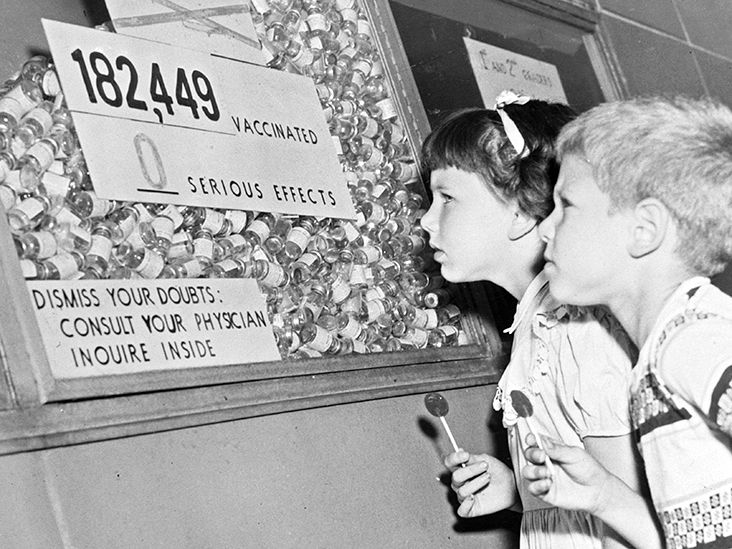
COVID-19 changed many things: work, school, travel, birthday parties, grocery shopping, and the strange new art of judging someone’s personality by how they wore a mask. It also changed the way many people think about vaccines. For some, COVID-19 vaccines were a reliefa scientific flashlight in a very dark room. For others, they raised questions, worries, and a stubborn little voice asking, “Are we sure about this?”
That voice is not always ignorance. Vaccine hesitancy is often more complicated than a person simply being “anti-vaccine.” It can come from fear, confusing public messaging, political identity, past medical mistreatment, side-effect concerns, religious or personal beliefs, information overload, and plain old exhaustion after years of pandemic whiplash. Understanding these reasons matters because yelling “trust the science” at someone rarely works. In fact, it often has the charm of a smoke alarm at 3 a.m.
This article explains why COVID-19 vaccine hesitancy happens, why it remains important, and what families, healthcare providers, communities, and public institutions can do to build trust without shaming people into silence.
What Is Vaccine Hesitancy?
Vaccine hesitancy means delay, uncertainty, or refusal of vaccination even when vaccines are available. It exists on a spectrum. One person may refuse every vaccine. Another may accept childhood vaccines but hesitate about updated COVID-19 shots. Someone else may want the vaccine but feel nervous because they heard scary stories online. These are very different situations, and they require different conversations.
When it comes to COVID-19, hesitancy is especially layered because the pandemic was not just a medical event. It became a social, political, economic, and emotional earthquake. People lost loved ones, jobs, routines, businesses, trust in institutions, and sometimes patience with everyone on the internet. Vaccine decisions were made inside that storm.
Why COVID-19 Vaccine Hesitancy Happens
1. Fear of Side Effects
The most common concern is safety. Many people worry about short-term side effects such as fever, fatigue, soreness, or chills. Others worry about rare serious events, including allergic reactions or myocarditis and pericarditis, which have been monitored closely by public health agencies.
This concern should not be dismissed. A better response is: “Yes, side effects can happen. Most are mild and temporary, serious reactions are rare, and the risks are tracked through vaccine safety systems.” People tend to trust information more when it admits uncertainty and explains context. Pretending there is no risk at all sounds suspicious, like a used car salesman saying, “This 1998 sedan has never had a single problem, except possibly gravity.”
2. Confusion About Changing Guidance
One major reason people became hesitant is that guidance changed over time. At first, there were emergency recommendations, then boosters, then updated vaccines, then more targeted advice for older adults, people with weakened immune systems, and people at higher risk. For scientists, changing recommendations can mean the evidence is improving. For the public, it can feel like the rulebook was written on a napkin during turbulence.
COVID-19 is caused by a virus that changes. Immunity also changes over time. That means vaccine recommendations may shift as new variants, new safety data, and new effectiveness studies emerge. Public health leaders should say this clearly: changing guidance is not always proof of failure. Sometimes it is how science keeps its shoes tied while running after a moving target.
3. Misinformation and Disinformation
Misinformation is false or misleading information shared without necessarily intending harm. Disinformation is false information spread deliberately. Both became powerful during the pandemic. Claims that mRNA vaccines alter DNA, that vaccines cause infertility, or that COVID-19 vaccines contain tracking devices traveled online faster than a cat knocking a glass off a counter.
The problem is not only that false claims exist. It is that they are often emotional, simple, and memorable. Scientific explanations, by contrast, can be cautious, detailed, and full of phrases like “based on current evidence,” which is accurate but not exactly billboard material. Successful vaccine communication must be truthful and understandable. Facts matter, but delivery matters too.
4. Loss of Trust in Institutions
Trust is the engine of public health. When people do not trust government agencies, pharmaceutical companies, media organizations, or medical systems, they are less likely to accept vaccine recommendations. This distrust may come from political polarization, past mistakes, historical medical abuse, personal experiences of being dismissed by doctors, or the belief that financial interests influence health advice.
Trust cannot be demanded. It has to be earned through transparency, consistency, humility, and accountability. Communities that have experienced neglect or discrimination may reasonably ask harder questions. The solution is not to lecture them. The solution is to show up, listen, explain, and stay even when the cameras leave.
5. The “I’m Healthy, So I Don’t Need It” Argument
Some people hesitate because they believe COVID-19 is only dangerous for older adults or people with serious health conditions. It is true that risk is higher for certain groups, including older adults, immunocompromised people, pregnant people, and people with chronic conditions. However, healthy people can still get very sick, develop complications, spread the virus to vulnerable loved ones, or experience long COVID.
The goal of vaccination is not to create a magic force field where viruses bounce off your forehead. The main goal is to reduce the risk of severe illness, hospitalization, and death. That is a more realistic promiseand a more honest one.
6. Pandemic Fatigue
Many people are simply tired. Tired of variants, tired of updates, tired of arguing, tired of deciding whether a cough is allergies or the opening scene of a medical drama. Pandemic fatigue can make people avoid health decisions even when they are not strongly opposed to vaccination.
This group may not need a scientific debate. They may need convenience, reminders, easy scheduling, clear eligibility information, and a healthcare provider who says, “You’re due for your updated shot, and we can do it today.” Sometimes the best public health strategy is not a campaign slogan. It is removing five annoying steps.
Why COVID-19 Vaccination Still Matters
COVID-19 is no longer the emergency it was in 2020, but it has not vanished. It continues to circulate, and protection from infection or vaccination can fade over time. Updated vaccines are designed to improve protection against severe outcomes as the virus evolves.
For high-risk groups, staying up to date is especially important. Older adults and people with weakened immune systems have a greater chance of severe disease. Vaccination can also help reduce the risk of long COVID, a condition that may involve fatigue, brain fog, shortness of breath, sleep problems, dizziness, and other symptoms that can last for months or longer.
Vaccination also protects more than the individual. A person who lowers their own chance of severe illness can reduce strain on hospitals, protect vulnerable family members, and help keep workplaces, schools, and communities more stable during respiratory virus seasons.
Solutions: How to Reduce COVID-19 Vaccine Hesitancy
1. Lead With Listening, Not Lecturing
The first step is to ask what someone is worried about. Not in a courtroom tone. Not with the energy of “I am about to destroy you with facts.” Ask calmly: “What concerns you most about the COVID-19 vaccine?”
Listening helps identify the real issue. A person worried about myocarditis needs different information than someone who believes the vaccine was rushed. A parent worried about their child needs a different conversation than a healthy young adult who thinks the virus is no longer relevant.
2. Use Trusted Messengers
People often trust their own doctor, nurse, pharmacist, faith leader, community organizer, or local health worker more than a national spokesperson. That does not mean national agencies are unimportant. It means trust is often local and relational.
Healthcare providers can make a major difference by giving a clear recommendation. A vague “You can get it if you want” sounds weak. A stronger approach is: “Based on your age and health history, I recommend the updated COVID-19 vaccine because it helps lower your risk of severe illness.” That sentence is simple, personal, and useful.
3. Be Transparent About Benefits and Risks
Good communication should never sound like marketing copy. People deserve plain explanations of both benefits and risks. For example: “Most side effects are mild and go away in a few days. Serious allergic reactions are rare. Myocarditis has been reported rarely, especially in younger males after mRNA vaccination, and health agencies continue to monitor it. COVID-19 infection itself can also cause heart inflammation and other complications.”
Transparency does not weaken confidence. It builds credibility. People can handle nuance. They handle taxes, insurance forms, and assembling furniture with instructions that appear to have been translated from Martian. They can handle honest vaccine information too.
4. Make Vaccination Convenient
Some vaccine hesitancy is actually access friction wearing a fake mustache. People may be open to vaccination but struggle with transportation, work schedules, childcare, cost worries, or confusing appointment systems. Solutions include walk-in clinics, evening hours, mobile vaccination sites, school-based clinics, workplace vaccine days, and pharmacy access.
Convenience is not a small detail. If a person has to take two buses, miss wages, and navigate a website that looks like it was designed during the dial-up era, they may postpone the decision forever.
5. Avoid Shame-Based Messaging
Shaming people may feel satisfying in the moment, especially online, where everyone is apparently one comment away from becoming a constitutional scholar and infectious disease expert. But shame usually hardens resistance. People who feel attacked are less likely to ask questions, admit doubts, or change their minds.
Better messaging focuses on shared goals: keeping grandparents safer, protecting medically vulnerable neighbors, reducing missed work, avoiding hospital stays, and helping kids stay in school. People are more open when they feel respected rather than cornered.
6. Correct Myths Without Repeating Them Too Loudly
When addressing misinformation, repeat the truth clearly. If you must mention a myth, do it briefly and then return to the facts. For example: “COVID-19 vaccines do not change your DNA. mRNA gives cells temporary instructions to help the immune system recognize the virus, and then the mRNA breaks down.”
Also, avoid drowning people in data. A simple explanation, one trustworthy resource, and an invitation to talk with a clinician can be more effective than dropping a 47-page PDF into the conversation like a brick.
7. Personalize the Message
Generic advice is easy to ignore. Personalized advice is harder to brush off. A 72-year-old with diabetes, a pregnant teacher, a cancer patient, a parent of a toddler, and a healthy college athlete do not all need the same vaccine conversation.
Effective communication connects the recommendation to the person’s life: “You help care for your mother,” “You work around a lot of people,” “Your asthma puts you at higher risk,” or “You have a newborn at home.” Specific beats vague every time.
Solutions for Families and Everyday Conversations
If someone you love is hesitant, the goal is not to win a debate by halftime. The goal is to keep the conversation open. Start by asking what they have heard and how they feel about it. Share why you chose vaccination, if you did, without turning your story into a sermon.
Try saying: “I had questions too, so I talked with my doctor and looked for information from medical sources. What worries you most?” This approach lowers defensiveness. It also makes room for practical next steps, such as helping them write down questions for a healthcare appointment.
Do not mock people for being afraid. Fear is not stupidity. Fear is a very human reaction to uncertainty. The problem begins when fear is exploited by bad information, political outrage, or social media accounts that treat panic like a subscription service.
Solutions for Healthcare Providers
Healthcare professionals should use clear, respectful, evidence-based communication. A strong recommendation from a trusted clinician remains one of the most effective tools for improving vaccine confidence.
Providers can use the “ask, acknowledge, advise” method:
- Ask: “What questions do you have about the COVID-19 vaccine?”
- Acknowledge: “It makes sense that you want to understand the risks.”
- Advise: “Based on your health history, I recommend vaccination because it lowers your risk of severe illness.”
Doctors, nurses, and pharmacists should also be prepared to explain updated recommendations in plain language. Patients should leave knowing whether they are eligible, why vaccination is recommended for them, what side effects to expect, and when to seek care after vaccination.
Solutions for Communities and Public Health Leaders
Public health leaders must invest in long-term trust, not just emergency campaigns. That means working with local organizations before crisis moments, hiring messengers from within communities, translating materials accurately, addressing access barriers, and admitting mistakes when they happen.
Community partnerships can include churches, schools, senior centers, barber shops, local businesses, disability groups, immigrant organizations, and neighborhood clinics. When people hear consistent information from familiar voices, confidence grows. When information appears only as a government flyer taped to a wall next to a broken vending machine, confidence does not exactly do cartwheels.
Experiences Related to COVID-19 and Vaccine Hesitancy
Real-life vaccine hesitancy often looks quieter than online arguments. It is the grandmother who wants protection but remembers a friend feeling sick after a shot. It is the father who vaccinated his children for measles and polio but wonders why COVID-19 recommendations keep changing. It is the young adult who had COVID-19 twice and says, “I was fine,” while ignoring that their coworker’s father was hospitalized. These experiences show why a one-size-fits-all message rarely works.
One common experience is the family dinner debate. Someone mentions boosters, and suddenly the mashed potatoes are sharing the table with Facebook rumors, political opinions, and three people saying, “I’m not a doctor, but…” In that moment, the most helpful person is usually not the loudest. It is the person who says, “Let’s separate what we know from what we’re guessing.” A calm voice can keep the discussion from becoming a verbal food fight with gravy.
Another experience happens in clinics. A patient may arrive for a routine checkup and say they are “not against vaccines,” but they are unsure about this one. A rushed provider might move on. A careful provider might ask, “What have you heard?” That question can uncover the real barrier: fear of heart inflammation, fertility myths, confusion about insurance coverage, or concern about missing work due to side effects. Once the real concern is visible, the solution becomes possible.
Parents often carry a special kind of worry. They are not only deciding for themselves; they are deciding for a child. Even parents who support vaccination may feel anxious when guidance appears inconsistent. The best support is patient, specific, and respectful. Pediatricians can explain a child’s individual risk, the expected side effects, the benefits of vaccination, and how COVID-19 fits into the broader respiratory virus season.
Workplaces have their own lessons. Some employees felt pressured by mandates and became more resistant. Others felt unsafe working beside unvaccinated colleagues during surges. Employers learned that trust improves when policies are clear, consistent, and paired with practical support: paid time off for vaccination, sick leave for side effects, access to reliable information, and reasonable accommodations when needed.
Finally, many people changed their minds slowly. Not because someone embarrassed them online, but because a trusted person answered questions without judgment. Vaccine confidence often grows through repeated respectful conversations. It is less like flipping a switch and more like charging a phone with a suspiciously short cable: progress happens, but you may need patience, proximity, and fewer dramatic yanks.
Conclusion: Trust Is the Real Booster
COVID-19 vaccine hesitancy is not a single problem with a single solution. It is a web of safety concerns, misinformation, mistrust, access barriers, personal beliefs, and pandemic fatigue. The best response is not mockery or pressure. It is clear information, honest risk communication, convenient access, trusted messengers, and respect for people’s questions.
Vaccines remain an important tool for reducing severe COVID-19, especially among people at higher risk. But vaccine confidence depends on more than scientific evidence. It depends on how that evidence is communicated, who delivers it, and whether people feel heard.
The future of public health will not be won by shouting louder. It will be won by explaining better, listening longer, correcting misinformation faster, and remembering that behind every “no” or “not yet” is often a person trying to make the safest decision they can with the information they trust.
Note: This article is for educational purposes only and should not replace personalized medical advice. Readers should speak with a qualified healthcare professional about COVID-19 vaccination decisions based on their age, health conditions, pregnancy status, immune status, and local recommendations.