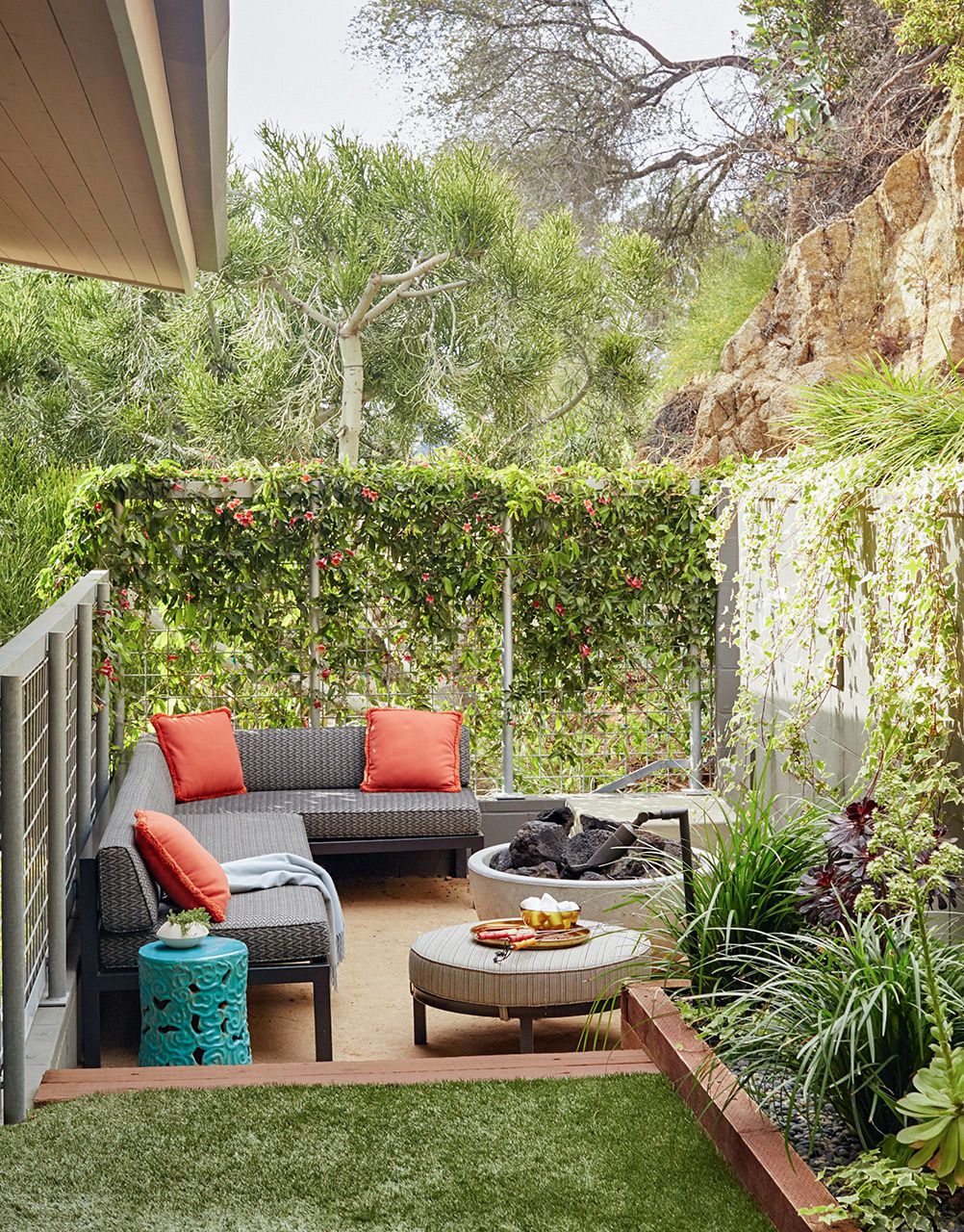
A backyard makeover doesn’t have to come with the kind of price tag that makes you whisper, “Maybe we just… move?” The trick is to think like a designer and a bargain hunter: focus on comfort, function, and a few high-impact upgrades before you start throwing money at stuff that looks cute online but lives a sad life in your garage.
Whether you’ve got a tiny patch behind a townhouse, a wide-open lawn, or a “backyard” that’s basically a patio plus vibes, these ideas are built around one principle: spend small, win big. Use what you already own, shop secondhand, lean on low-cost materials like mulch and gravel, and create “outdoor rooms” that make the space feel intentional. Bonus: most of these upgrades are weekend-friendly, renter-flexible (with a little creativity), and scalable for any yard size.
Start With the High-Impact (Almost-Free) Fixes
-
Declutter like you’re staging a house (because you are)
Pull everything out: broken pots, mystery hoses, the chair that wobbles in a way that feels personal. Keep only what you use. Even a small patio feels bigger when it isn’t hosting a junk museum.
-
Power-wash or scrub what you already have
Dirt is sneaky “decor.” Clean concrete, pavers, railings, and outdoor furniture and you’ll get a makeover without buying a thing. If you don’t own a washer, many hardware stores rent them for less than a new outdoor rug.
-
Define zones with a simple layout (no fancy software required)
Sketch three zones: sit, eat, grow/play. Even in a tiny yard, separating “lounging” from “grilling” makes the space feel like an outdoor living room instead of “the area behind the house.”
-
Borrow indoor style tricks: one anchor + two accents
Pick one “anchor” (a rug, table, or bench), then add two accents (pillows, lanterns, planters). This keeps you from buying ten random things that don’t match and then blaming the backyard.
-
Shop your own home first
That spare side table? Outdoor plant stand. That old tray? Drink station. That extra shelf? Herb display. The cheapest backyard idea is a creative rebrand of something you already paid for.
-
Refresh with paint in the right places
A small can of exterior paint can transform a tired fence panel, planter, mailbox post, or metal chair set. Choose one color and repeat it in 2–3 spots so it looks intentional (not like a paintball incident).
-
Create a “tiny wow moment” right outside the door
Add a doormat, a pot with a bold plant, and one solar light. That little landing zone sets the tone and makes the whole yard feel cared for, even if the far corner is still in its “before” era.
Budget Hardscaping That Looks Expensive (But Isn’t)
-
Build a pea gravel patio (DIY-friendly, surprisingly stylish)
Pea gravel is one of the lowest-cost ways to create a patio look. Use landscape fabric to reduce weeds and add edging to keep stones from migrating. It’s great for small yards and awkward corners, and it drains well after rain.
-
Make a gravel path to “tell feet where to go”
A simple gravel path instantly makes a backyard feel designed. Use a gentle curve in large yards or a straight shot in small spaces. Border it with bricks, stones, or even cut logs for a clean edge.
-
Use mulch as a “soft walkway” in garden areas
Mulch isn’t just for beds. It’s a budget path material that looks natural, feels nice underfoot, and is easy to refresh. Keep it tidy with edging and you’ll get a landscaped look for less.
-
“Concrete pavers + gravel” for a modern stepping-stone vibe
Set large, basic pavers with gravel between them for a clean, modern look that costs way less than a full paver patio. It’s especially good for small yards where a few square feet make a big difference.
-
Edge garden beds for instant “professional” energy
Crisp edging makes everything look more expensivelike ironing a shirt before a photo. Use metal edging, bricks, stone, or a clean spade-cut edge. It also helps keep mulch where it belongs.
-
Make a mini “landing pad” with decomposed granite or gravel
Don’t have room (or budget) for a full patio? Create a small pad for two chairs and a side table. A 6′ x 6′ space can feel like a destination, not an afterthought.
-
Use “border rows” of pavers to sharpen messy edges
If your lawn meets your beds in a wiggly line, add a single row of pavers or bricks to define the boundary. This is a low-cost way to make mowing easier and beds look crisp.
-
Create a DIY “patio extension” with outdoor rugs
Outdoor rugs are cheaper than hardscape and can visually expand a small patio. Layer a rug under seating to define the lounge zone and make it feel like an outdoor room.
-
Install a simple border to stop gravel from wandering
Loose materials need a boundary. Use inexpensive edging, pressure-treated boards, or bricks. This keeps your gravel patio or path looking neat instead of slowly relocating into the lawn like it pays rent.
Seating and Comfort Without the Patio-Furniture Price Tag
-
Build a cinder block bench (cheap, sturdy, endlessly customizable)
Stack cinder blocks and slide in lumber to create a bench. Add cushions and it looks intentional, not industrial storage. It works great along a fence line in small yards or around a fire pit in larger spaces.
-
Turn pallets into a low lounge (with cushion “upgrades”)
Pallet seating can be a budget win if you sand rough spots, keep it level, and invest in washable cushions. Use two pallets for depth, or one pallet for a slim bench on a tight patio.
-
Buy seating secondhand and unify it with cushions
Thrift stores and online marketplaces are full of mismatched outdoor chairs. The cheat code is matching cushions or pillow covers. Suddenly it’s “eclectic,” not “I found this on Tuesday.”
-
Create floor seating with outdoor pillows and poufs
For small patios, swap bulky chairs for floor cushions and low tables. It feels cozy, packs away easily, and costs less than a full furniture set. Just store cushions dry when it rains.
-
DIY a simple shade sail look (without the fancy hardware)
Shade is comfort. Use a basic outdoor-rated fabric canopy or shade cloth anchored securely to sturdy points. Even partial shade can make a patio usable on hot afternoons.
-
Use a patio umbrella strategically (one umbrella, many jobs)
A single umbrella can shade a dining set, a lounge chair, or a kids’ play spot. If you’re short on space, look for a tilt feature so you can angle it as the sun moves.
-
Add a hammock zone (small yards included)
No trees? Use a freestanding hammock stand. It’s often cheaper than a loveseat and turns even a narrow side yard into a relax-worthy nook. Add a small table and you’re basically on vacation.
-
Make a “warmth corner” with a portable fire bowl (where allowed)
If local rules permit, a small portable fire pit can extend your outdoor season without a built-in install. Keep safety in mind: stable surface, clearance from structures, and never leave it unattended.
Landscaping Upgrades That Save Money Long-Term
-
Mulch like a pro (and stop paying the weed tax)
A 2–4 inch layer of mulch helps conserve moisture and suppress weeds, which means less watering and less weeding. It also makes beds look instantly finished.
-
Try sheet mulching to expand beds cheaply
Sheet mulching (a.k.a. “lasagna gardening”) uses cardboard plus organic layers to smother grass and improve soil over time. It’s a budget-friendly way to turn lawn into planting space without renting heavy equipment.
-
Go native (your weekend schedule will thank you)
Native plants are adapted to local conditions, so they often need less watering and fussing once established. Ask a local garden center or extension office what thrives in your region.
-
Grow in containers to “decorate” small spaces fast
Containers let you add greenery without digging. Use matching pots for a clean look, or mix sizes in the same color family. It’s one of the quickest ways to soften a patio or deck.
-
Start from seed for big impact on a small budget
Seeds cost less than mature plants and give you more variety. Use inexpensive trays or repurposed containers, then transplant outside. It’s the slow-burn version of a backyard glow-up.
-
Build a simple raised bed (or just one) for “garden energy”
You don’t need a full vegetable garden to get the vibe. One raised bed with herbs, lettuce, or flowers adds life and purpose. Keep it small so it stays fun, not stressful.
-
Start composting to turn “waste” into free soil improvement
Composting can be as simple as a contained pile or bin in a convenient, accessible spot. Over time, it boosts soil quality and reduces how much bagged soil and fertilizer you buy.
-
Use a rain barrel to save water and reduce runoff
Collecting rainwater is a budget-friendly way to water gardens (and it can help reduce stormwater runoff problems). Many communities also offer rebates or discounted barrelsworth checking locally.
Privacy, Shade, and “Make It Feel Like a Retreat” Tricks
-
Hang outdoor string lights for instant ambiance
String lights are one of the highest mood-per-dollar upgrades. Use lights rated for outdoor use, and plug into a GFCI-protected outlet for safety. Drape them above seating to make the space feel intentional.
-
Add solar path lights (easy, no wiring, big payoff)
Solar lights can outline a path, highlight planters, and make a small yard feel more polished at night. They’re also a practical safety upgrade around steps and edges.
-
Create privacy with a budget screen
Try bamboo fencing, outdoor curtains, or a simple trellis with climbing plants. Privacy makes a small space feel cozy and makes a large space feel more “room-like.”
-
Use tall planters to block views (and add style)
Tall pots with grasses or upright plants can form a “green wall” without building anything permanent. This is a great option for patios, rentals, and small yards with close neighbors.
Fun + Functional Add-Ons for Entertaining (On a Budget)
-
DIY an outdoor movie setup with a simple backdrop
Use a white sheet, a blank wall, or an inexpensive outdoor screen. Add blankets, floor cushions, and a snack tray. You’ll get maximum summer-memories per dollar.
-
Paint a game area (yes, even on concrete)
A small painted checkerboard, hopscotch, or ring-toss target can turn a plain patio into a hangout. It’s especially great for familiesor adults who are extremely competitive about bean bags.
-
Create a “serve-yourself” drink station
Repurpose a small shelf, cart, or table as a beverage station with a bucket for ice and a tray for cups. It keeps guests out of the kitchen and makes the backyard feel party-ready.
-
Make one signature focal point (and stop there)
A small fountain, a bold planter grouping, a painted mural panel, or a sculptural piece of driftwoodchoose one. One strong focal point makes the whole yard feel styled without needing 47 other purchases.
Real-World “Cheap Backyard” Experiences (About )
The best budget backyards aren’t built by people with unlimited cashthey’re built by people with a plan, a realistic Saturday timeline, and a healthy respect for the fact that outdoor projects always take longer than the internet claims. One of the most common “aha” moments is realizing that you don’t need to upgrade the entire yard at once. You need one finished corner that invites you outside. The moment you can sit comfortably with a drink, you start using the spaceand once you use it, you naturally notice what’s missing (and what was never necessary).
Another lesson: texture beats size. A small patio with a rug, string lights, and two planters feels more welcoming than a huge lawn with nowhere to sit. People often spend money on big-ticket items first, then realize the space still feels awkward because there’s no “room” structure. When you create zones even with cheap materials like gravel and mulchyou’re telling your brain, “This is where we hang out.” That mental shift is weirdly powerful.
Budget projects also teach you the difference between “cheap” and “cost-effective.” For example, bargain solar lights can be fantastic, but if you buy the least durable option three times, it stops being a deal. The sweet spot is often mid-range basics used thoughtfully: fewer lights placed where they matter, fewer planters grouped for impact, fewer cushions in washable covers that survive real weather and real life. Spending a little more on the pieces you touch and uselike seating comfort and lighting safetyusually saves money (and frustration) later.
Landscaping is similar. The most satisfying low-cost upgrades are the ones that reduce maintenance. A tidy edge, a good mulch layer, and a few hardy plants can make a yard look “finished” while cutting down on weeding and watering. People are often surprised by how much mulch and edging change the vibebeds look cleaner, paths look intentional, and the whole yard feels calmer. Sheet mulching can feel slow at first, but it’s a classic “future you” project: less lawn to mow, more planting space, and better soil without hauling endless bags home.
Finally, there’s the social side. Once you add one cozy elementstring lights, a tiny fire bowl, or an outdoor movie night setupyour backyard becomes a place where memories happen. That matters, because it helps you resist impulse buys. When the space is already enjoyable, you can wait for end-of-season sales, check thrift stores, or repurpose what you have. The backyard grows in layers, not in one expensive spree. And honestly? That’s usually the version that feels the most personalbecause it was built by you, one smart (and slightly chaotic) weekend at a time.
Conclusion
Cheap backyard ideas work best when they solve real problems: no seating, no shade, messy edges, or a layout that doesn’t invite you outside. Start with the basics (clean, define zones, add comfort), then level up with low-cost hardscaping, smart landscaping, and lighting that makes the space usable after sunset. If you aim for one finished “outdoor room” first, your backyard will feel better immediatelyno matter how big or small it is.