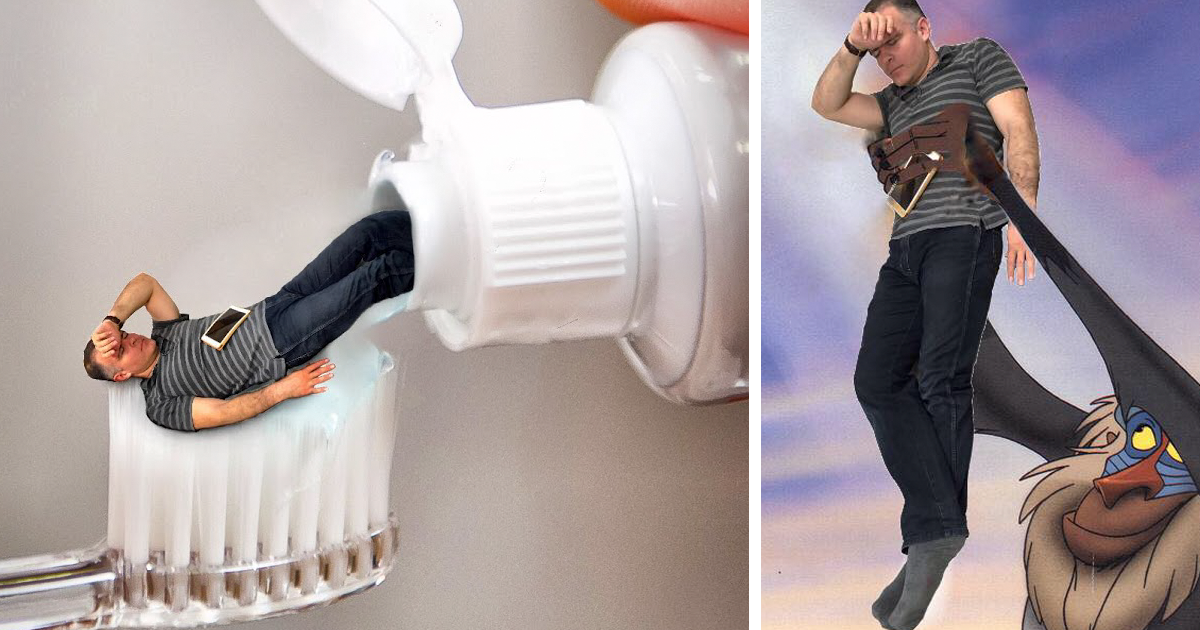
Every office has its legends. Some involve a printer that only works after being insulted. Some involve a mysterious fridge container that has been there since the Obama administration. And then there are the rare, golden workplace moments that escape the break room, sprint across the internet, and become meme history. One of those moments happened when Zeev Farbman, CEO and co-founder of Lightricks, reportedly took a nap at workand his employees decided his peaceful snooze deserved a much bigger stage.
The result was not a stern HR memo, a whispered “should we wake him?” debate, or a passive-aggressive Slack thread. Instead, his team did what any group of creative digital professionals armed with editing skills and a sense of humor might do: they turned their sleeping CEO into a Photoshop adventure. Suddenly, Farbman was not merely resting on a couch. He was traveling through pop culture, joining famous scenes, becoming part of absurd visual jokes, and proving that sometimes the best brand story begins with one very tired boss.
The story became popular because it hit several internet sweet spots at once: workplace humor, Photoshop creativity, a relaxed boss, and the universal human truth that everyoneyes, even CEOseventually needs a nap. It was funny, harmless, surprisingly charming, and oddly wholesome. In a digital world often fueled by outrage, the image of employees playfully remixing their leader into ridiculous situations felt refreshingly human.
The Real Story Behind the Sleeping CEO Photoshop Meme
The viral story centered on Zeev Farbman, the co-founder and CEO of Lightricks, a company known for visual creativity and mobile editing tools such as Facetune, Photoleap, and Videoleap. Lightricks was founded by a group of computer science researchers and has built its reputation around making sophisticated image and video editing accessible to everyday creators. In other words, this was not a random office where someone discovered the crop tool for the first time. This was a company full of people who understood pixels the way chefs understand butter.
According to public reports about the incident, Farbman fell asleep between meetings. Someone captured the original nap photo, and the team began editing him into famous, bizarre, and hilarious scenes. The edits reportedly included pop culture references, cinematic setups, and visual gags that transformed a normal workplace nap into a full-blown internet event.
Part of the humor came from the contrast. A CEO is usually imagined as serious, polished, and too busy to blink. Here was the leader of a creative tech company caught in the most relatable pose possible: asleep, vulnerable, and completely unaware that his employees were about to book him a first-class ticket to Meme City.
Why This Photoshop Adventure Went Viral
Viral content usually spreads because it is easy to understand in one second and fun enough to share in two. This story had both qualities. You did not need to know corporate strategy, startup funding, or the inner workings of photo-editing software. The joke was instantly clear: boss falls asleep, employees Photoshop him into ridiculous places. That is a complete comedy engine in ten words.
The story also benefited from the “Photoshop battle” tradition, where internet users take one original image and remix it into many creative variations. These battles became popular because they combine competition, comedy, design skill, and surprise. A good Photoshop battle feels like watching a room full of comedians and graphic designers play tennis with the same visual joke. Each new edit tries to top the last.
In this case, the original image was especially flexible. A sleeping person can be placed almost anywhere: floating through space, reclining in a Renaissance painting, relaxing on a movie poster, riding a giant animal, lying in a royal portrait, or appearing as the world’s calmest action hero. The pose itself becomes a blank canvas. The less dramatic the original nap, the funnier the dramatic edits become.
The Best Part: The CEO Apparently Took It Well
The reason this story remains charming is not only the Photoshop work. It is also the implied workplace culture. For employees to turn their CEO into a meme, there must be at least some level of trust, playfulness, and psychological safety. In a rigid, fear-based office, nobody is opening Photoshop when the boss falls asleep. They are pretending not to notice, avoiding eye contact, and updating their résumés just in case.
But this prank suggested a different environment: one where leadership could be human, employees could be funny, and creativity could happen outside formal assignments. That matters. Humor at work can help people bond, reduce tension, and create shared memories. Of course, workplace humor needs boundaries. The best office jokes punch up gently, avoid humiliation, and leave everyoneincluding the subjectable to laugh. This prank worked because it felt affectionate rather than cruel.
There is a big difference between making someone the butt of a joke and inviting someone into a shared joke. The sleeping CEO adventure landed closer to the second category. It turned a candid moment into a playful celebration of the company’s creative DNA.
What the Meme Says About Modern Workplace Culture
The sleeping CEO Photoshop story is more than a funny internet post. It reflects a larger shift in how people think about work, leadership, and authenticity. Older corporate culture often demanded a certain kind of executive performance: always alert, always controlled, always wearing the invisible armor of authority. Modern teams, especially in creative and tech industries, often respond better to leaders who are competent but also approachable.
A CEO who can survive being Photoshopped into absurd situations without launching a company-wide investigation sends a subtle message: “I am human, and this workplace has room for humor.” That message can be powerful. Employees are more likely to share ideas when they do not feel like every mistake will be punished. Creativity thrives in environments where people feel safe enough to be a little weird.
This does not mean every office should start photographing sleeping coworkers. Consent, context, and kindness still matter. What made this case work was its light tone and the nature of the company itself. Lightricks builds creative tools, so the prank doubled as an accidental showcase of the team’s skills. The employees did not just make fun of their CEO; they demonstrated the playful imagination behind the company’s products.
Why Falling Asleep At Work Feels So Relatable
Another reason the story connected with people is simple: exhaustion is universal. Most professionals have experienced that heavy-eyelid moment when the body starts negotiating directly with gravity. Maybe it happens after lunch, during a long meeting, or while staring at a spreadsheet that seems to be written in ancient tax wizardry. The sleeping CEO meme reminded viewers that fatigue does not care about job titles.
Sleep has become a serious workplace topic. Poor sleep can affect concentration, memory, decision-making, mood, and safety. In high-pressure industries, people often glorify long hours, but biology remains undefeated. A tired brain does not become more strategic just because the calendar invite says “leadership sync.”
That is why the funniest layer of this story may be the most human one. Farbman was not caught doing something scandalous. He was caught doing something necessary. The body needed rest. The employees needed entertainment. The internet needed content. Everybody got what they came for.
Photoshop Battles: The Internet’s Favorite Creative Playground
Photoshop battles work because they turn audiences into collaborators. Instead of passively viewing one image, people imagine what else that image could become. A sleeping CEO becomes a movie star, a historical figure, a cartoon character, a museum exhibit, or a heroic explorer who somehow naps through danger with excellent commitment to the bit.
This style of humor also rewards visual literacy. The best edits usually rely on familiar references. Viewers laugh because they recognize the scene and then enjoy the absurdity of the new addition. It is the same basic mechanism behind parody: take something familiar, add one unexpected element, and let the brain enjoy the collision.
In the sleeping CEO adventure, the original pose did much of the heavy lifting. A person lying still can be inserted into famous sleeping, flying, falling, floating, or reclining scenarios. The more serious the background, the funnier the nap becomes. Imagine a CEO casually dozing in the middle of an epic movie battle. Imagine him replacing a priceless statue. Imagine him being presented like a royal baby in a dramatic animated scene. The joke keeps renewing itself because the visual setup is so flexible.
Branding Lessons From One Accidental Nap
No marketing team can fully manufacture this kind of moment. They can try, and many do, but the internet has a sensitive nose for forced fun. What made this story appealing was that it felt spontaneous. A real person fell asleep. Real employees made real edits. The comedy seemed to come from inside the culture rather than from a campaign deck labeled “Viral Strategy Q3.”
Still, brands can learn from it. First, personality matters. People remember companies that feel human. Second, creative teams need room to play. Some of the best ideas come from informal experimentation, not scheduled brainstorming sessions where everyone pretends the first idea on the whiteboard is “interesting.” Third, leaders set the emotional temperature. When a leader can laugh at themselves, the entire organization feels a little less stiff.
For Lightricks, the story also aligned perfectly with the company’s mission. A photo-editing company accidentally produced a viral photo-editing story. That is the kind of brand fit marketers dream about while drinking coffee from mugs that say “content is king.” The employees did not need to explain what the company does. They showed it.
The Fine Line Between Funny and Unprofessional
Of course, not every workplace prank is a good idea. The sleeping CEO Photoshop adventure worked because the tone appeared playful and the subject was a powerful person, not a vulnerable employee being mocked by coworkers. That distinction matters. Humor should never become an excuse for embarrassment, bullying, or privacy invasion.
A good workplace joke should pass a few basic tests. Would the person involved probably laugh? Is the joke based on a harmless moment rather than a sensitive issue? Does it avoid personal attacks? Could it be shared without damaging trust? If the answer is no, the joke belongs in the drafts folder, preferably next to other terrible ideas like “reply all with sarcasm.”
In this case, the humor was broad, visual, and absurd. It was not about insulting the CEO’s character, appearance, or performance. It was about placing a sleeping person into wildly inappropriate settings. That kind of silliness is usually safer because the target is the situation, not the person’s dignity.
Why People Still Love This Story Years Later
The internet moves quickly, but certain stories stick because they capture something timeless. This one is not tied to a complicated scandal or a fading trend. It is a simple comedy scene: a boss naps, employees get creative, everyone laughs. That is why it continues to be rediscovered and reshared.
It also represents a fantasy many workers secretly enjoy: the powerful person becomes temporarily powerless, not through cruelty, but through sleep. The CEO is still the CEO, but for one brief moment, the team controls the narrative. They decide whether he visits outer space, joins a movie scene, or becomes the centerpiece of a visual gag. It is workplace role reversal without rebellion.
And because the edits were creative rather than mean, the story feels less like a takedown and more like a tribute. The employees were teasing their leader, but they were also showing off the kind of imagination that makes creative companies interesting in the first place.
What Leaders Can Learn From the Sleeping CEO
Leaders do not need to fall asleep on office furniture to build a better culture. In fact, most executive coaches would probably recommend other methods first. But this story does offer useful lessons.
1. Be Human Enough To Be Funny
People do not trust perfection. They trust consistency, competence, and humanity. A leader who can laugh at an awkward moment shows emotional confidence. That does not mean being unserious. It means not treating every harmless joke like a threat to authority.
2. Let Creative People Play
Play is not the enemy of productivity. In creative environments, it can be fuel. A silly edit, a joke concept, or a side experiment may sharpen the same skills employees use in serious projects. The difference is that play lowers pressure and invites risk-taking.
3. Build Trust Before the Joke
Humor works best in teams where trust already exists. Without trust, jokes can feel dangerous. With trust, they can become shared culture. The sleeping CEO meme was funny because it suggested a workplace where people were comfortable enough to be playful.
4. Respect Rest
The nap itself should not be overlooked. Rest is not laziness; it is maintenance. Leaders who model healthy limits can help teams move away from burnout culture. Sometimes the most productive thing a tired brain can do is briefly shut the laptop and recharge.
Experience Section: What This Story Feels Like in Real Office Life
Anyone who has worked in a busy office knows that the funniest moments are rarely planned. They happen in the margins: while waiting for a meeting to start, during a late-night deadline, after someone discovers a weird stock photo, or when the team is so tired that a typo becomes the funniest sentence ever written. The sleeping CEO Photoshop adventure belongs to that tradition. It feels like the kind of story employees would tell new hires months later: “See that couch? That is where the legend began.”
In real workplace life, shared jokes can become tiny cultural landmarks. They remind people that the office is not just a machine for producing tasks. It is a place where personalities collide, friendships form, and people survive pressure together. A harmless joke can release tension faster than another motivational poster about excellence. In fact, the poster may become part of the joke by Thursday.
The best office humor usually has three ingredients: timing, affection, and creativity. Timing makes the joke land. Affection keeps it from becoming mean. Creativity makes it memorable. The sleeping CEO prank had all three. The timing was perfect because the CEO was literally asleep. The affection showed through because the edits were playful rather than nasty. The creativity came from employees using their actual visual skills to build a miniature comedy universe around one nap.
Many people can relate because every workplace has moments when the formal mask slips. A manager spills coffee before a big presentation. A team lead forgets they are not on mute. Someone’s cat appears on a video call with the confidence of a board chairman. These moments are funny because they reveal the human being under the job title. They remind everyone that professionalism does not require pretending to be a robot with calendar access.
From a team-building perspective, these stories can be surprisingly valuable. A shared laugh becomes a shortcut to connection. Employees who laugh together often communicate more naturally afterward. The mood softens. The hierarchy feels less intimidating. A junior designer may feel more comfortable offering a bold idea when they know the CEO once became the star of a Photoshop safari.
Still, the lesson is not “prank your boss immediately.” The real lesson is to build a workplace where people understand the difference between humor and disrespect. A healthy office can laugh without targeting someone’s insecurities. It can be playful without being careless. It can create funny memories without making anyone dread opening the company chat.
For employees, the story is a reminder that creativity does not always arrive through official channels. Sometimes the best expression of team talent comes from a spontaneous joke. For leaders, it is a reminder that authority becomes stronger, not weaker, when it can survive a little laughter. And for everyone who has ever fought sleep at work, it is a comforting truth: even a CEO can lose a battle with a couch.
In the end, the sleeping CEO Photoshop adventure is funny because it is deeply ordinary and wildly imaginative at the same time. A man took a nap. His employees turned it into art. The internet applauded. Somewhere, office couches everywhere gained a new sense of possibility.
Conclusion
The story of the CEO who fell asleep at work and was taken on Photoshop adventures by his employees remains one of those rare internet gems that feels funny without feeling cruel. It combines workplace humor, creative editing, leadership humility, and meme culture into one unforgettable nap. Zeev Farbman’s accidental starring role showed that even serious companies can have a playful side, and that a moment of rest can become a moment of connection when handled with imagination and kindness.
For readers, the appeal is obvious: it is hilarious to see a sleeping executive dropped into impossible scenarios. For teams and leaders, the deeper message is even better. Healthy workplace culture is not built only through policies, meetings, and performance reviews. It is also built through trust, shared laughter, and the freedom to be human. Sometimes, the most memorable office adventure begins when someone closes their eyes for just a little too long.
Note: This article is written in original American English for web publishing and is based on public reporting about the viral sleeping CEO Photoshop story, Lightricks, workplace humor, meme culture, and sleep-at-work discussions. Source links and citation markers have been intentionally omitted from the HTML for clean publication.