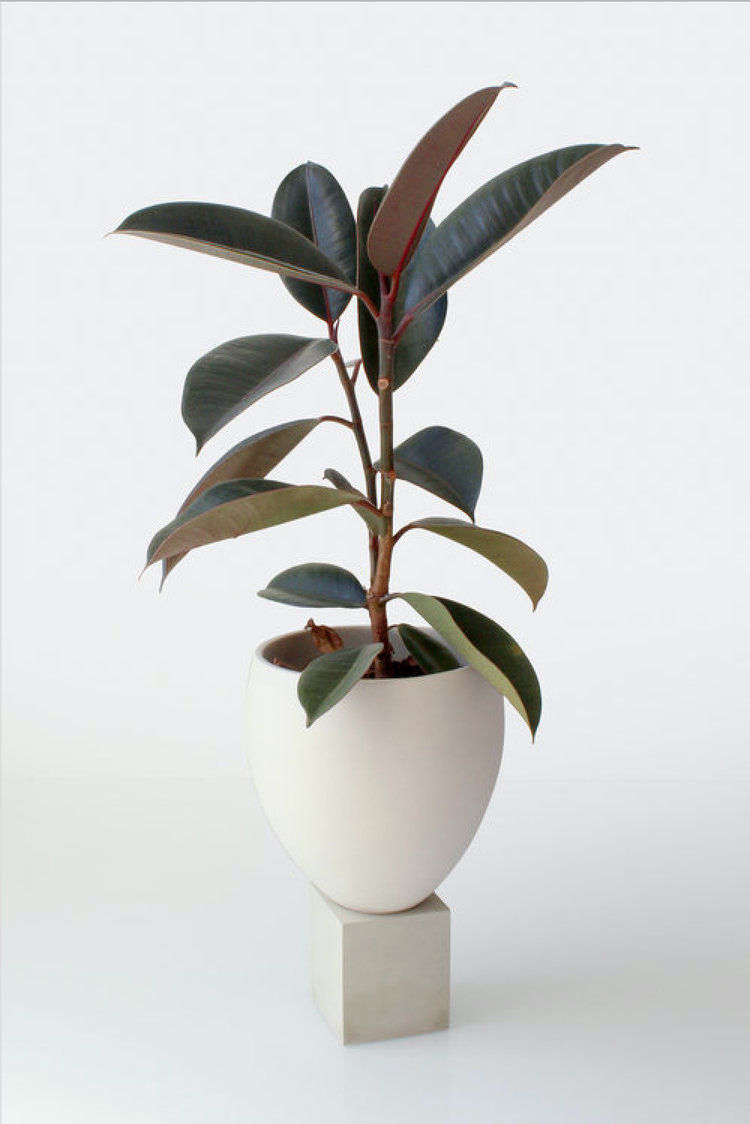
Some planters merely hold plants. The Eleva Ceramic Planter walks into the room, clears its throat politely, and says, “Actually, I am part of the décor.” Minimal, sculptural, and quietly elegant, Eleva is the kind of ceramic planter that makes a small houseplant look intentional rather than accidentally abandoned on a windowsill next to three unpaid bills.
Designed for people who like their greenery with a side of architectural calm, the Eleva planter blends the softness of indoor plants with the clean strength of porcelain and concrete. It is not loud. It does not beg for attention. It simply stands there looking composed, as if it has already done yoga, answered emails, and remembered to water itself.
What Is the Eleva Ceramic Planter?
The Eleva Ceramic Planter is a tabletop planter associated with Light + Ladder, a Brooklyn-based design studio known for simple, functional home objects with organic forms. The planter is described as a porcelain and concrete piece, with a graceful ceramic body and a concrete drainage tray. In other words, it is not just a pot; it is a little stage for your plant’s leafy performance.
Its appeal comes from the balance between delicacy and structure. The porcelain planter gives the piece a smooth, refined appearance, while the concrete base adds weight, contrast, and a grounded modern look. That pairing makes Eleva especially useful in interiors where you want greenery without visual clutter. It works in a living room, bedroom, office, entryway, or any lonely shelf that currently looks like it has given up on joy.
Why Ceramic and Porcelain Planters Are So Popular
Ceramic planters have remained popular because they solve two problems at once: they support plants and improve the look of a room. Plastic nursery pots may be practical, but they rarely whisper “curated home.” A ceramic planter, especially one with a clean matte finish, instantly makes a plant feel more polished.
Porcelain is a type of ceramic known for its dense, refined quality. It often feels smoother and more delicate than rough clay or terracotta, which makes it well suited for modern interiors. Unlike highly porous terracotta, glazed or porcelain-style planters usually hold moisture longer, depending on their finish. That can be helpful for tropical houseplants that prefer consistent moisture, though it also means owners should avoid overwatering. Plants are dramatic enough without turning their roots into soup.
The Design: Simple, Sculptural, and Easy to Style
Eleva’s strongest feature is its sculptural silhouette. It has the type of shape that looks good even before a plant enters the scene. This matters because indoor planters are no longer treated as invisible containers. Modern interior design increasingly treats plants as living décor, and the planter itself becomes part of the furniture story.
The white porcelain body creates a clean visual base that pairs well with many design styles, including minimalist, Scandinavian, Japandi, organic modern, contemporary, and calm coastal interiors. The concrete tray adds texture and a subtle industrial note. Together, the materials create contrast without looking busy.
Best Rooms for the Eleva Ceramic Planter
In a living room, Eleva can sit on a side table, bookshelf, console, or coffee table tray. In a bedroom, it softens a nightstand without stealing space from the very important glass of water you will forget to drink. In a home office, it brings life to a desk without requiring the emotional commitment of a huge floor plant. In an entryway, it creates a small but stylish welcome moment.
Because Eleva has a refined tabletop scale, it is best used where people can see its shape up close. This is not the planter to hide behind a curtain or place on top of a refrigerator, where all good intentions go to collect dust.
Best Plants for the Eleva Ceramic Planter
The best plant for Eleva depends on the planter size, drainage setup, light conditions, and your watering habits. In general, a sculptural ceramic planter works beautifully with plants that have strong shapes, trailing movement, or compact growth.
1. Snake Plant
A small snake plant creates a strong vertical look that complements Eleva’s clean form. Snake plants are famously tolerant and do not need constant watering, making them a good match for busy people, beginners, or anyone whose plant-care style is best described as “hopeful.”
2. Peperomia
Peperomia varieties are compact, charming, and available in many leaf shapes and colors. Their rounded leaves create a soft contrast against porcelain and concrete. They are also manageable in small spaces, which makes them ideal for desktops and shelves.
3. Pothos
A young pothos can look beautiful in Eleva, especially if the vines are allowed to spill gently over the side. The contrast between trailing green leaves and a structured white planter is simple but effective. Just avoid letting the vines become so long that the planter looks like it is wearing a leafy wig.
4. Succulents
Succulents can work well if the planter has excellent drainage and the soil is fast-draining. Since porcelain-style planters may not dry as quickly as terracotta, succulent owners should be careful with watering. When in doubt, wait. Succulents prefer neglect over being loved into a swamp.
5. Mini Philodendron
A compact philodendron adds soft, heart-shaped foliage to the planter. It is a friendly choice for bright, indirect light and can turn a plain shelf into a more relaxed, lived-in corner.
Drainage: The Unsexy Detail That Saves the Plant
Drainage is the difference between a thriving plant and a tragic botanical soap opera. A good planter setup allows extra water to escape so roots can access oxygen. Without drainage, water can collect at the bottom of the pot, leading to root rot and other problems.
Eleva’s concrete drainage tray is a practical design advantage because it helps manage excess water while still looking intentional. However, even with a tray, the basic rule remains: water thoroughly, let extra water drain, and never let the plant sit in standing water for long.
Do Not Use Rocks as a Drainage Fix
Many people still believe that adding rocks to the bottom of a pot improves drainage. Unfortunately, this common trick is more garden folklore than good plant care. Rocks can actually create a perched water zone, keeping the soil above wetter than expected. The better approach is simple: use a planter with proper drainage, choose the right potting mix, and empty any collected water.
Choosing the Right Potting Mix
For most indoor plants, use a high-quality indoor potting mix rather than garden soil. Garden soil can be too dense for containers, reducing airflow around roots. Indoor potting mixes are usually designed to hold some moisture while still allowing drainage and aeration.
For tropical foliage plants, choose a balanced indoor mix with materials such as peat, coir, perlite, bark, or similar aerating ingredients. For succulents and cacti, use a gritty cactus or succulent mix that dries faster. Matching the soil to the plant is like matching shoes to an outfit: technically optional, but things go much better when you do it right.
How to Water Plants in the Eleva Ceramic Planter
The best watering routine is not based on a strict calendar. Instead, check the soil. For many houseplants, you can test the top one to two inches of soil with your finger. If it feels dry at that depth, it may be time to water. If it still feels damp, step away from the watering can like a responsible adult.
When watering, pour slowly and evenly until moisture reaches the lower part of the root ball and excess water can drain out. Afterward, remove standing water from the tray if needed. This protects the roots from staying too wet and keeps the planter area clean.
How Eleva Fits Into Modern Home Décor
The Eleva Ceramic Planter works especially well in interiors that value calm materials, negative space, and natural texture. The porcelain brings lightness. The concrete adds grounding. The plant adds life. Together, the combination feels modern without becoming cold.
For a minimalist room, use Eleva with a single architectural plant, such as a small snake plant or upright succulent. For a warmer organic modern space, pair it with wood, linen, stone, woven baskets, and soft neutral colors. For a more eclectic room, let Eleva act as the quiet piece that keeps louder colors and patterns from starting a furniture argument.
Styling Ideas
Place Eleva on a stack of design books to add height to a coffee table. Use it on a floating shelf beside framed art and a small candle. Set it on a home office desk to soften the technology overload. Pair it with other ceramic objects in different shapes but similar tones. Or give it a solo spotlight on a console table, where its sculptural form can do what sculptural forms do best: look expensive while saying almost nothing.
Who Should Buy the Eleva Ceramic Planter?
Eleva is a good fit for people who want a planter that looks like part of the room, not an afterthought. It is especially appealing to design lovers, apartment dwellers, plant beginners with good taste, and gift shoppers looking for something more memorable than another candle.
It may not be the best choice for very large plants, outdoor abuse, or people who want lightweight plastic containers they can move around every five minutes. Porcelain and concrete have presence, which is designer language for “please lift carefully.”
Care and Cleaning Tips
To keep Eleva looking fresh, wipe the ceramic surface with a soft damp cloth. Avoid harsh scrubbers that could damage the finish. If mineral deposits appear from hard water or fertilizer residue, clean gently and adjust your watering habits. Empty the drainage tray after watering when needed, and occasionally check the bottom of the planter for moisture marks.
If using Eleva on wood furniture, consider placing a discreet protective pad beneath the base. This is not glamorous advice, but neither is discovering a water ring on your favorite table.
Common Mistakes to Avoid
Overwatering
The most common mistake is watering too often. Ceramic and porcelain planters can retain moisture differently from porous clay, so always test the soil before watering again.
Choosing the Wrong Plant
A tiny planter is not the place for a plant that wants to become a jungle by next Thursday. Choose compact plants with root systems that suit the container.
Ignoring Light Conditions
A beautiful planter cannot save a sun-loving plant in a dark hallway. Match the plant to the available light first, then enjoy the styling.
Letting Water Sit in the Tray
A drainage tray is useful, but it is not a tiny swimming pool for roots. Empty excess water after the plant has drained.
Experience Notes: Living With the Eleva Ceramic Planter
The everyday experience of using the Eleva Ceramic Planter is mostly about how much visual calm it brings to a room. Some planters look decorative only when photographed from one perfect angle, preferably by a person standing on a chair and whispering, “natural light, please.” Eleva is easier. Its shape is quiet enough to blend in, but interesting enough to make a tabletop feel styled.
On a desk, the planter creates a small pause in the middle of keyboards, charging cables, notebooks, and whatever snack wrapper was definitely going to be thrown away “in a minute.” A compact plant in Eleva can make a workspace feel less mechanical and more human. It gives the eye something soft to land on during long work sessions, which is helpful when the inbox begins acting like a haunted house.
In a living room, Eleva works best when given breathing room. Because the planter has a sculptural quality, it does not need a crowd of accessories around it. A single plant, a book, and perhaps one small object nearby are enough. Too many surrounding pieces can distract from the clean porcelain form and the contrast of the concrete tray.
The planter also makes plant care feel more intentional. A plastic nursery pot can be ignored because it looks temporary. Eleva feels permanent, so it gently encourages better habits. You notice when the leaves droop. You remember to check the soil. You become the sort of person who says, “Let me see if the potting mix is dry,” and honestly, congratulations on your growth as a citizen.
One practical experience to expect is weight. The porcelain and concrete combination feels more substantial than thin plastic or lightweight resin. That is part of its charm, but it also means the planter should be placed thoughtfully. Once styled on a shelf, desk, or table, it is happiest staying there rather than being shuffled around like a nervous chess piece.
Another experience is the pleasure of contrast. Green leaves look especially crisp against white porcelain. Trailing plants soften the planter’s structure, while upright plants emphasize its architectural lines. This makes Eleva flexible: it can look serene with a pale room, dramatic against dark wood, or gallery-like on a clean white shelf.
The drainage tray adds peace of mind, but it still requires attention. After watering, checking the tray becomes part of the ritual. It takes only a moment, and it prevents the classic indoor plant disaster: roots sitting in water while the owner proudly says, “But I watered it!” Plant care is sometimes less about doing more and more about stopping at the right time.
As a gift, Eleva feels thoughtful because it is both useful and decorative. It suits plant lovers, design fans, new homeowners, apartment dwellers, and anyone trying to make a room feel more finished. Add a low-maintenance plant, and the gift becomes complete without needing a speech. The plant says life; the planter says taste; the concrete tray says, “I have considered drainage, because I am mature now.”
Final Verdict
The Eleva Ceramic Planter is a strong choice for anyone who wants an indoor planter that feels refined, sculptural, and practical. Its porcelain body and concrete tray create a balanced design that supports both plant health and home style. It is best for small to medium tabletop plants, especially those that benefit from a stable, attractive container with smart drainage support.
More than anything, Eleva proves that a planter does not have to shout to be noticed. Sometimes the most elegant object in the room is the one quietly holding a plant, catching the light, and making everyone else wonder why their shelf does not look that good.