Note: This original article synthesizes real design, architecture, lifestyle, travel, and landscaping knowledge from reputable U.S. sources. Source links are intentionally omitted for clean web publishing.
California Cool is not just a decorating style. It is a whole mood with the windows open, a linen shirt pretending it never wrinkles, and a room that somehow looks expensive without acting like it knows. The look blends indoor-outdoor living, coastal ease, midcentury modern lines, natural materials, artful imperfection, and that famous West Coast confidence that says, “Yes, the dog is allowed on the sofa, but the sofa is custom.”
Think of this article as a stylish table of contents for understanding California Cool: where it comes from, what it looks like, how it works in real homes, and how to use it without turning your living room into a souvenir shop with a surfboard problem. From Palm Springs modernism to Santa Barbara Spanish Revival, from breezy Venice bungalows to Bay Area retreats surrounded by redwoods, California Cool is less about copying one room and more about designing for light, comfort, climate, and personality.
What Is California Cool?
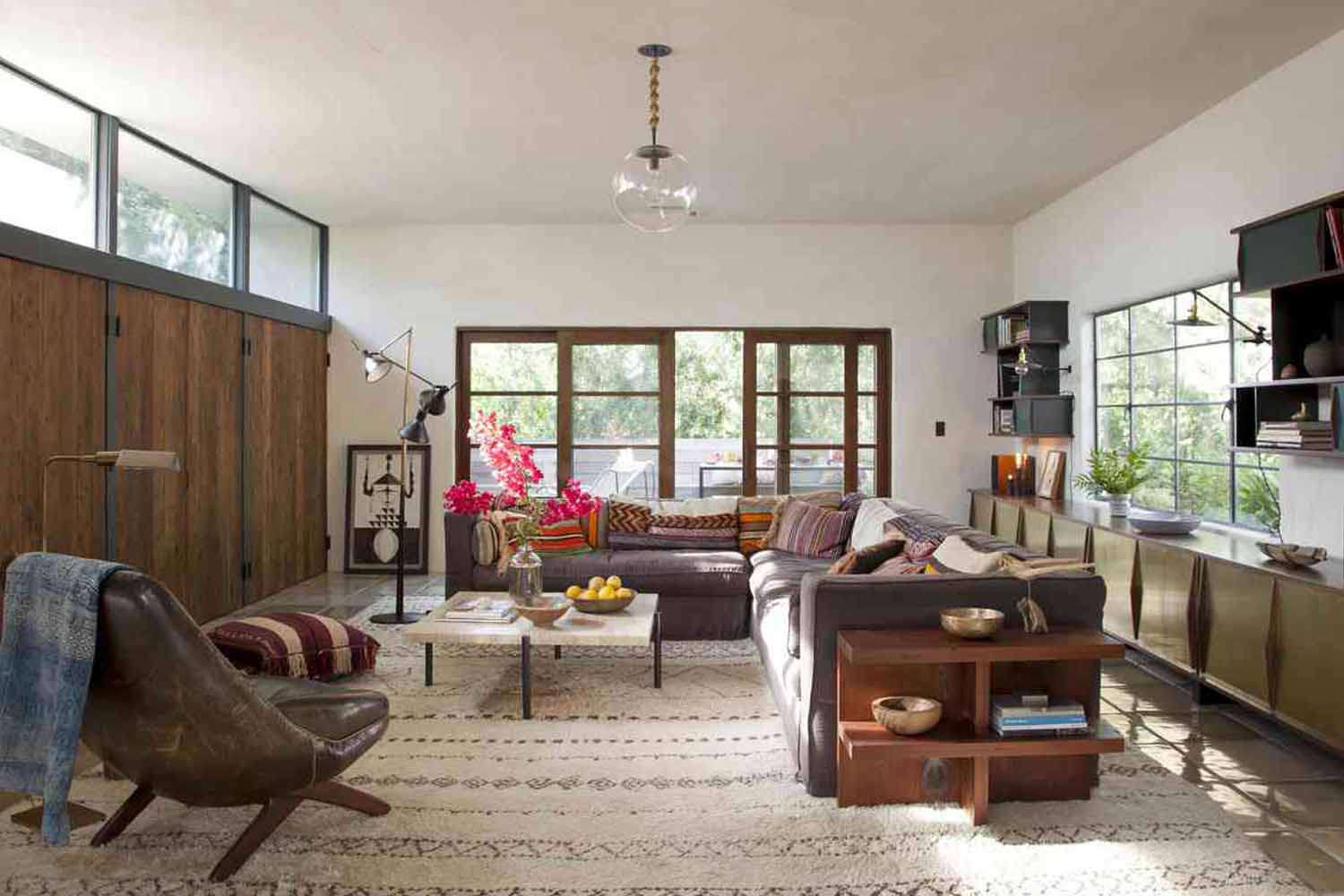
California Cool is a relaxed yet polished design style rooted in the Golden State’s architecture, landscape, and lifestyle. It favors open spaces, warm neutrals, natural textures, casual luxury, and easy movement between inside and outside. It can feel coastal, desert, bohemian, midcentury, rustic, minimalist, or glamorous depending on where you are in the state. Los Angeles may bring vintage furniture and sculptural lighting. Palm Springs adds clean lines, breeze blocks, and poolside confidence. Northern California contributes organic materials, quiet luxury, and a deep respect for nature.
The style works because it does not try too hard. A California Cool room usually has sunlight, texture, comfortable seating, greenery, and at least one thing that feels collected rather than bought in a panic at 9:42 p.m. online. The best versions are personal, layered, and practical. They look camera-ready, yes, but they also make room for sandy shoes, dinner parties, morning coffee, and the occasional avocado toast incident.
Chapter 1: The Roots of the Look
Midcentury Modern and the Case Study Spirit
One major ingredient in California Cool is midcentury modern design. After World War II, California became a laboratory for new ways of living at home. The Case Study House Program, launched in Los Angeles by Arts & Architecture magazine, encouraged architects to experiment with efficient materials, open floor plans, and modern construction. The Eames House in Pacific Palisades remains one of the most famous examples, showing how steel, glass, color, nature, and everyday living could work together beautifully.
Palm Springs pushed this modernist energy into desert glamour. Low-slung roofs, glass walls, post-and-beam structures, terrazzo, stone, and strong indoor-outdoor connections helped define the city’s iconic midcentury look. The result still feels fresh because it was built around climate and lifestyle, not decoration for decoration’s sake.
Spanish Revival, Craftsman Warmth, and Coastal Ease
California Cool is not only modernism. Spanish Colonial Revival architecture shaped Southern California with white stucco walls, clay tile roofs, arched openings, courtyards, iron details, and shaded patios. In Pasadena, the Arts and Crafts movement gave California another layer of warmth through woodwork, handmade details, and deep respect for craftsmanship. Coastal communities added breezy colors, woven textures, and casual furniture designed for light, salt air, and long conversations.
That mix is why California Cool can include a rattan chair, a vintage Moroccan rug, a plaster fireplace, a midcentury credenza, a linen sofa, handmade ceramics, and a giant sliding glass door without starting a design argument. The style is flexible because California itself is wildly varied.
Chapter 2: The California Cool Color Palette
The classic California Cool palette begins with warm whites, soft creams, sand, oatmeal, clay, driftwood gray, pale oak, and sun-faded beige. But this does not mean boring. The best rooms use neutrals as a calm background, then add richer tones inspired by the landscape: terracotta, olive green, deep navy, muted sage, dusty rose, golden ocher, charcoal, and ocean blue.
For a coastal version, pair white walls with pale wood, linen, sea-glass tones, and black accents. For a desert version, use warm plaster, rust, stone, leather, cactus green, and brass. For a Northern California version, lean into redwood, mushroom, fog gray, moss, and deep espresso. California Cool is not afraid of color, but it usually prefers color that feels sun-washed rather than freshly shouted from a paint can.
Chapter 3: Materials That Make the Style Work
California Cool is highly tactile. It asks to be touched, leaned on, walked across barefoot, and maybe admired while holding an iced coffee. Natural materials are essential. Linen, cotton, wool, leather, rattan, cane, jute, oak, walnut, stone, clay, plaster, ceramic, and concrete all belong in the conversation.
The magic comes from contrast. A linen slipcovered sofa feels softer beside a black metal floor lamp. A sleek marble counter looks warmer with hand-thrown pottery. A modern dining table feels less severe when surrounded by woven chairs. In California Cool interiors, texture does the heavy lifting so the room does not need too many busy patterns.
Chapter 4: Indoor-Outdoor Living
If California Cool had a national anthem, it would probably be a sliding door opening to a patio. Indoor-outdoor living is central to the look because much of California’s climate supports it. Homes often blur boundaries with large windows, glass doors, terraces, courtyards, covered patios, outdoor kitchens, fire pits, and gardens that feel like extensions of the living room.
To recreate this idea anywhere, repeat materials and colors inside and outside. Use similar wood tones, matching cushions, durable outdoor rugs, potted plants, lanterns, and comfortable seating. The goal is not simply to place chairs outdoors. The goal is to make the patio feel like a room and the living room feel connected to fresh air.
Chapter 5: Furniture With a Relaxed Backbone
California Cool furniture is comfortable, but it should not collapse into shapelessness. Look for clean lines, generous proportions, low profiles, and honest materials. A linen sectional, a vintage leather lounge chair, a wood coffee table, a woven bench, and a sculptural side table can create a room that feels casual and composed.
Midcentury silhouettes work especially well: tapered legs, simple frames, open bases, and organic shapes. But the style becomes more interesting when mixed with pieces from other eras. Add an antique stool, a handmade ceramic lamp, a rustic farm table, or a contemporary artwork. A room that looks collected over time will always feel more California Cool than one purchased as a matching set. Matching sets are where personality goes to take a long nap.
Chapter 6: Art, Objects, and the “Collected” Feeling
California Cool interiors rarely feel empty, even when they are minimal. They use carefully chosen objects: framed photography, abstract paintings, vintage textiles, surf-inspired art, local ceramics, design books, wooden bowls, woven baskets, and sculptural branches. The key is restraint. Every object should look like it has a reason to be there, even if the reason is simply, “It makes the room feel less like a rental listing.”
Open shelving is popular in this style because it creates a natural place for personality. But it must be edited. Mix vertical and horizontal stacks of books, ceramics, small artworks, and practical items. Leave breathing room. California Cool is relaxed, not cluttered. A shelf should say “curated life,” not “yard sale trapped in traffic.”
Chapter 7: Landscaping the California Cool Way
Outside, California Cool often means water-wise, climate-conscious landscaping. Instead of thirsty lawns, many homeowners are choosing native plants, drought-tolerant gardens, gravel paths, decomposed granite, ornamental grasses, succulents, sages, yarrow, manzanita, ceanothus, agave, lavender, and olive trees. These landscapes can look soft, modern, wild, or architectural depending on the planting plan.
The best California-inspired garden is not just pretty. It supports local conditions. It uses shade where needed, captures outdoor living space, and reduces maintenance over time. Layering matters: low ground covers, medium shrubs, taller grasses, and statement trees create depth. A few large planters often look better than a dozen tiny pots standing around like they are waiting for instructions.
Chapter 8: Room-by-Room California Cool Ideas
Living Room
Start with a comfortable sofa in linen, cotton, or performance fabric. Add a natural fiber rug, a wood or stone coffee table, layered pillows, and one bold art piece. Keep the window treatments light. If the room has a fireplace, plaster or limewash can soften the surface and add depth.
Kitchen
A California Cool kitchen usually balances clean function with warmth. Think flat-front oak cabinets, handmade tile, open shelves, stone counters, brass or matte black hardware, and stools with woven seats. White kitchens still work, but they need texture to avoid looking like a dental office with pendant lights.
Bedroom
The bedroom should feel calm, breathable, and gently layered. Use linen bedding, warm lighting, wood nightstands, a textured rug, and art that does not yell before breakfast. A neutral palette with one earthy accent color can make the space feel restful without becoming dull.
Bathroom
Plaster walls, zellige-style tile, stone sinks, warm metals, and simple mirrors work beautifully. Add a small stool, a woven hamper, or a ceramic vase to keep the space from feeling too sterile. California Cool bathrooms often feel spa-like, but with more soul and fewer cucumber slices.
Patio
Treat the patio like a real room. Use comfortable seating, a durable rug, side tables, lanterns, planters, and shade. If space allows, create zones for dining and lounging. Even a small balcony can feel California-inspired with a bistro table, climbing plants, and a cushion that does not immediately surrender to weather.
Chapter 9: How to Avoid California Cool Clichés
The biggest mistake is turning California Cool into a theme. You do not need surfboards, seashell bowls, “Beach This Way” signs, or enough pampas grass to alarm the fire department. The style works best when it feels inspired by California rather than dressed in a costume.
Another mistake is making everything beige. Warm neutrals are beautiful, but too many similar tones can flatten a room. Add contrast through black accents, dark wood, greenery, art, ceramics, or patterned textiles. Finally, do not forget comfort. A chair can be gorgeous, but if sitting in it feels like negotiating with a sculpture, it is not California Cool. It is California Cruel.
Chapter 10: Why California Cool Stays Popular
California Cool remains popular because it answers how many people want to live now: casually, beautifully, flexibly, and closer to nature. It respects design history without feeling frozen in a museum. It allows vintage and modern pieces to coexist. It makes room for sustainability, outdoor living, family life, entertaining, remote work, and personal expression.
At its best, California Cool is not a trend. It is a design philosophy. It asks a simple question: How can a home feel lighter, warmer, easier, and more connected to the life happening inside it? That question works in Malibu, Oakland, Austin, Brooklyn, or a small apartment nowhere near the Pacific. You do not need an ocean view. You need light, texture, comfort, and the courage to stop buying matching furniture sets.
Experiences Related to “Table of Contents: California Cool”
Experiencing California Cool in real life is different from seeing it in a perfectly styled photo. In pictures, everything looks effortless. In person, you realize the effort is simply hidden under good decisions. A California Cool home often begins with how it feels when you walk in: the air moves easily, the light is soft, the furniture invites you to sit down, and nothing seems too precious to use.
One of the most memorable experiences is visiting homes where indoor and outdoor spaces behave like old friends. A kitchen opens onto a deck. A living room looks straight into a garden. A dining table sits near doors that disappear into the wall. Suddenly, the house feels larger without adding a single square foot. You understand why Californians treat patios, courtyards, and terraces as essential living areas rather than decorative leftovers.
The style also teaches patience. A truly convincing California Cool room rarely comes from one shopping trip. It grows through layers: a vintage chair found at a flea market, a ceramic bowl from a local maker, a woven rug that softens the floor, a framed print picked up during travel, a plant that somehow survives despite everyone’s busy schedule. These details matter because they make the home feel lived in, not staged for applause.
Another useful lesson is that comfort and elegance do not have to be enemies. Many people assume a stylish room must feel formal, but California Cool proves the opposite. A relaxed linen sofa can look refined. A rustic table can sit under a modern pendant. A handmade tile backsplash can make a simple kitchen feel special. The style gives permission to mix high and low, old and new, polished and imperfect.
There is also an environmental experience built into the look. In California, design is closely connected to climate. Shade, drought-tolerant plants, cross-breezes, durable outdoor materials, and natural light are not just pretty choices. They are practical responses to place. Even outside California, this approach is valuable. A home feels better when it works with its environment instead of fighting it with blackout curtains, plastic furniture, and a lawn that drinks like it just crossed the desert.
Perhaps the best part of California Cool is its emotional effect. It makes a home feel unhurried. The rooms seem to say, “Stay for dinner,” even if dinner is just tacos on mismatched plates. It encourages casual hosting, barefoot mornings, windows left open, and spaces that can handle real life. The style is stylish, yes, but it is not stiff. It gives beauty a sense of humor and elegance a pair of sandals.
For anyone building a “table of contents” for this look, the chapters are simple: light, air, texture, history, nature, comfort, and personality. Get those right, and the room begins to feel California Cool even if the nearest beach is three states away.
Conclusion
California Cool is a design style with depth, not just a pretty Instagram mood. It draws from midcentury modern architecture, Spanish Revival romance, Craftsman warmth, coastal simplicity, desert restraint, and sustainable outdoor living. The result is a home that feels relaxed but intentional, stylish but comfortable, and polished without becoming fussy.
Whether you are redesigning a full house or refreshing one room, the formula is approachable: use natural materials, maximize light, create indoor-outdoor flow, choose furniture with clean lines, layer meaningful objects, and let the landscape inspire the palette. Do that, and your home can capture the best of California Coolminus the freeway traffic and the debate over who makes the best fish taco.