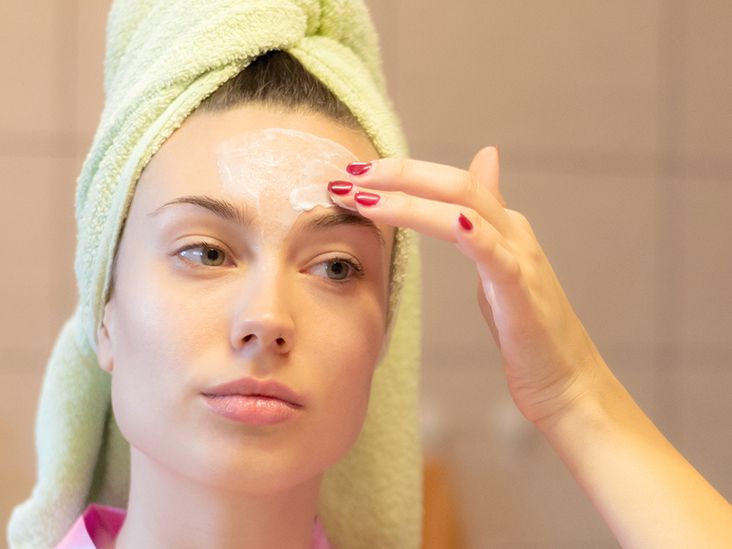
Acne has a special talent for appearing at the worst possible time: the morning of a big meeting, the night before a photo, or exactly when you decide your skin is “finally behaving.” While modern skincare shelves are crowded with retinoids, benzoyl peroxide, salicylic acid, niacinamide, acids, patches, and potions that sound like chemistry homework, one old-school ingredient still deserves a spot in the acne conversation: sulfur.
Yes, sulfur. The same element famous for its “rotten egg” smell has been used in skin care for generations. Luckily, today’s sulfur acne products usually smell more like a medicated mask than a volcano with a grudge. Sulfur can help absorb excess oil, encourage dead skin cells to shed, and support clearer-looking pores. It is most often used for mild acne, oily skin, blackheads, whiteheads, and small inflamed pimples. It is not a magic eraser for every breakout, but when used wisely, it can be a surprisingly practical acne treatment.
This guide explains how sulfur for acne works, which types of acne it may help, when it is not enough, how to use it without turning your face into the Sahara, and what real-world experiences with sulfur products often look like.
What Is Sulfur in Acne Treatment?
Sulfur is a naturally occurring mineral used in topical skin products such as cleansers, masks, spot treatments, lotions, soaps, creams, and prescription combination formulas. In over-the-counter acne products, sulfur is commonly used as an active ingredient to help manage acne blemishes, blackheads, whiteheads, and pimples.
In acne care, sulfur is valued for three main reasons. First, it helps reduce surface oiliness, which matters because excess sebum can mix with dead skin cells and clog pores. Second, sulfur has keratolytic effects, meaning it helps loosen and remove dead skin cells from the surface. Third, it may help create a less welcoming environment for acne-related bacteria, although it is generally not considered as strongly antibacterial as benzoyl peroxide.
Think of sulfur as the tidy roommate of acne ingredients. It does not redecorate the whole house overnight, but it helps clear the clutter, dries up greasy corners, and makes the pore situation a little less chaotic.
How Acne Forms: A Quick Skin Reality Check
To understand where sulfur fits, it helps to know how acne begins. Acne develops when hair follicles become clogged with oil, dead skin cells, and debris. Bacteria and inflammation can then join the party, turning a simple clogged pore into a red, swollen, or painful bump.
The main acne factors include excess sebum production, clogged follicles, bacteria, and inflammation. Hormones, genetics, stress, friction, certain cosmetics, humidity, and some medications may also influence breakouts. This is why acne can feel unfair. Sometimes you can wash your pillowcase, drink water, eat vegetables, and still wake up with a pimple that seems to have paid rent.
Different acne types need different strategies. Sulfur is best matched with mild to moderate acne, especially when oiliness and clogged pores are major players.
Types of Acne Sulfur May Help
1. Blackheads
Blackheads are open comedones. They happen when a pore is clogged but remains open at the surface. The dark color is not dirt; it is oxidation of the material inside the pore. Scrubbing aggressively will not “wash” blackheads away, and it may irritate the skin.
Sulfur may help blackheads by reducing surface oil and encouraging dead skin cells to shed more smoothly. A sulfur cleanser, mask, or leave-on treatment may be useful for oily areas such as the nose, chin, and forehead. However, blackheads often respond especially well to salicylic acid and retinoids, so sulfur may work best as part of a simple routine rather than the only tool in the skincare toolbox.
2. Whiteheads
Whiteheads are closed comedones. They form when a clogged pore stays sealed under the skin, creating small flesh-colored or whitish bumps. These can be stubborn because the clog is trapped beneath the surface.
Sulfur can be helpful for whiteheads because of its drying and mild exfoliating effects. It may reduce the greasy environment that contributes to clogged pores. For people who cannot tolerate stronger acne ingredients, sulfur can be a gentler starting point. That said, persistent closed comedones often need consistent use of proven pore-normalizing ingredients such as adapalene or other retinoids.
3. Papules
Papules are small red or inflamed bumps without visible pus. They are often tender and may appear when a clogged pore becomes irritated or inflamed.
Sulfur may help mild papules by drying excess oil and calming the look of active blemishes. A sulfur spot treatment can be applied directly to small inflamed bumps, especially overnight. The goal is not to punish the pimple into submission. Use a thin layer. Your skin is not a kitchen counter; it does not need to be scrubbed and disinfected with maximum force.
4. Pustules
Pustules are inflamed pimples with a visible white or yellow center. They are what many people picture when they hear the word “zit.” Sulfur can sometimes help dry the surface of pustules and make them appear smaller over time.
For occasional pustules, a sulfur spot treatment may be useful. For frequent pustules, widespread redness, or breakouts that keep returning, sulfur alone may not be enough. Benzoyl peroxide, topical retinoids, azelaic acid, or prescription treatments may be more appropriate depending on the severity and skin type.
5. Oily, Acne-Prone Skin
People with oily skin often appreciate sulfur because it can temporarily reduce shine and absorb oil. Sulfur masks are especially popular for the T-zone, where pores tend to look larger and oil production is more noticeable.
The key is moderation. Using a sulfur mask every day may sound productive, but it can backfire by drying the skin barrier. A damaged barrier can lead to irritation, flaking, stinging, and sometimes even more breakouts. For many people, one to three times per week is plenty for a sulfur mask, while leave-on products should be introduced slowly.
Types of Acne Sulfur Usually Does Not Treat Well
Nodular Acne
Nodular acne causes firm, painful lumps under the skin. These lesions are deeper and more severe than typical surface pimples. Sulfur products sit mostly at the surface and are not strong enough to treat deep nodules effectively.
If you have painful lumps under the skin, acne that scars, or breakouts that do not improve with over-the-counter products, it is time to see a dermatologist. Prescription treatments may be needed to reduce inflammation and prevent long-term marks.
Cystic Acne
Cystic acne involves deep, inflamed, often painful lesions that may contain fluid or pus beneath the skin. This type of acne has a higher risk of scarring and usually needs medical treatment.
Sulfur may dry out surface oil, but it will not reach the deeper inflammation driving cystic acne. Treating cystic acne with only spot treatments is a bit like trying to fix a plumbing leak by mopping the floor. The mop may help the mess, but the pipe still needs attention.
Hormonal Acne
Hormonal acne often appears along the jawline, chin, and lower face. It may flare around menstrual cycles or during hormonal changes. Sulfur can help with surface pimples, but it does not directly regulate hormones or oil gland activity from within.
For hormonal acne, dermatologists may recommend topical retinoids, benzoyl peroxide, azelaic acid, oral medications, hormonal therapies, or a customized plan. Sulfur can still be a supporting product, especially for small surface blemishes, but it is rarely the whole solution.
Common Sulfur Acne Products and How to Use Them
Sulfur Cleansers
Sulfur cleansers are wash-off products designed to contact the skin briefly. They may be helpful for oily or combination skin and can be easier to tolerate than leave-on treatments. Massage gently, rinse thoroughly, and follow with moisturizer. Do not scrub like you are sanding furniture.
Sulfur Masks
Sulfur masks are popular for oily skin, clogged pores, and occasional breakouts. Apply a thin layer, leave it on as directed, and rinse completely. Start once weekly to see how your skin reacts. If your skin feels tight, itchy, or flaky afterward, use it less often or switch to a gentler product.
Sulfur Spot Treatments
Spot treatments are best for individual pimples, especially small papules or pustules. Apply only to the blemish, not the entire face, unless the product instructions say otherwise. Overusing spot treatments can create dry, irritated patches that look more dramatic than the original pimple. Nobody wants a tiny breakout to become a flaky billboard.
Sulfur Soaps
Sulfur soaps may be used for face or body acne, depending on the formula. They can be drying, so they are often better suited for oily skin or areas like the back and chest. If used on the face, follow with a noncomedogenic moisturizer.
Prescription Sulfur Combinations
Some prescription or medicated products combine sulfur with sodium sulfacetamide. These may be used for acne, rosacea, or seborrheic dermatitis. Because sulfacetamide is a sulfonamide medication, people with sulfa allergies or certain medical histories should ask a healthcare professional before using these products.
How to Add Sulfur to an Acne Routine
The safest way to start sulfur is slowly. Choose one sulfur product, use it a few times per week, and watch how your skin responds. Avoid starting sulfur on the same night as a new retinoid, exfoliating acid, benzoyl peroxide product, or strong mask. When too many actives arrive at once, your skin may not know whether it is being treated or interrogated.
A simple routine might look like this:
- Morning: gentle cleanser, lightweight moisturizer, broad-spectrum sunscreen.
- Evening: gentle cleanser, sulfur spot treatment or sulfur mask as directed, moisturizer.
- On non-sulfur nights: use your regular acne treatment, such as adapalene or salicylic acid, if tolerated.
If dryness appears, reduce the frequency. If burning, swelling, severe peeling, or worsening irritation develops, stop using the product and ask a healthcare professional for advice.
Sulfur vs. Other Acne Ingredients
Sulfur vs. Benzoyl Peroxide
Benzoyl peroxide is one of the most established over-the-counter acne ingredients, especially for inflammatory acne because it targets acne-related bacteria and helps reduce breakouts. However, it can be drying and may bleach towels, pillowcases, and clothing.
Sulfur is often considered gentler, though it can still dry the skin. It may be a good option for people who find benzoyl peroxide too harsh or who mainly deal with oiliness and mild blemishes.
Sulfur vs. Salicylic Acid
Salicylic acid is a beta hydroxy acid that can enter oily pores and help loosen clogs. It is often a strong choice for blackheads, whiteheads, and uneven texture.
Sulfur also helps with oil and surface buildup, but salicylic acid may be more targeted for clogged pores. Some people use both, but not necessarily at the same time. Alternating days can reduce irritation.
Sulfur vs. Retinoids
Topical retinoids help normalize skin cell turnover and are commonly used for comedonal and inflammatory acne. They can be very effective but may cause dryness, peeling, or purging during the adjustment period.
Sulfur works more like a drying, oil-absorbing, and mild exfoliating helper. It does not replace retinoids for long-term acne prevention, but it may be useful for spot care or for people who cannot tolerate retinoids.
Who Should Be Careful With Sulfur?
Sulfur is not ideal for everyone. People with very dry, sensitive, eczema-prone, or barrier-damaged skin should be cautious. If your skin already stings when you apply plain moisturizer, sulfur may not be the best first step.
Avoid using sulfur products on broken skin, large irritated areas, or around the eyes unless directed by a healthcare professional. Always read the product label. If you are pregnant, breastfeeding, treating a child’s acne, using prescription acne medication, or managing a skin condition such as rosacea or dermatitis, it is wise to ask a clinician before adding new active treatments.
Possible Side Effects
The most common sulfur side effects are dryness, peeling, tightness, redness, itching, and irritation. The famous sulfur smell may also be a deal-breaker for some people, though modern formulas are much more wearable than older versions.
To lower the risk of irritation, patch test first. Apply a small amount to a limited area for a few days before using it more widely. Moisturizer is not optional. Acne-prone skin still needs hydration, and skipping moisturizer can make acne routines harder to tolerate.
Practical Experiences With Sulfur for Acne
Many people discover sulfur after trying the louder, more famous acne ingredients first. The usual story goes something like this: benzoyl peroxide worked but dried the skin too much, salicylic acid helped blackheads but did not calm red bumps, and retinoids were effective but required patience. Then sulfur enters quietly, wearing sensible shoes, and surprises everyone.
For oily skin, the first noticeable benefit is often reduced shine. After a sulfur mask, the face may feel cleaner and less greasy, especially around the nose and forehead. This can be satisfying, but it is important not to chase that “squeaky clean” feeling every day. Skin should feel balanced after cleansing, not like it has been shrink-wrapped.
People with occasional pimples often like sulfur spot treatments because they can make a blemish look flatter and drier by morning. This does not mean the pimple disappears in eight hours like a magic trick, but the angry, shiny, swollen look may soften. For a small pustule, sulfur may help dry the surface without the fabric-bleaching drama of benzoyl peroxide.
For whiteheads and tiny forehead bumps, sulfur can be hit or miss. Some people see smoother texture after a few weeks, especially when sulfur is paired with gentle cleansing and noncomedogenic moisturizer. Others need a retinoid or salicylic acid for more consistent pore-clearing. This is normal. Acne is not one single problem; it is more like a group project where oil, skin cells, bacteria, hormones, and inflammation all forgot to read the instructions.
Sensitive skin users often appreciate sulfur when used in short-contact products, such as masks or cleansers. A sulfur cleanser used a few times weekly may be easier to tolerate than a strong leave-on product. However, even sensitive skin can become irritated if sulfur is layered with exfoliating acids, retinoids, scrubs, and clay masks in the same routine. More treatment does not always mean more results. Sometimes it just means more flaking.
One common mistake is applying sulfur all over the face when only a few spots need it. This can create dry patches around the mouth, nose, or cheeks. A better approach is targeted use: mask the oily T-zone, spot treat active pimples, and moisturize the rest of the face. Combination skin especially benefits from this “zoning” strategy.
Another real-world issue is patience. Sulfur may improve the appearance of active blemishes fairly quickly, but long-term acne control usually takes weeks. Dermatology guidance commonly emphasizes giving acne treatments enough time to work. Switching products every three days can irritate skin and make it impossible to know what is helping.
People with deep, painful acne often feel disappointed by sulfur because it cannot do the job of prescription therapy. This is not a failure; it is a mismatch. Sulfur is useful for surface oil, clogged pores, and mild inflamed pimples. Deep nodules and cysts need professional care because they can scar and may require stronger treatment.
The best experience with sulfur usually comes from realistic expectations. Use it as a supporting acne ingredient, not a miracle cure. Pair it with a gentle cleanser, moisturizer, sunscreen, and a routine you can actually maintain. The product that works is not always the fanciest one; it is the one your skin tolerates and you use consistently.
Final Thoughts: Is Sulfur Good for Acne?
Sulfur can be a useful acne treatment for the right person and the right type of breakout. It is most helpful for oily skin, blackheads, whiteheads, mild papules, pustules, and occasional surface pimples. It may be especially appealing for people who want an alternative to stronger or more irritating acne ingredients.
However, sulfur is not the best choice for severe nodular acne, cystic acne, acne with scarring, or persistent hormonal acne that keeps returning. In those cases, a dermatologist can help build a treatment plan that goes beyond drying out the surface.
The bottom line: sulfur is old-school, slightly smelly, and not very glamorous. But in skincare, glamour does not clear pores. Consistency, correct matching, and a calm skin barrier do. Used wisely, sulfur can be a dependable supporting player in an acne routineand sometimes the supporting player steals the scene.