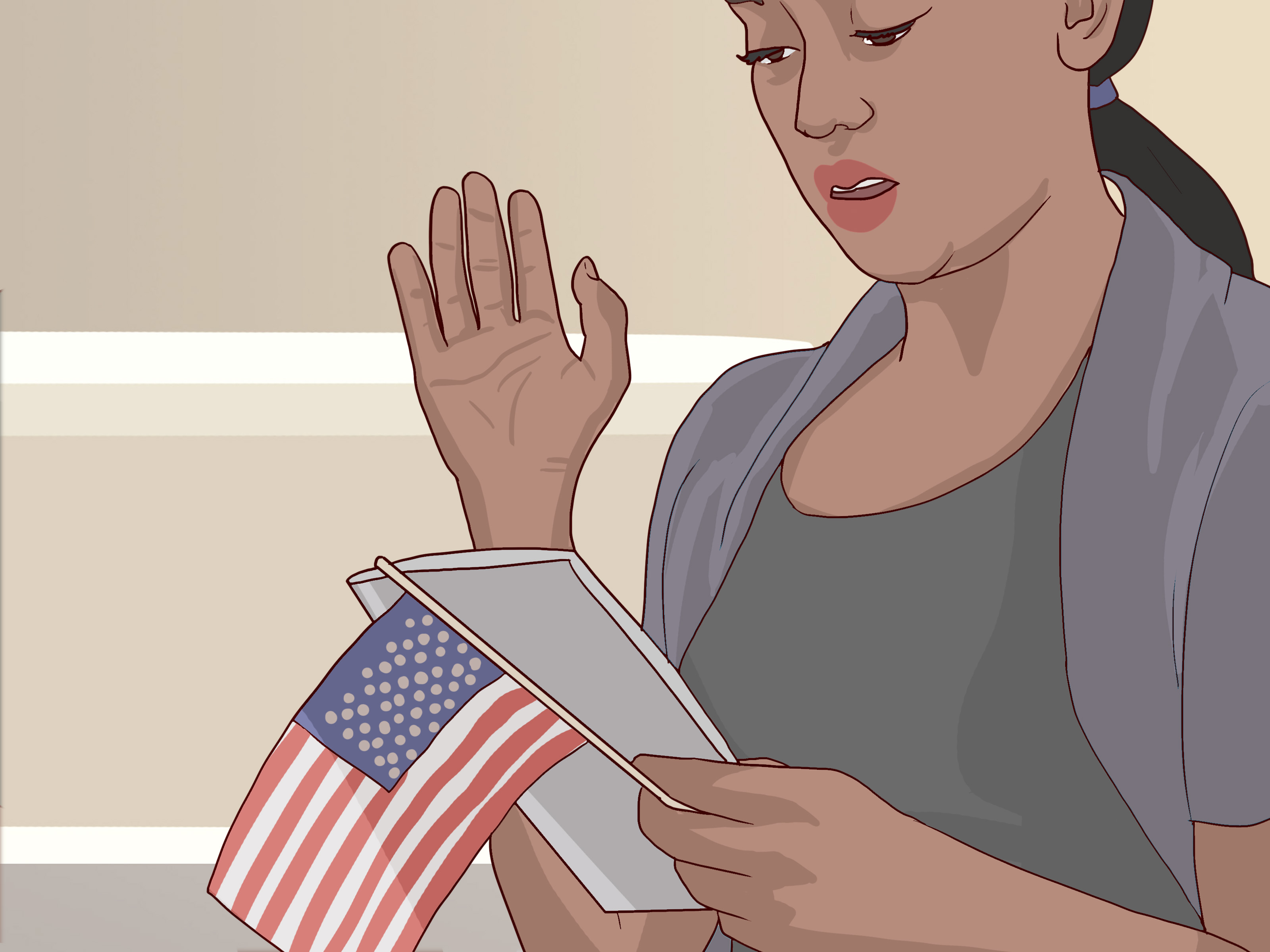
Becoming a U.S. citizen is one of the biggest legal milestones a person can reach in the United States. It is not just about receiving a shiny certificate, waving a tiny flag at an oath ceremony, and finally understanding why everyone gets emotional during patriotic songs. U.S. citizenship can bring powerful benefits: the right to vote in federal elections, apply for a U.S. passport, petition certain family members for immigration benefits, run for many public offices, and live in the country with a sense of long-term security that a green card alone does not always provide.
Still, the path to citizenship is not one-size-fits-all. Some people are citizens from the moment they take their first breath. Others become citizens through parents, adoption, military service, marriage to a U.S. citizen, or years of lawful permanent residence. In other words, the U.S. citizenship system is less like a single highway and more like a confusing airport terminal: several gates, many signs, and at least one form that makes you question your life choices.
This guide explains five major ways to become a U.S. citizen in plain American English. It is designed for readers who want a practical, friendly overview before diving into official forms, eligibility rules, and professional legal advice when needed.
What Does It Mean to Become a U.S. Citizen?
U.S. citizenship is a legal status that connects a person to the United States with rights, protections, and responsibilities. Citizens can vote, serve on juries, obtain U.S. passports, seek protection from U.S. embassies abroad, and generally cannot be deported for immigration violations. Citizenship also comes with civic duties, such as obeying laws, paying taxes, and supporting the Constitution.
There are two broad categories: citizenship by birth and citizenship after birth. Citizenship by birth may happen because someone was born in the United States or because they were born abroad to a qualifying U.S. citizen parent. Citizenship after birth may happen through naturalization, derivation through parents, or certain special laws for military members and children.
1. Become a U.S. Citizen by Being Born in the United States
The most straightforward way to become a U.S. citizen is to be born in the United States and be subject to U.S. jurisdiction. This is commonly known as birthright citizenship. In everyday terms, if a baby is born in one of the 50 states or in certain U.S. territories, that child is generally a U.S. citizen at birth. No interview, no civics test, no awkward moment where a newborn has to explain the three branches of government.
How Birthright Citizenship Works
For most people born in the United States, a state-issued birth certificate is the key document proving citizenship. Later in life, that birth certificate may be used to apply for a U.S. passport, enroll in school, obtain government identification, or verify eligibility for benefits and employment.
There are narrow exceptions, such as children born to certain foreign diplomats who are not considered fully subject to U.S. jurisdiction. However, for the overwhelming majority of people born on U.S. soil, citizenship begins automatically at birth.
Example
If Maria is born in California, she is generally a U.S. citizen from birth, even if her parents are not U.S. citizens. Her parents do not need to file a naturalization application for her. Her birth certificate becomes one of the most important documents proving her citizenship.
2. Become a U.S. Citizen Through U.S. Citizen Parents
Another major way to become a U.S. citizen is through a parent. This can happen at birth or after birth, depending on where the child was born, whether one or both parents are U.S. citizens, whether the parent met physical presence requirements in the United States, and whether the child meets other legal conditions.
Citizenship at Birth for Children Born Abroad
A child born outside the United States may acquire U.S. citizenship at birth if at least one parent is a U.S. citizen and the parent satisfies the required physical presence rules. These rules can vary depending on the child’s birth date, whether the parents were married, and whether one or both parents were U.S. citizens at the time of birth.
For many families living overseas, the key document is a Consular Report of Birth Abroad, commonly called a CRBA. A CRBA is issued by the U.S. Department of State and documents that a child born outside the United States acquired U.S. citizenship at birth through a parent. It is not the same as a birth certificate, but it is strong evidence of U.S. citizenship.
Citizenship After Birth Before Age 18
Some children born outside the United States do not automatically become citizens at birth but may acquire citizenship later through a U.S. citizen parent. Under modern child citizenship rules, a child may automatically become a U.S. citizen after birth if key requirements are met before age 18, such as having at least one U.S. citizen parent, being a lawful permanent resident, and living in the United States in the legal and physical custody of the U.S. citizen parent.
Families often use Form N-600, Application for Certificate of Citizenship, to request proof of citizenship for a child who already became a citizen through a parent. For children who regularly live outside the United States and may qualify through a U.S. citizen parent, Form N-600K may be used in certain situations.
Example
Imagine Daniel is born in Canada to a U.S. citizen mother who lived in the United States long enough to meet the legal physical presence requirement. Daniel may be a U.S. citizen at birth. His family may apply for a CRBA and later a U.S. passport. On the other hand, if a child does not acquire citizenship at birth but later immigrates to the United States as a lawful permanent resident and lives with a U.S. citizen parent before turning 18, that child may become a citizen automatically after birth.
3. Become a U.S. Citizen Through Standard Naturalization After Five Years as a Green Card Holder
For many immigrants, the most common road to U.S. citizenship is naturalization after holding a green card for at least five years. A green card holder is officially called a lawful permanent resident, or LPR. Naturalization is the legal process where an eligible noncitizen applies to become a U.S. citizen.
Basic Eligibility for Five-Year Naturalization
In general, an applicant under the five-year rule must be at least 18 years old, have been a lawful permanent resident for at least five years, meet continuous residence and physical presence requirements, show good moral character, support the principles of the U.S. Constitution, and pass English and civics requirements unless an exemption or waiver applies.
The application is filed on Form N-400, Application for Naturalization. USCIS generally allows eligible applicants to file up to 90 calendar days before completing the required continuous residence period. That small early filing window can feel like discovering a hidden coupon in your immigration paperwork drawer.
What Happens After Filing Form N-400?
After submitting Form N-400, applicants may attend a biometrics appointment, where fingerprints, a photograph, and a signature are collected. Then comes the naturalization interview. During the interview, a USCIS officer reviews the application, asks questions about background and eligibility, and administers the English and civics tests unless the applicant qualifies for an exception.
The English test usually checks speaking, reading, and writing. The civics test covers U.S. history and government. Applicants should prepare carefully, not because the test is impossible, but because “I watched one historical movie once” is not a study plan.
If approved, the applicant attends a naturalization ceremony and takes the Oath of Allegiance. A person is not fully naturalized until the oath is taken. After the ceremony, the new citizen receives a Certificate of Naturalization, which should be guarded with the seriousness usually reserved for passports, family recipes, and the last slice of pizza.
Example
Ahmed becomes a lawful permanent resident through employment. He lives in the United States, pays taxes, avoids long trips that could disrupt continuous residence, and keeps records of travel, work, and addresses. After five years as a green card holder, he files Form N-400. He passes the interview and test, takes the Oath of Allegiance, and becomes a U.S. citizen.
4. Become a U.S. Citizen Through Marriage to a U.S. Citizen
Marriage to a U.S. citizen does not instantly make someone a citizen. There is no magical wedding cake frosting that turns a green card into a passport. However, marriage to a U.S. citizen may create a faster naturalization path for certain lawful permanent residents.
The Three-Year Naturalization Rule
A lawful permanent resident who has been married to and living in marital union with a U.S. citizen spouse may be eligible to apply for naturalization after three years instead of five, as long as other requirements are met. The U.S. citizen spouse generally must have been a citizen during the required period, and the marriage must be genuine and ongoing.
The applicant must still file Form N-400, meet residence and physical presence requirements, demonstrate good moral character, pass the English and civics tests unless exempt, and take the Oath of Allegiance. In other words, the three-year rule shortens the timeline, but it does not remove the homework.
Conditional Green Cards and Marriage Cases
Some spouses receive conditional permanent residence if the marriage was less than two years old when permanent residence was granted. In those cases, the couple typically must file Form I-751 to remove conditions on residence. Naturalization may still be possible in marriage-based cases, but applicants should make sure their permanent residence status and marriage documentation are in order.
Special Rule for Certain Spouses Abroad
There is also a special naturalization option for certain spouses of U.S. citizens who are regularly stationed abroad in qualifying employment. This path can be different from the standard three-year rule and may involve unique requirements, including intent to reside abroad with the U.S. citizen spouse and to live in the United States after the qualifying employment ends.
Example
Lin receives a green card through marriage to a U.S. citizen. She lives with her spouse in Texas, keeps joint financial records, files taxes properly, and avoids long absences from the country. After three years as a lawful permanent resident while still married and living with her U.S. citizen spouse, she may be eligible to apply for naturalization using the spouse-based rule.
5. Become a U.S. Citizen Through Military Service
U.S. immigration law provides special naturalization paths for certain current and former members of the U.S. armed forces. Military naturalization recognizes honorable service and may allow eligible service members to become citizens faster than civilians in standard cases.
Naturalization During Peacetime or Hostilities
There are two major military naturalization categories. One applies to certain people who served honorably for at least one year during peacetime. Another applies to those who served honorably during designated periods of hostilities. The rules can reduce or remove some ordinary naturalization requirements, depending on the applicant’s service and the section of law used.
Eligible military applicants generally file Form N-400 and may also need Form N-426, Request for Certification of Military or Naval Service, depending on whether they are currently serving and the legal basis for the application. USCIS does not charge a filing fee for naturalization under certain military provisions.
Why Documentation Matters
Military applicants should gather service records, discharge documents, proof of honorable service, and any required certification. A small missing document can delay a case, much like one missing screw can delay assembling furniture until midnight.
Example
Rafael serves honorably in the U.S. Army during a designated period of hostilities. Because of his service, he may qualify for military naturalization even if he has not completed the usual five-year green card timeline. He still needs to meet the applicable requirements, file the correct forms, and complete the naturalization process.
Naturalization Requirements Most Applicants Should Understand
Continuous Residence
Continuous residence means maintaining a permanent home in the United States for the required period. Long trips outside the country can create problems. An absence of more than six months may raise questions, and an absence of one year or more can seriously disrupt eligibility unless a special exception applies.
Physical Presence
Physical presence is the amount of time an applicant has actually spent inside the United States. For many five-year applicants, the general requirement is at least half of the five-year period. For many three-year spouse applicants, the general requirement is at least half of the three-year period.
Good Moral Character
Good moral character is a core naturalization requirement. USCIS may review criminal history, tax compliance, child support, honesty in immigration filings, and other conduct. Applicants should answer questions truthfully and consider getting legal advice if they have arrests, convictions, unpaid taxes, long absences, or past immigration issues.
English and Civics Test
Most naturalization applicants must show basic English ability and knowledge of U.S. history and government. USCIS provides study materials, and applicants should practice early. Waiting until the night before the interview is technically a strategy, but so is using a spaghetti noodle as a phone charger. Neither is recommended.
Oath of Allegiance
The final step in naturalization is the Oath of Allegiance. This is the ceremony where an approved applicant becomes a U.S. citizen. Until the oath is taken, the process is not complete.
Common Mistakes to Avoid When Applying for U.S. Citizenship
Filing Too Early
Some applicants are allowed to file Form N-400 up to 90 days before completing the required residence period, but filing too early can lead to rejection or denial. Use official tools and dates carefully.
Forgetting Travel History
Naturalization applicants must usually list trips outside the United States. Keep a record of travel dates, destinations, and trip lengths. Passport stamps, airline records, and calendars can help reconstruct travel history.
Ignoring Tax Issues
Tax compliance can affect good moral character. Applicants with tax debt or filing problems should address them before applying when possible. Payment plans and records may matter.
Assuming Marriage Alone Gives Citizenship
Marriage to a U.S. citizen can help some green card holders qualify after three years, but it does not automatically grant citizenship. The applicant must still meet all naturalization requirements.
Not Getting Legal Help When Needed
Many people complete citizenship applications on their own. However, legal advice is wise when a case involves criminal history, immigration violations, complicated travel, divorce during a marriage-based case, military discharge issues, or uncertainty about citizenship through parents.
Experience-Based Tips for the Journey to U.S. Citizenship
People who successfully become U.S. citizens often say the process feels less scary once they get organized. The forms are detailed, the interview matters, and the waiting can test anyone’s patience, but preparation turns a mountain into a staircase. The first practical habit is document control. Keep copies of your green card, passports, tax returns, marriage certificate, divorce records, court records, selective service registration if applicable, and every notice from USCIS. A simple folder can save hours of panic later. A digital backup is even better, because paper has a strange talent for disappearing right before appointments.
Another useful experience is tracking travel from the beginning. Many applicants underestimate how much travel history matters. A two-week vacation is usually easy to remember. Five years of short trips, family visits, emergency travel, and business flights can become a puzzle with missing pieces. Keeping a spreadsheet with departure dates, return dates, countries visited, and reasons for travel makes the N-400 easier to complete. It also helps you spot possible continuous residence or physical presence issues before USCIS does.
Studying for the citizenship test works best when it becomes part of daily life. Instead of cramming, many applicants practice a few civics questions every day, listen to audio lessons while commuting, or quiz themselves with family members. Children are surprisingly enthusiastic quizmasters, especially when they get to correct adults. Reading simple news articles about U.S. government can also make civics concepts feel real. The goal is not just memorization; it is confidence. At the interview, nerves can make even easy questions feel like they were written by a founding father with a grudge.
For the English portion, practical practice helps. Read signs, write short sentences, speak with friends, and practice answering basic personal questions clearly. Applicants do not need to sound like a TV news anchor. They need to communicate honestly and understand the officer’s questions. If you qualify for an age-based exemption, disability waiver, or accommodation, review the official requirements carefully and prepare the proper documentation.
Interview preparation should include reviewing your own application. This may sound obvious, but many applicants forget what they wrote months earlier. Before the interview, read every answer on Form N-400. Be ready to explain addresses, jobs, travel, taxes, organizations, citations, arrests, and family details. If something changed after filing, bring updated documents and be prepared to tell the officer. Honesty is far better than guessing. If you do not understand a question, politely ask the officer to repeat or explain it.
Finally, treat the oath ceremony as the finish line, not a formality. Bring the required notice, follow instructions, and review any questions on the oath ceremony form. After receiving the Certificate of Naturalization, check it for errors immediately. Then store it safely and consider applying for a U.S. passport. The certificate is proof of a life-changing achievement, not a coaster for your celebratory coffee.
Conclusion: Choosing the Right Path to U.S. Citizenship
There are several ways to become a U.S. citizen, but the right path depends on your personal history. Some people are citizens at birth because they were born in the United States. Others qualify through U.S. citizen parents, either at birth or before age 18. Many immigrants become citizens through the standard five-year naturalization process after receiving a green card. Some spouses of U.S. citizens may qualify after three years. Military members may have special naturalization options based on honorable service.
The best approach is to identify your category, confirm your eligibility, collect documents early, study carefully, and avoid assumptions. U.S. citizenship is a major legal step, and the process rewards patience, accuracy, and preparation. It may involve forms, interviews, tests, and waiting, but the result can be worth every carefully organized folder and every civics flashcard.
Note: This article is for general informational and SEO publishing purposes only. U.S. immigration rules can change, and individual cases may require advice from a qualified immigration attorney or accredited representative.