Note: This article is for general education and grooming guidance. Beard dandruff can often be managed at home, but persistent redness, pain, swelling, bleeding, crusting, or flaking that does not improve should be checked by a dermatologist.
Beard dandruff is the tiny snowstorm no one invited to your face. One minute, your beard looks rugged and majestic. The next, your black shirt is hosting a flaky weather event. The good news? Beard dandruff is common, manageable, and usually not a sign that your beard has betrayed you. It is often caused by dry skin, product buildup, irritation, or seborrheic dermatitis, a skin condition linked to oil, inflammation, and a naturally occurring yeast called Malassezia.
The phrase “how to cure beard dandruff” is popular because everyone wants a one-and-done fix. In reality, the better goal is control. If your flakes come from simple dryness, a better routine may clear them quickly. If they come from seborrheic dermatitis, the condition may come and go, but the right beard care routine can keep your face comfortable, clean, and much less flaky.
What Is Beard Dandruff?
Beard dandruff, sometimes jokingly called “beardruff,” is flaking skin that appears under or within facial hair. It may show up as white flakes, yellowish greasy scales, itching, redness, tightness, or rough patches under the beard and mustache. It can affect short stubble, full beards, goatees, and mustaches because the real issue is usually the skin beneath the hair.
Unlike scalp dandruff, beard dandruff can be trickier to treat because facial skin is more visible and often more sensitive. You cannot just dump every strong shampoo in your bathroom onto your face and hope for glory. The skin under your beard needs cleansing, targeted treatment, moisture, and consistency.
Common Causes of Beard Dandruff
1. Dry Skin Under the Beard
Dry skin is one of the simplest causes. Hot showers, harsh soaps, cold weather, low humidity, and over-washing can strip the skin’s natural oils. When the skin gets too dry, it sheds flakes. These flakes are usually smaller, lighter, and less greasy than flakes caused by seborrheic dermatitis.
2. Seborrheic Dermatitis
Seborrheic dermatitis is one of the most common reasons for stubborn beard dandruff. It tends to appear in oily areas, including the scalp, eyebrows, sides of the nose, ears, chest, mustache, and beard. It can cause greasy flakes, redness, itching, and irritation. It is not contagious and is not caused by being dirty, so your beard is not morally failing. It just needs better management.
3. Product Buildup
Beard oils, balms, waxes, styling creams, and heavy conditioners can be helpful, but too much product can collect on the skin. When oil, dead skin, sweat, and product residue pile up, flakes may appear. A beard should be conditioned, not shellacked like a medieval helmet.
4. Irritation From Harsh Cleansers
Regular bar soap, heavily fragranced washes, and strong shampoos can irritate facial skin. Irritation may cause dryness, redness, itching, and flaking. If your cleanser leaves your face feeling squeaky-clean, tight, or shiny like a freshly washed dinner plate, it may be too harsh.
5. Infrequent Washing
Not washing your beard enough can also trigger flakes. Facial hair traps sweat, skin oil, food particles, dust, and environmental grime. A beard is handsome, but it is also a very enthusiastic storage unit. Regular washing keeps the skin underneath from becoming oily and irritated.
How to Cure Beard Dandruff: A Step-by-Step Routine
Step 1: Wash Your Beard With a Gentle Cleanser
Start with the basics. Wash your beard and face daily or every other day, depending on your skin type, activity level, and climate. Use a gentle facial cleanser or a mild beard wash instead of harsh soap. Massage it down to the skin with your fingertips, not just over the top of the hair.
Use lukewarm water. Hot water feels amazing for three seconds, then quietly steals moisture from your skin like a tiny bathroom villain. Rinse thoroughly so cleanser does not sit under the beard and create more irritation.
Step 2: Use an Anti-Dandruff Shampoo for Stubborn Flakes
If your beard dandruff is greasy, itchy, red, or keeps coming back, use a medicated anti-dandruff shampoo carefully on the beard area. Look for active ingredients such as ketoconazole, selenium sulfide, zinc pyrithione, salicylic acid, or coal tar. Ketoconazole is especially useful when yeast overgrowth is part of the problem.
Apply a small amount to the beard, massage it into the skin underneath, and let it sit for a few minutes before rinsing. Do not scrub aggressively. Your face is not a cast-iron skillet. Start two or three times per week, then reduce frequency once the flakes improve. Some people with seborrheic dermatitis need occasional maintenance use to prevent flare-ups.
Step 3: Exfoliate, But Do Not Sandblast Your Face
Gentle exfoliation can help remove dead skin cells and prevent buildup. Use a soft beard brush, silicone face scrubber, or mild chemical exfoliant designed for facial skin. Brush before washing or while the beard is slightly damp to loosen flakes.
Avoid rough scrubs with jagged particles, especially if your skin is red or inflamed. Over-exfoliating can damage the skin barrier and make dandruff worse. One to three times per week is usually enough for most people.
Step 4: Moisturize the Skin Under the Beard
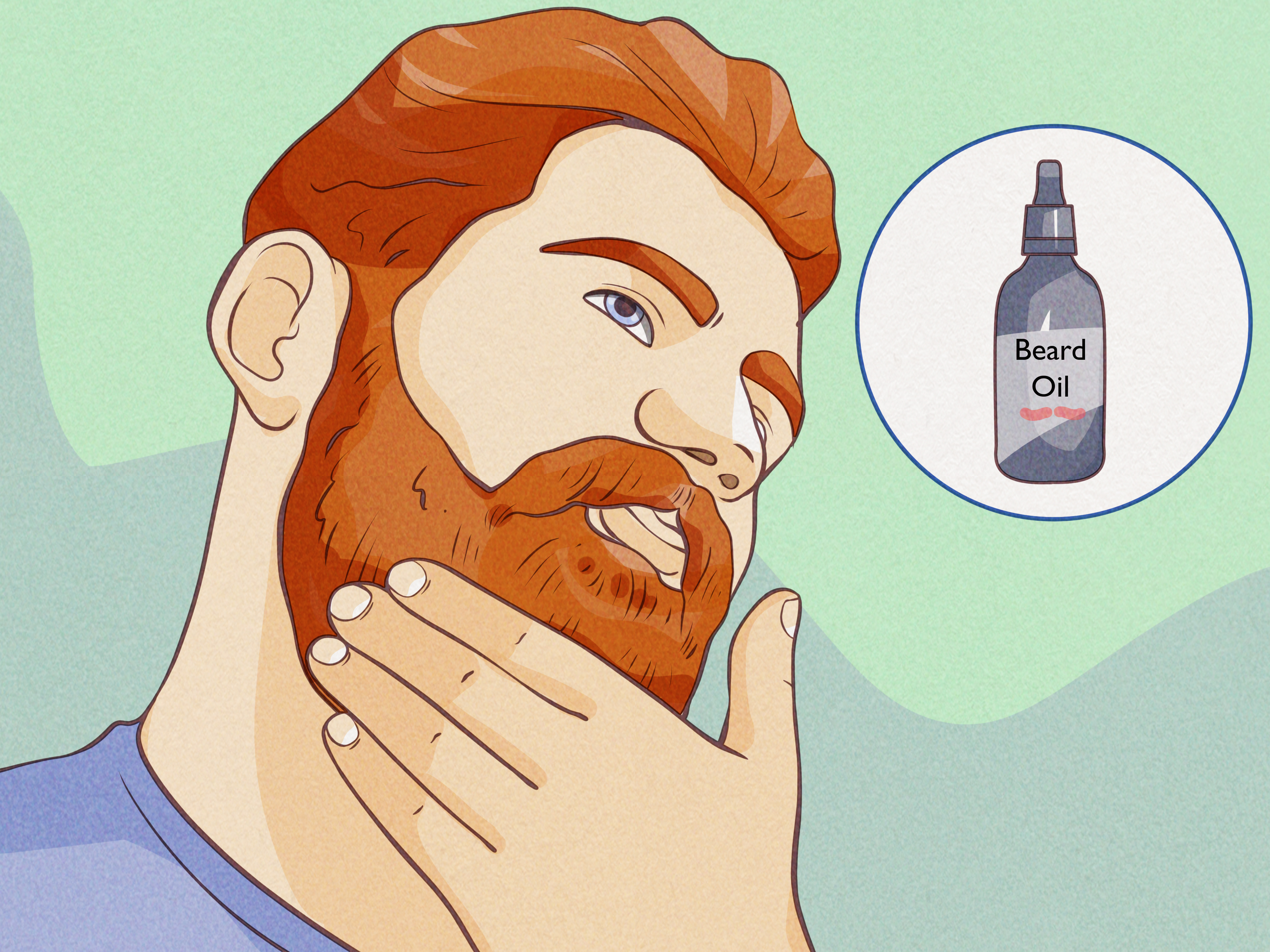
After washing, pat your beard dry with a towel. Then apply a lightweight, non-comedogenic moisturizer or beard oil. The key is getting the product to the skin, not just making the beard hair smell like a cedar forest with ambition.
For dry skin, look for ingredients such as glycerin, hyaluronic acid, ceramides, squalane, jojoba oil, or argan oil. For oily or acne-prone skin, choose lighter lotions or gels and avoid heavy waxy products. A few drops of beard oil may be enough. More is not always better; too much oil can feed buildup and make flakes look greasy.
Step 5: Brush or Comb Your Beard Daily
Brushing helps distribute natural oils, detangle hair, lift loose flakes, and train the beard to behave like it has read the employee handbook. Use a clean boar-bristle brush or wide-tooth comb. Be gentle around irritated areas.
Clean your brush regularly. A dirty brush can transfer old oil, dead skin, and product residue back into your beard. That is not grooming; that is recycling the problem.
Step 6: Trim When Needed
A very dense beard can trap moisture, oil, and flakes close to the skin. You do not have to shave unless your dermatologist recommends it, but trimming can make treatment easier. Shorter facial hair allows cleansers and medicated shampoos to reach the skin more effectively.
Best Ingredients for Beard Dandruff
Ketoconazole
Ketoconazole is an antifungal ingredient commonly used for dandruff and seborrheic dermatitis. It helps reduce yeast that can contribute to flakes and inflammation. Over-the-counter versions are available in some shampoos, while stronger products may require a prescription.
Zinc Pyrithione
Zinc pyrithione is used in many dandruff shampoos because it helps control flaking and irritation. It can be a good option for mild to moderate beard dandruff, especially when used consistently.
Selenium Sulfide
Selenium sulfide helps slow skin cell turnover and reduce yeast-related dandruff. It can be effective, but it may be drying or irritating for some people, so rinse well and avoid getting it in your eyes.
Salicylic Acid
Salicylic acid helps loosen scale and remove buildup. It can be useful if your flakes are thick or stuck to the skin. However, it may dry the skin if used too often, so pair it with proper moisturizing.
Hydrocortisone
For short-term redness and itching, an over-the-counter 1% hydrocortisone product may help calm inflammation. Use it sparingly and only for a few days unless a healthcare professional tells you otherwise. Long-term steroid use on the face can cause side effects, so do not treat it like a daily beard serum.
Home Remedies: Helpful or Hype?
Some home remedies may help mild dryness, but they are not magic potions. Aloe vera gel can feel soothing. A small amount of jojoba or squalane oil may help dry skin. Tea tree oil has antimicrobial properties, but it can irritate the face if applied directly. Always dilute essential oils and patch test first.
Avoid lemon juice, baking soda, vinegar overload, and anything that burns. Burning is not proof that it is working. It is your skin filing a complaint.
What Not to Do When Treating Beard Dandruff
Do not scratch flakes off with your nails. Scratching can create tiny breaks in the skin, which may lead to irritation or infection. Do not use harsh body soap on your beard. Do not apply heavy balm to dirty skin and call it a treatment. Do not switch products every day and then declare everything useless by Thursday.
Also, do not assume every flake is dandruff. Psoriasis, eczema, contact dermatitis, fungal infections, and acne-related irritation can mimic beard dandruff. If the rash is painful, spreading, oozing, crusting, or not improving after several weeks of consistent care, get medical advice.
A Simple Weekly Beard Dandruff Routine
Morning Routine
Rinse or cleanse your beard with lukewarm water and a gentle cleanser. Pat dry. Apply a small amount of moisturizer or beard oil to the skin beneath the beard. Brush gently to distribute the product.
Medicated Wash Days
Two or three times per week, replace your regular cleanser with an anti-dandruff shampoo. Massage it into the beard skin and let it sit briefly before rinsing. Follow with moisturizer after drying.
Exfoliation Days
Once or twice per week, use a soft brush before washing to loosen flakes. If your skin is sensitive, keep exfoliation minimal. The goal is smooth skin, not a dramatic rescue mission.
Maintenance Phase
Once flakes improve, keep a simplified routine. Continue gentle washing, moisturizing, and brushing. Use medicated shampoo once weekly or every other week if dandruff returns easily. Consistency is the secret sauce, and unfortunately it does not come in a cooler bottle.
When to See a Dermatologist
See a dermatologist if beard dandruff does not improve after three to four weeks of consistent care, if the skin becomes very red or painful, if you notice pus or crusting, or if flakes spread to your eyebrows, ears, scalp, or chest. You may need prescription antifungal cream, medicated shampoo, anti-inflammatory treatment, or a diagnosis for another skin condition.
Professional treatment can save you months of guessing. It can also prevent you from buying twelve products that all smell like “mountain lumberjack thunder” but do absolutely nothing for your skin.
Real-Life Experience: What Actually Works for Beard Dandruff
Most people who finally control beard dandruff do not succeed because they found one miracle product. They succeed because they stop treating the beard like a decoration and start treating the skin underneath like the main character. The beard is the forest; the skin is the soil. If the soil is irritated, dry, oily, or inflamed, the forest is going to shed evidence on your shirt.
A common experience goes like this: someone grows a beard for a few months, starts using a thick beard balm, washes only the outer hair, and then wonders why flakes appear. The beard smells great, looks decent from a distance, and secretly has a product traffic jam underneath. Once they start massaging cleanser down to the skin, rinsing properly, and using less heavy product, the flakes often improve.
Another common story involves over-washing. A person sees flakes and assumes the beard is dirty, so they wash it twice a day with strong soap. The flakes get worse. The skin feels tight, itchy, and angry. This is because harsh cleansing can strip the skin barrier. When they switch to a gentle cleanser, reduce hot water, and moisturize after washing, the skin calms down. Sometimes the “cure” is not adding more steps; it is removing the steps that were bullying your face.
For stubborn beard dandruff, many people notice the biggest improvement when they add a medicated anti-dandruff shampoo two or three times weekly. The trick is contact time. If you apply it and rinse immediately, it may not have enough time to work. Letting it sit briefly while you do something else in the shower can make a difference. Just keep it away from the eyes, because no one wants a minty antifungal tear festival.
People with seborrheic dermatitis often learn that beard dandruff is not truly “cured” forever. It behaves more like a lawn than a broken lightbulb. You do not fix it once and walk away; you maintain it. Stress, cold weather, sweating, heavy products, and skipped washing can bring flakes back. That does not mean treatment failed. It means your routine needs to return before the flakes throw a reunion tour.
One practical example is the “three-week reset.” For three weeks, keep the routine boring and consistent: gentle cleanser on most days, medicated shampoo a few times per week, light moisturizer after washing, daily brushing, and no new fragranced products. This gives the skin time to respond without confusion. If you change five products at once every two days, you will never know what helped or hurt.
Another lesson: beard oil is not automatically the enemy, but it is often overused. A few drops worked into damp skin can help dryness. A palmful of oil poured onto an already oily beard can create buildup and make flakes clump. Start small. You can always add more. You cannot politely ask your pores to return excess oil later.
Finally, the best beard dandruff routine is the one you will actually follow. A twelve-step ritual with rare botanical extracts sounds impressive until you abandon it after four days. A simple routine done consistently beats a fancy routine done once while emotionally motivated by a snowstorm on your hoodie.
Conclusion
Beard dandruff is annoying, but it is usually manageable. The most effective approach is to clean the beard properly, treat stubborn flakes with the right anti-dandruff ingredients, moisturize the skin underneath, brush regularly, and avoid harsh products. If your beard dandruff is caused by dryness, a gentle routine may clear it fast. If it is caused by seborrheic dermatitis, ongoing maintenance may be needed to keep flakes under control.
Remember: your beard is not the problem. The neglected skin beneath it is usually asking for attention. Give it a sensible routine, avoid aggressive scrubbing, and call a dermatologist when symptoms are severe or persistent. A healthy beard should make a statement, not leave crumbs.