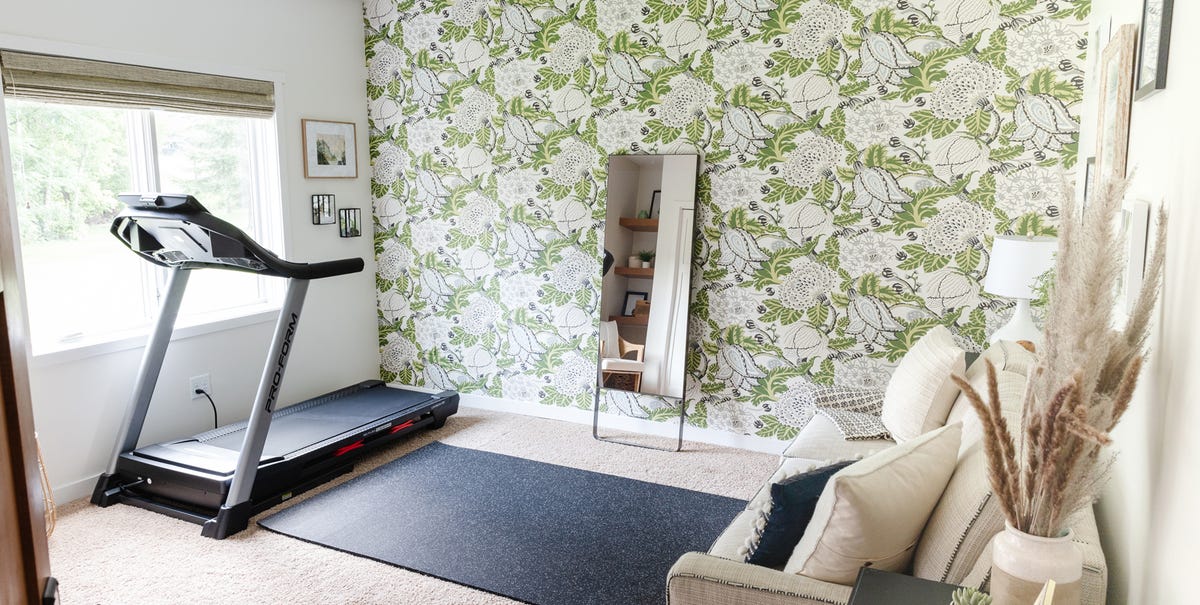
Building a home gym used to sound like something reserved for people with spare bedrooms, three-car garages, and a mysterious ability to fold fitted sheets. Good news: you do not need any of that. A smart small space home gym can fit into an apartment corner, bedroom nook, garage wall, hallway closet, balcony, or even the empty space beside your sofa that currently hosts one lonely charging cable.
The best small home gym ideas are not about buying every shiny machine on the internet. They are about matching your workout style to your real life. If you love yoga, you need a calm mat zone. If you lift, you need safe flooring and compact storage. If cardio is your thing, a foldable treadmill, walking pad, jump rope, or indoor bike may be enough. And if your space is tiny, your walls, doors, shelves, and under-bed storage are about to become your new fitness friends.
Health and fitness experts generally recommend a weekly routine that includes aerobic activity and muscle-strengthening workouts. A small home gym makes that easier because your “commute” is approximately seven steps, unless you live in a castle, in which case please invite us over. Below are 20 practical, stylish, and realistic home gym ideas for small spaces, plus extra real-life experience tips to help you create a workout area you will actually use.
Why a Small Space Home Gym Works
A small gym at home removes many common workout excuses. Bad weather? No problem. Crowded gym? Not your couch’s fault. Forgot your headphones? They are probably already tangled in the drawer nearby. The real advantage is convenience. When exercise equipment is visible, organized, and easy to access, it becomes easier to turn “I should work out” into “Fine, I will do ten minutes.” Ten minutes often becomes twenty, and suddenly your yoga mat is no longer just an expensive rectangle.
The secret is designing a home gym around movement, not clutter. You need enough floor space to stretch, squat, lunge, hinge, push, pull, and breathe. You also need equipment that supports your goals without taking over your home like a fitness-themed octopus.
20 Home Gym Ideas for Small Spaces
1. Turn an Empty Corner Into a Mini Workout Zone
Start with the easiest option: an unused corner. A yoga mat, a pair of dumbbells, resistance bands, and a small basket can create a functional mini gym. Choose a corner near natural light if possible. Good lighting makes the space feel more inviting and less like you are exercising in a storage closet with ambition.
2. Use Vertical Wall Storage
Small home gym design depends on vertical space. Install wall hooks, floating shelves, pegboards, or mounted racks to store resistance bands, jump ropes, foam rollers, yoga straps, and towels. When equipment is off the floor, the room looks cleaner and your toes are less likely to meet a dumbbell in a tragic midnight accident.
3. Create a Foldaway Fitness Station
If you live in an apartment or studio, foldaway gear is gold. Choose a foldable exercise mat, collapsible bench, adjustable dumbbells, and a folding treadmill or walking pad. When the workout is done, slide everything into a closet, under the bed, or behind a room divider. This setup is perfect for people who want a home gym without making their living room look like a boot camp.
4. Build a Resistance Band Wall
Resistance bands are affordable, compact, and surprisingly versatile. Store them on hooks or a towel bar mounted to the wall. Add a door anchor for rows, presses, pulldowns, and mobility work. Bands are especially useful for small space strength training because they provide resistance without requiring a bulky rack or a pile of metal plates.
5. Use a Closet as a Hidden Home Gym
A reach-in closet can become a compact workout cabinet. Remove unnecessary clutter, add shelves, and organize gear by type. Keep heavier items on the bottom and lighter accessories above. You can even install a mirror inside the closet door for form checks. When guests visit, close the door and pretend you are simply very organized.
6. Try Adjustable Dumbbells
Traditional dumbbell sets can eat floor space quickly. Adjustable dumbbells replace multiple pairs with one compact system. They are ideal for strength training in small rooms because you can increase or decrease resistance without needing a full rack. Add a small bench if you have room, or use floor-based exercises such as chest presses, rows, lunges, and Romanian deadlifts.
7. Design a Yoga and Mobility Nook
A peaceful yoga nook can fit almost anywhere. Use a mat, blocks, a strap, a bolster, and a small shelf for storage. Add plants, soft lighting, or calming artwork if that motivates you. This type of home gym is excellent for stretching, Pilates, meditation, balance training, and recovery days when your muscles are filing a formal complaint.
8. Put a Mirror to Work
Mirrors do two important things in a small home gym. First, they make the space feel larger by reflecting light. Second, they help you check your form during squats, deadlifts, shoulder presses, and mobility drills. You do not need an entire mirrored wall. A full-length mirror mounted securely can make a big difference.
9. Choose Multi-Use Furniture
In a small home, furniture should earn its rent. Storage ottomans can hold bands, sliders, yoga blocks, and towels. A sturdy bench can double as seating and workout equipment. A console table with baskets can hide fitness accessories while still looking like normal home decor. The goal is to blend fitness into your living space instead of creating visual chaos.
10. Make a Garage Wall Gym
If you have a garage, dedicate one wall to fitness. Add rubber flooring, wall-mounted storage, a foldable squat rack if the structure allows, and hooks for jump ropes or bands. Garages are great for kettlebells, heavier dumbbells, rowing machines, and strength circuits. Keep ventilation in mind, especially in hot or humid climates.
11. Use a Walking Pad Under a Desk or Sofa
A walking pad is one of the most practical cardio tools for small spaces. Many models slide under beds, sofas, or standing desks. It is a simple way to add low-impact movement while working, watching TV, or listening to a podcast. Measure your space before buying and check noise levels if you live above neighbors who already know too much about your life.
12. Add Soft but Stable Flooring
Flooring matters. Rubber tiles, foam mats, or a dense exercise mat can protect your floors, reduce noise, and make bodyweight workouts more comfortable. For lifting, choose stable flooring that will not shift underfoot. For yoga or mobility, comfort matters more. Avoid slippery rugs unless your workout goal is “surprise ice skating.”
13. Create a Doorway Training Setup
A doorway can support several small-space workout tools, including a pull-up bar, resistance band anchor, or suspension trainer. This gives you options for rows, assisted squats, presses, planks, and core work. Always follow manufacturer instructions and check that your doorway is suitable before installing equipment.
14. Make a Balcony or Patio Fitness Spot
If you have outdoor space, use it. A balcony, patio, or small deck can become a fresh-air workout area for yoga, stretching, bodyweight circuits, or jump rope if allowed by your building. Store equipment in a weather-resistant box and choose items that can handle temperature changes. Outdoor workouts can make small spaces feel less limiting.
15. Build a Kettlebell and Mat Station
One or two kettlebells plus a mat can support a full-body workout. Kettlebell deadlifts, goblet squats, presses, carries, rows, and swings can train strength, endurance, and coordination. Beginners should learn proper form before trying ballistic movements like swings. Your lower back deserves respect, not plot twists.
16. Use a Pegboard for Stylish Organization
A pegboard is one of the best small home gym storage ideas because it is flexible and attractive. Use it for bands, jump ropes, handles, massage balls, headphones, lifting gloves, and cleaning spray. You can rearrange hooks as your routine changes. Paint the pegboard to match your decor for a more polished look.
17. Add a Compact Cardio Machine
If cardio keeps you consistent, consider one compact machine instead of several random gadgets. A foldable treadmill, stationary bike, rowing machine, or compact elliptical can work well if it fits your space and budget. Measure not only the footprint but also the clearance around it. You need safe space to get on, get off, and move without bumping walls.
18. Turn a Spare Bedroom Wall Into a Training Zone
You do not need an entire room to build a bedroom gym. Use one wall for storage, one corner for equipment, and open floor space for movement. Keep the design calm if the room is also used for sleep. Too much visible equipment can make a bedroom feel busy, and nobody wants to fall asleep while a kettlebell silently judges them.
19. Create a Family-Friendly Fitness Area
If children or pets share your home, safety is essential. Store heavy weights low and secure. Keep bands, cords, and small accessories out of reach. Choose closed storage for equipment that could trip someone. A family-friendly home gym can also include kid-safe movement items, such as a small mat area for stretching or dance breaks.
20. Design a “No Excuses” Five-Minute Gym
Sometimes the best home gym is the one that makes short workouts impossible to ignore. Place a mat, bands, and one pair of dumbbells where you can see them. Write a simple five-minute circuit: squats, pushups, rows, glute bridges, and planks. On busy days, do one round. On better days, do three. Consistency beats perfection, especially when perfection is still looking for matching socks.
How to Choose the Right Equipment for a Small Home Gym
Before buying anything, ask three questions: What workouts do I actually enjoy? How much space can I use without disrupting daily life? What equipment will I use at least twice a week? The answers prevent expensive mistakes. A treadmill is great if you walk or run regularly. If you hate running, it becomes a very expensive laundry rack with buttons.
For most small spaces, start with basics: a quality mat, resistance bands, adjustable dumbbells or kettlebells, a jump rope if your floors and neighbors allow it, and storage that keeps everything visible but tidy. Add larger equipment only after you know your habits. A good home gym grows with you; it does not need to arrive fully assembled like a commercial fitness center in a box.
Small Home Gym Layout Tips
Measure Before You Buy
Measure floor space, ceiling height, door width, and storage areas before ordering equipment. For machines, include extra clearance for safe use. For lifting, make sure you can move your arms freely overhead and to the sides.
Keep Pathways Clear
A home gym should not block doors, windows, closets, or emergency exits. Clear pathways make the space safer and more comfortable. They also make your home feel less crowded.
Prioritize Airflow and Lighting
Good airflow helps your workout area feel fresh. Use a fan, open a window when possible, or choose a spot with ventilation. Bright lighting helps with energy, while softer lighting works well for yoga and stretching.
Separate Workout Zones
Even in a tiny gym, zones help. Create one area for strength, one for mobility, and one for storage. This can be as simple as keeping your mat in the center, weights on one side, and bands on the wall.
Design Ideas That Make a Small Gym Look Better
A small home gym can be functional and attractive. Choose a simple color palette, use matching baskets, add a mirror, and keep visual clutter low. If you like bold design, create an accent wall with paint, wallpaper, or framed motivational art. Just avoid quotes that are so intense they make stretching feel like a military operation.
Natural textures such as wood shelves, woven baskets, and neutral mats can help the gym blend with your home. Plants add softness, although they should stay out of the way during lunges. If your gym is in a shared living area, choose equipment in colors that match your decor. A neat, attractive setup is more likely to stay visible, and visible equipment is more likely to get used.
Safety Tips for Small Space Workouts
Small spaces require smart movement. Warm up before intense exercise, keep the floor clear, and use equipment correctly. Check resistance bands for cracks or tears. Store weights securely. If you use a treadmill, walking pad, or other cardio machine, follow safety instructions and give yourself enough room. If you are new to exercise, recovering from injury, pregnant, managing a medical condition, or unsure where to start, speak with a qualified health professional or certified trainer.
Also remember that soreness and pain are not the same thing. Mild muscle soreness can happen after a new workout. Sharp pain, dizziness, chest pain, or unusual shortness of breath means stop and seek medical advice. Your home gym should improve your life, not turn your hallway into a medical drama.
Real-Life Experience: What Actually Works in a Small Home Gym
The most successful small home gyms usually begin with one honest decision: stop designing for an imaginary version of yourself. Many people create a gym for the person who wakes up at 5 a.m., drinks green juice, and performs burpees with the joy of a golden retriever. Then real life arrives, and that beautiful gym becomes a storage zone for holiday decorations. A better approach is to design for your actual schedule, energy, and favorite types of movement.
In practice, the best small space home gym is the one that removes friction. If your mat is buried under the bed, your dumbbells are in the garage, and your bands are tangled like spaghetti in a drawer, you are less likely to work out. Keep your most-used items easy to reach. A small basket beside the sofa can hold bands, sliders, and a towel. A wall hook can keep your mat visible. A single pair of dumbbells near your desk can turn a break into a quick set of squats or rows.
Another lesson: do not underestimate short workouts. A 10-minute routine can be meaningful when it is consistent. Try a simple circuit of bodyweight squats, incline pushups, bent-over rows with dumbbells or bands, glute bridges, and a plank. Repeat two or three rounds. This kind of workout fits into a small area and does not require complicated setup. It is not glamorous, but neither is waiting for motivation to arrive wearing a cape.
Storage also matters more than people expect. A cluttered gym feels stressful, while an organized gym feels like an invitation. Clear bins, labels, wall hooks, and shelves can make even a tiny workout corner feel intentional. If your home gym is in a living room or bedroom, choose storage that matches your decor. The goal is to make fitness part of your home, not a pile of equipment you apologize for when someone visits.
Noise is another practical detail. If you live in an apartment, jumping workouts may not be neighbor-friendly. Choose low-impact options such as step-ups, marching intervals, resistance band circuits, Pilates, yoga, or walking pad sessions. Use mats to reduce sound and protect floors. Your downstairs neighbor should not be able to identify leg day by ceiling vibration alone.
Finally, the best home gym setup changes over time. Start simple, track what you use, and upgrade slowly. Maybe you begin with bands and a mat, then add adjustable dumbbells. Later, you might add a bench, bike, or compact treadmill. Let your habits guide your purchases. A small home gym is not about having everything. It is about having the right things in the right place, ready when you are.
Conclusion
A small space home gym can be stylish, practical, and surprisingly powerful. You do not need a huge room, a luxury budget, or a wall of complicated machines. You need a smart layout, compact equipment, safe flooring, good storage, and a setup that matches how you actually like to move. Whether you create a closet gym, a yoga nook, a garage wall station, or a five-minute fitness corner, the goal is the same: make exercise easier to start and easier to repeat.
The best home gym ideas are the ones that fit your life so naturally that working out becomes less of a production and more of a habit. Start small, keep it organized, and build from there. Your future self may not send a thank-you card, but your back, energy, mood, and jeans might quietly applaud.
Note: This article synthesizes guidance from reputable U.S. fitness, medical, consumer safety, and home-design sources, including public health recommendations, sports medicine guidance, home organization advice, and small-space interior design best practices.