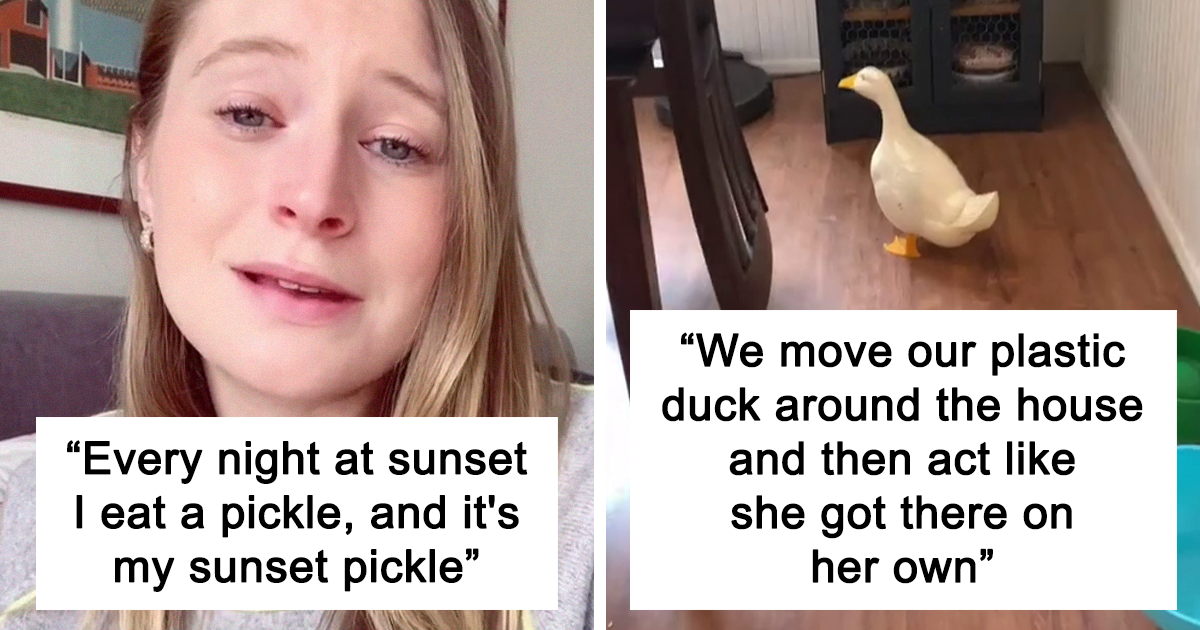
Some people used the Covid-19 lockdown to learn sourdough. Others mastered yoga, organized the spice cabinet alphabetically, or finally figured out what that mysterious button on the washing machine does. And then there were the people who quietly developed habits so harmless, so oddly specific, and so magnificently strange that they could only have been born in quarantine.
We are talking about the tiny rituals that made perfect sense in March 2020 and now sound like deleted scenes from a sitcom: narrating your pet’s day like a nature documentary, dressing up only from the waist up, naming every houseplant after a former coworker, checking the mail as if it were a major social event, or standing in front of the refrigerator like it owed you an apology.
The phrase “benign but absolutely unhinged” captures the mood perfectly. These habits were not dangerous or destructive. Most were silly, creative, oddly comforting, and occasionally brilliant. They were the brain’s way of saying, “The world is weird, so I shall become weird in a manageable way.”
As people continue sharing their most absurd lockdown routines online, the stories reveal something deeper than internet comedy. They show how humans adapt when ordinary life suddenly shrinks to a kitchen, a couch, a screen, and a suspiciously judgmental cat.
Why Lockdown Turned Ordinary People Into Domestic Goblins
Before the pandemic, daily life came with invisible structure. Commutes, office hours, school drop-offs, errands, gym sessions, lunch breaks, and weekend plans quietly told people what time it was and who they were supposed to be. Then lockdown arrived and tossed that structure into the junk drawer next to expired coupons and one lonely AA battery.
When the usual rhythm disappeared, people had to invent new routines. Some routines were healthy and intentional, like morning walks or scheduled video calls. Others were less elegant, like eating cereal out of a mug while watching a twelve-minute video about how pencils are manufactured. Both were attempts to create order.
Psychologists often describe routines as anchors. They reduce uncertainty and help the brain conserve energy. During lockdown, those anchors became especially important because many people were dealing with stress, loneliness, fear, information overload, and a sudden collapse of normal social cues. In that context, even a bizarre ritual could feel grounding.
That is why a person might start giving their vacuum cleaner a name. It is not really about the vacuum. It is about turning another day indoors into something with a plot.
The Most Common “Unhinged” Lockdown Habits People Formed
The internet has become a giant museum of quarantine behavior, and the exhibits are outstanding. Some habits were shared by millions. Others were so specific they deserve their own grant funding.
1. Treating Tiny Errands Like Major Field Trips
During lockdown, taking out the trash became an expedition. Checking the mail had the emotional weight of opening night on Broadway. A trip to the grocery store required planning, strategy, wardrobe decisions, and sometimes a full recovery period afterward.
People began stretching ordinary errands into events because there were so few events left. Walking to the mailbox could provide fresh air, a change of scenery, and the thrilling possibility of receiving something other than a utility bill. For many, it became the day’s main character moment.
2. Narrating Life Like a Documentary
One of the most charming lockdown habits was narrating pets, partners, children, appliances, or even oneself in a dramatic documentary voice. A cat walking across the living room became “a solitary hunter crossing the beige plains.” A roommate making toast became “the creature prepares its morning offering.”
This habit was harmless, creative, and honestly useful. Narration transformed repetitive domestic scenes into entertainment. It also gave people a way to laugh at the surreal sameness of their surroundings without pretending everything was normal.
3. Developing Intense Relationships With Objects
People named their sourdough starters, houseplants, cars they were not driving, robot vacuums, coffee mugs, and the one good chair in the house. Some families turned random objects into household mascots. A plastic duck, a decorative gnome, or a tiny ceramic frog could suddenly become a roommate with lore.
Was it ridiculous? Absolutely. Was it understandable? Also absolutely. Humans are social creatures. When social life is limited, the brain starts casting available objects in supporting roles. The throw pillow did not ask to become “Gregory,” but Gregory provided emotional continuity.
4. Creating Food Rituals That Made No Sense But Felt Sacred
Lockdown changed the way people ate. Some people cooked elaborate meals from scratch. Others ate the same lunch every day for eight months because decision fatigue had turned the phrase “What’s for lunch?” into a personal attack.
There were people who separated snacks by color, saved the filling from sandwich cookies, built tiny charcuterie boards for one, invented “emergency cheese,” or developed very strong opinions about the correct bowl for instant noodles. The kitchen became restaurant, break room, emotional support center, and late-night confessional booth.
5. Dressing for the Bit, Not the Occasion
Remote work created a fashion era that historians may one day call “business mullet”: professional on top, pajama-based chaos below. But beyond video-call dressing, some people started wearing costumes, fancy outfits, or oddly specific uniforms just to create a sense of occasion.
There were “formal Fridays,” full makeup for no destination, themed dinner outfits, and people who wore shoes indoors to trick their brains into productivity. Others abandoned structured clothing entirely and entered what can only be described as the elastic-waistband enlightenment.
6. Turning Cleaning Into a Competitive Sport
At the beginning of the pandemic, many households became extremely focused on cleaning, disinfecting, and organizing. Some of this came from public health guidance and early uncertainty. Some of it came from the simple fact that people were staring at the same baseboards all day and suddenly noticed every crumb had a personality.
People scrubbed grocery packages, wiped down doorknobs, organized pantry shelves, washed reusable bags, and developed complicated systems for “outside clothes.” Over time, some of those practices faded. Others evolved into lasting habits, like keeping a cleaner entryway, washing hands more consistently, or finally acknowledging that the remote control was, in fact, disgusting.
7. Becoming Deeply Invested in Neighborhood Micro-Dramas
With fewer places to go, people started noticing everything happening on their street. A new bird at the feeder. A neighbor’s mysterious 3 p.m. walk. The dramatic rivalry between two squirrels. The delivery truck that always arrived at exactly the wrong time.
Neighborhood observation became a form of entertainment. People who once barely noticed their surroundings became amateur local historians. They knew which dog had beef with which fence. They knew when the house across the street changed curtains. They knew too much, and yet somehow not enough.
Why These Habits Were Funny, Comforting, and Surprisingly Human
The funniest lockdown habits were often funny because they were so deeply human. They showed people trying to reclaim control in tiny, low-stakes ways. When the outside world felt unpredictable, choosing a daily mug, naming a houseplant, or creating a fake feud with a squirrel offered a small pocket of certainty.
Many habits also helped people mark time. During lockdown, days blurred together. Without commutes, social plans, or regular transitions, Tuesday could feel like a rumor. Small rituals created punctuation marks: morning coffee on the balcony, afternoon walk, evening puzzle, Wednesday laundry, Friday homemade pizza, Sunday existential staring out the window.
Humor mattered too. Calling a strange habit “unhinged” made it easier to talk about the weirdness without drowning in it. People could share their odd routines and realize they were not alone. Someone else was also talking to their toaster. Someone else also had a favorite spoon. Someone else also dressed up to sit in the living room because the dining table deserved glamour.
The Internet Became a Confession Booth for Quarantine Weirdness
Social media played a huge role in turning private lockdown habits into shared entertainment. TikTok, Reddit, Twitter, Instagram, and Facebook became places where people admitted the tiny oddities of their indoor lives. The more specific the confession, the better.
People did not just say, “I got bored.” They said they started ranking neighborhood dogs, pretending their plants had office politics, or treating grocery delivery like a national holiday. That specificity made the stories relatable. The details were different, but the emotional logic was familiar.
Online sharing also helped normalize the awkward truth of lockdown: many people were not thriving. They were coping. Sometimes coping looked like meditation. Sometimes it looked like baking banana bread. Sometimes it looked like giving motivational speeches to a Roomba stuck under the couch.
What These Habits Say About Stress and Adaptation
Not every lockdown habit was productive, and that is the point. During a crisis, people do not always become optimized versions of themselves. They become human versions of themselves. They seek comfort, routine, novelty, humor, and small rewards.
Some people coped through creativity: painting, writing, gardening, cooking, music, crafts, and home projects. Others coped through repetition: the same breakfast, the same walk, the same show, the same bedtime routine. Some coped through connection: video calls, group chats, online games, or socially distanced driveway conversations. And yes, some coped through very passionate relationships with snacks.
The key is that many of these habits were adaptive in context. A habit does not need to be impressive to be useful. If watering a plant named Linda helped someone get out of bed and open the blinds, Linda was doing important work.
The Lockdown Habits That Actually Stuck Around
Years later, some quarantine routines have disappeared completely. Few people miss wiping down every grocery item like it just escaped a laboratory. But other habits stayed because they improved daily life.
Many people kept walking more. The daily “sanity walk” became a legitimate wellness practice. Others kept cooking at home, working remotely, prioritizing sleep, washing hands more carefully, or spending more time with pets and family. Some kept hobbies they never expected to love, from knitting to birdwatching to balcony gardening.
Technology habits also changed. Video calls, online ordering, streaming events, remote work tools, telehealth, and digital communities became more common. For better or worse, lockdown accelerated the role of the internet in daily American life.
And then there are the habits that stuck around for no clear reason except affection. Maybe someone still uses their “quarantine mug.” Maybe a family still hides a plastic duck around the house. Maybe a person still waves at the same neighborhood cat like they are old colleagues. These habits may be silly, but they carry memory.
Benign But Unhinged Habits Are a Kind of Time Capsule
Looking back, lockdown habits can feel embarrassing. Did we really clap for small domestic victories? Did we really give sourdough starters names? Did we really watch an entire video about organizing a refrigerator by emotional category? Yes. Yes, we did. And honestly, we were doing our best.
These habits are cultural time capsules. They capture the confusion, boredom, fear, creativity, and absurdity of a moment when millions of people were suddenly asked to live smaller lives. The habits were not random. They were responses to disruption.
That is why they still resonate online. A “benign but unhinged” habit is funny because it is harmlessly excessive. It is touching because it reveals a person trying to stay okay. It is relatable because almost everyone formed at least one strange ritual they would struggle to explain to their 2019 self.
Examples of Harmlessly Unhinged Lockdown Habits People Still Laugh About
While everyone’s quarantine experience was different, certain categories of habits became almost universal. Below are some of the most recognizable examples, rewritten and grouped as cultural patterns rather than copied confessions.
The House Became a Universe
People gave rooms new identities. The bedroom became the office. The kitchen became the café. The balcony became the vacation destination. The hallway became the walking track. The bathroom became the spa if someone lit a candle and committed to the fantasy.
Some people started “commuting” from one room to another before work. Others took fake lunch breaks outside their own front door. These habits sounded ridiculous, but they helped create boundaries between work, rest, and personal time.
Pets Became Coworkers, Therapists, and Tiny Dictators
Pets played a starring role in lockdown routines. Dogs attended meetings. Cats interrupted presentations. Birds, rabbits, reptiles, and fish became emotional support celebrities. People built entire schedules around their pets’ moods, naps, snacks, and suspicious hallway activities.
Many pet owners began narrating their animals’ lives or inventing office titles for them. A cat might become “Head of Keyboard Obstruction.” A dog might become “Director of Outdoor Affairs.” The joke worked because, for many people, pets really were the most consistent companionship they had.
Food Became Entertainment, Structure, and Personality
Banana bread, sourdough, whipped coffee, elaborate breakfasts, snack plates, and themed dinners all became part of the lockdown food universe. Some people became excellent cooks. Others simply became emotionally attached to one specific frozen meal.
Food rituals helped mark the day. Morning coffee became a ceremony. Lunch became a negotiation. Dinner became an event. Dessert became a constitutional right. In a time when many pleasures were unavailable, a good snack carried unusual emotional power.
People Became Local Wildlife Experts
Birdwatching, squirrel tracking, plant identification, and neighborhood cat monitoring became surprisingly popular. People who had never cared about birds suddenly had opinions about cardinals. People who ignored trees began noticing blossoms, leaves, and seasonal changes.
This was one of the healthier “unhinged” habits. Paying attention to nature gave people a sense of continuity. Even when everything felt paused, birds kept showing up, flowers kept blooming, and squirrels continued committing tiny crimes with confidence.
Extra Experiences: The Lockdown Habit Diary Nobody Asked For, But Everyone Understands
Imagine a person who entered lockdown with ambitious plans. They were going to become fluent in Spanish, develop visible abs, read classic literature, reorganize their finances, and emerge from quarantine like a peaceful woodland scholar with excellent core strength. Instead, by week three, they had created a ranking system for crackers and were emotionally invested in whether the neighbor across the street would repaint the mailbox.
That is the true lockdown experience for many people: the gap between fantasy productivity and actual survival rituals. People did not always need a five-year plan. Sometimes they needed a reason to shower before noon. Sometimes they needed a walk around the block where the main attraction was “tree that looks slightly different today.” Sometimes they needed to bake cookies at 10 p.m. because time had become soup.
One common experience was the sudden importance of “the good cup.” People who never cared about mugs developed fierce loyalty to one specific cup for coffee, tea, or water. Using the wrong cup could throw off the entire morning. Was this logical? Not especially. But when every day looked similar, small preferences became emotional architecture.
Another deeply relatable experience was the rise of household ceremonies. Friday night might become homemade pizza night. Tuesday might become laundry-and-podcast day. Sunday might become the day to water plants and pretend life was under control. These rituals gave people structure without requiring perfection. They were small, repeatable, and gentle.
Then there was the phenomenon of talking out loud to absolutely everything. People thanked delivery drivers through closed doors, apologized to furniture after bumping into it, scolded laptops for freezing, and encouraged houseplants to “hang in there.” A person living alone might narrate cooking like a celebrity chef. A family might invent elaborate backstories for random objects. These behaviors sound strange until you remember that ordinary casual conversation had suddenly become scarce.
Many people also developed intense screen rituals. They had comfort shows, background shows, cooking channels, walking tours of cities they could not visit, and videos of people cleaning houses with the focus of Olympic athletes. Watching someone organize a pantry became calming because it offered visual proof that chaos could be sorted into labeled containers.
Lockdown also changed the emotional meaning of outside. A short walk could feel luxurious. A patch of sunlight on the floor became prime real estate. People learned the exact hour their living room looked nicest. They discovered that fresh air could reset a mood faster than another hour of doomscrolling. For some, these small discoveries became long-term habits that still improve daily life.
Of course, not every experience was cute. The pandemic was difficult, frightening, and isolating for many people. But that is exactly why the harmless oddities matter. They were not proof that everything was fine. They were proof that people kept improvising. They made jokes, invented rituals, found comfort in repetition, and built tiny islands of weirdness in a very uncertain sea.
The most “benign but absolutely unhinged” habits are funny now because they were sincere then. They helped people get through long days, blurry weeks, and months when the outside world felt both too quiet and too loud. Whether someone became a plant parent, snack curator, pet narrator, sourdough guardian, or neighborhood squirrel analyst, the impulse was the same: make life feel a little more livable, even if the method looks ridiculous in hindsight.
Conclusion
The Covid-19 lockdown changed daily life in huge ways, but it also changed people in tiny, hilarious, oddly tender ways. The “benign but absolutely unhinged” habits people formed were more than internet jokes. They were coping tools, creative outlets, time markers, and miniature acts of control during a period when control was hard to find.
Some habits faded as normal routines returned. Others stuck around because they made life better, funnier, or more intentional. And some remain simply because they are part of the story now. Maybe the plastic duck still moves around the house. Maybe the plant still has a dramatic name. Maybe the daily walk still happens because it turns out the lockdown version of you was right about needing air.
In the end, these habits remind us that people are wonderfully adaptable and deeply strange in the best possible way. When the world became unfamiliar, humans responded by baking bread, naming objects, talking to pets, watching birds, inventing rituals, and laughing at themselves online. Honestly, that may be one of the most human things we did.
Note: This article is original, fully rewritten, and synthesized from reputable public health, psychology, lifestyle, media, and pandemic-era cultural reporting sources for web publication.